

Traveling without a plan might sound crazy, especially if you’ve never done it before. The idea of wandering without a clear direction can seem overwhelming and risky, but I can promise you—it’s one of the best ways to explore the world and discover places in a more organic, authentic way. If you’re traveling for just a week or a few days and want to pack in as much as possible, having a plan might make sense. It helps you maximize your time and ensure you don’t miss out on the major sights. But for longer trips, when you have more flexibility, abandoning a rigid itinerary can lead to a much richer, more fulfilling experience. You’ll find yourself open to spontaneous discoveries, meeting new people, and exploring off-the-beaten-path destinations that wouldn’t have been on a list of must-sees.
Having no set plan doesn’t mean having no direction—it means giving yourself the freedom to adapt as you go. When you let go of the constraints of a fixed itinerary, you can flow with the energy of the place and immerse yourself more fully in each moment. Instead of rushing from one planned activity to the next, you’ll have the time to linger in spots that resonate with you, discover hidden gems, and truly get to know a destination on your terms. Plus, this approach can help you let go of the dreaded fear of missing out (FOMO)—because you’re not fixated on a list of sights or experiences that you feel you have to check off. Instead, you’re learning to embrace the present and trust that every experience will lead you to exactly where you need to be. Here’s why traveling without a set plan is worth considering and how it can open the door to some of your most memorable adventures.
1. The Power of Unexpected Moments

Some of my most memorable travel experiences have been completely unplanned. By going into places or situations with little to no expectations, you open yourself up to surprises that are far more exciting and impactful than anything you could have meticulously planned for.
Sure, doing research and jotting down a few must-dos is great. But leave room for the unexpected! When you over-plan, you risk spoiling the magic of discovery. Sometimes, the best activities or destinations come from spur-of-the-moment decisions—whether it’s a street sign that catches your eye, a chat with a local, or a fellow traveler’s recommendation.
2. Discovering Hidden Gems

No matter how much you plan, there are always things you won’t know about a place until you’re actually there. Whether it’s a local café tucked away in a quiet alley, a secret beach you stumble upon, or a lesser-known hike, these spontaneous discoveries often become highlights of your trip.
Traveling without a strict itinerary gives you the flexibility to adapt and embrace the unknown. For example, while traveling in Albania, I loved how locals in smaller, family-owned hostels shared insider tips about hikes and nature activitiesI’d never heard of. Their suggestions led me to some of the most authentic and rewarding experiences of my trip that I’ll never forget. These were hikes I couldn’t find online, and felt completely immersed in!
3. Flexibility Means Freedom
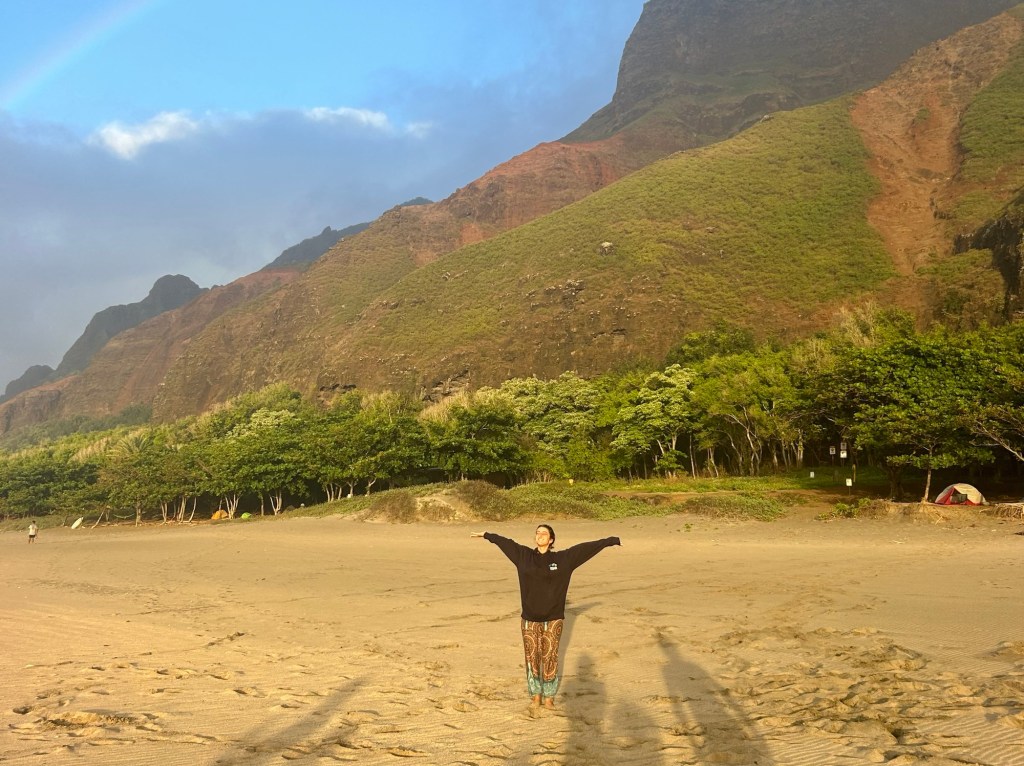
One of the greatest perks of having no fixed plan is the freedom to change your mind. Maybe you arrive in a city and absolutely fall in love with it—you should feel free to stay longer. Or perhaps you meet people headed somewhere you hadn’t even considered, and their enthusiasm inspires you to tag along.
As a solo traveler, flexibility is especially important. I’ve met incredible people on the road who were headed to the same places as me or had similar interests. By staying open to changing my plans, I was able to join forces with them, share transportation, and create shared memories that enriched my travels.
When I traveled through Vietnam, I often found myself extending my stays in places like Hoi An simply because I loved the vibe and didn’t feel ready to leave. If I had pre-booked everything, I would’ve missed out on some of the most relaxed and meaningful parts of my trip. I also kept running into travelers I had previously met, and eventually tagged along multiple times with different people instead of sticking with my original plans!
4. Avoiding Burnout

Traveling without a plan also helps you avoid burnout. Long-term travel is exciting, but it can also be exhausting if you’re constantly rushing to tick off every activity and destination on your list.
By staying flexible, you can slow down when you need to, take a rest day, or even skip an attraction altogether without feeling guilty. It’s important to recognize when your body and mind need a break. Sometimes, the best thing you can do is have a quiet night to yourself, watch a movie, or enjoy a peaceful solo dinner.
5. Letting Go of FOMO

The fear of missing out is real, especially for our generation, but it’s something you need to leave behind while traveling. Hostels, for example, can be an overwhelming mix of social events, parties, and activities. It’s easy to feel like you need to participate in everything, but this can quickly lead to burnout.
The truth is, there will always be another party, another social gathering, and more people to meet. Don’t be afraid to skip a night out if you’re feeling tired. Prioritizing your well-being doesn’t make you boring or antisocial—it ensures that you can fully enjoy your travels in the long run.
When I was in Thailand, I quickly learned the importance of balance. While the nightlife was incredible, there were nights I chose to relax instead. It made the nights I did go out even more special, and it gave me the energy to fully appreciate the daytime activities.
6. Balancing Spontaneity with Smart Planning
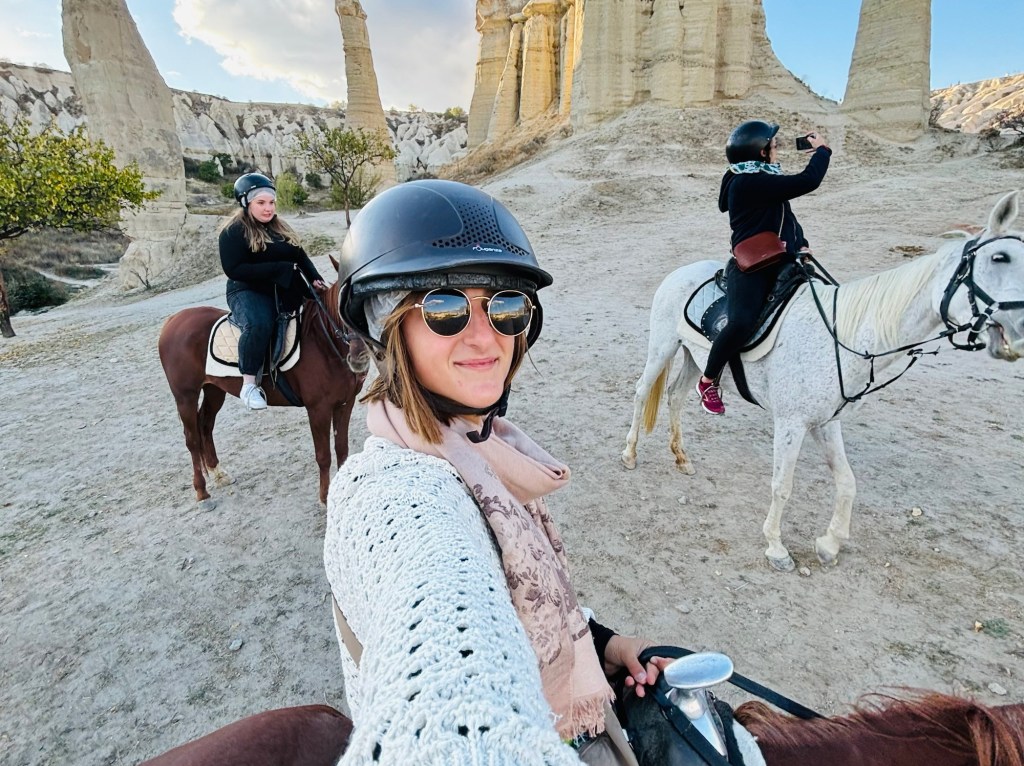
While traveling without a plan can be freeing, it doesn’t mean you should go in completely unprepared. Doing some basic research and having a general idea of your route is still helpful. This way, you can ensure you don’t miss out on must-see destinations while leaving room for spontaneity.
For example, when I traveled in Albania, I knew I wanted to visit specific places like Shkoder and Sarande. But I left the details—how long I’d stay, what I’d do, and how I’d get there—open-ended. I ended up finding so many small cities and villages along the way and stopped in so many places I wasn’t expecting. This approach gave me the best of both worlds: structure without inflexibility .
7. Embracing the Unexpected

Finally, the beauty of traveling without a plan lies in its unpredictability. You might find yourself in a situation you never anticipated—like joining a local festival, discovering a hidden hike, or even deciding to continue traveling with someone you just met.
Some of my favorite memories from Vietnam , for example, came from spontaneous decisions, like changing all my prebooked plans to travel with 2 Australians instead! These moments weren’t on my original radar but turned out to be unforgettable.
Final Thoughts

Traveling without a plan might sound intimidating at first, but it opens the door to a world of possibilities that you may have never considered. The idea of having a set itinerary can feel reassuring, but once you release yourself from the constraints of a strict schedule, you’ll start to see travel in a whole new light. By letting go of rigid plans and the fear of missing out, you’ll find that you experience more joy in the journey itself. Without the pressure to stick to an agenda, you can be more present, embracing whatever comes your way. Whether it’s a spontaneous detour, a conversation with a local, or a hidden gem that you stumble upon, these unplanned moments often turn out to be the most rewarding.
You’ll also have more opportunities to connect with amazing people—whether fellow travelers or locals—who might offer insights and experiences that no guidebook could provide. Instead of racing to tick off every landmark, you’ll be free to follow your curiosity, allowing serendipity to guide your adventures. The result? Authentic, unforced memories that feel more meaningful because they weren’t part of a pre-planned checklist. You’ll learn to embrace the unexpected, and in doing so, find a deeper connection with the places you visit. So the next time you’re planning a trip, consider leaving some things unplanned. The beauty of travel often lies in the unknown, and you might just find that the best adventures are the ones you never expected—those that unfold naturally, without the need for a set agenda.
.
 Livslifeoncam
Leave a comment