
If you’ve never been to Southeast Asia, you might not realize just how integral massages are to the region’s culture. Unlike in many Western countries, massages in Southeast Asia are incredibly affordable, accessible, and woven deeply into the cultural fabric. Among the countries in this region, Thailand stands out as the unofficial massage capital. Picture this: a traditional Thai massage paired with a plate of pad Thai and a fresh mango smoothie. It’s a combination hard to beat.
From Thailand to Laos, Vietnam, Cambodia, and beyond, the culture of massage therapy permeates daily life. You’ll find massage shops on bustling city streets, tranquil beaches, and even remote villages. But before you dive into the world of Southeast Asian massages, it’s helpful to understand the cultural significance, historical roots, and best practices for enjoying a massage in this part of the world.
After spending considerable time in Southeast Asia and indulging in dozens of massages across the region, I’ve compiled this guide to help travelers navigate the massage culture and get the most out of their experience.
Why is Massage Culture So Prominent in Southeast Asia?
The abundance of massage shops in Southeast Asia, particularly in Thailand, isn’t just for tourism—it’s deeply rooted in the region’s culture and traditions. Massage therapy in Southeast Asia is closely tied to Buddhism, traditional medicine, and holistic healing practices.
The most famous practice, the traditional Thai massage, originated in temples as a spiritual and physical form of healing. It was—and still is—viewed as a way to connect the body, mind, and spirit. Today, Thai massage has evolved to cater to tourists while retaining its core principles of wellness and energy restoration.
In Thai culture, and much of Southeast Asia, massages are not merely about relaxation. They are a form of therapy, designed to heal and restore balance in the body. Many of these practices center on the concept of energy flow or “prana.” Thai massage, for instance, focuses on stretching, pressure points, and yoga-like movements to release tension and stimulate energy pathways.
The Famous Thai Massage
The traditional Thai massage is perhaps the most intense and unique of all massage types in the region. It involves a series of stretches, rhythmic pressing, and pulling that can feel more like a workout than a relaxing experience. If you’re accustomed to gentle, soothing massages, you might find the intensity surprising—but it’s also highly effective.
Thai massages target muscles, tendons, and joints, helping to improve flexibility, relieve pain, and restore energy. They’re an excellent choice for anyone seeking not just relaxation but also physical rejuvenation. However, if you prefer a lighter touch, you might want to explore other massage options, such as oil massages or herbal compress treatments.
Massage Culture Beyond Thailand
While Thailand takes center stage in the massage world, other countries in Southeast Asia have their own unique offerings:
• Laos: Massage practices here closely resemble those in Thailand, with a focus on healing and relaxation. You’ll find excellent massage options in many cities.
• Vietnam: Vietnamese massages incorporate techniques like cupping and pressure-point therapy, and can be found throughout the entirety of the country.
• Indonesia: Bali is famous for its serene settings and aromatic oil massages, which combine gentle stretches with soothing movements to create a deeply relaxing experience.
• Cambodia: Known for its affordability, Cambodia offers traditional Khmer massages and unique options like fish foot massages in many major cities.
Tips for Tourists: How to Get the Best Massage
To fully enjoy the massage culture in Southeast Asia, keep these tips in mind:
1. Know Your Options
Not all massages are the same, so it’s important to know what you’re looking for. Here are some common types:
• Thai Massage: Intense stretching and pressure-point work.
• Oil Massage: A gentler option using aromatic oils.
• Foot Massage: Focuses on pressure points in the feet.
• Herbal Compress Massage: Combines heated herbal pouches with massage techniques.
• Fish Foot Massage: A unique experience where fish nibble on dead skin from your feet.
2. Choose Reputable Places
With thousands of massage shops to choose from, it’s crucial to pick one that prioritizes hygiene and professionalism. Look for:
• Clean facilities and proper equipment.
• Positive reviews online or recommendations from locals
• Certifications displayed in the shop.
3. Respect the Culture
Massage practices are deeply tied to local traditions. Be respectful by:
• Removing your shoes before entering the shop.
• Wearing loose, comfortable clothing or changing into the provided attire.
• Showing gratitude to your masseuse after the session.
4. Avoid Over-Bargaining
While Southeast Asia is known for its affordability, remember that massages are already a great value compared to prices back home. A one-hour massage typically costs $7–$15, depending on the service. Bargaining excessively can come across as disrespectful to the local masseuses, who work hard for minimal wages.
5. Communicate Your Needs
If you have any pre-existing health issues or areas of discomfort, let your masseuse know before the session. They are skilled at adjusting their techniques to avoid causing further strain or pain.
6. Seek Unique Experiences
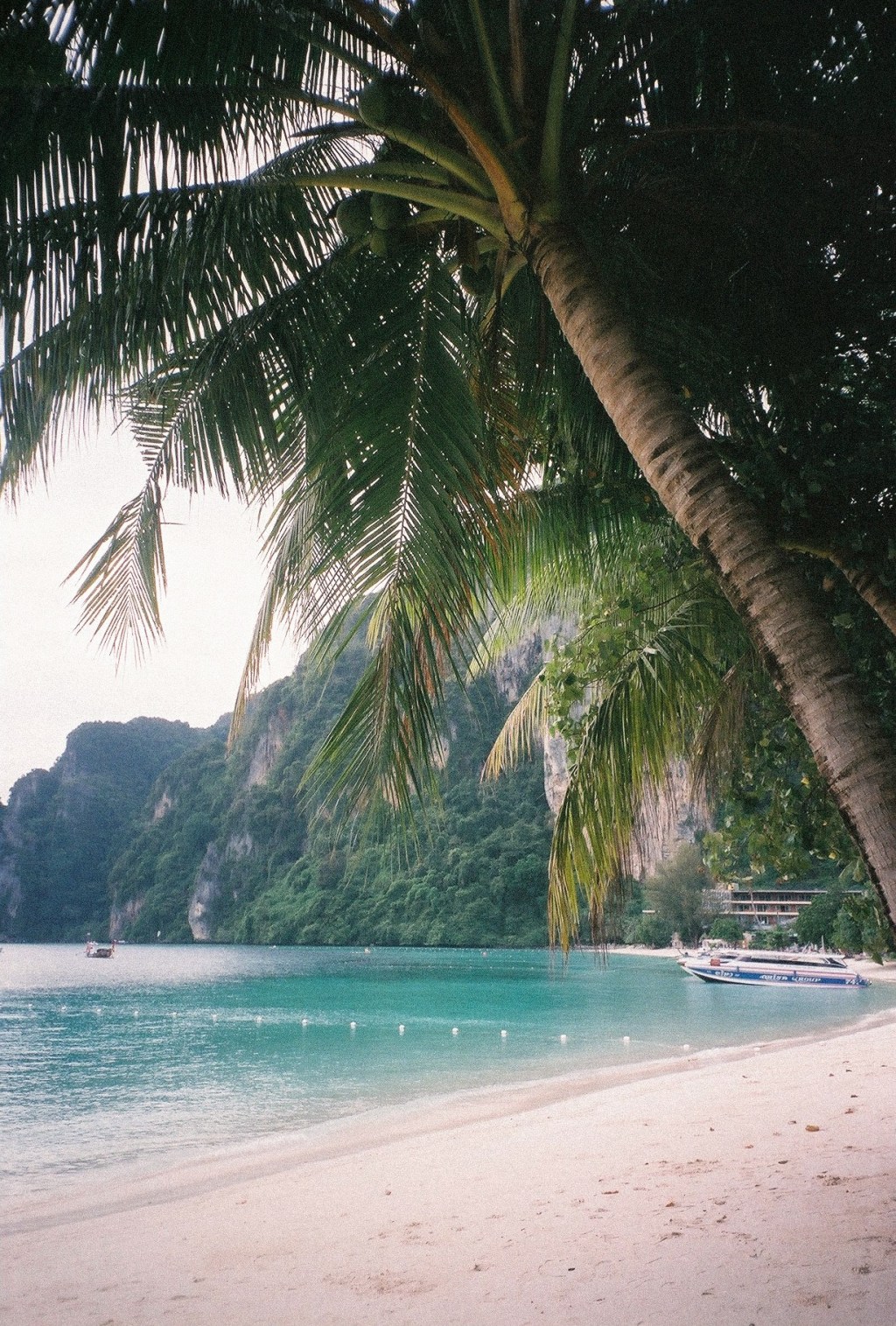
For a memorable experience, try getting a massage in a unique setting, like a beachfront shop on a Thai island. Imagine the sound of waves, a gentle breeze, and the soothing hands of a skilled masseuse—it’s pure bliss.
Where to Find the Best Massages in Southeast Asia
If you’re looking to experience the best massages in Southeast Asia, here’s a quick guide to some of the region’s top destinations for unique and authentic treatments:
Thailand
Thailand is the heart of massage culture and the birthplace of the renowned Thai massage. From bustling cities like Bangkok and Chiang Mai to the tranquil islands in the south, you’ll find countless options catering to all preferences and budgets. Many spas and massage shops pride themselves on carrying forward centuries-old traditions, making it an unmissable experience for travelers seeking authenticity.
Laos
In Laos, especially in towns like Luang Prabang and Vang Vieng, massage therapy is a reflection of the country’s tranquil and spiritual culture. Traditional treatments often incorporate similar techniques to Thai massages, but with their own local flair. Many spas here also offer relaxing oil-based massages and luxurious treatments at reasonable prices.
Vietnam
From the lively streets of Hanoi to the southern charm of Ho Chi Minh City, Vietnam offers a variety of massage experiences. Vietnamese massages often include pressure point therapy and cupping, blending traditional techniques with more modern approaches. These massages are known for being therapeutic and are a great way to recharge after exploring the country’s vibrant cities.
Indonesia
In Bali, massages are an integral part of the island’s wellness culture. Balinese massages focus on soothing strokes, aromatic oils, and a holistic approach to relaxation. Many spas are set in serene locations, such as lush rice paddies or near the ocean, offering an immersive and calming experience.
Cambodia
Cambodia’s massage culture is influenced by its history and spirituality. In cities like Siem Reap and Phnom Penh, you’ll find traditional Khmer massages that emphasize gentle stretches and acupressure. Additionally, Cambodia is famous for its fish spa treatments, where small fish nibble away dead skin from your feet—a fun and unique experience for travelers.
The Cultural Takeaway
Massage culture in Southeast Asia offers more than just physical relaxation—it’s a gateway into the region’s traditions, beliefs, and way of life. Each massage session reflects the importance of wellness, energy balance, and healing in the local culture.
By experiencing a massage in Southeast Asia, you’re not only treating your body but also immersing yourself in a rich cultural tradition. Whether you’re seeking spiritual connection, physical healing, or simply a moment of peace, the massage culture here offers something for everyone.
Final Thoughts
Finding the right massage shop can feel overwhelming, given the sheer number of options. But with a little research and a respectful approach, you’ll quickly discover why Southeast Asia is considered the massage capital of the world.
Remember to take your time, choose a service that suits your needs, and soak in the experience. Whether it’s a traditional Thai massage in Bangkok, an aromatic oil massage in Bali, or a pressure-point therapy session in Vietnam, every massage offers a unique blend of relaxation and cultural immersion.
Happy traveling, and enjoy every moment of your massage adventure!
 Livslifeoncam
Leave a comment