
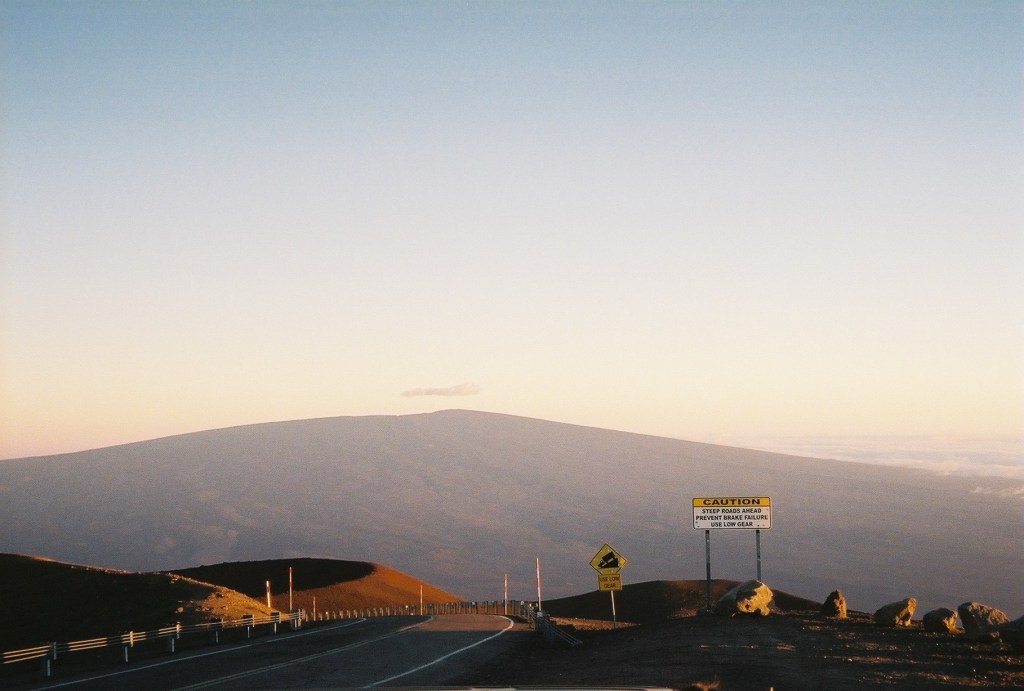
We all dream of traveling the world, experiencing different cultures, and making unforgettable memories. But let’s be real—traveling can get expensive, especially if you’re not mindful of your spending. Post-COVID, travel has surged in popularity, and with that, more people are looking for ways to explore the world on a budget. The good news? There are plenty of ways to make your money stretch while still having an incredible adventure.
I’ve been budget backpacking for three years, visiting destinations like Thailand, Fiji, London, Japan, Hungary, and more. While some of these places are known for being more expensive than others, I’ve always found ways to make my travels affordable without sacrificing amazing experiences. So, whether you’re planning a long-term backpacking trip or just looking for ways to cut costs on your next vacation, here are my top five ways to save money while traveling!
1. Stay in Hostels or Try Camping

Accommodation is often one of the biggest expenses when traveling, especially if you’re going solo. Hotels and Airbnbs can be pricey, particularly in major cities, popular towns, and coastal destinations. If you’re traveling with friends or a partner, splitting the cost can help, but if you’re solo, budget-friendly alternatives are key for saving money.
Hostels are one of the best options for budget travelers. Even if you don’t want to stay in a dorm, private rooms in hostels are usually much cheaper than hotels, and still offer all the benefits of a hostel. Plus, many hostels offer free breakfast, Wi-Fi, drinking water, and even organized activities—helping you save even more. Not to mention, they’re great for meeting like-minded travelers, and leaving with lifelong friends.
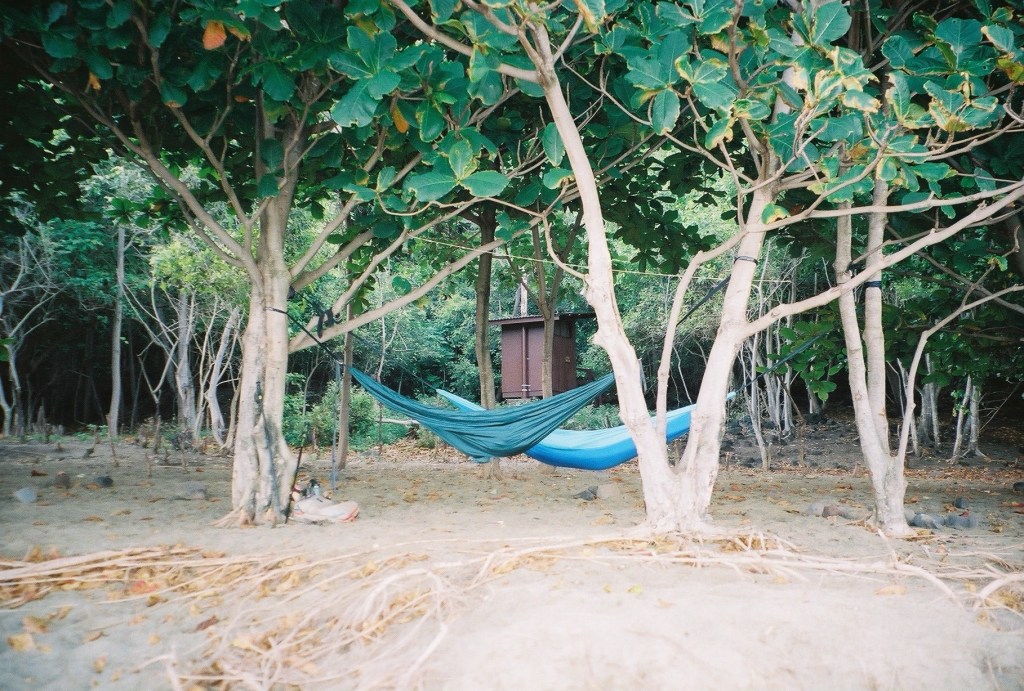
Another option, depending on where you are, is camping. Many campsites around the world cater to travelers by providing tents, mattress pads, and basic facilities, allowing you to enjoy a unique stay without carrying your own gear. While you’ll still pay for a campsite, it’s often significantly cheaper than a hotel or Airbnb. Although camping is only available by season Snd destination, it’s a truly authentic and adventurous experience.
If you’re comfortable stepping out of your comfort zone, avoiding fancy hotels and all-inclusive resorts can save you hundreds—sometimes even thousands—of dollars over the course of your trip. I have stayed in dozens of different hostels, and campsites, and my experiences there are always more memorable than a nice hotel.
2. Try Work Exchanges and Volunteering
One of the most unique and immersive ways to travel while saving money is through work exchanges and volunteering. These opportunities allow you to work for a few hours a day in exchange for free accommodation—and sometimes even free meals, bike rentals, laundry services, and more!
There are several platforms to find these experiences:
• Worldpackers (my personal favorite)
• Workaway
• WWOOF (focused on organic farming)
• Facebook groups dedicated to volunteer opportunities
These programs connect travelers with hosts worldwide, offering experiences ranging from working at hostels and eco-lodges to teaching English, farm work, and even social media management. You can find many different types of work that cater towards your passions and skills!
The best part? You’re not just saving money—you’re also connecting with locals, learning new skills, and experiencing a place in a way that typical tourists don’t. Some hosts allow you to stay for as little as a week, while others welcome volunteers for several months. It’s flexible, affordable, and an incredible way to make your travels more meaningful.
If you have never done a work exchange before, I highly recommend starting with world packers. They are a reputable organization, with so many different hosts, and different levels of support for their travelers.
3. Cook Your Own Meals & Eat Street Food
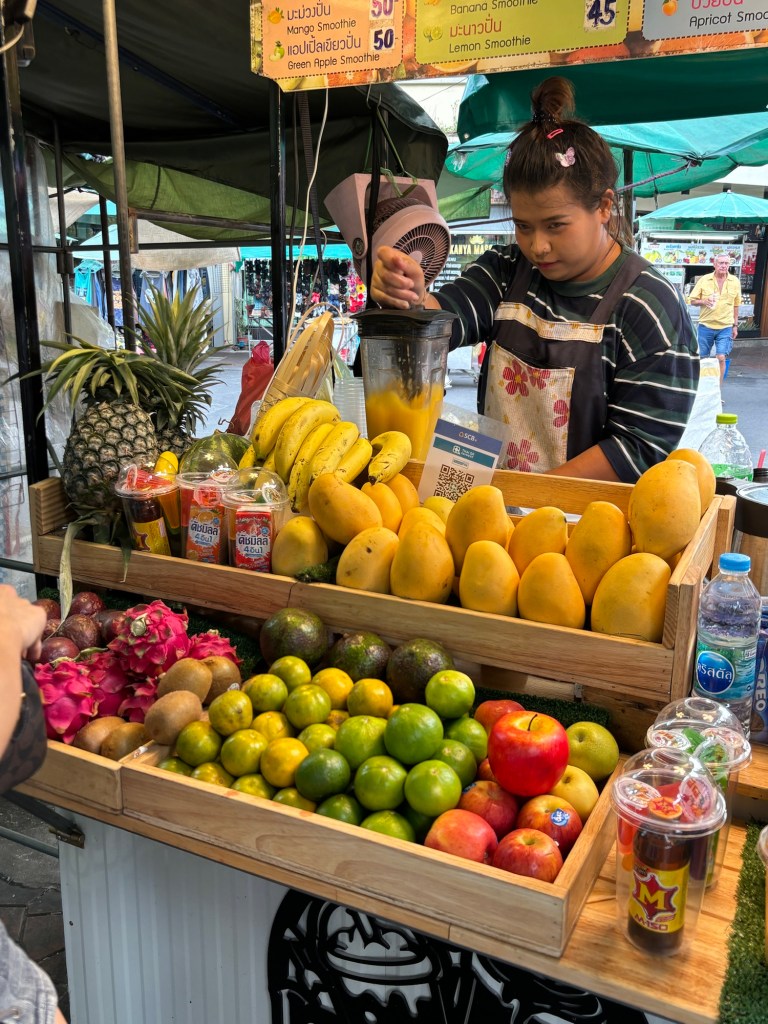
Food can be another major travel expense, but there are easy ways to cut costs without missing out on delicious meals.
First, avoid overpriced restaurants that cater to tourists. If a place looks trendy or has an Instagram-worthy aesthetic, chances are, it’s going to be expensive. Instead, look for local hole-in-the-wall eateries and street food vendors—they usually offer the most authentic and affordable meals. To stay safe, watch where locals eat, check food hygiene, and opt for places with high turnover.
If you have access to a kitchen (which many hostels and Airbnbs offer), cooking your own meals is a great way to save. Shopping at local markets can be a fun cultural experience, and preparing a few meals yourself helps you eat healthier while keeping your budget in check. Even making just one or two meals per day instead of eating out can make a huge difference over time.
Also find a balance with alcohol! Drinking and going out can be one of the easiest and fastest ways to go through your budget. Drinks, entrances to bars and clubs, and taxis and Ubers to and from the bar or club get quite expensive. Try to limit your intake of alcohol, and have some relaxing nights in to balance the cost of going out!
4. Seek Free Activities & Avoid Tourist Traps
When you arrive in a new city, the first things you Google are often the most popular attractions—which, unfortunately, also tend to be the most expensive. While some touristy experiences are worth it, many are overpriced and inauthentic. Instead, focus on free or low-cost activities that allow you to truly experience the destination.
Some of my favorite free ways to explore a new place include:
• Walking tours (many cities offer free ones with local guides—just tip at the end!)
• Hiking, exploring nature, or going for a run in a new city!
• Visiting local markets
• Window shopping in unique neighborhoods
• Talking to locals and asking for their recommendations
• Checking out free museums or cultural events
Many of the best experiences I’ve had while traveling weren’t planned or found in a guidebook—they came from spontaneous adventures, local recommendations, or simply wandering around a new place with no set agenda.
5. Stay Away From Tourist Hotspots
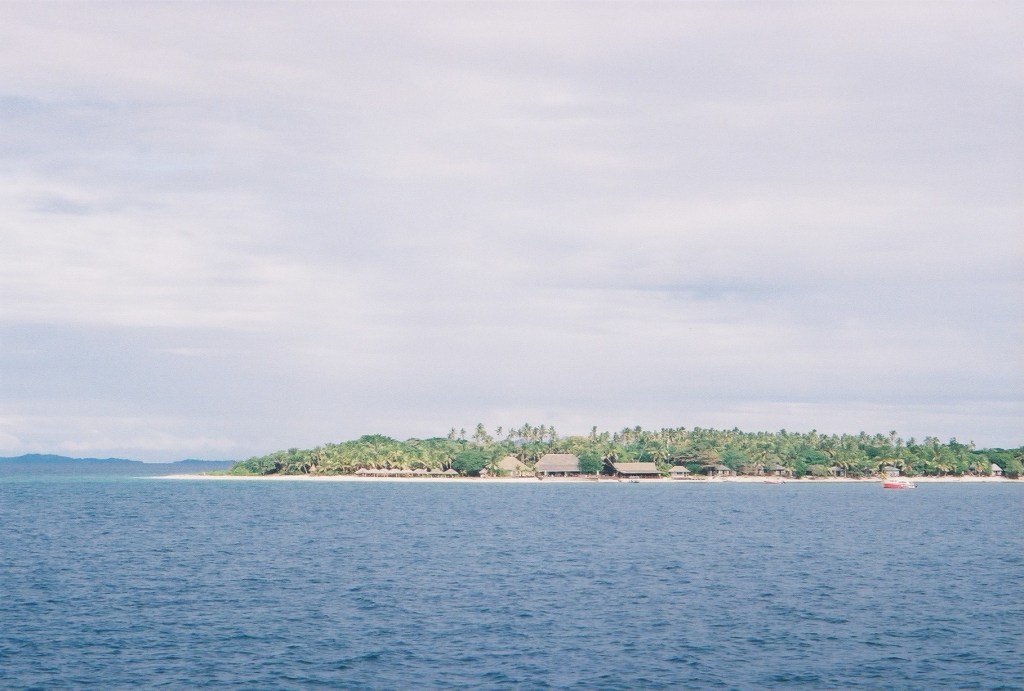
This one might sound counterintuitive because, let’s be honest, touristy areas are often popular for a reason. But they also come with inflated prices—for food, souvenirs, activities, accommodation and even transportation.
If you want to save money, try venturing just a little outside the main tourist hubs. Sometimes, moving even 10–15 minutes away from a city center can lead you to more affordable restaurants and accommodations. In some cases, choosing a smaller town or a lesser-known area instead of a major tourist destination can make your entire trip significantly cheaper.
Of course, some famous spots are worth visiting, but you don’t have to spend all your time (or money) in them. Instead, balance your trip with hidden gems, local experiences, and more affordable alternatives that way you can travel for longer!
Final Thoughts
Saving money while traveling doesn’t mean sacrificing great experiences—it just means being smart about where and how you spend. By choosing budget-friendly accommodations, finding work exchanges, cooking when possible, avoiding overpriced tourist traps, and exploring more off-the-beaten-path locations, you can stretch your money further and travel for much longer.
I’ve used these strategies to backpack across the world, and they’ve allowed me to see incredible places without stressing out about my money and spending habits. Whether you’re a budget traveler or just looking to cut costs on your next trip, I know these tips will help you make the most of your adventures and allow you to continue traveling on a smaller budget!
 Livslifeoncam
Leave a comment