
This might sound a little crazy at first—why would I visit a place in its off-season? Isn’t there a reason it’s called the off season? Won’t the weather be bad? Will everything be closed? All valid questions, and I totally understand the hesitation. Especially when we’re talking about destinations that experience real seasonal changes and unpredictable weather patterns.
But let me explain why traveling to a place during its off-season can actually be a great idea—and sometimes even better than going during peak times. There are quite a few underrated benefits that might just change the way you think about planning your next trip.
Let’s start with the main question: why visit a place in the off-season?
Well, there are several good reasons.
Fewer People
One of the best parts about traveling in the off-season is the lack of people. Seriously, this alone is a total game changer—especially in places that have become wildly popular in recent years. When you visit during peak season, you’re not just going to see the destination—you’re going to see it with crowds of tourists doing the exact same thing as you. And let’s be honest, that can totally kill the vibe.
Take Europe in the summer, for example. It’s become such a craze that even the smallest towns are packed. The places that are advertised as quiet, peaceful, or “hidden gems” often turn out to be anything but. You’re shoulder to shoulder with strangers, waiting in line for overpriced gelato, stuck behind people trying to get the perfect photo, and dodging tour groups that feel more like stampedes.
You won’t get that dreamy moment where you’re alone on a beach, watching the sunset with space to breathe. Instead, you’ll be stepping over towels, hearing five different languages yelled into phones, and trying to mentally block out the chaos. You’ll be waiting in line for a seat at that one Instagram-famous café, only to find out it’s not even that good. And to top it off, people can be rude—especially when they’re spending a ton of money and expect everything to go perfectly.
It’s honestly exhausting. You end up spending more time navigating crowds than actually enjoying the place you came to see. You’ll look around and realize it’s not even locals anymore—it’s just tourists, everywhere. And that magic moment you were hoping for? Yeah, it gets lost in all of that.
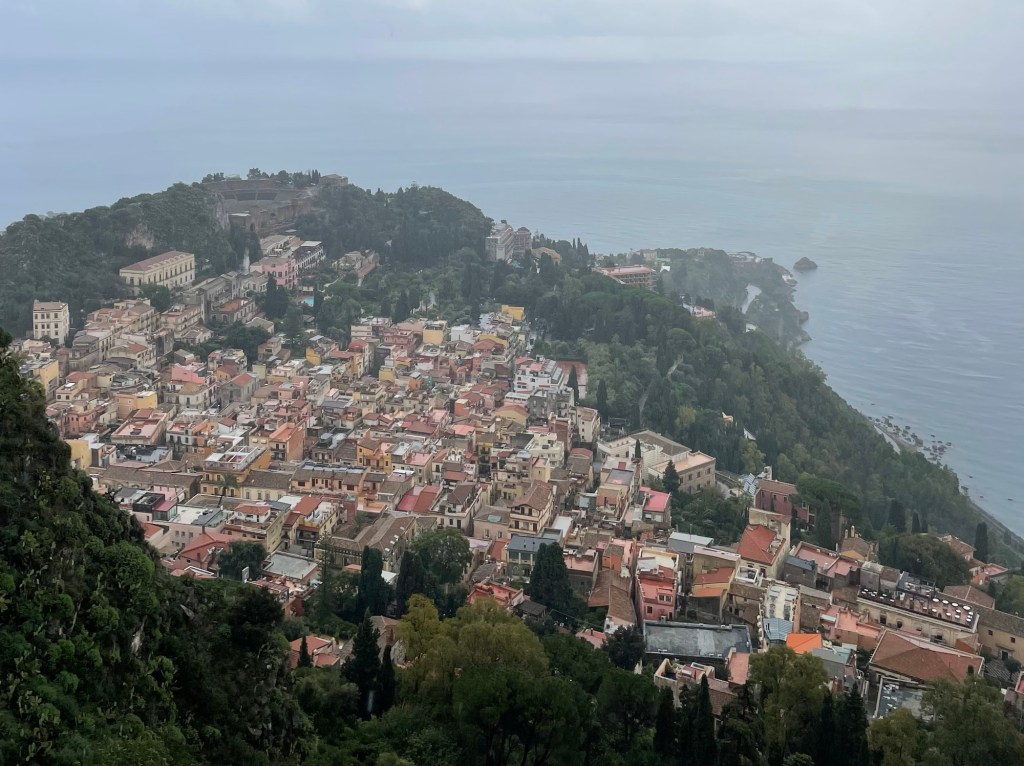
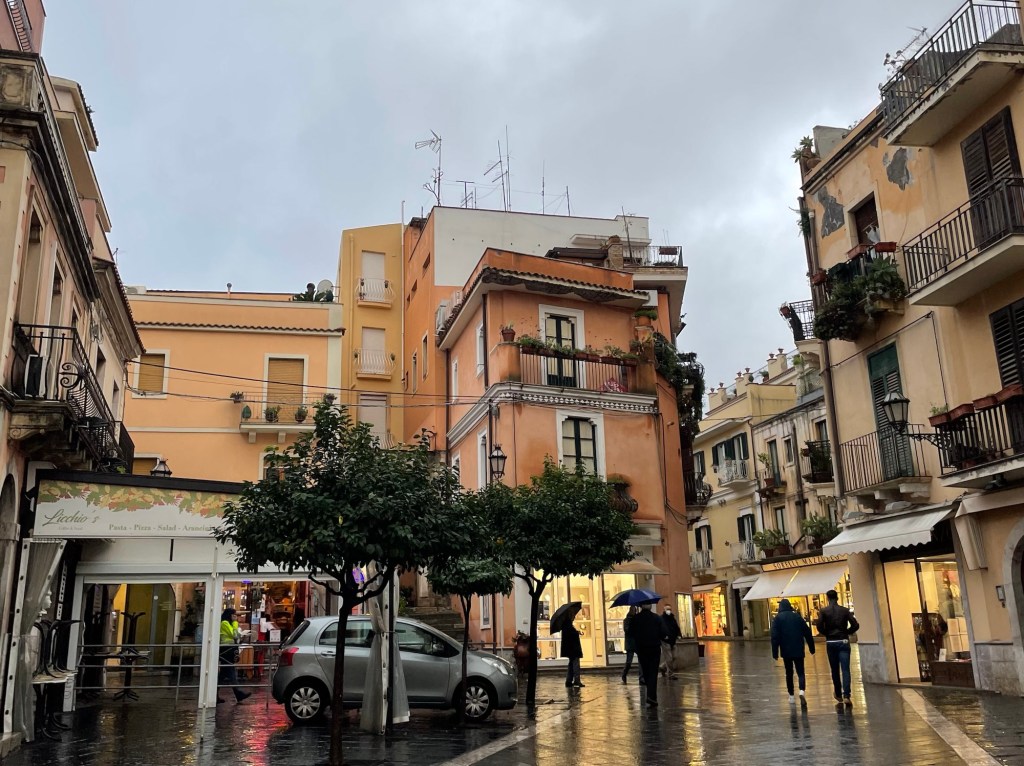
But when you travel in the off-season? Everything changes. I went to Sicily in the off-season, and even though it was cold and rained most days, it was incredible. We had the freedom to explore without anyone around us. No crowds. No chaos. Just space—to think, to move, to actually take in where we were.
We barely ran into any other tourists. Viewpoints were empty, restaurants were quiet, and every experience felt real—like it was just for us. We didn’t have to plan our day around avoiding lines or wake up at 6am just to beat the rush. It was calm, it was smooth, and it reminded me why I love to travel in the first place.
Off-season travel gives you back the ability to connect—to the place, to the culture, and to the moment. And honestly, I’ll take a rainy, peaceful trip over a hot, overcrowded one any day.
Better Prices
Another major perk of off-season travel? The prices. From accommodation and food to flights and local transport, everything tends to be noticeably cheaper when you’re not traveling during peak season.
During high season, prices skyrocket—because they can. Hotels know they’ll be fully booked regardless, restaurants raise their prices because tourists will still line up, and flights are often double or even triple the cost just because there’s more demand. It’s simple supply and demand. People are willing to pay more to travel during popular times of year, and businesses take full advantage of that.
But when you travel in the off-season, that demand drops—and so do the prices. Hotels and hostels lower their rates to attract the few travelers who are still coming through. You can find deals on transportation, better prices on tours, and more flexibility in general. Even restaurants sometimes offer promotions or specials that you’d never see in the middle of high season. I’ve scored private rooms in amazing hostels for the price of a dorm bed just because it was the low season.
Some places even adjust their prices based on the day of the week or whether there’s a local event or holiday going on. Weekends might be slightly more expensive than weekdays if there’s a surge of local tourism, but overall, traveling in the off-season gives you way more opportunities to save. And if you’re traveling long-term or on a budget, those savings really start to add up.
Being smart about when you go can seriously stretch your money further. You’ll be able to do more, stay longer, or splurge on experiences that might’ve been out of budget otherwise. So if you’re someone who’s trying to make travel sustainable—financially—it just makes sense to aim for the off-season.
More Authenticity
One of my favorite things about off-season travel is how much more authentic the experience feels. When the crowds are gone and the pace slows down, you start to see a different side of a place—one that feels more real, more genuine, and honestly, way more special.
During the off-season, you’re not just another face in a sea of tourists. Locals aren’t overwhelmed or burnt out from the constant rush of people, so they actually have the time and space to connect with you. They might stop to chat, share a story, or even invite you to check out a place that’s totally off the beaten path. You end up discovering those little hidden gems—like a tucked-away café, a family-run restaurant, or a local event you never would’ve found otherwise.
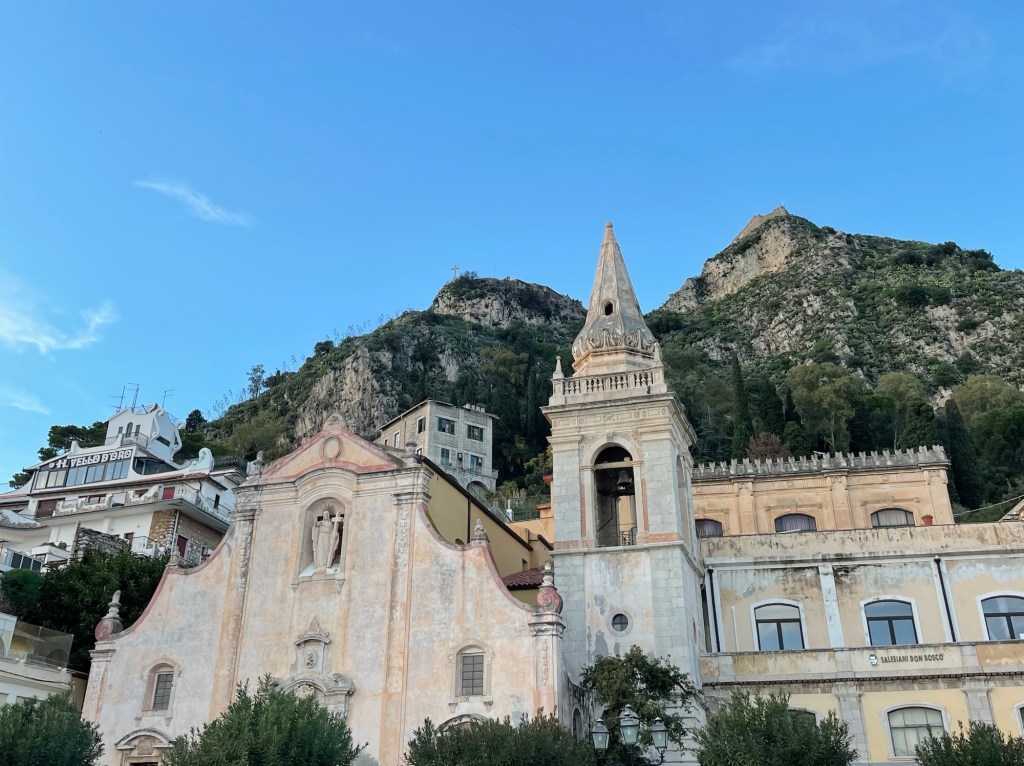
When we traveled through Sicily in the off-season, we had restaurants open their doors just for us. I’m talking about places that would’ve otherwise been closed for the day—owners welcoming us in, preparing special dishes, and treating us like guests rather than customers. There was no rush, no pressure. Just good food, warm conversation, and a real sense of connection. It felt like being invited into someone’s home, not just eating at a restaurant.
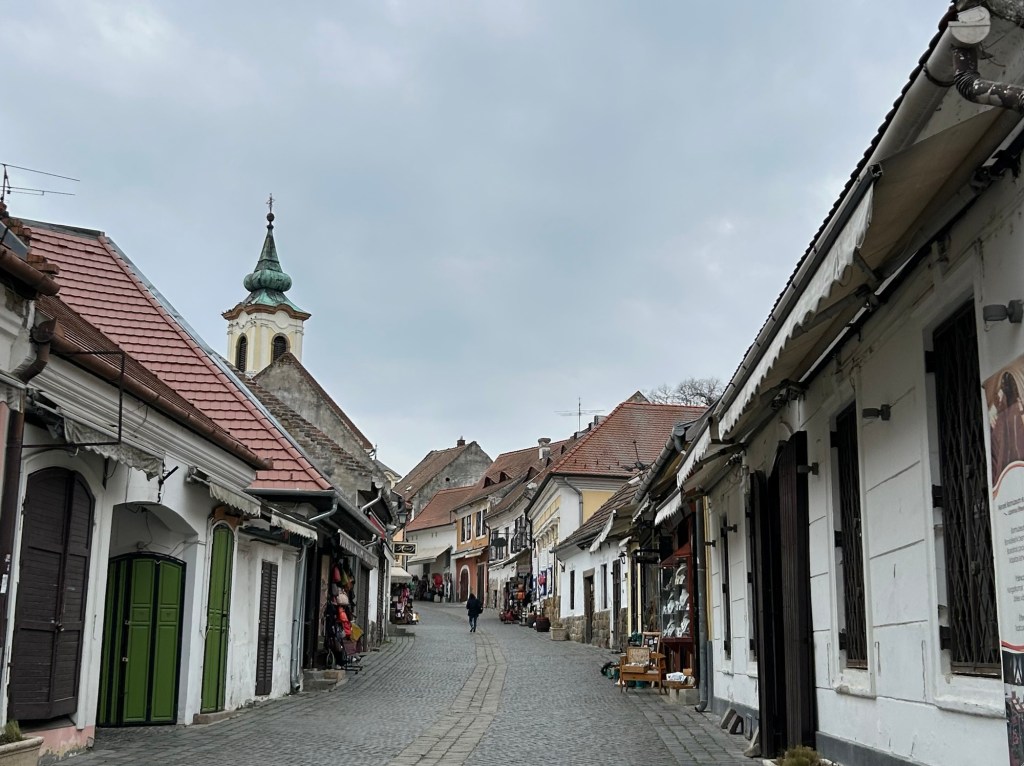
When I traveled through Eastern Europe in the off-season, I noticed the same kind of thing. I had the chance to explore places that were quiet and local—not taken over by tour groups or packed with people taking photos. The experiences felt more genuine. It wasn’t about checking off a list of tourist spots—it was about being there and noticing what life was really like.
When you’re not fighting your way through a crowd or being herded from place to place, you get to slow down and truly take it all in. You witness how people live—how they shop, eat, and spend time with friends and family. You’re not just observing a destination—you’re stepping into it.
Off-season travel removes the performance and brings you closer to the culture. You feel it in the conversations, the slower pace, and the moments that just unfold naturally. That’s the kind of travel that sticks with you.
Better Service and Hospitality
Another big benefit of traveling in the off-season is the level of service and hospitality you receive. Locals are usually more relaxed, more attentive, and more open to conversation when they’re not being overwhelmed by constant waves of tourists.
During peak season, it’s easy for locals to get burned out—especially those working in hospitality. I know this from experience. I worked in a touristy spot for three years, and during the busy season, it got really overwhelming. You’re constantly dealing with entitled guests, nonstop demands, and huge crowds day in and day out. After a while, it takes a toll, and you stop showing up with the same energy you might have during slower times.
But in the off-season, it’s a completely different story. People aren’t drained from three months of non-stop tourism. They’ve had time to breathe and live their normal lives, and because of that, they’re often more present and genuinely happy to welcome you. Whether it’s the person at reception, a waiter, a tour guide, or a shop owner—they’re more likely to give you their full attention, go the extra mile, and offer something special.
They’ll take the time to talk with you, make genuine recommendations, or even show you something a typical tourist wouldn’t see. There’s space for connection, not just transactions. It’s one of the best ways to actually feel the warmth and culture of a place—and it just doesn’t happen the same way when everyone’s burnt out and rushing through the high season madness.
Supporting the Locals
One of the best things about traveling in the off-season is how much you’re actually helping the locals. In places that rely on tourism, the off-season can be a really tough time for people. They don’t have the same steady flow of visitors, and businesses that usually thrive during peak season can really struggle to stay afloat.
When you travel in the off-season—even if it’s just for a short trip—you’re making a big difference. Your money goes a lot further and means a lot more to the locals who rely on that income. They’re used to a quieter season, so when you show up, even just as one person or a small group, it feels like a boost.
What’s special about this is how much appreciation you get in return. They’re not just seeing you as another tourist—they see you as someone who’s helping them through a tough time. You can feel that in the way they treat you, in the extra care they put into their services, and in the genuine conversations you have.
Plus, traveling off-season means you’re supporting the entire local economy. Instead of just a few popular spots getting all the attention, more businesses get the chance to stay open, keep their staff, and continue offering something unique. It’s a win-win. You get a more authentic experience, and they get a little extra help to keep going until the next busy season rolls around.
In the end, it feels good knowing that you’re not just taking from a place, but also giving something back—especially when the people really appreciate it.
Easier to Book Last Minute

Lastly, one of my favorite parts about traveling in the off-season is how much more flexible everything becomes. I’m someone who likes to keep my plans open—I don’t always want to book everything in advance or have my entire itinerary locked in before I even arrive. I love the freedom of being able to go with the flow, decide where to go next based on how I feel, and just take it day by day.
When I’m traveling in the off-season or in lesser-visited places, this kind of flexibility is totally doable. I can book a hostel the day of, switch cities last minute, or decide to stay longer in a place I love without worrying if there will still be space. It takes so much pressure off and lets me actually enjoy the trip, rather than stressing about planning every little detail weeks in advance.
But during high season, it’s a totally different story. Everything gets booked up so quickly—especially the good stuff. I’ve traveled during peak times before and missed out on tours I was really excited about because they were sold out. I’ve been in places where I wanted to extend my stay but couldn’t because there weren’t any beds left. It’s frustrating when your plans are limited simply because everything is so full.
High season doesn’t leave much room for spontaneous adventures. If you’re the kind of traveler who likes to be more go-with-the-flow, traveling during the off-season makes things so much easier. You’ll have more options, more freedom, and a lot less stress trying to lock things down in advance.
Final Thoughts
At the end of the day, there are definitely pros and cons to traveling in the off-season. The biggest challenge by far is the weather. It might be rainy, cold, or just a little unpredictable depending on where you’re going. That’s something you’ll want to be prepared for—bring the right gear, adjust your expectations, and be open to going with the flow. Weather can affect transportation, activities, and overall vibe, so it’s important to factor that in.
But even with that in mind, the benefits of off-season travel are seriously underrated. From fewer crowds, better prices, and more authentic experiences to improved hospitality, flexible planning, and the chance to genuinely support locals—it can completely transform the way you experience a place. You often get to see the real side of a destination, not just the polished, touristic version that comes out during peak season.
Off-season travel may not be for everyone, and that’s okay. But if you’re someone who values connection, calm, and a more personal kind of adventure, I really recommend giving it a try at least once. It might just change the way you think about travel altogether.
 Livslifeoncam
Leave a comment