
When most people hear “Indonesia,” their minds instantly go to Bali—an island known for its beaches, yoga retreats, rice terraces, and vibrant nightlife. Bali has become of a well known name for travelers around the world, and for good reason. But what many people don’t realize is that Bali is just one tiny piece of a country made up of over 17,000 islands—each with its own distinct culture, language, cuisine, and rhythm of life.
Indonesia is one of the most diverse countries in the world. As you move from island to island, it can sometimes feel like you’re entering a completely new country. Different languages are spoken. Different religions are practiced. The food changes, the traditions shift, and the landscapes evolve—from volcanoes and dense jungles to chaotic cities and quiet fishing villages. While there is a shared sense of Indonesian identity throughout the archipelago, every region has its own unique atmosphere and culture.

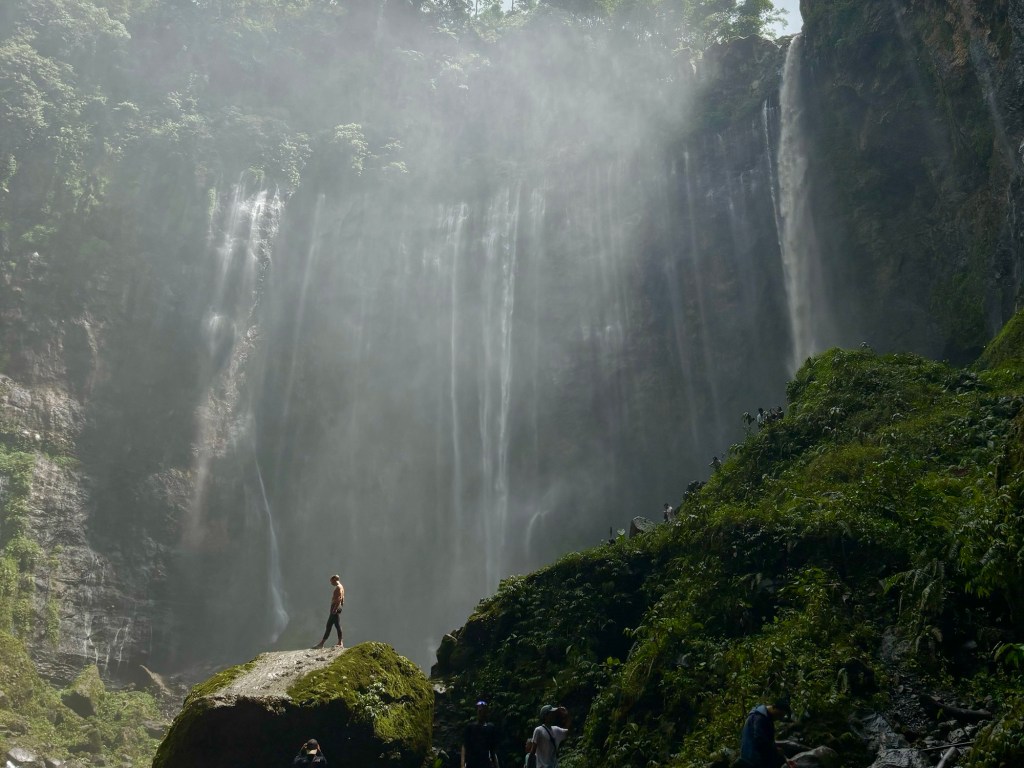
That’s why I chose to venture off the typical tourist trail and spend three weeks exploring Java—the heart and soul of Indonesia. Java is home to over 150 million people, making it the most populated island on Earth. It’s where you’ll find Indonesia’s capital city, Jakarta, and other major urban hubs like Yogyakarta. But Java is not just cities and crowds—it’s also home to some of the most breathtaking natural wonders I’ve ever seen, from smoldering volcanoes and ancient temples to hidden waterfalls,
What struck me most during my time on Java was the sheer diversity of experience. In each region, I encountered different dialects of Indonesian and Javanese, different cultural values, and different culinary traditions. Every city, every town, every conversation brought something new.
If you’re heading to Indonesia, I can’t encourage you enough to go beyond Bali and discover the magic of Java. It’s a place that surprised me, challenged me, and left me in awe more times than I can count. In this guide, I’ll share my personal Java itinerary, including the must-see places, local experiences you shouldn’t miss, and tips to help you travel smart, stay safe, and soak up all the amazing things this island has to offer.
Depending on where you’re coming from, you can explore Java in either direction. If you’re arriving from Bali, it makes sense to start in East Java and work your way west. If you’re coming from Sumatra or flying in from abroad, Jakarta is likely your starting point. Since I flew in internationally, beginning my journey in Jakarta was the most practical choice—and from there, I worked my way east across the island.
Jakarta (1–2 days)
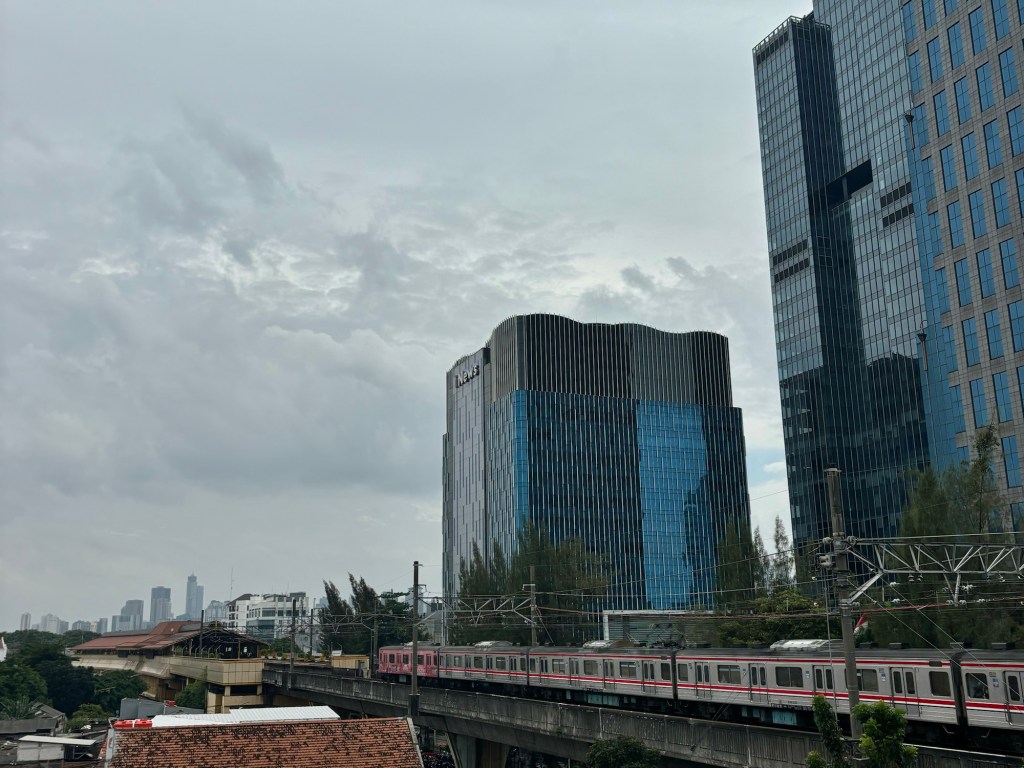
Jakarta is Indonesia’s chaotic, energetic capital—and one of the most densely populated urban areas in the world. It can feel overwhelming at first, with its intense traffic, buzzing streets, and towering skyscrapers. But it also offers a fascinating introduction to the complexity and diversity of Indonesia.
Jakarta is a convenient starting point for your Java journey, especially if you’re flying in internationally. Its airport, Soekarno-Hatta International, is one of the busiest in Southeast Asia, with plenty of connections across the region and around the world. It’s a good place to land, rest, and get your bearings before diving deeper into the island.
Personally, I only spent one night here—big cities aren’t really my vibe—but I still appreciated the energy of Jakarta. If you’re interested in history, architecture, or urban life, the city has plenty to explore. There are some great walking tours available during the day, especially around Kota Tua (the old town), where you can learn about Jakarta’s Dutch colonial past and get a sense of how the city evolved.
This is also a great spot to begin your culinary adventure through Java. Grab a plate of freshly cooked nasi goreng (Indonesian fried rice) from a street vendor, or settle into a cozy café with a kopi susu (sweet iced coffee). Food lovers will appreciate the variety here—from warungs (small local eateries) to stylish restaurants serving up modern takes on traditional dishes.
One thing to keep in mind: the traffic in Jakarta is no joke. It’s notorious for its congestion, so make sure to plan your transport and taxi rides with plenty of buffer time.
If you’re looking for a great budget-friendly place to stay, I recommend Konko Hostel Jakarta. It was clean, comfy, well-located, and just what I needed to get a solid night’s rest before heading east to continue my journey across Java.
Yogyakarta (at least 3 days)
Next up is Yogyakarta—or Jogja, as most locals call it—a vibrant, creative city located about a 10-hour journey from Jakarta. It’s a hub of culture, art, and history, and definitely one of the highlights of Java.
I took an overnight bus here because the trains were fully booked due to a holiday at the time. That said, if you can snag a train ticket, Java’s train system is one of the best ways to get around the island. The routes are scenic, comfortable, and efficient. If you do opt for a bus, don’t worry—many offer pod-style or lie-down seats, which make the journey surprisingly comfortable.
Pro tip: Use the Traveloka app to book your transport. It’s an Indonesian app that handles trains, buses, ferries, flights, and even accommodation. Super easy to use and perfect for getting around the country.
Yogyakarta itself has a special charm. It’s a busy city, but unlike Jakarta, it trades skyscrapers and intense traffic for street art, historic architecture, and a laid-back, creative energy. You’ll find hip cafés, colorful alleyways, and artsy neighborhoods around every corner. I ended up staying here longer than planned because I got sick and needed to rest—but honestly, it wasn’t a bad place to slow down.
I’d recommend spending at least 3 full days here. That’ll give you enough time to soak in the city, enjoy some amazing food, and explore a couple of major sights just outside the city:
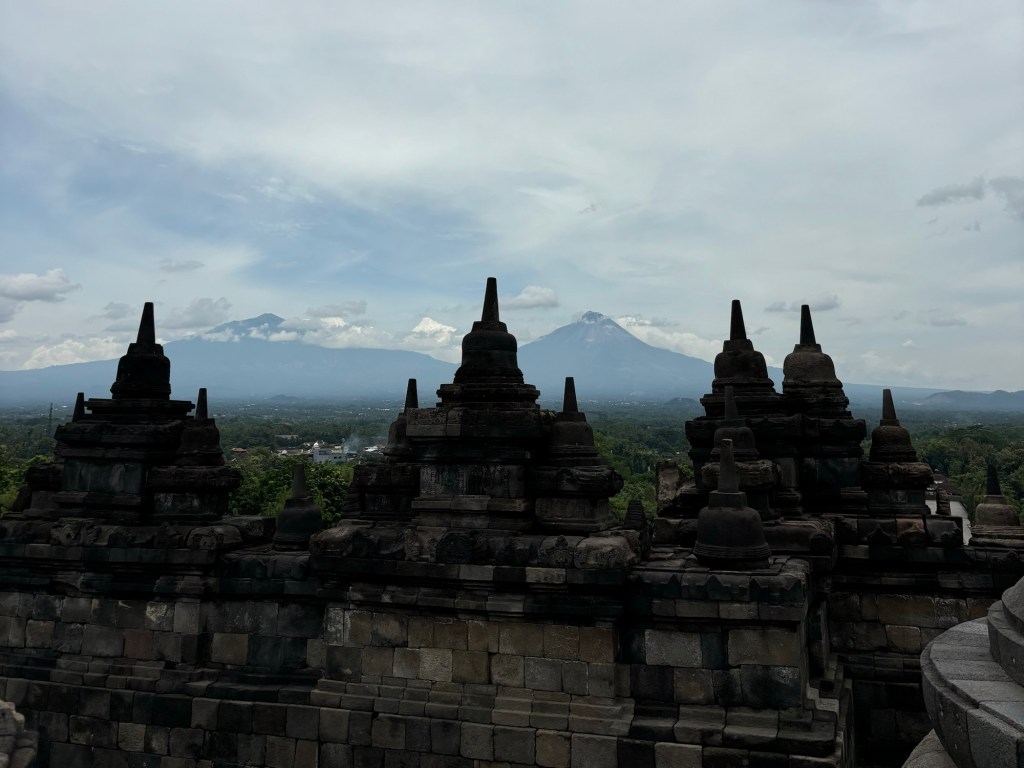
• Borobudur Temple: This is the largest Buddhist temple in the world and an absolute must-see. The ancient stone carvings, sprawling terraces, and surrounding jungle create a magical atmosphere—especially at sunrise. You can even see the nearby volcanoes rising in the distance, which makes the whole experience feel surreal.
• Prambanan Temple: On the opposite side of the city is this impressive Hindu temple complex, known for its towering spires and intricate carvings. It’s just as awe-inspiring in a completely different way. Both temples can be visited by tour, scooter rental, or even through Grab or Gojek—Indonesia’s local taxi apps that are super affordable and easy to use.

One of the most unforgettable experiences I had in Yogyakarta was visiting Mount Merapi, the most active volcano in all of Indonesia. You can see the volcano from various points in the city, but nothing compares to getting up close. I joined a nighttime lava tour led by a local who lives in the last village near the eruption zone. He took us deep into the national park, where we witnessed glowing red lava tumbling down the mountain—an absolutely wild and humbling experience. If nighttime isn’t your thing, you can also do a sunrise jeep tour, which is another epic way to see Merapi up close.
Back in the city, there’s still so much to do. Take a walk through the Kraton (royal palace), visit the bustling Malioboro Street for shopping and local eats, or chill in one of the many coffee shops and learn how they roast the famous Java beans. If you’re craving nature, head south to explore beaches like Parangtritis, rent a scooter and chase nearby waterfalls, or just enjoy some downtime in the city.
Where to Stay:
Yogyakarta has amazing budget accommodation options, and I tried a few that I’d absolutely recommend:
• HUBS Hostel – A peaceful, minimalist hostel right in the city center. Great for solo travelers who want quiet vibes and a clean space to unwind.
• Regantris Malioboro – A budget-friendly hotel with comfy private rooms and a free buffet breakfast—perfect if you need some personal space to recharge.
• Los Manos Hostel – Super social, welcoming, and relaxed. It has a pool, awesome staff, and a great atmosphere for meeting other travelers.
All of these places were super affordable, so it really comes down to the vibe you’re looking for—whether you want chill, community, or comfort.
Village Life! (At least 1 day, or more if you can)

One of the most meaningful parts of my time in Java was spent far away from the tourist trail—in a quiet, humble village just outside the city of Temanggung, about 2 hours from Yogyakarta. I spent a full week living with a local host family through a work exchange I arranged on Worldpackers, and it honestly ended up being the heart and soul of my time on the island.
This was real, rural Java—where time moves slower, the air is fresher, and every moment is rooted in community and tradition. I helped teach English to local kids in a tiny classroom and spent the rest of my time learning far more than I ever expected. I arrived during Ramadan, which meant I got to witness the celebration of Eid firsthand. The sense of joy, connection, and spiritual devotion during this time was so beautiful to be a part of, even as an outsider.
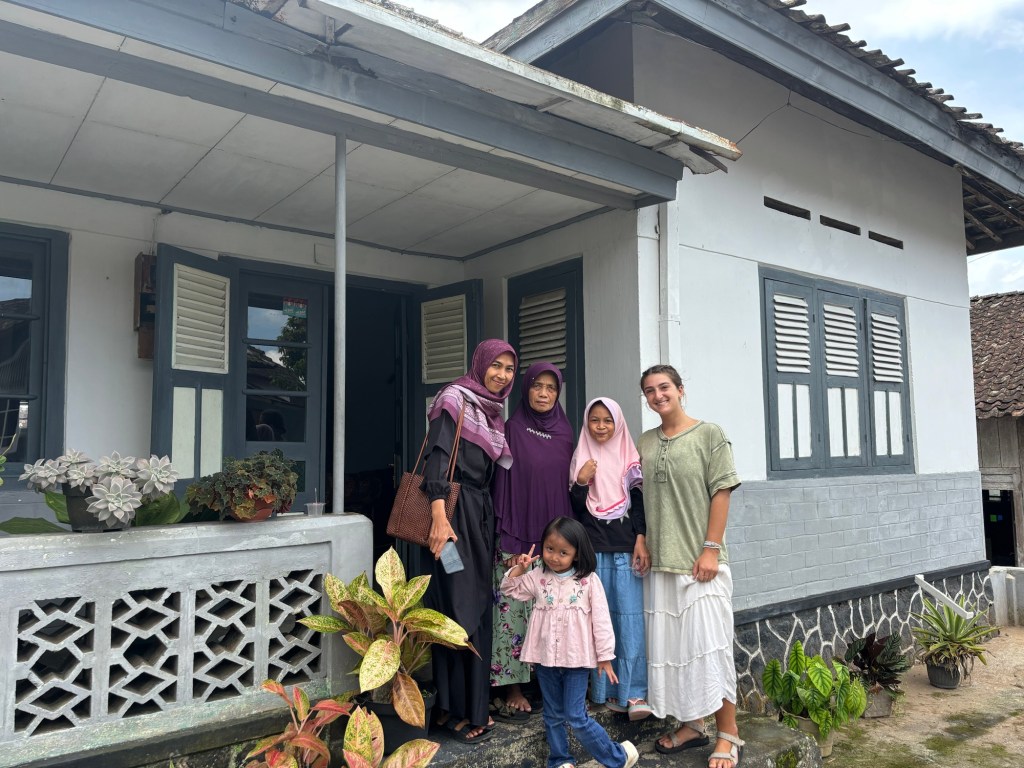
I learned so much about Islamic culture, about hospitality and daily life in the village—from the way people cook and pray, to how they grow and produce their own food. I watched how tofu and tempeh were made from scratch. I wandered through lush green rice fields, joined neighbors for home-cooked meals, and was invited into dozens of homes, each one offering a warm smile, a hot plate of food, and endless cups of sweet tea.
Even if you’re not doing a homestay or work exchange, visiting Temanggung or another small village in the region is absolutely worth your time. It offers such a refreshing contrast to Java’s cities and tourist hotspots—and lets you see a completely different side of Indonesia.
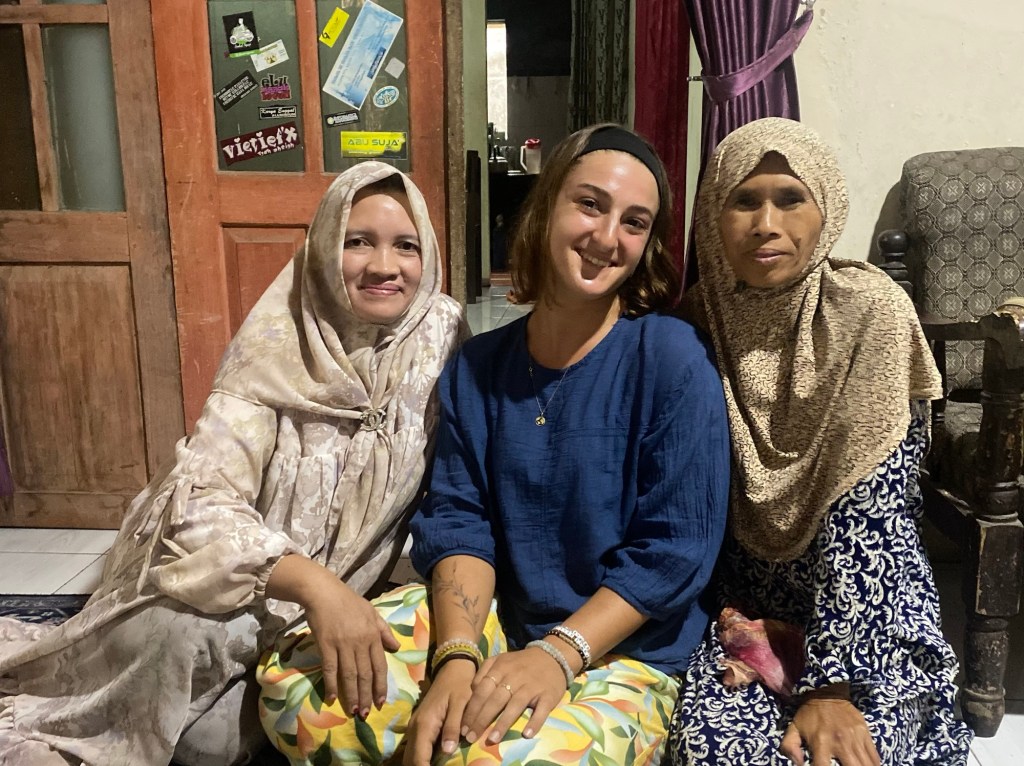
Just a note: this is a very conservative and traditional area, so dressing modestly and being culturally respectful is really important—especially if you’re a woman. Long pants, long sleeves, and a headscarf (even if just while teaching or in certain homes) go a long way in showing respect.
Temanggung town itself is small but charming. You can spend a day exploring the town center, trying local dishes, and chatting with the incredibly friendly locals. And trust me, if you look like a foreigner, you will stand out—in the best way. Don’t be surprised if people come up to you just to say hello, ask where you’re from, or even ask to take a selfie with you. It’s all part of the genuine curiosity and excitement that comes with being in a place that sees very few tourists.
This part of my trip gave me a whole new appreciation for Indonesia and its people. It reminded me of the power of human connection, the richness of simplicity, and how much we can learn from stepping into someone else’s world. If you have the time, I highly recommend seeking out an off-the-beaten-path village experience like this while traveling Java. It may just be the part you remember most.
Malang (at least 2 days)

Next up is the city of Malang—a great spot to base yourself for exploring two of the most incredible natural sites in East Java. I took the bus here from Yogyakarta (about a 10-hour ride) because the trains were booked out, but trains are usually the better option if you plan ahead. They run well and are super comfortable for the long distances across Java.
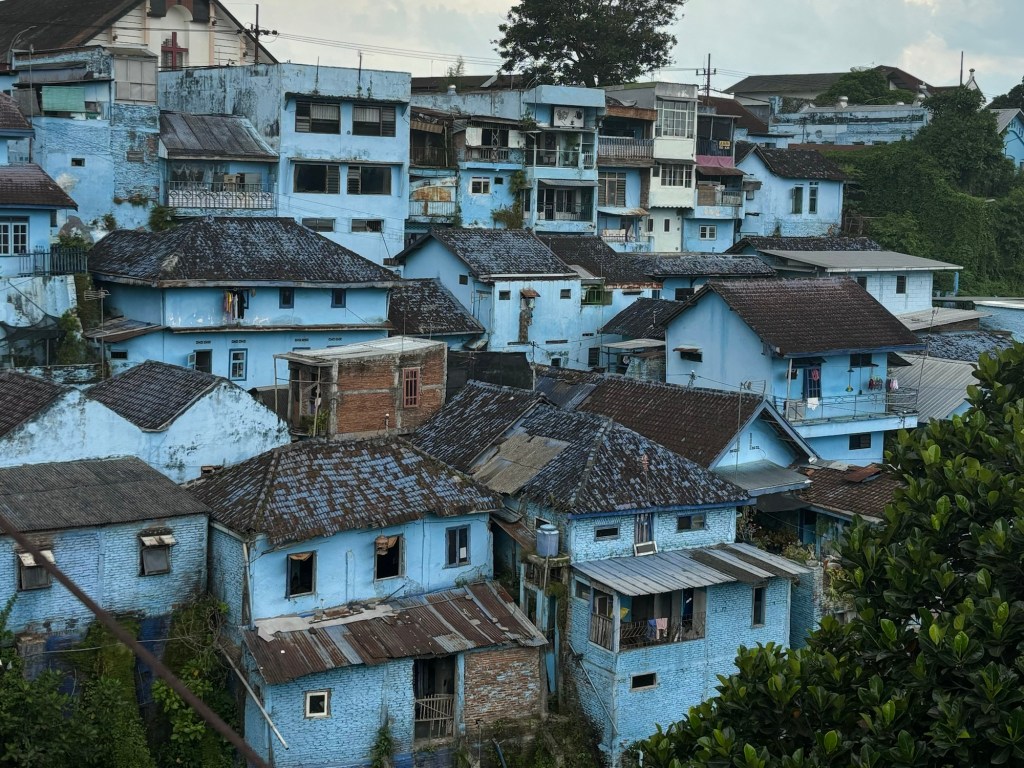
Malang is a smaller, more laid-back city compared to Yogyakarta or Jakarta, but still has its own charm. One of the coolest things to check out in the city are the colorful villages—Kampung Warna-Warni and Kampung Biru Arema. These villages are full of bright murals, painted houses, and narrow alleyways to wander through. You only have to pay around 10,000 IDR to enter, and they’re such a fun place to explore for a couple hours. There’s so much color and life packed into these little corners of the city.
Malang also has a bunch of great cafes and local spots to eat. If you’re into coffee, food, or just hanging out somewhere chill for a few hours, the city center has plenty to offer.
But the real reason to come to Malang? It’s what’s just outside the city that’s really wild.
Tumpak Sewu Waterfall – The Niagara Falls of Indonesia

This was one of the most mind-blowing places I’ve ever been. Tumpak Sewu is about 1.5–2 hours from Malang, and it’s seriously worth the trip. The top viewpoint gives you a panoramic shot of dozens of waterfalls crashing into a lush green canyon—and if the weather’s clear, you can even see Mount Semeru towering in the distance.
But the best part? Hiking down to the base. The trail is steep, wet, and involves some makeshift bamboo ladders and river crossings—but it’s an adventure, and totally doable if you’re up for a little climb. Once you get to the bottom, the waterfall is just massive. Mist everywhere, jungle vibes, and the sound of the water pounding around you—it’s unreal.
I recommend hiring a local guide when you get there (especially if you’re going on your own). They know the safest paths, take amazing photos, and help make the whole experience even better. I booked a full tour through MADOR Hostel, which I highly recommend. It’s super affordable, social, and they organize everything for you.
Mount Bromo Sunrise Jeep Tour

This is another must-do if you’re in Java. The Mount Bromo sunrise tour is a bit intense—you leave at 12:30 AM in a jeep, but it’s 100% worth the early wake-up. You’ll drive out to the viewpoints in Bromo Tengger Semeru National Park and get there just in time for sunrise. Watching the sky light up over the smoking crater, with layers of volcanoes and misty mountains around you, is something I’ll never forget.
After sunrise, you’ll drive across the Sea of Sand, hike up to the top of Bromo’s crater, and get to look down into the volcanic smoke—it’s such a wild experience. The whole tour is super scenic and gives you such a different side of Java.
Where to Stay in Malang
If you’re looking for an awesome place to stay in Malang—definitely check out MADOR Hostel. This place was such a win. It’s super affordable, has a really social vibe, and is a great spot to meet other travelers who are also heading out to explore Bromo and the waterfalls. It’s also really close to the train station, which makes getting in and out of the city super convenient.
What I loved most about MADOR is that they make planning your adventures ridiculously easy. They offer a bunch of well-organized tours, and you can book everything directly through them. I did both the Tumpak Sewu waterfall tour and the Bromo sunrise tour with them and had an amazing experience both times.
They even offer a 3-day adventure package that includes Bromo, Tumpak Sewu, and then continues east to Mount Ijen before ending in Bali—which is such a solid option if you’re looking for a smooth and adventurous way to travel across East Java without stressing about logistics.
Whether you’re staying a few nights in Malang or using it as a launchpad to head further east, MADOR Hostel makes it super easy, comfortable, and fun.
If you’re into epic nature, volcano views, and off-the-beaten-path waterfalls, Malang is definitely worth a stop. The city itself is super chill, and it’s the perfect launchpad for two unforgettable adventures. Whether you’re chasing waterfalls or watching a volcano wake up the day, this part of Java is packed with magic.
Banyuwangi (2 days)

This is it—the last stop in Java before crossing over to Bali. Banyuwangi is such an underrated gem. It’s a small, charming city that offers the perfect spot to either start or wrap up your Java journey. Compared to the rest of Java, it’s much more chilled, and the town has a relaxed vibe with some nice spots to eat, wander, and soak in the local atmosphere.
There are some gorgeous beaches nearby where you can unwind, and if you’re up for exploring, you can hop on a boat to a few small islands just off the coast. You can also head out to the Baluran National Park, which honestly feels like you’ve been dropped into a slice of Africa with its wide savannah-like landscape, wild deer, and views of Mount Baluran in the distance. It’s a total change of scenery and such a cool contrast to the rest of the island. If you’re craving solitude, there are also remote beaches in the area where you can just chill, read, and feel completely off-grid.
But of course—the real reason most people make their way to Banyuwangi is to experience Mount Ijen.
Hiking Mount Ijen: A Once-in-a-Lifetime Experience
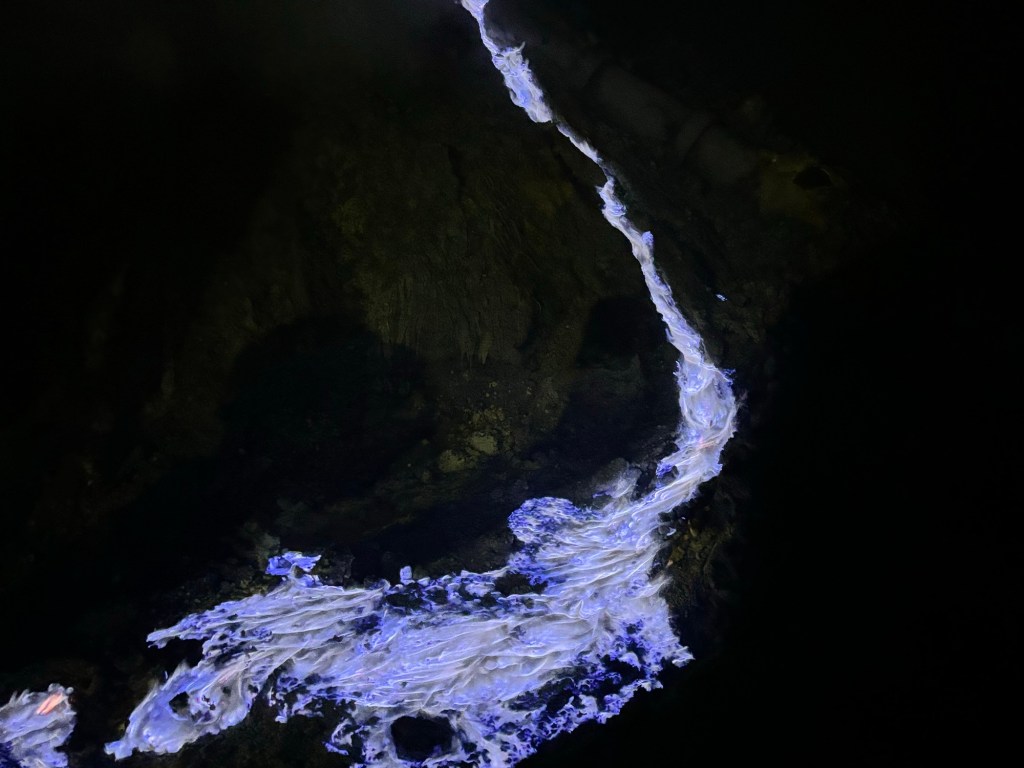
Let me tell you—Ijen is absolutely unreal. It’s home to one of the rarest natural phenomena on Earth: blue fire. Only two places in the entire world have it—here in Java, and in Ethiopia. So if you’re already in the area, don’t miss it. Ijen is one of those travel moments that sticks with you forever.
I stayed at Revive Hostel by Snooze, and I can’t recommend it enough. The hostel is super clean and modern, with a lovely kitchen, cozy dorms, and some of the nicest staff I met in Java. They made booking the Ijen tour super easy and I felt like I was in good hands the whole time.
The tour kicks off just after midnight—classic Java adventure style. First, you’ll stop to get a quick health check and certificate (required to hike), and then drive up to the base of the volcano. The trail opens around 2 AM, and from there, it’s about a 1-hour uphill hike to the crater rim. It’s a steep but steady climb—totally doable, but definitely bring layers and a headlamp.
Once you reach the top, you descend into the crater with your gas mask on. The sulfur smoke is no joke—it’s strong, and it stings your eyes if you’re not careful. But then, right in the heart of the darkness, you’ll see it: blue flames flickering from the earth. It’s surreal. You’re watching fire burn blue in the middle of a sulfur mine, surrounded by silence except for the sound of gas escaping the ground. It’s wild.
After that, you’ll climb back up out of the crater just in time to watch the sunrise over the turquoise crater lake. The views from the top are absolutely breathtaking—you can see the whole volcanic landscape and the clouds rising over the mountains. It’s pure magic. You’ll hike back down as the morning light comes in, and be back at the hostel before breakfast.
This experience wrapped up my time in Java in the most unforgettable way. It was the perfect mix of challenge, nature, and awe.
Final Thoughts on Java
Java surprised me in every possible way. It’s a place filled with epic adventure, lush landscapes, deep-rooted culture, and kind, generous people. From the chaos of Jakarta to the spiritual energy of Yogyakarta, the rice fields of the villages to the volcanoes that light up the night—Java is alive in every way.
If you’re planning a trip to Indonesia, please don’t skip Java. It offers a side of Indonesia that you just can’t get from Bali or the Gili Islands. It’s raw, it’s real, and it will challenge and inspire you in the best way.
 Livslifeoncam
Leave a comment