

Traveling can be both incredibly affordable and surprisingly expensive—it really depends on how you choose to spend your money. A short vacation often comes with a “treat yourself” mentality—think fancy dinners, boutique hotels, and paid tours packed into just a few days. But when you’re traveling long-term, that approach just isn’t sustainable. Whether you’re on the road for a few months or trying to make travel a lifestyle, it becomes essential to track your spending, set limits, and decide what’s worth the splurge and what’s not. Managing your money on the road isn’t about being cheap—it’s about being intentional. You start to notice where your money goes, what you actually value, and how little things can add up fast.
After traveling on and off for three years and now consistently backpacking full-time for the last eight months, I’ve developed a rhythm in my spending habits. I’ve learned what’s worth investing in for my happiness and comfort, what I can comfortably skip, and when I’m okay with going a little over budget for a memorable experience. Staying on the road long-term means making trade-offs, and over time, I’ve figured out what works for me. Of course, everyone’s lifestyle and financial situation is different—we all have different incomes, priorities, and spending styles. But if you’re someone who’s curious about how a 21-year-old full-time traveler makes it all work on a mostly budget-friendly lifestyle, here’s a breakdown of what I choose to spend on, what I don’t, and how I find balance to keep traveling as long as possible.
Things I Do Choose to Spend Money On
Let’s start with the things I intentionally and consistently choose to spend money on while traveling. These aren’t luxury splurges or once-in-a-while indulgences—they’re the little everyday choices that help me stay healthy, comfortable, productive, and happy on the road. These are the priorities I’ve identified over time, the things that genuinely add value to my day-to-day life and keep me grounded while constantly moving.
Coffee
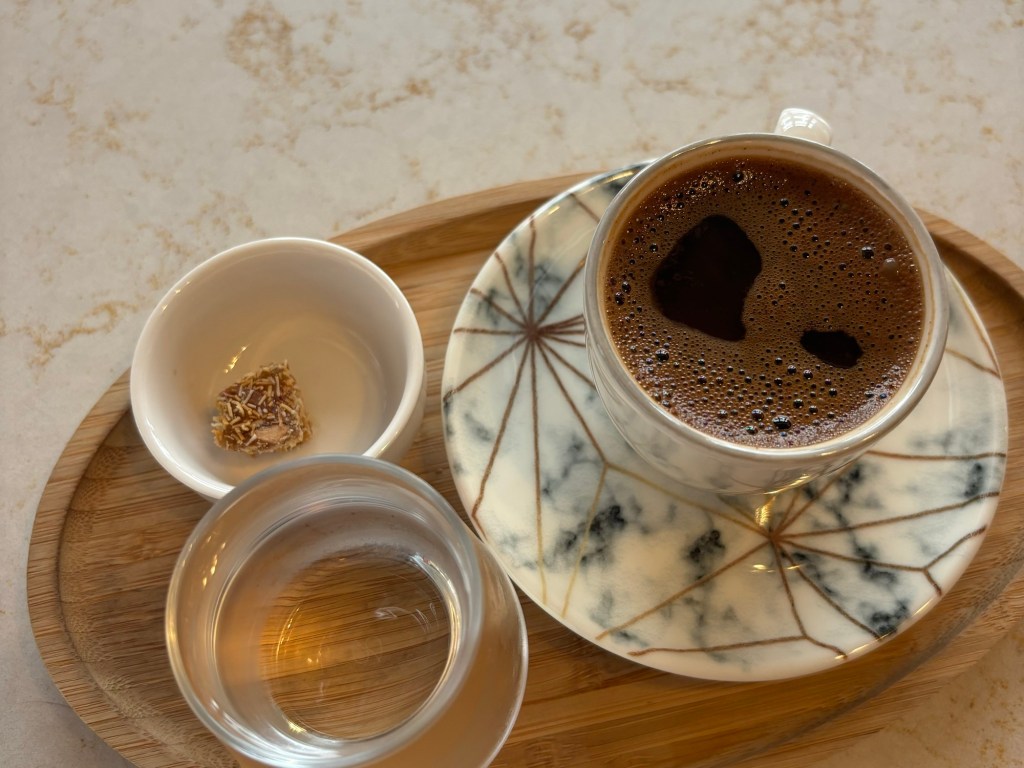
One of the biggest (and most non-negotiable) parts of my daily routine is coffee. Some travelers might skip out on this expense or make do with instant coffee at the hostel, but for me, a cup of coffee is more than just caffeine—it’s a ritual. Whether it’s starting my morning with a quiet moment at a cozy café, trying a local specialty brew, or using that café time to journal, work, or plan my day, coffee has become a small but meaningful comfort that I refuse to give up. I don’t usually splurge on overpriced lattes or trendy drinks, but I also won’t cut corners so much that I miss out on something that brings me joy and structure. Some days it’s a $1 espresso in Southeast Asia, other days it’s a slightly more expensive flat white in Europe—but either way, it’s part of my travel lifestyle that I happily budget for.
Coffee also ties into a bigger theme in my spending: choosing experiences and routines that support my well-being and mindset. Even small routines like this help bring familiarity to unfamiliar places, and that’s something I’ve learned to value deeply as a long-term traveler.
Hostels

Next up—hostels. I stay in hostels and shared dorm rooms about 99% of the time while traveling. The only real exceptions are when I’m camping, staying with a friend, or booking a private room because I’m sick and need rest and privacy. Hostels are by far one of the most budget-friendly accommodation options, but beyond just saving money, they offer so much more value than people often realize.
For one, hostels aren’t just a place to sleep—they’re an experience. Many offer free breakfasts, daily events, walking tours, family dinners, and even group activities like hikes or pub crawls. That alone can save you money on food and entertainment. But what I love most is the social aspect. As a solo traveler, staying in hostels gives me an instant community. I’ve made so many friends just by walking into a dorm room or joining a free hostel tour. It’s also a great way to split other travel costs—like taxis, food, or day trips—with people you meet.
I only opt for hotels or private stays when I truly need to, and even then, I make sure it’s still within a reasonable budget. If I didn’t stay in hostels, I wouldn’t be able to afford long-term travel the way I do. Accommodation is often one of the biggest expenses on the road, so keeping it affordable is essential for me. Plus, over time, I’ve learned how to find hostels that are not only cheap, but also clean, safe, and social—which makes all the difference in feeling at home wherever I go.
Healthy Food
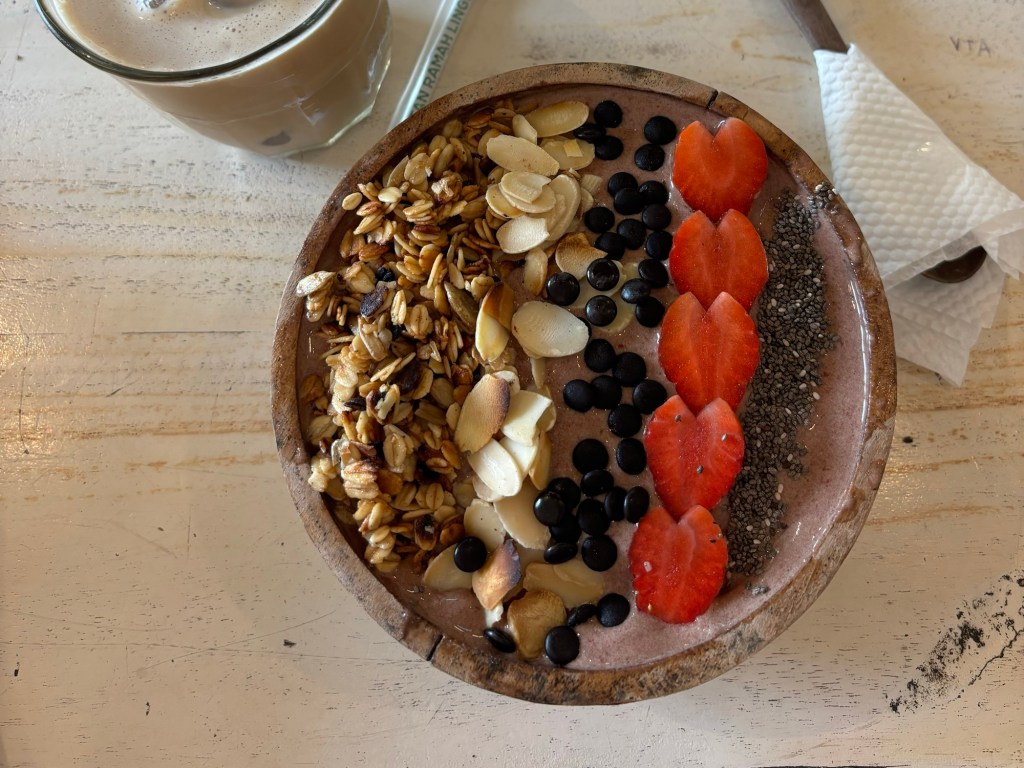
One of the biggest priorities I’ve developed while traveling long-term is taking care of my physical health—and a huge part of that starts with what I eat. It’s incredibly easy to find cheap food while traveling, especially in countries where street food and fast food are the most budget-friendly options. But often, those meals are deep-fried, high in sugar or salt, and made with low-quality ingredients. While they might be easy on the wallet, they’re not always kind to your body.
That said, I definitely still indulge from time to time. Sometimes a plate of fries, a buttery pastry, or a carb-heavy street snack is exactly what I’m craving—and I believe in enjoying those moments guilt-free. But whenever possible, I try to eat in a way that supports how I want to feel. I make an effort to incorporate fruits, vegetables, plant-based proteins, and whole foods into my meals. This helps me feel more energized, clear-headed, and balanced, especially on busy travel days or when I’m moving through multiple cities in a short time.
In some places, healthier or plant-based meals—like smoothie bowls, vegan cafés, or organic restaurants—can be more expensive than the typical local street food. But for me, it’s a worthwhile investment. Spending a little more on quality meals is part of how I take care of myself while living a lifestyle that can often feel unpredictable. My energy, focus, and overall mood are all better when I’m fueling my body with good food—and that makes every bit of extra spending totally worth it.
Massages/Self care
This isn’t something I do every day—or even every week—but it’s definitely something I try to incorporate into my routine every month or so: a good massage. In many parts of Southeast Asia, and even in certain countries in South America and Eastern Europe, massages can be incredibly affordable—especially when compared to the high prices back home. While I don’t indulge in this regularly, I do see it as an important form of both physical and mental self-care, especially during long stretches of travel.
When you’re constantly carrying around a 20kg backpack, sleeping in less-than-ideal positions on overnight buses, hiking for hours, or simply being on your feet all day, your body starts to feel it. Travel is incredible, but it can also be physically exhausting. Over time, I’ve realized how important it is to give my body the chance to rest and recover. A massage every few weeks helps with exactly that. It’s a small luxury that makes a big difference in how I feel—physically, mentally, and emotionally.
In places like Thailand, Indonesia, or Vietnam, it’s not uncommon to find a high-quality one-hour massage for under $10. At that price, it becomes less of a splurge and more of a smart, affordable way to take care of myself. I always walk away feeling refreshed, reset, and more prepared to keep exploring. It’s one of those little things I budget for because I know it directly supports my well-being on the road.
Experiences
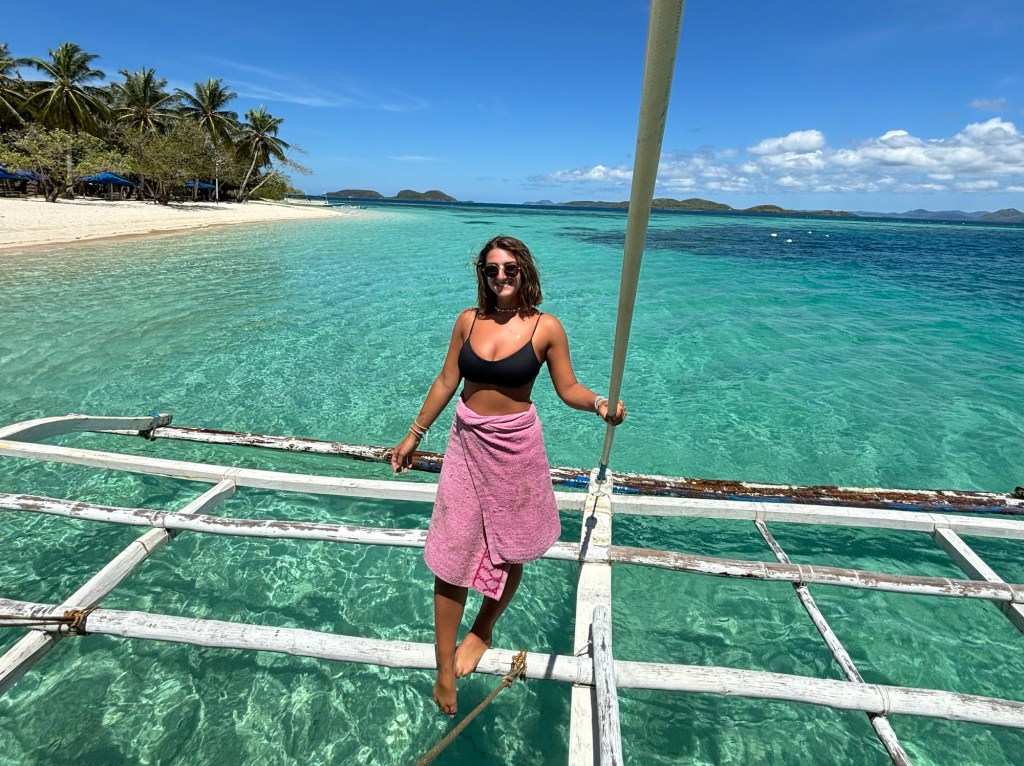
Next up—experiences. Now, that doesn’t mean I spend money on every single tour or activity that’s available the moment I arrive in a new place. I’m still a budget traveler at heart, and I’m mindful not to get swept up in every offer that comes my way. But after I’ve done a bit of research on a destination, figured out what excites me most, and looked into how I can make it happen, I decide which experiences are worth spending on.
Whether it’s a hiking tour through the mountains, a boat trip along a stunning coastline, a few days camping in nature, or even a local cooking class, I choose experiences that genuinely interest me and align with what I value. I’m not afraid to spend on something that feels special or unique to a place—especially if it’s something I might never have the chance to do again. These are the moments that stick with me far longer than any material purchase.
That said, I still try to keep things budget-conscious. I always look for affordable and reputable options—whether that means joining a group tour instead of a private one, booking through a trusted hostel partner, or asking locals for recommendations. It’s about finding that sweet spot where value, quality, and experience all meet.
At the end of the day, I’d rather skip a few restaurant meals or cut back on nonessentials if it means I can go scuba diving in a coral reef, hike to a volcanic crater, or learn to make a traditional dish with a local family. I’ve learned to spend intentionally—saving in the everyday moments so I can say yes to the adventures that make this lifestyle truly unforgettable.
SIM Card
One of the first things I do when arriving in a new country is purchase a local SIM card. It’s not about having endless data to scroll on TikTok while riding a bus through the countryside—it’s about peace of mind, safety, and staying connected when it matters most.
I don’t always opt for the largest data package. In fact, I often go for something small and affordable—just enough to get by for a few weeks. Most of the time, I rely on free WiFi at hostels, cafés, or co-working spaces for tasks that require a stronger connection or heavier data use. But when I’m out and about, especially in unfamiliar places or rural areas, having access to mobile data can be a game-changer.
Whether it’s pulling up Google Maps when I’m lost, contacting my accommodation for check-in info, or using a local taxi or ride-share app when I’m in a pinch, having a working SIM card gives me a sense of security. It’s one of those small, consistent costs I never skip out on, no matter how tight my budget is. In the grand scheme of things, the cost of a SIM is minimal—but the value it brings in terms of safety, navigation, and convenience is absolutely worth it.
For any traveler—especially solo travelers—staying connected isn’t a luxury, it’s a necessity. And for me, it’s one of the smartest and most essential purchases I make in every new destination.
Travel insurance
Last—but definitely not least—is travel insurance. This is without question a non-negotiable for me. No matter where I’m going or how long I plan to stay, I always make sure I’m covered. The reality is, when you’re on the road for months at a time, unexpected things will happen. And for me, they have—more times than I can even count.
I’ve ended up in hospitals with food poisoning, visited clinics with infections, and needed medical care in countries where I didn’t speak the language or know how the system worked. Without travel insurance, those situations would have been not only stressful, but financially devastating. Even something as simple as a short doctor’s visit or antibiotics can cost more than most travelers expect—let alone an emergency room visit or an overnight stay in a hospital.
Having reliable insurance has saved me hundreds—probably thousands—of dollars over time, and more importantly, has allowed me to get the care I need without hesitation. I don’t have to debate whether I can afford to see a doctor when I’m sick, or stress over the cost of treatment if something goes wrong. That peace of mind alone is worth every penny.
If you’re a long-term traveler, digital nomad, or even someone planning a big trip abroad, I can’t stress enough how important it is to be protected.
For anyone looking for reliable, flexible, and affordable coverage, I highly recommend SafetyWing’s Digital Nomad Insurance. It’s been a game-changer for me—designed specifically for people who live and work on the road, and it includes all the essentials without complicated policies or sky-high prices.
In the end, travel insurance isn’t just a smart choice—it’s a necessary one. And it’s one of the most important investments I make to keep myself safe, healthy, and able to keep exploring the world.
Things I Don’t Spend Money On (Or Rarely Do)
Let’s talk about the things I consciously choose not to spend money on while traveling. Again, there’s no shame in doing these things — they just don’t fit into my lifestyle or budget. Everyone has different priorities, and that’s what makes travel so personal. These are simply the areas where I cut costs so I can spend more on experiences that matter to me.
Alcohol

Alcohol is one of the first things I cut back on when it comes to travel spending. I might have a drink once a month or on a special occasion — maybe a friend’s birthday, a beach party, or a night where it just feels right. But drinking regularly? It’s not for me.
It’s not just the cost of the drinks — which can really add up in certain countries — it’s all the extras that come with it. Think late-night snacks, cover charges to get into clubs or bars, and the inevitable taxi or Uber ride home. And for what? A night I might not even remember clearly and a next day that’s completely thrown off by a hangover.
Travel is all about the mornings for me — watching the sunrise, exploring a new city, going for a walk or hike. I don’t want to miss that because I’m recovering from a wild night out. Sure, I’ll have the occasional fun night, but overall, alcohol just doesn’t feel worth it most of the time — physically, mentally, or financially.
Hotels
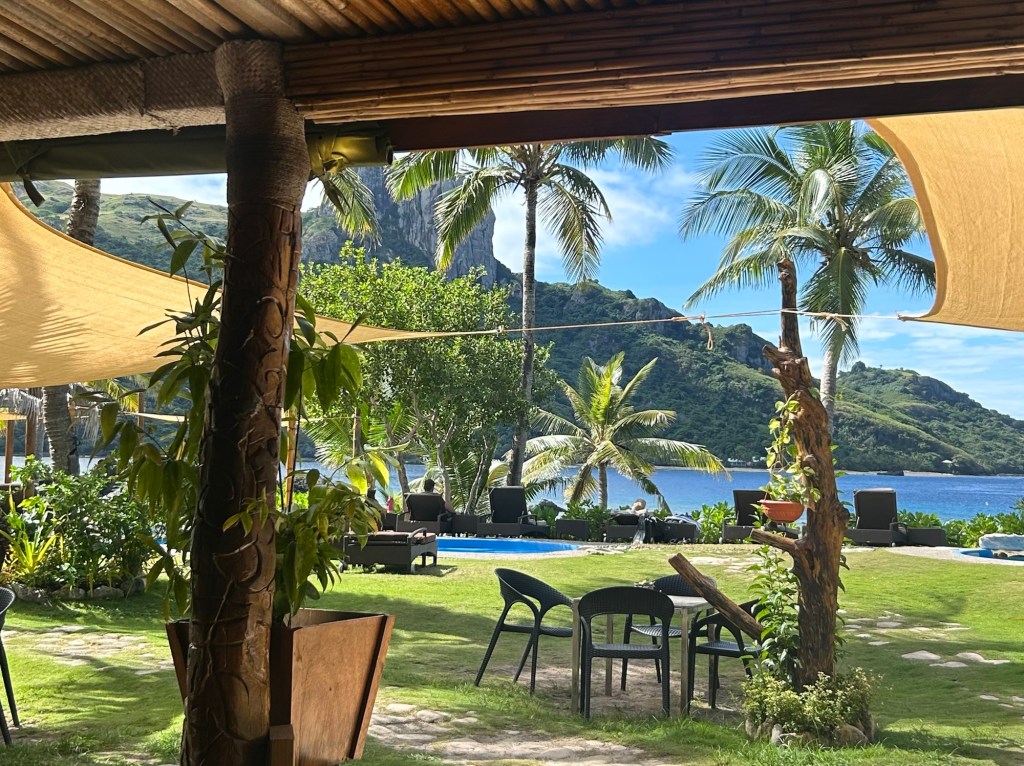
Hotels are usually a no-go in my travel plans. They’re not just expensive — they often feel lonely and closed off. I’d rather stay in a hostel, homestay, or even a shared Airbnb where there’s more opportunity to meet other travelers or locals. For the same price as one night in a hotel, I could stay three nights in a hostel and make ten new friends.
The only exception is if I’m sick and really need privacy to rest and recover. In that case, a private hotel room or Airbnb can be a form of self-care. But as a general rule, I skip hotels — they don’t offer the same sense of community or adventure I get from other forms of accommodation.
Short Ride Taxis
This might sound super specific, but I have a rule: if I’m not carrying my backpack and the walk is under 40 minutes, I’m walking. Sometimes even longer. I’ve walked over an hour in new cities just to save money and soak in the atmosphere. It’s good for my body, my budget, and honestly, my soul.
Taxis and rideshares might seem small — just a few bucks here and there — but they add up quickly. Plus, when you walk, you see things you’d never notice in a car. Street art, hidden cafés, a cute dog, a market stall with your new favorite snack — you miss all that from the backseat. Walking helps me stay active and more connected to the place I’m in.
Souvenirs & Clothes
I travel with a backpack, which means every single item has to earn its place. I don’t have space for random souvenirs or trendy new clothes. Unless I really need something — like a new swimsuit, warm layer, or sandals because mine broke — I won’t shop.
Souvenirs are sweet in theory, but most of them are overpriced and mass-produced. I prefer to collect photos, journal entries, and memories. Those things don’t weigh down my bag or clutter up my life. I’m all about intentional living, even when it comes to what I carry.
Gyms
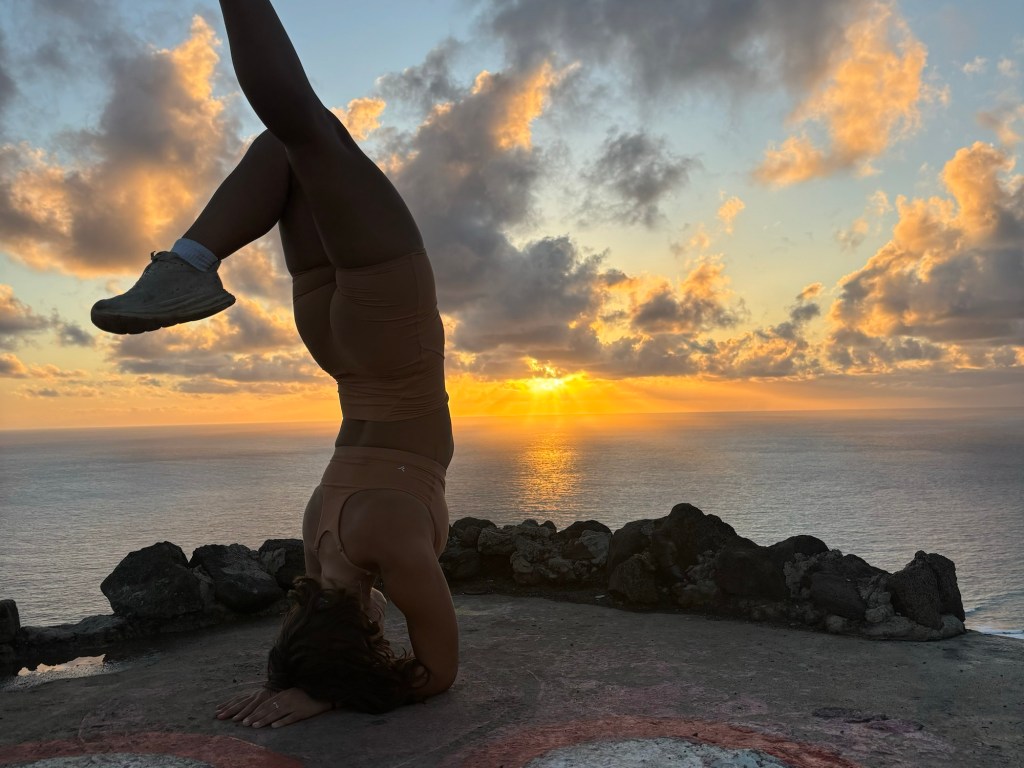
Fitness is important to me — but paying for gyms isn’t. I’ve learned to adapt my workouts to whatever space I’m in. I carry a travel yoga mat, which lets me do yoga, Pilates, stretching, or bodyweight workouts wherever I go — whether it’s a beach, hostel common area, or quiet park.
Many hostels offer free or donation-based yoga classes, or they have mats and space you can use. And when those aren’t available, a simple YouTube workout or a long walk, hike, or swim works just fine. Movement doesn’t have to be fancy or expensive to be effective — and I love that my fitness routine can adapt to any location.
Roaming Data
Roaming charges are one of the most unnecessary travel expenses in my opinion. I never use roaming — it’s way too expensive, and there’s no real reason to rely on it. eSIMs and local SIM cards are widely available now, and they’re cheap, easy to install, and reliable.
Plus, when I have limited data, I naturally spend less time glued to my phone. I’m more present, more observant, and more engaged with what’s happening around me. That’s the kind of travel I want — not one where I’m checking Instagram every five minutes.
Tourist Traps (Tours, Rooftop Bars, Trendy Cafés)
While I love a good viewpoint or a fun experience, I try to steer clear of the overly hyped, tourist-driven spots. Rooftop bars with $20 cocktails, group tours with a hundred people, or cafés that are Instagram-famous but charge triple the price — they just don’t feel worth it to me.
Instead, I seek out local gems — places where locals actually hang out, eat, and drink. It’s not just about saving money (though I definitely do) — it’s about having a more authentic, grounded experience. Sometimes the best view isn’t from the most popular rooftop, but from a quiet hill you found on your evening walk.
ATM Fees
ATM fees can feel small in the moment, but they really add up over time — especially if you’re traveling long-term in cash-based countries. That’s why I swear by my Charles Schwab debit card. It refunds all ATM fees globally, which is a game changer.
I don’t have to worry about finding the “right” bank or withdrawing huge sums to avoid fees. I just take out what I need, when I need it, and move on. Having the right card makes managing money on the road so much less stressful — and more affordable.
Beauty Services (Except Haircuts & the Occasional Massage)
Aside from the occasional haircut and maybe a monthly massage (especially after long travel days or lots of hiking), I don’t pay for beauty services. No manicures, no salon blowouts, no waxing appointments. I take care of all of that myself.
I cut and paint my own nails, do my own grooming, and keep my routine as low-maintenance as possible. It saves me money, sure, but it also frees up time and energy. I don’t have to worry about finding a reliable salon or fitting appointments into my schedule — I just do what I need, when I need it, on my own terms.
Flights Over Land Travel
I almost never fly when there’s an overland option. If it’s possible to take a train, bus, or even a ferry — that’s the route I’ll take. Flying isn’t just about the ticket price; it’s all the extra expenses: airport transfers, checked bag fees, overpriced airport meals, and the time lost in security lines and delays.
Overland travel is cheaper, often more scenic, and way more eco-friendly. I’ve taken some of the most beautiful bus rides through mountain ranges, across coastlines, and through tiny villages I would’ve missed entirely by plane. Unless a flight is absolutely necessary — like for crossing continents or difficult borders — I’ll choose land every time.
Final Thoughts
At the end of the day, travel is really about finding balance — especially when it comes to your budget. It’s all about figuring out what matters most to you — what you’re willing to splurge on and what you’re okay with sacrificing.
It’s not always easy, especially when you’re just starting out. But once you take the time to sit down and get clear on your priorities, it becomes a lot easier to manage your money and make it last. The more you understand your own values and what makes your travel experience feel fulfilling, the easier it is to cut out the things that don’t.
Budget travel doesn’t mean missing out — it means being intentional. And that’s where the real magic happens.
 Livslifeoncam
Leave a comment