
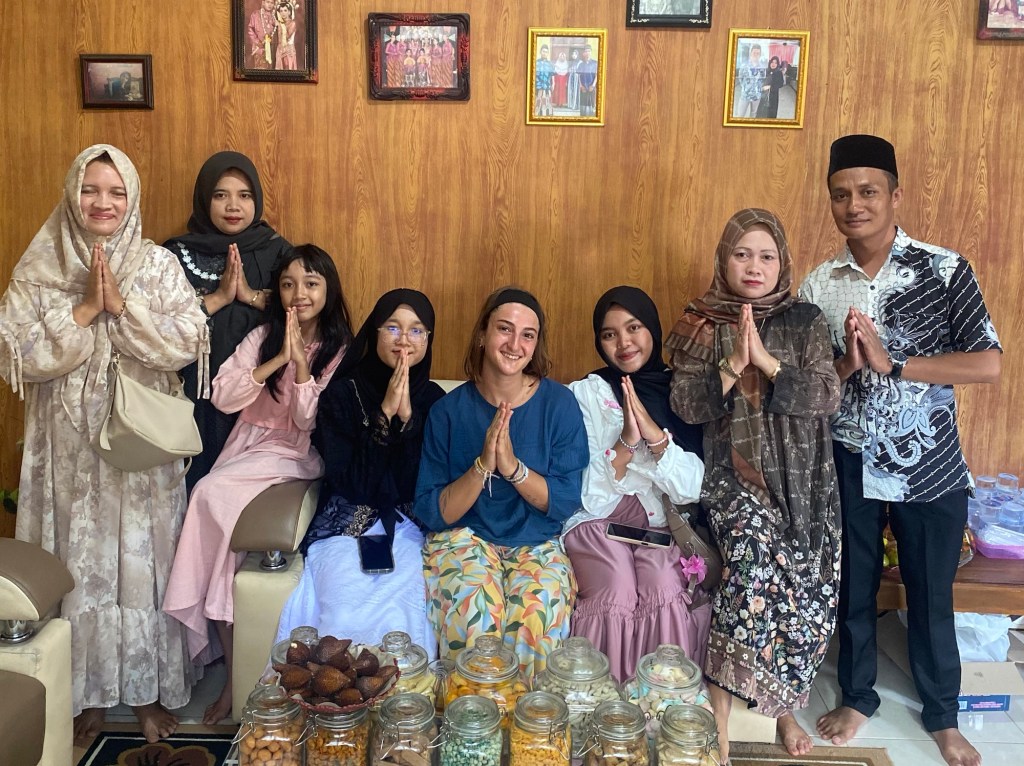
Hospitality is a universal concept—an unspoken language of kindness that transcends borders. But what makes it so fascinating is how differently it’s expressed around the world. In some cultures, hospitality is embedded in religious teachings; in others, it’s passed down through generations as part of a deep-rooted regional identity. Sometimes it’s formal and structured, and other times it’s casual, spontaneous, and deeply personal.
During my travels, I’ve learned that hospitality isn’t just about offering a drink or a meal—it’s about how people make you feel welcome. It’s the way someone insists you take their seat, how a stranger walks you to your destination, or how a family opens their home to you without a second thought. And what’s considered warm or generous in one culture might feel unfamiliar or even uncomfortable in another. But that’s part of what makes it so beautiful.
To me, hospitality is a bit like a love language. We all have ways we prefer to give and receive it. And as we move through the world—whether across oceans or just outside the circles we’re familiar with—we begin to notice how it takes on different forms. Each experience becomes a mirror, reflecting not only the generosity of others, but also the values and spirit of their culture.
In this article, I’ll share some of the most memorable and unique ways I’ve experienced hospitality across countries and communities. I’ll talk about how different cultures express care and warmth, how these gestures sometimes surprised or challenged me, and which places left the deepest imprint on my heart.
Middle Eastern and Muslim Hospitality
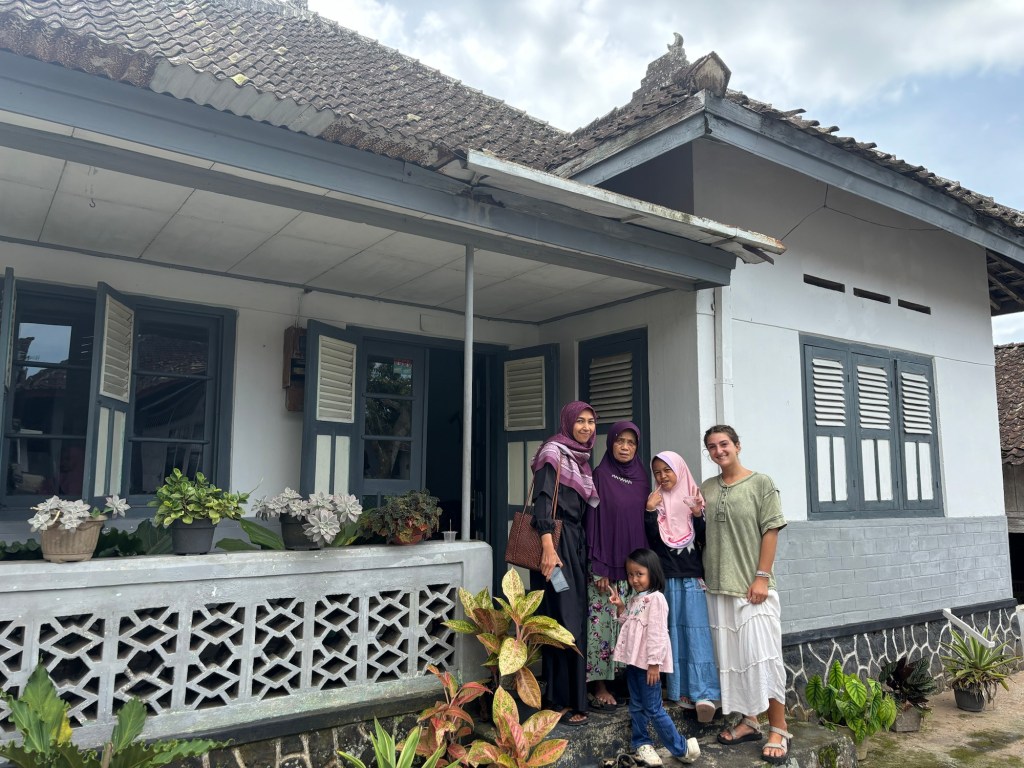
One of the most profound experiences of hospitality I’ve encountered has come from the Middle East and predominantly Muslim regions of Asia. In these places, kindness begins with a hot glass of tea—often paired with something sweet—and unfolds into something much deeper and more meaningful. Hospitality is not just an act, but a deeply rooted cultural value. Even as a stranger, you’re not treated with suspicion or distance, but with sincere curiosity and a desire to include you in their daily lives.
In Yemen, I was overwhelmed by the generosity of locals on the island of Socotra. Every day, I was invited to sit with different families to drink tea, chat, and share moments that often included music and laughter—even though many of them didn’t speak English. What struck me most was how this kindness was offered so freely. Children would run up offering me snacks, adults welcomed me into their homes for lunch or dinner, and not once did anyone expect anything in return. Coming from a Western culture, where reciprocity often feels transactional, this was refreshingly human. The gift of a treat or a cup of tea was given not as a form of exchange, but as an expression of connection. Often, we sat cross-legged on the floor sharing big plates of food by hand, which felt intimate and rooted in tradition. Simple gestures—like passing dates before a meal, offering prayers before eating, or inviting a stranger to join—reflected how hospitality is woven into religious and cultural values.
I saw this same spirit in Central Java, Indonesia, where I stayed in a remote village during Eid, the celebration that marks the end of Ramadan. While I was already being hosted by a family in exchange for teaching English, it was the surrounding community that surprised me most. I was welcomed into homes I hadn’t even known existed the day before—homes of school headmasters, neighbors, relatives of friends. I was fed elaborate meals, offered endless cups of tea, and constantly asked how I was doing. What stayed with me most was how easily these people embraced someone who didn’t share their religion, language, or background. They gave generously, not because I was special, but because hospitality is simply who they are.
Southeast Asian Hospitality

In Southeast Asia, hospitality often feels effortless, warm, and immediate. The people here consistently go out of their way to help you—often running over to translate, share a snack, or guide you to where you need to go, even if it means deviating from their own path. What defines their kindness is not extravagance, but the genuine warmth and lightness that comes with it.
Thailand, Indonesia, and the Philippines especially stand out. In Indonesia, the openness of both Muslim and non-Muslim communities is remarkable. Whether I was walking through a village or arriving in a new town, locals would invite me into their homes, seat me around fires, and pass around fresh fish, rice wine, and traditional snacks. I was often offered a seat at their family dinners within minutes of meeting them. It wasn’t performative—it was instinctive. Help wasn’t offered with strings attached. It was offered with joy, followed by laughter, storytelling, and often a spontaneous invitation to a wedding or celebration. We sat on the floor, shared everything, and connected through small rituals that made me feel like I belonged, even if just for the evening.
The Philippines is similarly generous, though their hospitality has a playful, vibrant quality. Filipinos are famously passionate about karaoke, and while it’s something they deeply cherish, they’re more than willing to share it. I remember arriving at a quiet beach, only to find a family celebrating with a huge picnic and a karaoke machine. Before we could even approach, they were waving us over, handing us plates of fresh food, pouring us drinks, and urging us to sing. Karaoke wasn’t just entertainment—it was a way to connect, to laugh, and to welcome others into their joy.
Thailand is perhaps the most subtly hospitable, but no less impactful. Known as the “Land of Smiles,” it’s not just a marketing phrase—it’s a real reflection of the Thai people. The way they greet you—with a warm, genuine smile and a soft “sawadee ka”—sets the tone for every interaction. It’s not flashy, but it’s constant, and deeply reassuring to a traveler navigating new places. Kindness in Thailand is often shown through quiet gestures, calm presence, and a readiness to help—something that reflects their cultural and Buddhist values of respect and compassion.
Pacific Island Hospitality

In the Pacific Islands, hospitality is often interwoven with a deep spiritual connection to the land, family, and tradition. Warmth is expressed through ceremony, music, food, and symbolic gestures rooted in centuries of culture. Whether in Hawaii or Fiji, I’ve been moved by the ease with which these islanders make you feel at home.
In Hawaii, the custom of giving a lei to a visitor may seem simple, but it carries deep meaning. It’s a physical representation of welcome, made from the land itself, and offered with care and intention. This tradition speaks volumes about how Pacific cultures see newcomers—as guests to be honored, not just accommodated.
Fiji, too, left a lasting impression. From the moment I stepped off the boat onto a remote island, I was greeted with song, dance, and the broadest smiles I’ve ever seen. The local community didn’t just share food or offer help—they celebrated the arrival of guests with full hearts. Fijians have an uncanny ability to make you feel like you’ve been a part of their village forever. Even after visiting 15 more countries since, I still think the Fijian people were the kindest I’ve ever encountered.
European Hospitality

Hospitality in Europe is highly regional, shaped by a rich patchwork of cultural values. In some parts, such as Central and Northern Europe, kindness is more reserved. Respect often comes through quiet gestures: helping you navigate a train station, offering directions, or giving you space when it’s needed. While less overt, these actions still stem from a culture of courtesy and social consideration.
In contrast, the Mediterranean countries approach hospitality with passion and abundance. In places like Greece, Italy, and Spain, the first question you’re asked is usually: “Are you hungry?” And they mean it. Meals are shared freely and generously, and food becomes a way of communicating love, warmth, and welcome. Whether you’re being offered a homemade pastry or a glass of local wine, it’s never just about the item—it’s about including you in something communal and meaningful.
South American Hospitality

In South America, one of the most common and heartfelt expressions of hospitality is through celebrations and shared joy. In many Central and South American cultures, every occasion—big or small—is a reason to gather. Birthdays, holidays, national festivals, or even a simple Saturday night can turn into a full evening of dancing, drinking, eating, and enjoying one another’s company. And the beauty of it is, you don’t have to be a local to be included. Whether you’re a friend, a traveler, or a complete stranger, people are quick to welcome you in with open arms.
There’s a deep sense of warmth and generosity here. People will not only invite you into their homes but also go out of their way to make you feel like part of the family. They’ll help you navigate the city, cook traditional meals for you, and even involve you in household chores or local customs as a way of connecting. Hospitality isn’t something reserved for formal occasions—it’s an everyday way of life, rooted in community and connection.
Speaking Spanish, even just a little, can open even more doors. Locals often deeply appreciate any effort to speak their language, and it tends to lead to more personal, heartfelt interactions. With that extra bridge of communication, their hospitality shines even brighter—conversations grow deeper, and the sense of belonging becomes stronger.
Different Kinds of Hospitality in the USA
Within the United States, hospitality shows up in a variety of ways depending on the region, culture, and personal background. In the South, hospitality is often warm, open, and rooted in tradition—welcoming guests with a tall glass of sweet iced tea, hearty home-cooked meals, and front porch conversations that can stretch into the evening. Southern hospitality is famous for its friendliness and charm, where inviting a stranger to a backyard barbecue or church gathering isn’t uncommon.
In contrast, hospitality in the Northeast tends to be more reserved and practical. It might look like giving someone directions without hesitation, offering a stranger help navigating the subway, or quietly covering someone’s coffee without a big fuss. The kindness is still there—it’s just shown through action rather than flair. In cities where people are constantly on the move, small gestures like holding the door, making space on a crowded bus, or offering a quick chat in a coffee shop carry more weight than they might seem to on the surface.
Across the country, hospitality often takes a more individualistic or transactional form. It’s not uncommon for generosity to be tied to social expectations, tips, or shared benefits. That said, I’ve encountered hundreds of genuinely kind and generous Americans in my travels—people who have gone out of their way to help, host, or simply share a conversation. But if I’m being honest, the intention behind these gestures can sometimes feel less rooted in cultural or spiritual values, and more influenced by circumstance, a means to an end, or personal choice. Unlike in many parts of the world where hospitality is instinctual and deeply ingrained, in the U.S., it can feel more optional—something chosen rather than expected.Still, kindness exists everywhere. In the U.S., hospitality just looks different depending on where you are and how people were raised—it’s shaped by how fast life moves and how independent people tend to be.
Final Thoughts
Hospitality looks different everywhere you go. It can be loud and joyful, quiet and subtle, or deeply ceremonial and symbolic. What’s most beautiful is how these differences reflect the diverse fabric of our world—shaped by culture, religion, history, and personal values. Whether it’s a steaming cup of tea in a Yemeni village, a spontaneous invitation to sing karaoke in the Philippines, or a plate of home-cooked pasta in southern Italy, each gesture tells a story about how people care for one another. Experiencing these contrasts as a traveler reminds me just how universal the desire to welcome, connect, and share truly is. Despite the borders that separate us, there is a common thread: a genuine human warmth that transcends language and background. Hospitality may take many forms, but at its core, it’s always about one thing—making someone feel at home.
 Livslifeoncam
Leave a comment