

Southeast Asia is packed with diverse countries that offer everything from chaotic cities to sleepy mountain towns — but for me, the islands are what really set this region apart. The tropical climate, endless coastlines, and laid-back vibe make it the perfect place to slow down. You can spend your days in the sun, swimming in warm water, eating fresh fruit, and just doing whatever feels good. Things move slower on the islands, and that’s kind of the point — no real plans, no pressure, just freedom to enjoy where you are and who you’re with.
After traveling through Thailand, Laos, Cambodia, Vietnam, Malaysia, the Philippines, and Indonesia, I’ve discovered some incredible islands — each offering something unique, whether it’s diving, waterfalls, community, or just that feels-right kind of energy. If you’re heading to Asia and craving a warm, tropical escape, here are the islands that stood out the most.
Don Det, Laos
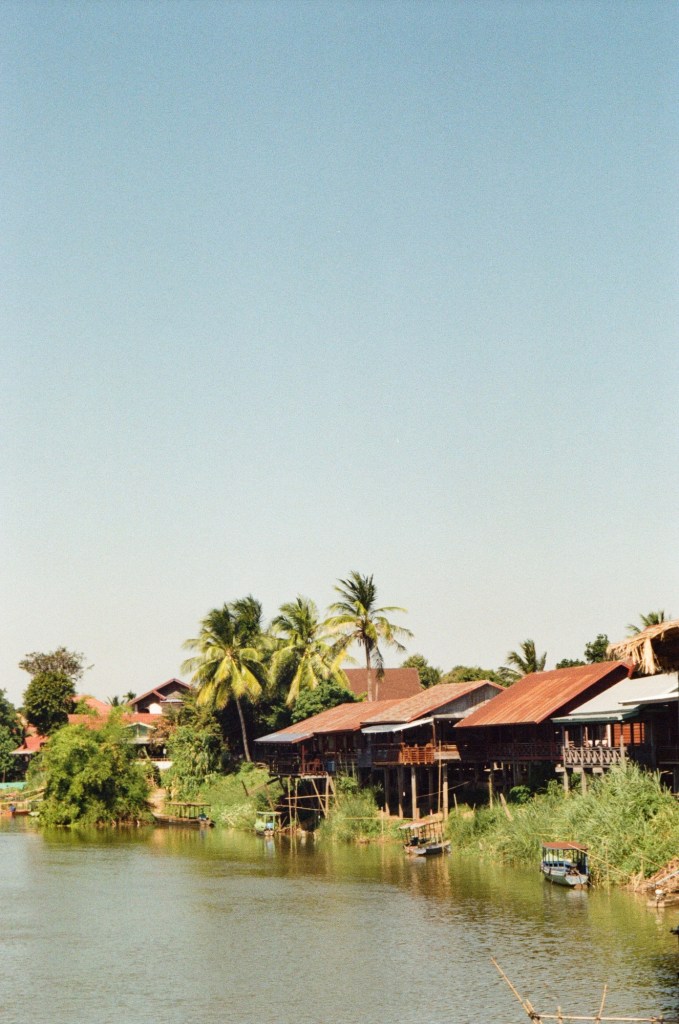
Don Det is one of the 4,000 Islands in southern Laos, tucked along a wide, calm stretch of the Mekong River near the Cambodian border. Even though Laos is a landlocked country, this little pocket of river islands makes it feel like a tropical escape. To get there, most travelers first head to Pakse, then take a bus or minivan south to Nakasong, followed by a quick ferry ride across to Don Det.
The island is tiny — you can walk the whole loop in under an hour — and it’s completely car-free. No traffic, no noise, just bicycles, the occasional scooter, and lots of friendly animals roaming around. The pace is slow, the vibe is even slower, and the locals are some of the kindest I met during my time in Laos. It’s the kind of place where you quickly lose track of time in the best way. Days blend together as you swing in a hammock, sip fruit shakes, and watch the sun set over the Mekong.
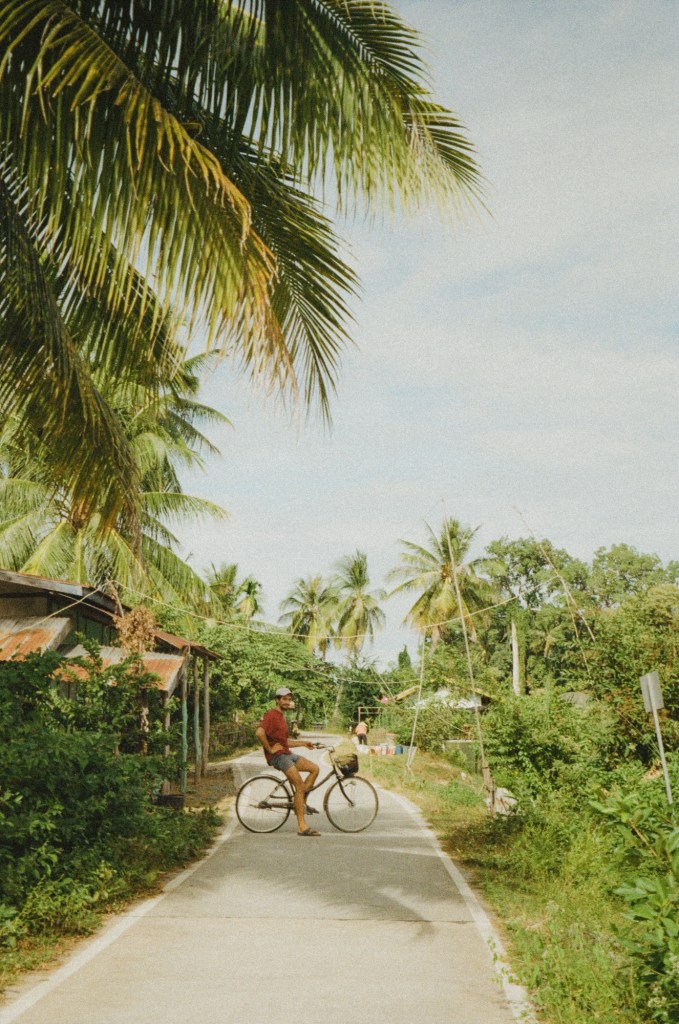
One of the best things to do here is a kayak tour, which usually includes paddling through calm stretches of the river, spotting rare Irrawaddy dolphins, stopping at small waterfalls, and enjoying lunch in one of the nearby villages. You can also walk or bike across to neighboring Don Khon Island to visit Li Phi Waterfall — a powerful set of rapids that’s especially impressive in the rainy season.
But like many laid-back places in Southeast Asia, Don Det is starting to change. There’s been a noticeable increase in Chinese investment and development in the area — with rumors of larger infrastructure projects in the works. While it’s still a peaceful little backpacker haven for now, it may not stay that way forever. If you’re looking to experience the quiet charm, dirt paths, and hammocks along the riverbanks, go soon — before it loses the very atmosphere that makes it so special.
Koh Rong Sanloem, Cambodia
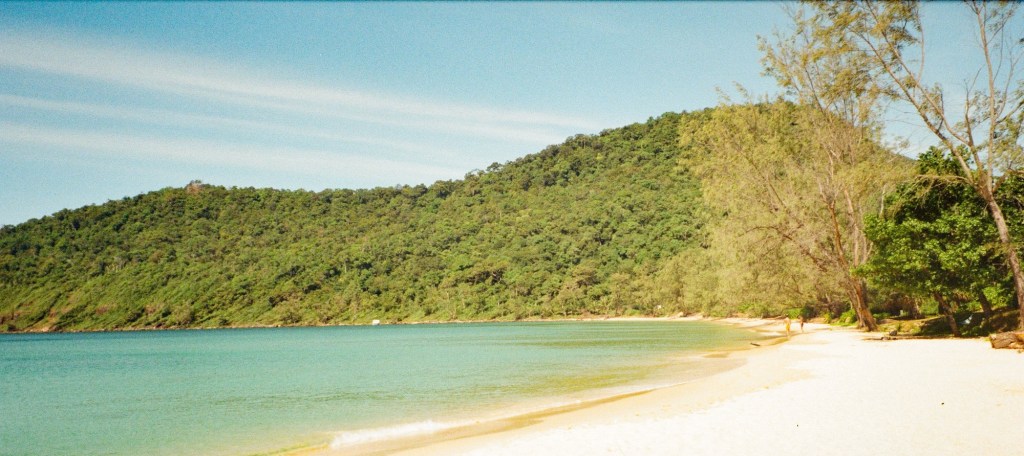
Koh Rong Sanloem is a peaceful island off Cambodia’s southern coast, just a short ferry ride from Sihanoukville. While its larger sister island, Koh Rong, is known for late-night parties and beach bars, Koh Rong Sanloem has stayed much quieter and more laid-back — making it a perfect spot if you’re craving calm over chaos.
The main beach, Saracen Bay, is where most of the guesthouses and beach cafés are found. It’s the kind of place where you can spend the entire day barefoot — reading on a sunbed, dipping into the clear, warm water, and watching longtail boats glide by. You can also walk across the island through the jungle to Lazy Beach, a more remote stretch of sand on the west coast, ideal for catching sunset with a cold drink in hand.
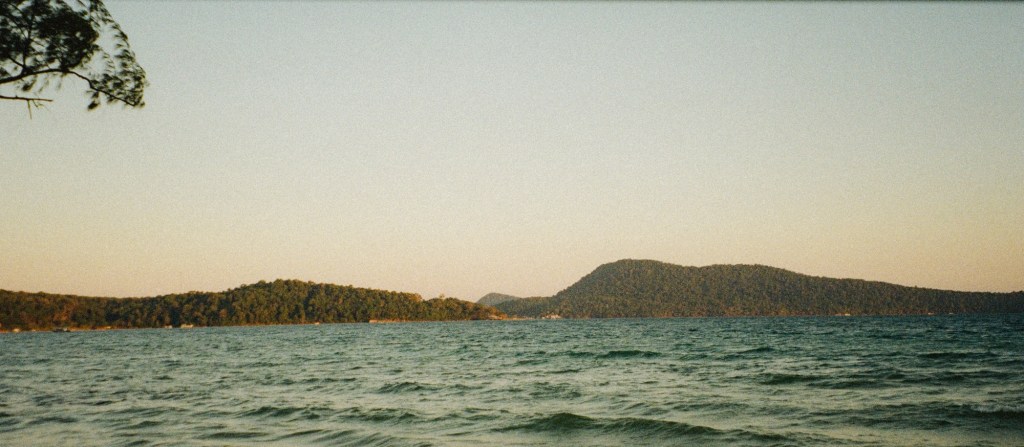
What makes Koh Rong Sanloem stand out is how easy it is to explore. You can hike to different bays, take a boat cruise around the island, or go snorkeling to see coral reefs and colorful fish just offshore. There are no cars or motorbikes — only jungle paths and sandy trails connecting one beach to another, which adds to the island’s peaceful vibe.
One of the best parts of the experience is enjoying a beach BBQ at night. Many guesthouses and restaurants will grill fresh fish, chicken, or vegetables right on the sand, with big communal tables and fairy lights strung between the palm trees. It’s simple, cheap, and such a vibe — the kind of evening that makes you want to extend your stay just one more night.
To get there, you can reach Sihanoukville by bus or flight from Phnom Penh, then catch a 45-minute ferry to the island. Once you arrive, you’ll quickly feel the difference — no traffic, no rush, just nature, warm water, and quiet moments.
Cat Ba Island, Vietnam
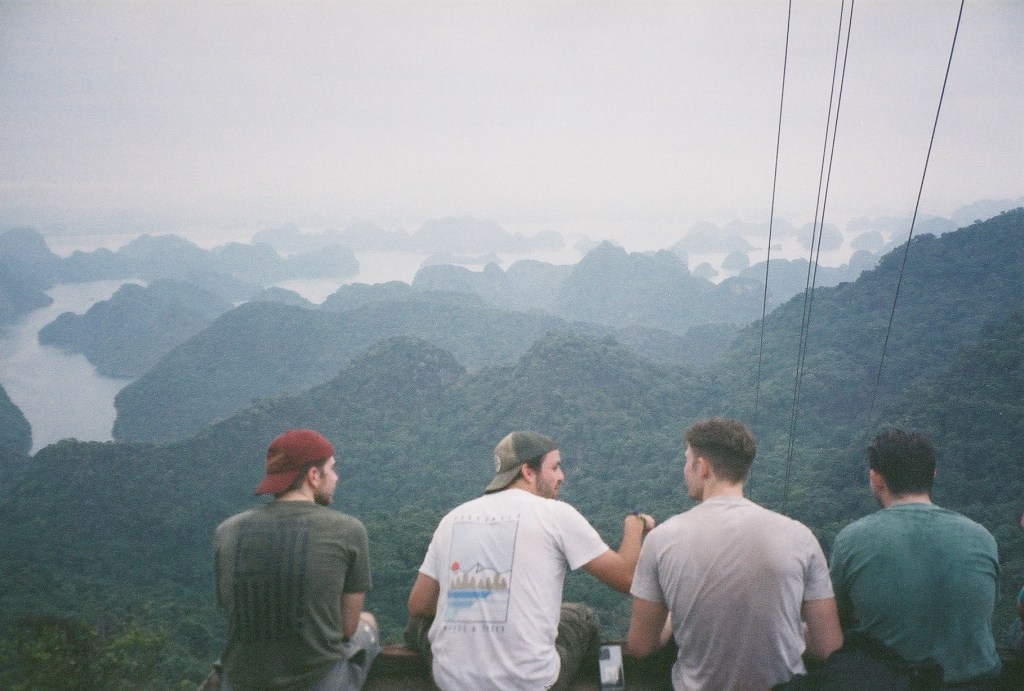
Cat Ba is the largest island in northern Vietnam’s Ha Long Bay area and offers a more local, less touristy way to experience the region. While most travelers hop on a crowded day cruise through Ha Long Bay, staying on Cat Ba lets you slow down and explore at your own pace. You can reach the island from Hanoi with a bus and ferry combo (about 4–5 hours total), or book an overnight tour that includes time on Cat Ba.
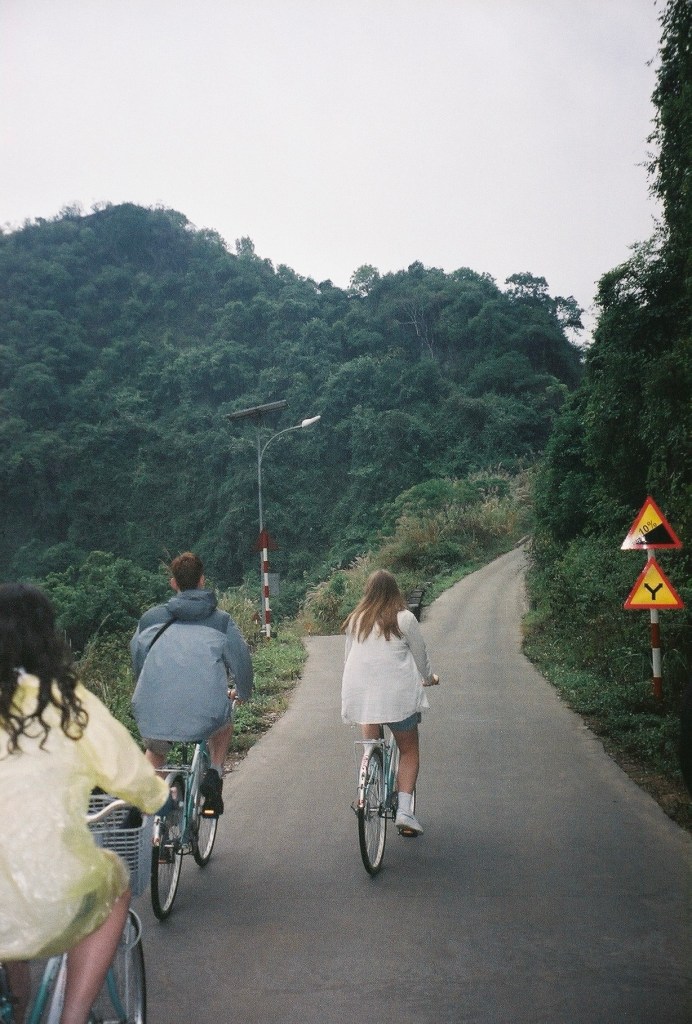
The island is a mix of rugged cliffs, dense jungle, and laid-back coastal vibes. It’s known for Cat Ba National Park, where you can hike up to Ngu Lam Peak — a short but sweaty climb with panoramic views of limestone karsts and lush forest. Renting a motorbike or even a bicycle is one of the best ways to get around. The roads are scenic and relatively quiet, and you’ll find hidden beaches, local fishing villages, and quiet spots to stop for iced coffee or a bowl of pho.
There’s a strong local feel here, especially in the main town, where street food stalls serve up grilled seafood, banh mi, and cheap bia hoi (fresh draft beer). You’ll also find those little fish spas where you dip your feet in and let the fish nibble off the dead skin — weird at first, but kind of fun after a long day of walking. And if you’re an animal lover, you’ll notice lots of dogs wandering around the island — most of them friendly and just doing their thing.
Compared to the polished cruise tours in Ha Long Bay, Cat Ba is raw and real. It’s not overly developed, and that’s part of the charm. You can spend the day hiking, biking, swimming, or just watching the fishing boats come and go. It’s a place that still feels authentic — so if you want to explore Ha Long without the crowds and get a deeper feel for northern Vietnam, Cat Ba is definitely the move.
Koh Tao, Thailand
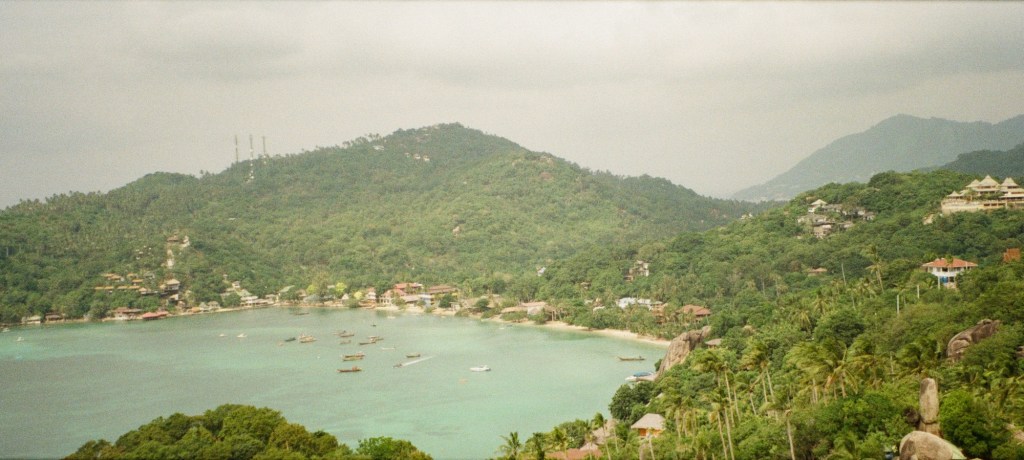
Koh Tao is one of the most popular islands in the Gulf of Thailand, especially for backpackers looking to get their scuba certification without breaking the bank. It’s actually one of the cheapest places in the world to do your Open Water course, with dozens of dive schools offering well-reviewed programs and chill instructors. Even if you’re not into diving, the island still has plenty to offer.
You can reach Koh Tao by ferry from Koh Samui, Koh Phangan, or from the mainland via Chumphon or Surat Thani. Once you’re on the island, it’s super easy to rent a scooter and explore — winding roads lead to viewpoints, hidden coves, and white sand beaches.
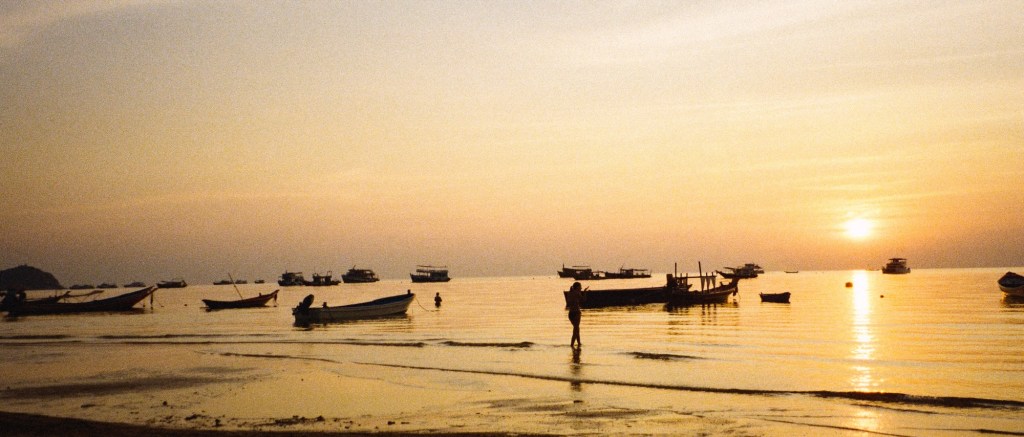
Most of the action happens around Sairee Beach, the main strip where you’ll find beach bars, fire shows, and a social vibe that’s fun but still more laid-back than Koh Phangan. The food scene is great too — from cheap Thai plates to trendy cafés and vegan smoothie bowls. There are also some solid sunset spots and relaxed places to just grab a drink and unwind after a day in the sun.
Koh Tao is small enough to feel intimate but packed with things to do — diving, snorkeling, hiking, boat tours, beach days, and more. It’s got a good balance of adventure and downtime, and it’s easy to meet people whether you’re traveling solo or with friends. It’s one of those places where a few days can quickly turn into a week — and you won’t regret it.
Koh Lanta, Thailand
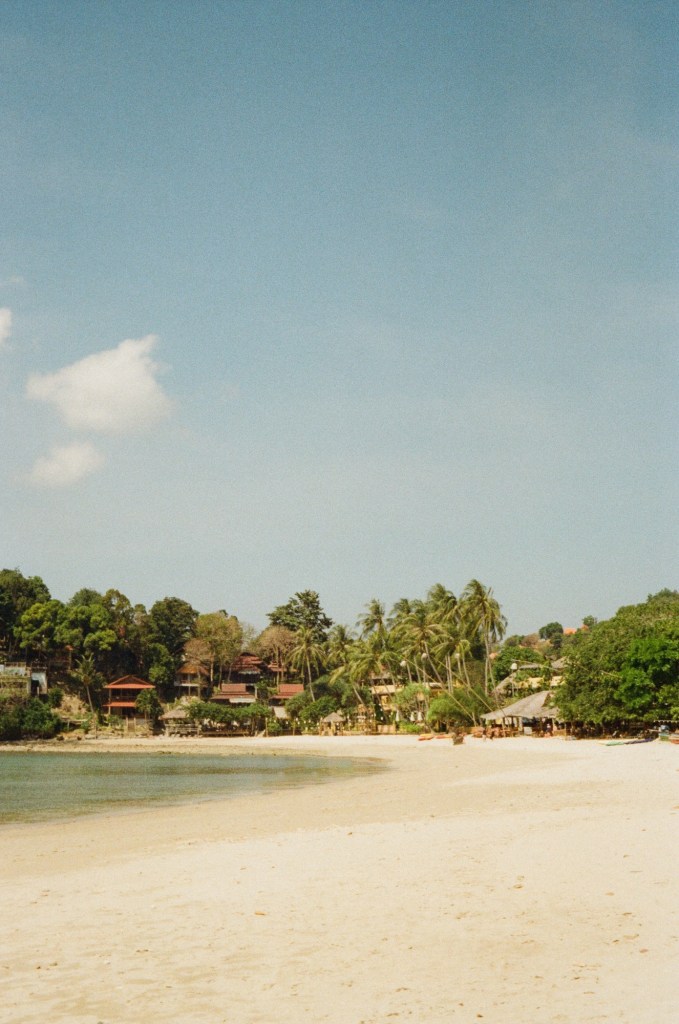
Koh Lanta is a quieter, more laid-back alternative to some of Thailand’s busier islands. Located on the Andaman Sea, it’s reachable by ferry or van from Krabi, Ao Nang, or even nearby islands like Koh Phi Phi. There’s also a bridge connecting the northern tip of Koh Lanta to the mainland, which makes land travel super convenient.
What makes Koh Lanta special is how calm it feels — long, quiet beaches, peaceful sunsets, and a slower pace of life that’s hard to find in other tourist hotspots. You can rent a motorbike and explore the entire island in a day, stopping at waterfalls, viewpoints, and beach cafés along the way. There are also Thai cooking classes, yoga studios, and lots of cozy guesthouses and hostels spread out along the coast.
One of the best things to do here is book a snorkeling tour out to the nearby smaller islands like Koh Rok, Koh Haa, or Koh Mook. These tours usually include a few snorkeling stops in insanely clear water, beach breaks, and lunch on a remote island. It’s a great way to see the beauty of the Andaman Sea without being packed onto a party boat.
Koh Lanta has just the right balance — enough tourism to be easy and comfortable, but still quiet enough to feel like a real escape.
Langkawi, Malaysia
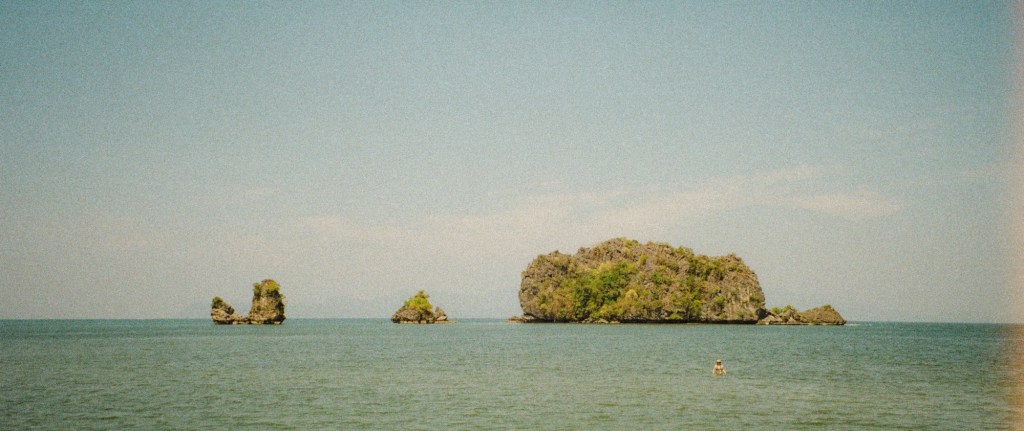
Langkawi is a large island off Malaysia’s northwest coast, near the Thai border. It’s super accessible — there’s an international airport on the island and regular ferries from mainland Malaysia, especially from Kuala Kedah and Penang, which makes it easy to reach whether you’re coming from within Malaysia or from Thailand.
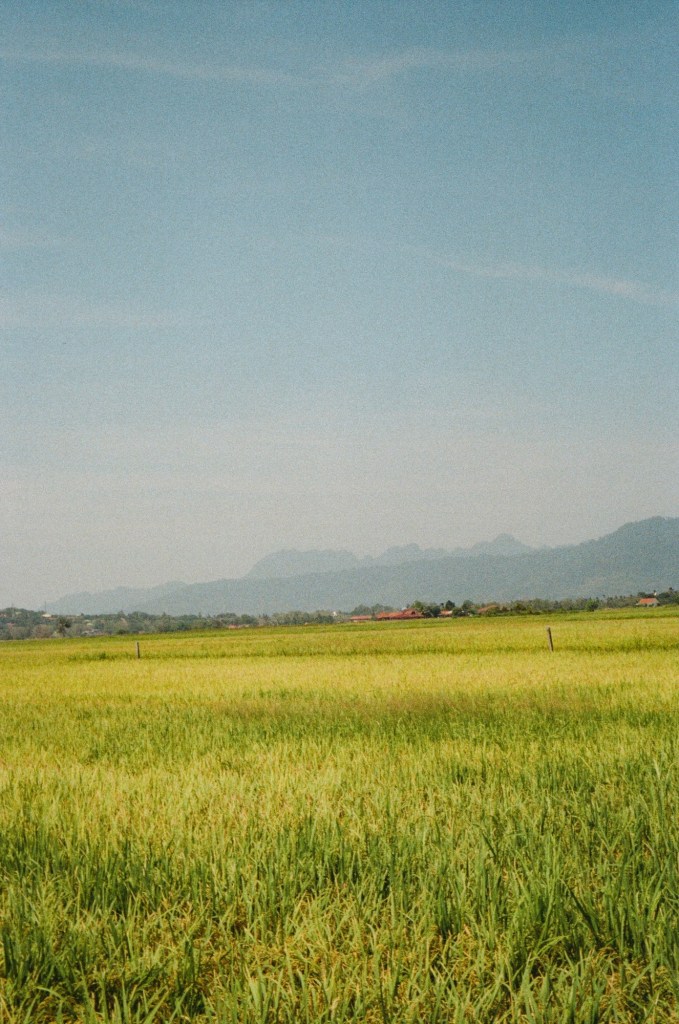
The island has a bit of everything: lush rice fields, jungle waterfalls, long sandy beaches, and a town center with night markets, restaurants, and duty-free shopping. One of the highlights is taking the Langkawi SkyCab up to the Sky Bridge, where you get incredible views over the island’s coastline and jungle-covered peaks. It’s also easy (and fun) to rent a scooter and ride around to find waterfalls, quiet beaches, and local food stalls off the main strip.
I was surprised how laid-back it felt, especially once you get out of the central area. The beaches weren’t crowded, the roads were calm, and the whole place had a relaxed energy that made it easy to slow down. The locals were incredibly warm and welcoming, and the island had way more “island soul” than I expected — peaceful, green, and full of charm.
Palawan, Philippines
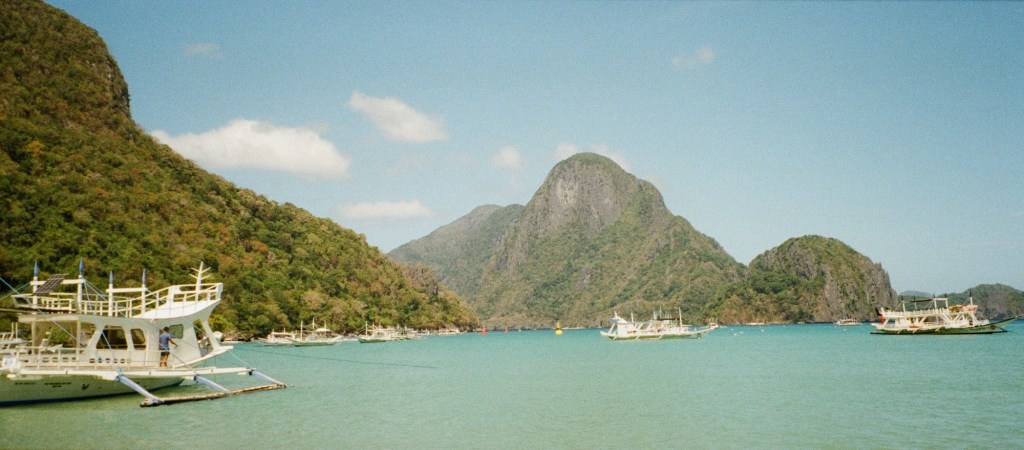
Palawan is a massive island in the western Philippines, often ranked among the most beautiful islands on Earth — and after visiting, it’s easy to see why. I explored Puerto Princesa, Port Barton, and El Nido, and each spot had its own vibe and reasons to stay longer than planned. You can fly directly into either Puerto Princesa or El Nido from Manila or Cebu, making it pretty easy to get to even though it feels far from everything.
El Nido is known for its dramatic limestone cliffs, turquoise waters, and island-hopping tours that take you to hidden lagoons, secret beaches, and caves. The boat tours are divided into Routes A, B, C, and D, and honestly, they’re all worth doing. Even with the crowds, the scenery doesn’t lose its magic.
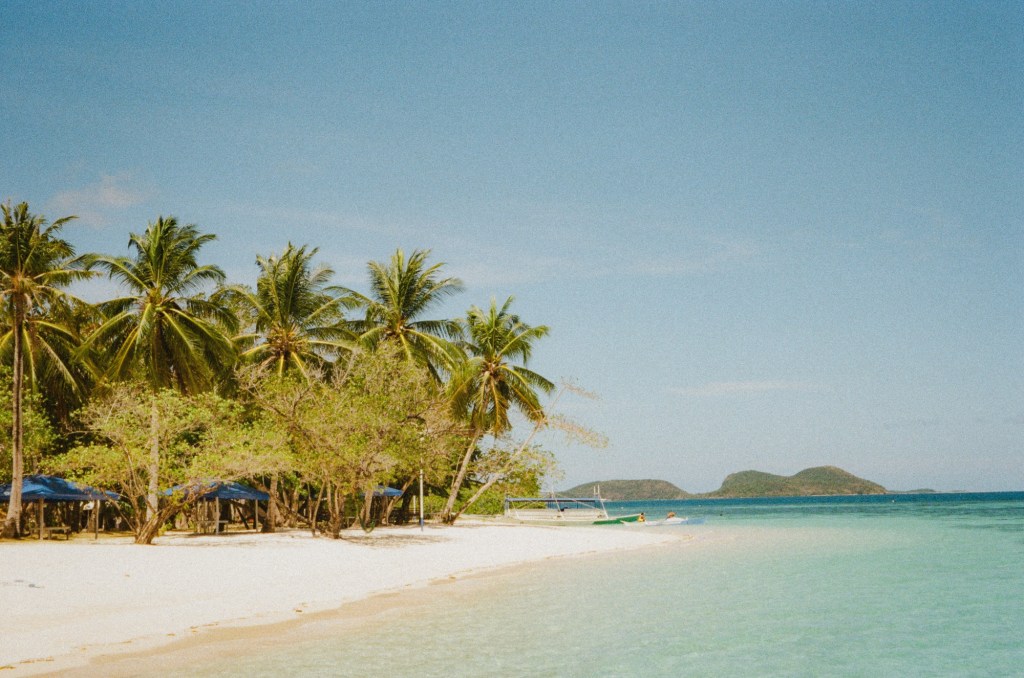
Port Barton, on the other hand, is much quieter — a small fishing village that feels slower and more local. The beaches are calm, the hostels are super chill, and the town has a barefoot kind of vibe. It’s the kind of place where people end up staying way longer than they meant to. The snorkeling on boat tours here is unreal — sea turtles, starfish, and coral gardens with hardly anyone around.
You can also do multi-day boat expeditions between El Nido and Coron (if you’re heading that way), stopping at uninhabited islands along the way and sleeping under the stars. These trips feel like a true escape — no Wi-Fi, no schedule, just ocean, island meals, and the most unreal sunrises.
Palawan is definitely touristy in parts, but it still manages to feel raw and untouched in many places. It’s one of those islands where even the most popular spots still leave you speechless.
Siquijor, Philippines

Siquijor is a small island south of Cebu and Bohol, often skipped by tourists but deeply loved by the ones who make the trip. You can reach it by ferry from Dumaguete (on Negros Island), or from Tagbilaran on Bohol with a bit more travel time. Despite how close it is to more popular destinations, it still feels untouched — a hidden gem that’s somehow stayed under the radar.
Locally, it’s known as the “healing island” because of its history of shamans, traditional healers, and folklore. People used to be wary of visiting because of stories tied to witchcraft and spirits — but now it draws travelers looking for waterfalls, natural beauty, and a break from the chaos.
Some of the most beautiful waterfalls I’ve seen are here — like Cambugahay Falls, where you can swing into turquoise pools, and Lugnason Falls, tucked into the jungle with barely anyone around. The island’s coastal roads are smooth and scenic, perfect for riding a scooter past palm trees, sleepy fishing villages, and ocean views on every corner. It’s a place where the journey is just as good as the destination.
The beaches are quiet, often completely empty, especially during the week. You can snorkel, watch sunset with locals, or just lie in the sand and listen to the waves. There are just enough guesthouses, cafés, and restaurants to be comfortable, but it hasn’t been taken over by big resorts or chain businesses. It still feels raw and real — like a place time hasn’t fully caught up with yet.
Siquijor is peaceful, spiritual, and incredibly scenic. Whether you’re chasing waterfalls, looking for solitude, or just craving a slower rhythm, it’s one of those places that stays with you long after you leave.
Java, Indonesia
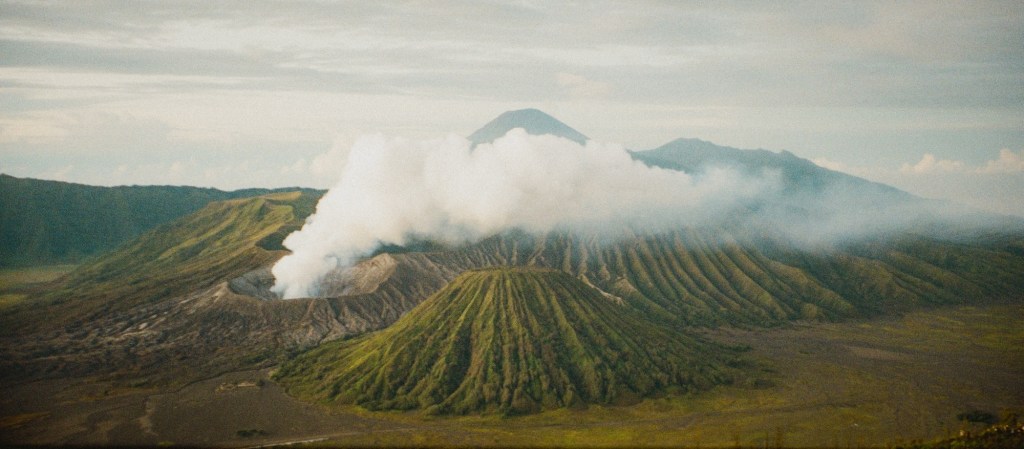
Java is Indonesia’s most populated island, sitting right between Sumatra and Bali. While it’s full of busy cities and crowds, it’s also home to some of the most unique and unforgettable experiences in Southeast Asia. You can fly into major cities like Jakarta, Yogyakarta, or Surabaya, then travel between them by an extensive and efficient train system or by bus, making it easy to see multiple parts of the island.
One of the highlights of Java is its volcanoes. I hiked three of them, including the famous Kawah Ijen, known for its stunning blue fire that glows at night, and Mount Bromo, where I caught an unforgettable sunrise over the smoking crater. Another impressive volcano is Mount Merapi, located near Yogyakarta. It’s one of Indonesia’s most active volcanoes and holds deep spiritual significance for locals. Many come here to hike or to visit the traditional villages at its base, where you can learn about local culture and rituals tied to the mountain’s power.

Yogyakarta itself is a cultural hub, rich in history and religion. It’s the gateway to some of Indonesia’s most important religious sites — like the ancient Borobudur Temple, the world’s largest Buddhist temple with thousands of intricate stone carvings, and Prambanan Temple, a massive Hindu temple complex known for its towering spires and detailed reliefs. Both sites are UNESCO World Heritage Sites and a must-visit for anyone interested in history and spirituality.
Traveling by train in Java is an experience in itself. The trains run frequently between major cities, and the routes take you through lush countryside, small towns, and scenic views. It’s a great way to get a feel for local life and see parts of the island you might otherwise miss.
Beyond the volcanoes and temples, Java also offers colorful urban art like the rainbow village of Jodipan, stunning natural spots like the cascading Tumpak Sewu Waterfall, and some of the best street food in Indonesia — think spicy satay, rich soto soups, and fresh tropical fruits.
Java isn’t your typical tropical beach destination, but if you’re after raw adventure, deep culture, and something off the beaten path, it’s absolutely unmatched. Compared to Bali, it still feels largely untouched by mainstream tourism, with an authenticity that makes it stand out.
Lombok, Indonesia
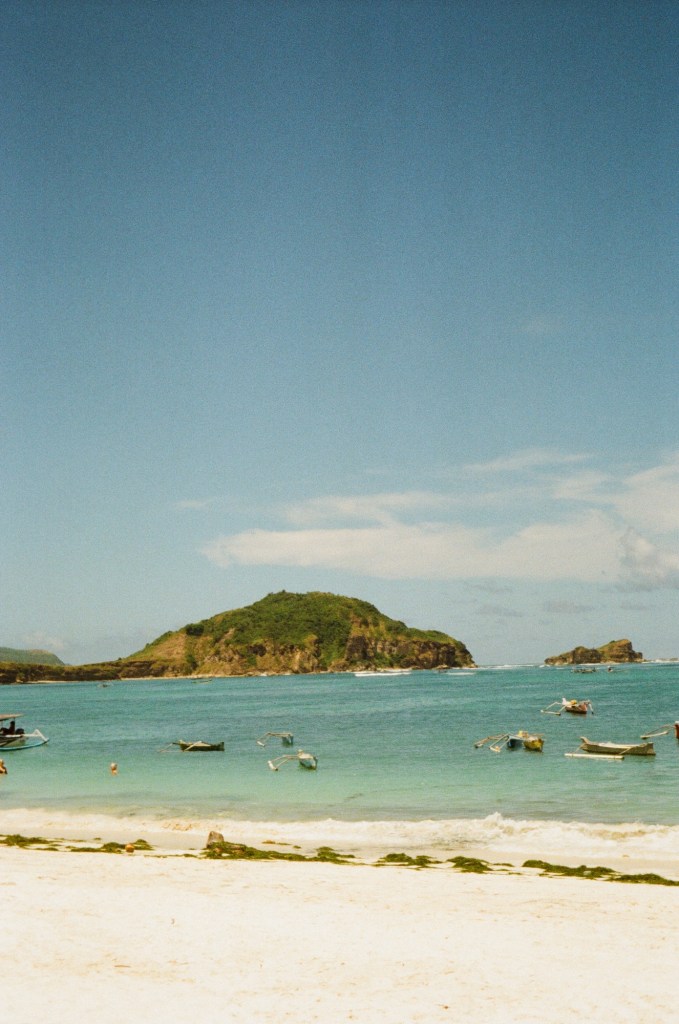
Lombok sits just east of Bali and is easy to reach by ferry or a short domestic flight. It’s quickly gaining attention for its surf breaks, trekking adventures, and some of the most untouched, beautiful beaches in Indonesia. The town of Kuta Lombok is the main hub for tourists — a laid-back base with plenty of surf schools, motorbike rentals, cafés, and guesthouses. Unlike its namesake in Bali, Kuta Lombok maintains a much more relaxed, authentic vibe. Here, surfers from around the world come to ride waves that range from beginner-friendly to seriously challenging.
The surf culture in Kuta Lombok is welcoming and chill. Whether you’re just learning to catch your first wave or you’re an experienced surfer chasing perfect barrels, the variety of breaks along the south coast has something for everyone. The community is tight-knit, with surf schools that offer lessons, board rentals, and regular meet-ups that make it easy to connect with locals and fellow travelers.
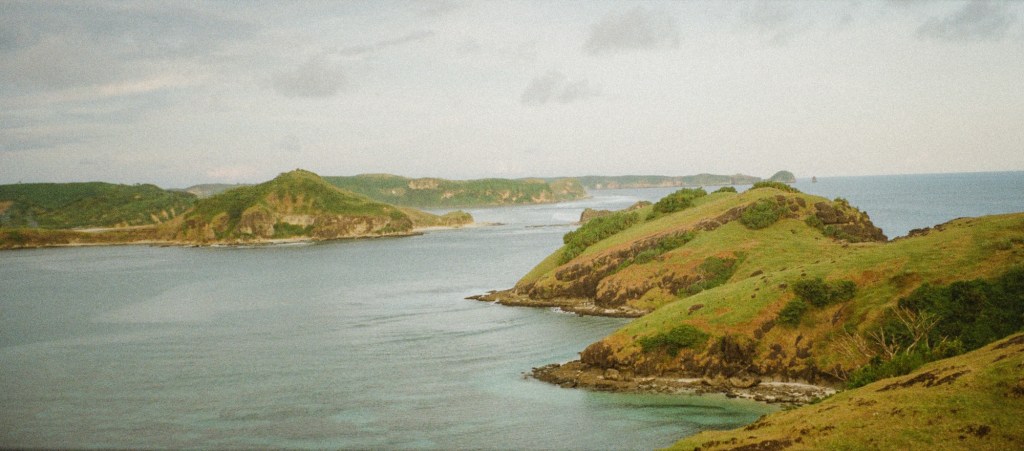
Beyond surfing, Lombok has also developed a small but growing digital nomad scene. A number of cafés and coworking spaces have popped up in Kuta and nearby areas, offering strong Wi-Fi, good coffee, and relaxed spots to work during the day. It’s not Bali-level busy, which means you can get your work done without the usual noise and distractions, then unwind with a sunset surf or a scooter ride along the coast.
If you’re feeling adventurous, the northern part of Lombok is home to Mount Rinjani, Indonesia’s second-highest volcano. Trekking to its crater lake is a challenging but unforgettable experience — the views from the top are incredible, and it’s a chance to see a different side of Lombok beyond the beaches.
What I love most about Lombok is that even in the more built-up tourist areas, the beaches remain quiet, natural, and beautiful. It feels more grounded and authentic than Bali, with less commercialization and more local charm. The people are warm and friendly, the pace is slower, and the island offers a perfect mix of nature, adventure, and a laid-back surf lifestyle. If you want to combine work, waves, and exploration without the crowds, Lombok should definitely be on your radar.
Gili Air, Indonesia
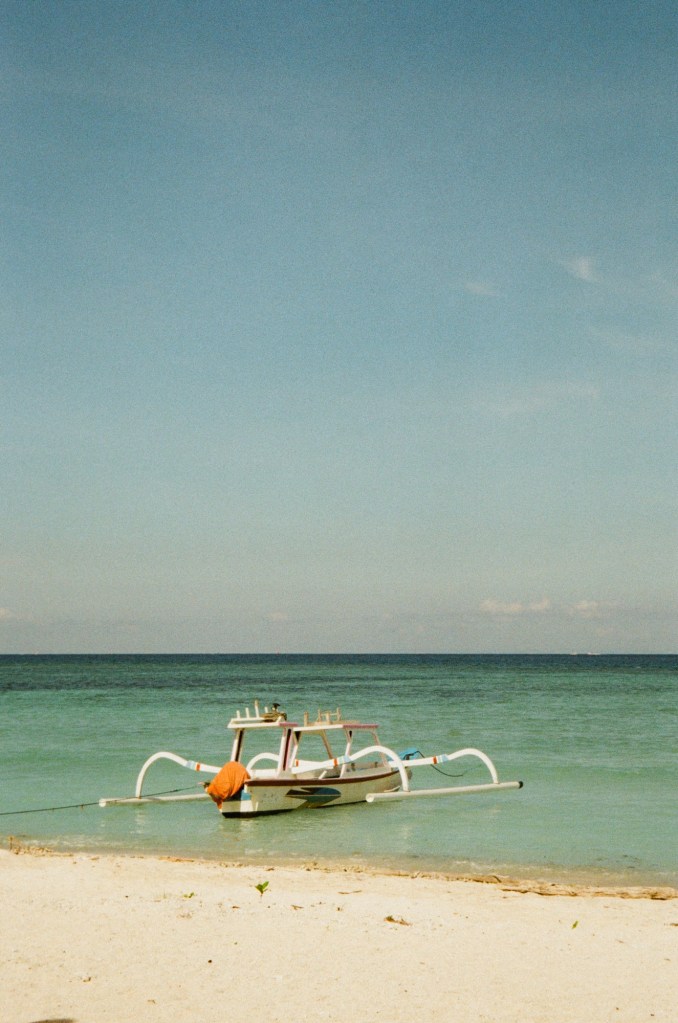
Gili Air is one of the three Gili Islands off Lombok’s northwest coast. You can get there by fast boat from Bali (usually from Padang Bai) or from Lombok in about 15 to 30 minutes. Each island has its own vibe: Gili Trawangan is the party island, Gili Meno is almost deserted, and Gili Air strikes the perfect balance between the two.
There are no cars on Gili Air — just bikes, horse carts, and walking paths — which adds to the laid-back island feel. Along the beachfront, you’ll find cozy coffee shops serving strong Indonesian brews and healthy smoothie bowls, perfect for starting your day or relaxing after snorkeling. The café scene is small but welcoming, with many spots doubling as chill coworking spaces for digital nomads.
Snorkeling here is next-level. The waters around Gili Air are crystal clear and home to vibrant coral reefs, schools of colorful fish, and sea turtles — I saw turtles every single time I went in the water. You can join snorkeling tours that take you around the island or even to nearby reefs, making for a full day of underwater exploration and swimming in secluded spots.
In the evenings, the island really comes alive in the best way. Locals and travelers gather on the beach around bonfires, singing and playing guitars under the stars. It’s a special kind of community vibe — casual, welcoming, and full of good energy. Whether it’s spontaneous jam sessions, fire shows, or just sitting around sharing stories, those nights on the beach are what make Gili Air feel like home.
While it’s definitely touristy, the island is small enough to maintain its calm and charm. I’ve returned twice and always found that same peaceful energy that makes it a perfect little bubble away from the noise of bigger islands.
Final Thoughts
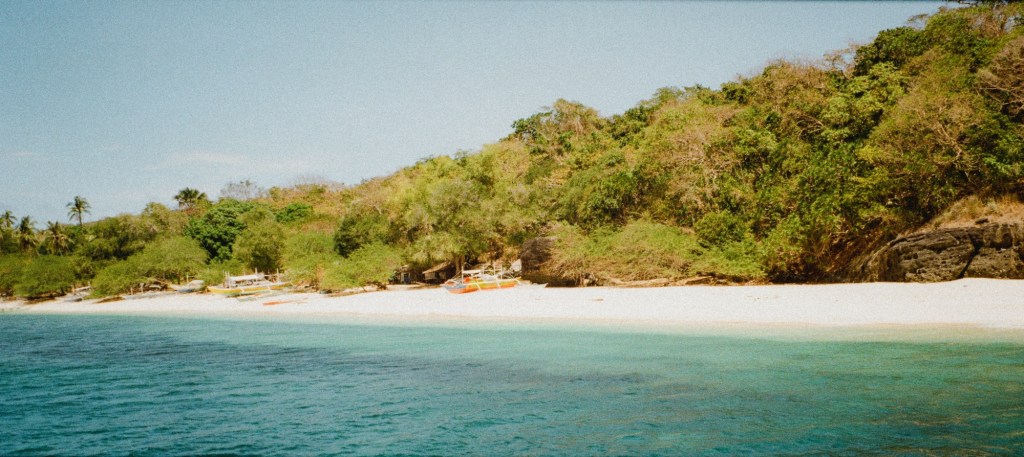
Southeast Asia has thousands of islands — and this list just scratches the surface. Between Indonesia and the Philippines alone, there are over 25,000 islands. But after spending over 7 months in this region, these are the islands that truly stood out to me.
They’re not just beautiful — they offered a feeling. Whether it was a sense of peace, adventure, or connection, each of these places gave me something I didn’t expect. I definitely lean toward islands that are laid-back, friendly, and full of nature — but what’s amazing about Southeast Asia is that there’s an island for every kind of traveler.
Whether you’re chasing waves, waterfalls, culture, or community — one of these islands will feel just right for you.
 Livslifeoncam
Leave a comment