
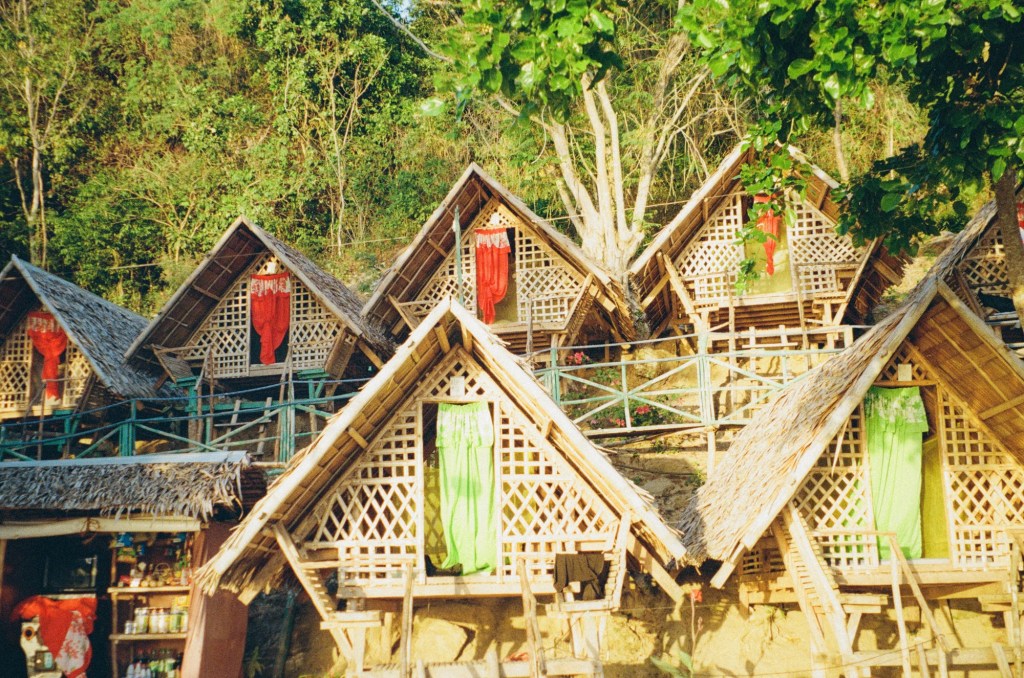
No matter what kind of traveler you are, whether you’re a hardcore budget backpacker or someone who enjoys a bit of luxury, understanding the cost of travel in different countries is key to planning your trip. If you’re traveling on a high budget and want to get the most value, visiting a low-cost country can stretch your money a lot further, letting you enjoy even more experiences, accommodations, and activities than you could in a high-cost destination. On the flip side, if you’re trying to travel cheaply, heading to an expensive country might make things tough—or even impossible, without sacrificing comfort or missing out on the experience altogether.
Over the last few years, I’ve had the opportunity to travel across five continents and dozens of countries. Some of those places were surprisingly affordable, while others were shockingly expensive—even for basic things like food and public transportation. This article isn’t about judging a country based on its cost; labeling a country as “cheap” or “expensive” doesn’t reflect its worth or value. It’s important to remember that in many low-cost countries, the low prices often reflect deeper economic challenges and inequalities. At the same time, many people living in high-cost countries also face serious financial struggles. This is simply meant to help fellow travelers understand which destinations are more budget-friendly and which ones require a bit more financial planning.
This list is based entirely on my personal travel experiences between 2022 and 2025. Prices fluctuate for many reasons, economic changes, political shifts, currency value, and global events. So while costs may rise or fall in the future, this breakdown reflects what I personally experienced at the time of my visits. I’ll be covering the cost of essentials like food, transportation, accommodation, activities, and other common travel expenses in each place.
Starting with the Cheapest Countries I’ve Visited
Let’s kick things off with the countries I found to be the most affordable. It’s important to note that I always travel with a budget mindset—but in these destinations, staying on budget felt almost effortless. In fact, they were so affordable that I often felt comfortable treating myself more than usual. When prices are low across the board, you can enjoy a few “splurges” without guilt or breaking the bank.
In many of these countries, I took advantage of things that would normally be considered luxuries elsewhere, like daily massages, specialty coffees, private rooms instead of dorms, multi-course meals at restaurants, and guided tours to hidden gems. I didn’t splurge every day, but when it made sense and was still budget-friendly, I allowed myself those little upgrades. The overall cost of food, transportation, and accommodation was so low that even adding in a few extras didn’t push me out of my budget.
These destinations are perfect for budget travelers who still want comfort, fun, and memorable experiences without constantly having to count every penny. In many cases, you can live well, support the local economy, and still spend far less than you would in a mid-range or luxury country. Whether you’re traveling long-term or just trying to get the most out of a short trip, these places make it incredibly easy to do so.
Starting off with what I think is the most underrated budget-friendly country in the world. Laos.
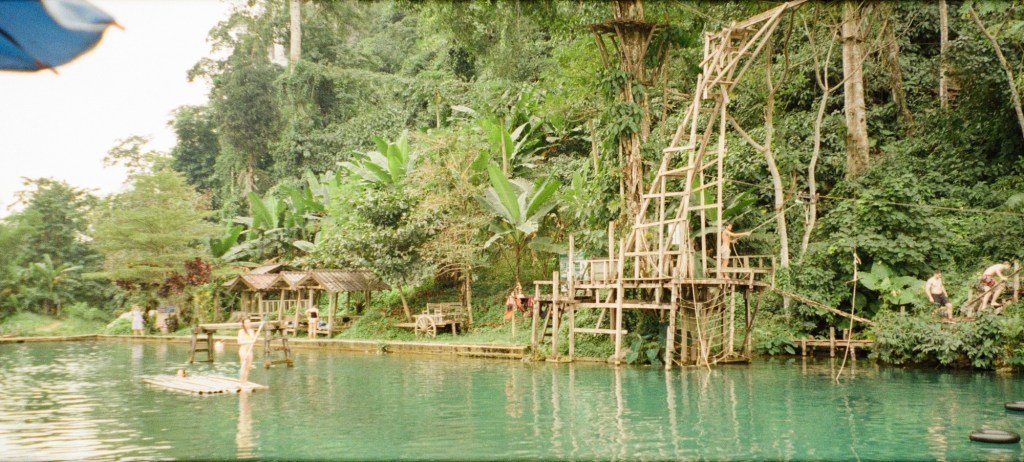
Laos is one of my all-time favorite countries for everything adventure, culture, and authenticity. It’s a place that feels raw in the best way, untouched, peaceful, and incredibly welcoming. The people are kind and warm, the culture is rich and deeply rooted in tradition, and there are so many exciting towns and cities to explore.
Adventure is everywhere. Whether it’s jungle hikes, multi-day motorbike trips, hot air balloon rides, river tubing, swimming in turquoise lagoons, or exploring charming riverside towns—Laos has it all. And the best part? All of these experiences are unbelievably affordable. I regularly found villas for under $10 a night and dorm beds for as low as $4–$5 in most cities. Meals typically cost between $1–$4, and you can usually grab a cold local beer for about $1.
Transportation is just as budget-friendly, whether you’re hopping on a tuk-tuk, catching a sleeper bus, or renting a scooter. Even guided tours, entrance fees, bike rentals, and adrenaline-pumping activities like paramotoring were all super affordable. I was constantly shocked by how little I was spending, especially when comparing it to neighboring Thailand—which used to be this cheap but has definitely grown more expensive over the years. If you’re looking for a country that’s authentic, adventurous, a little less traveled, and incredibly budget-friendly, Laos should be at the top of your list.
Next up is one of Laos’ neighbors, Vietnam.
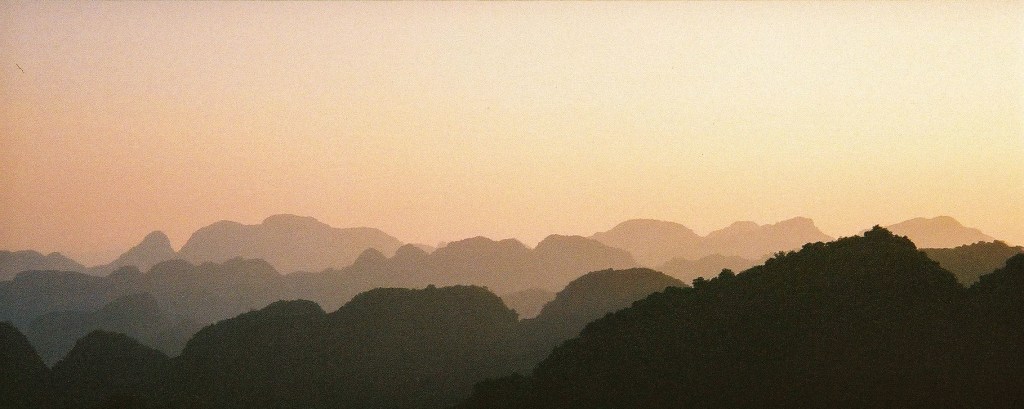
Vietnam is a bit more on the radar in the travel world, meaning it has better infrastructure and a more established tourism scene than Laos, but it still remains incredibly affordable. And honestly, Vietnam has so much to offer—from north to south.
There are vibrant mountain towns like Sapa and Ha Giang, tropical beaches in places like Da Nang and Nha Trang, surreal landscapes like the sand dunes in Mui Ne, and underground wonderlands like the massive caves in Phong Nha. You’ll find rich history, colorful traditions, world-famous street food, and some of the kindest people in Southeast Asia. The cities are hectic in the best way, buzzing with energy, scooters, and street markets, but they’re also full of character and charm.
Transportation is where Vietnam truly shines. The country has some of the best and most affordable long-distance travel options in the region. Clean, comfortable, and surprisingly luxurious sleeper buses and trains make it easy to travel across the entire country on a backpacker’s budget. A 10-hour ride might only cost you a few dollars. Accommodation is similar to Laos, with dorm beds usually priced between $5–$10, and private rooms available for $10–$15 depending on the location and season.
Food in Vietnam is a dream. Not only is it incredibly cheap (meals often cost just $1–$3), but it’s also consistently delicious. From steaming bowls of pho and crispy banh mi to fresh vegetarian spring rolls, every meal is a treat. Drinks like Vietnamese coffee, smoothies, and beer typically cost around $1–$2. Even activities and tours are super affordable, I did a three-day Ha Long Bay cruise, all-inclusive with transport, excursions, and amazing food, for just $100 USD. Vietnam sets the standard for budget-friendly travel with incredible value, adventure, and culture packed into every corner.
Now let’s talk about what I think is the most underrated country in Europe—Albania.
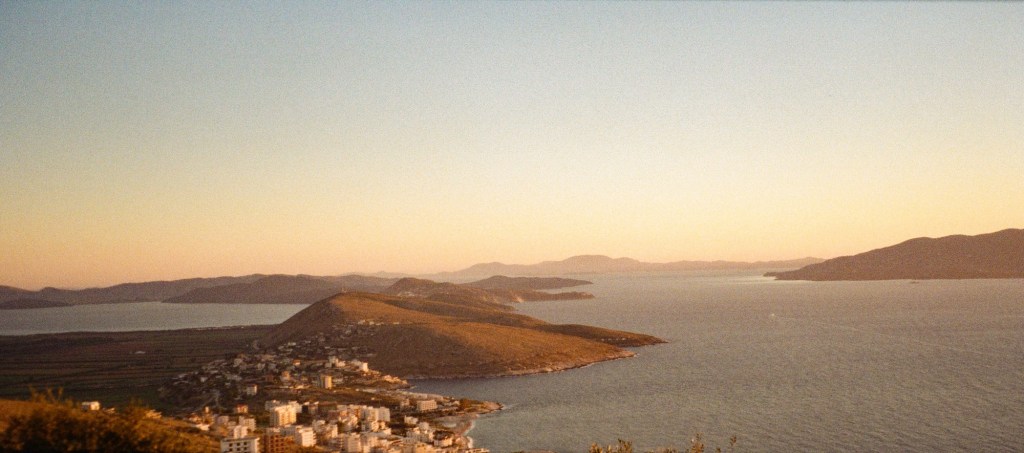
Albania is absolutely packed with beauty: jaw-dropping mountains, peaceful villages, vibrant cities, rich history, and sparkling coastlines. From the Albanian Alps in the north to the turquoise beaches in the south, it has everything you could want in a European destination, without the European price tag.
In the north, you’ll find some of the best hikes in Europe, hidden waterfalls, and scenic valleys with little villages that feel like they haven’t changed in decades. In the center of the country, you can explore historic towns filled with castles, Ottoman architecture, art, and culture. And the south? Think Greek island vibes, minus the crowds and inflated prices. The coast is dotted with charming towns, crystal-clear water, and traditional Balkan hospitality.
Despite how incredible it is, Albania is still shockingly affordable. It’s slowly getting more popular, so prices are rising a bit, but it’s still one of the cheapest countries in Europe. I paid around $10 per night for dorm beds, while in most of Europe, you’re lucky to find one for under $30. Meals usually cost between $2.50–$6, and a strong espresso is rarely more than $1. I traveled across the country using the local bus system, which was both cheap and simple to navigate. Most long-distance bus rides cost around $5, even if they lasted 6–7 hours.
Most of the activities I did were free—like hiking, swimming, and wandering through old towns, but even the paid tours and excursions I joined were affordable and super fun. Albania truly is a gem. It reminds me a lot of how Croatia used to be before its tourism boom. If you’re looking for natural beauty, culture, and low costs in Europe, go to Albania now, before it catches up with the rest of the continent.
Lastly, the beautiful and diverse country of Indonesia.

To be clear, I’m talking about Indonesia as a whole excluding the island of Bali. Now don’t get me wrong—Bali can be affordable compared to Western countries, and it does offer good value for certain luxuries. But Bali is no longer a true “budget destination” compared to the rest of Southeast Asia. It’s highly developed, packed with tourists, and heavily influenced by Western culture. For a more affordable and authentic Indonesian experience, I recommend exploring beyond Bali.
Java, for example, was one of the most affordable places I visited in Southeast Asia. Dorm beds cost around $4–$7 per night, meals were often just $1–$3, and even long-distance transport like overnight buses or 10+ hour train rides cost less than $15. The food was incredibly flavorful, the locals were kind and curious, and the natural landscapes were just unbelievable.
I climbed and explored three volcanoes, visited one of the country’s tallest waterfalls, and explored ancient temples, all on a tight budget. In Lombok, I treated myself to massages. In the Gili Islands, I got facials and sipped smoothies by the beach. In Flores, I splurged on seafood dinners. In Java, I spoiled myself with artisan lattes. The prices were so low that even occasional splurges didn’t hurt my wallet.
Even better, my time in places like Java, Lombok, Komodo, and Flores felt more culturally rich and authentic than my experience in Bali—mainly because they’re less touristy and haven’t been as influenced by globalization. Indonesia is massive, diverse, and offers so much more than just Bali. If you’re willing to step off the well-worn path, you’ll find adventure, beauty, and culture, at a fraction of the cost.
Next, let’s move on to the countries that put a much bigger dent in your wallet.
These places are definitely still doable on a budget, but only if you plan carefully, stay flexible, and are willing to sacrifice a bit of comfort. Even basic expenses like food and transportation can eat through your daily budget faster than you’d expect. In many of these countries, I found myself spending a significant chunk of my budget on accommodation alone. That meant I had to cut costs in other areas, like eating cheaper meals, limiting paid activities, or taking public transportation instead of easier options.
In some cases, I was able to find semi-budget-friendly places to stay, but they often came with trade-offs—like being in a less ideal location or staying somewhere with lower-quality facilities. So if you’re traveling here on a tight budget, expect to make some compromises. That said, if you’re someone for whom money isn’t a major concern, you might not find these destinations expensive at all. Everyone has a different travel style and spending threshold—this is simply what I experienced during my time in these countries.
Starting off with Switzerland. Hands down one of the most expensive countries in the world, and definitely the most expensive country I’ve visited in all my travels.

The cost of traveling and living here is so high that it’s almost impossible to stay on a budget for very long without things getting extremely uncomfortable, extremely fast. Budget travel options are incredibly limited. The cheapest accommodation you’ll find is usually camping, assuming you have your own gear and are comfortable roughing it. Hostels do exist, but many are priced upwards of $80–$100 a night, which is more than the cost of a luxury hotel in some other countries.
Transportation is also shockingly expensive. Trains, cable cars, and scenic rides through the Swiss Alps can drain your budget quickly. That said, they are some of the most breathtaking journeys in the world, winding through snowy peaks, alpine lakes, and lush valleys, but you’ll pay a premium for those views. Activities don’t come cheap either. Gondola rides, chairlifts, and entrance fees to mountain lookouts or hiking trails can cost over $100 per person.
And then there’s the food. A sit-down meal at a regular restaurant will typically cost between $25–$50 per person, and that’s for something fairly basic. If you want a nice dinner or dine out in one of the scenic mountain towns, expect to pay well over $100. Even trying to save money by shopping and cooking for yourself isn’t much help—grocery store prices are some of the highest in Europe, and ingredients for simple meals can still break the bank.
Switzerland is without a doubt one of the most visually stunning countries I’ve ever seen. The mountains are majestic, the lakes are crystal-clear, the cities are spotless and beautiful, and everything is clean, efficient, and orderly. But unfortunately, all that beauty comes at a steep cost, and for most travelers, there’s very little wiggle room to make it a budget-friendly destination.
Next up is the tiny yet powerful country of Singapore. An expensive outlier in the middle of Southeast Asia’s budget-friendly landscape.

While small in size, Singapore stands out for its modern skyline, spotless streets, strict laws, and unique cultural blend. It’s truly a melting pot of Chinese, Malay, Indian, and Western influences, which makes it a fascinating place to explore. It’s also known for having some of the world’s most luxurious accommodations, top-rated restaurants, and high-end experiences, so yes, it’s definitely expensive.
But what makes Singapore interesting is that, despite the high prices, it’s still possible to travel here on a budget. While most hotels can cost hundreds or even thousands per night, I found hostels for around $30–40, many of which were clean, social, and centrally located. Public transportation is also a big win—it’s safe, incredibly efficient, and relatively affordable. The MRT (subway) system can get you just about anywhere for only a couple of dollars, making it easy to avoid costly taxis.
Food is where budget travelers really thrive in Singapore. Even though the city has world-renowned fine dining, you can eat Michelin-rated meals for as little as $4–8 at hawker centers, which are casual, open-air food courts found throughout the city. The food is delicious, fast, and budget-friendly.
As for activities, there are certainly high-end experiences available, but there are also plenty of free or low-cost things to do. I found that prioritizing what I wanted to see made a huge difference. You can watch the nightly light show at Marina Bay for free, wander through Gardens by the Bay, explore colorful neighborhoods like Little India and Kampong Glam, and even walk along the waterfront for some incredible views. Singapore might be expensive, but it doesn’t have to be out of reach, especially if you travel smart.
Next is a country in the Middle East known around the world for its extreme luxury, the United Arab Emirates.
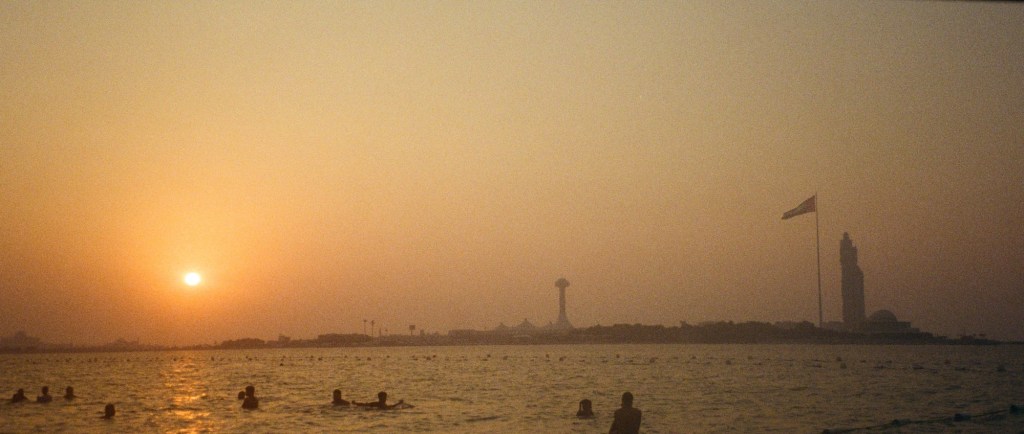
Best known for its glittering cities of Dubai and Abu Dhabi, the UAE is a land of skyscrapers, designer everything, and experiences that often feel like something out of a futuristic movie. It’s home to the world’s only 7-star hotel—the Burj Al Arab, where rooms can cost thousands of dollars per night, and luxury is taken to a whole new level.
While the UAE is undeniably lavish, it can be very difficult to explore on a budget. I did find hostels, but even the most basic options were priced at a minimum of $30–$40 per night. And these weren’t particularly luxurious hostels, they were often small, with limited amenities. Hotel prices, especially in central areas or near popular attractions, were easily hundreds of dollars per night.
Getting around is also a challenge if you’re on a budget. The public transport system in Dubai is clean, modern, and well-connected, but it isn’t particularly cheap, and because the weather is often unbearably hot, walking long distances really isn’t an option. Most people rely on metro systems, taxis, or rideshares, which can quickly add up.
When it comes to food and drink, the cost is comparable to cities like Zurich, New York, or Los Angeles. While there are some more affordable options, the UAE is packed with high-end restaurants, glamorous rooftop lounges, five-star brunches, and extravagant dining experiences. A casual meal can easily cost $20–$30, while fine dining often runs into the hundreds.
The UAE is also known for having some of the most over-the-top, extravagant attractions in the world. Think indoor ski slopes, massive aquariums inside malls, luxury car vending machines, and private helicopter tours. It’s a place where nearly every experience is designed to impress, and often comes with a jaw-dropping price tag. The streets are filled with Lamborghinis, Ferraris, and Rolls-Royces. People walk around draped in designer labels, and shopping malls feel more like palaces.
While the UAE offers a truly unique travel experience filled with luxury, modernity, and spectacle, it’s certainly not a budget destination. It’s a place to visit when you’re ready to splurge—or to stop by for a quick taste before continuing on to more affordable destinations.
Lastly is Japan, a futuristic country that beautifully blends the old and the new.

Japan can be an expensive place to visit, but if you plan carefully, it’s definitely possible to explore on a budget. The country is full of rich culture, amazing food, clean and high-tech cities, and some of the best public transport in the world. It’s a mix of tradition and modern life, where ancient temples sit beside neon-lit skyscrapers.
That said, Japan can be pricey. Bullet train rides (known as Shinkansen) and long-distance transport are some of the biggest expenses, and city metro tickets add up quickly. Attractions and activities are usually set at standard prices, so you won’t find many discounts—but they’re often worth it for the experience.
What helps budget travelers is how affordable food and accommodation can be. Japan is known for its unique and budget-friendly capsule hotels, which are clean, efficient, and often cost less than a regular hotel. Hostels are also widely available and reasonably priced. When it comes to food, convenience stores like 7-Eleven, Family Mart, and Lawson are lifesavers. You can find tasty, fresh meals—like onigiri (rice balls), noodles, or bento boxes—for just a few dollars. Street food and quick-service spots also offer great meals for cheap.
While you’ll likely spend more on transportation and activities, it’s easy to save on food and accommodation. With the right planning, Japan doesn’t have to break the bank—and you’ll still get to experience one of the most unique and fascinating countries in the world.
Final Thoughts
Don’t let the expensive countries scare you off, traveling on a budget is still possible with the right planning and mindset. While some destinations cost more than others, every country falls somewhere along this spectrum. Around the world, the cost of living and traveling varies greatly, and it’s important to keep that in mind when choosing your next destination. Whether you’re looking to splurge or stick to a tight budget, there’s always a way to make travel work for you, you just have to be flexible, do your research, and prioritize what matters most.
 Livslifeoncam
Leave a comment