

When you picture the ideal Hawaiian vacation, you’re probably imagining a beautiful, sunny day on a white sand beach with crystal-clear waters, palm trees swaying overhead, and lush green mountains as your backdrop. It’s no surprise that the summertime is the most popular time to visit Hawaii. There are a couple of reasons for that: Hawaii has distinct wet and dry seasons, and its dry season lines up with the Northern Hemisphere’s summer. Plus, since Hawaii is a U.S. state, many Americans choose to travel there during summer school breaks or holidays.
But as ideal and picture-perfect as Hawaii in the summer seems, traveling during peak season comes with some downsides—like crowds and high prices. After living on the islands for three years and experiencing Hawaii in every single month and weather pattern, I’ve learned that visiting in the winter can be just as—if not more—magical. While Hawaii does have a rainy season, that doesn’t mean it pours every day. And the rainy season brings its own unique beauty, fewer crowds, and lower costs. In this article, I’m sharing why I think winter is one of the best times to experience Hawaii—and why you’ll leave with a different, richer experience than in the summer.
1. Fewer Crowds and a Slower Pace

With the exception of the Christmas and New Year holidays, winter tends to bring significantly fewer tourists to the islands. Now, to be clear—there are always tourists, especially on Oahu—but you can definitely feel when things have quieted down.
In my experience, the quietest months were October, parts of November, late January, and early February. These shoulder-season months avoid major holidays like Thanksgiving and Christmas, which means less traffic, fewer people on the beaches, and lower prices on everything from accommodations to taxis.
Even places that are usually packed, like Waikiki or Lanikai Beach, start to feel a little more peaceful. And if you’re exploring more remote parts of the islands or visiting the neighbor islands like Kauai or the Big Island, the vibe is even more laid-back. You’re not jostling for a spot on the beach or waiting in line for a poke bowl—you’re just there, enjoying the islands the way they were meant to be experienced: slow and easy.
2. Lower Flight Prices
One of the biggest perks of visiting Hawaii in the winter is the dramatic drop in airfare—again, excluding the December holidays. For example, round-trip flights from New York City to Honolulu in July often cost over $1,000. But in October, November, January, or February, you can find flights anywhere from $300 to $600 round-trip. That’s a huge difference.
If you’re flying from the West Coast, the flights are shorter and cheaper to begin with, but you’ll still notice a significant dip in prices during the winter months. This means you can either save money or use that budget for other experiences—like a surf lesson, helicopter ride, or extra nights in a beachside bungalow.
3. A Different Kind of Beauty: The Rainy Season’s Lushness
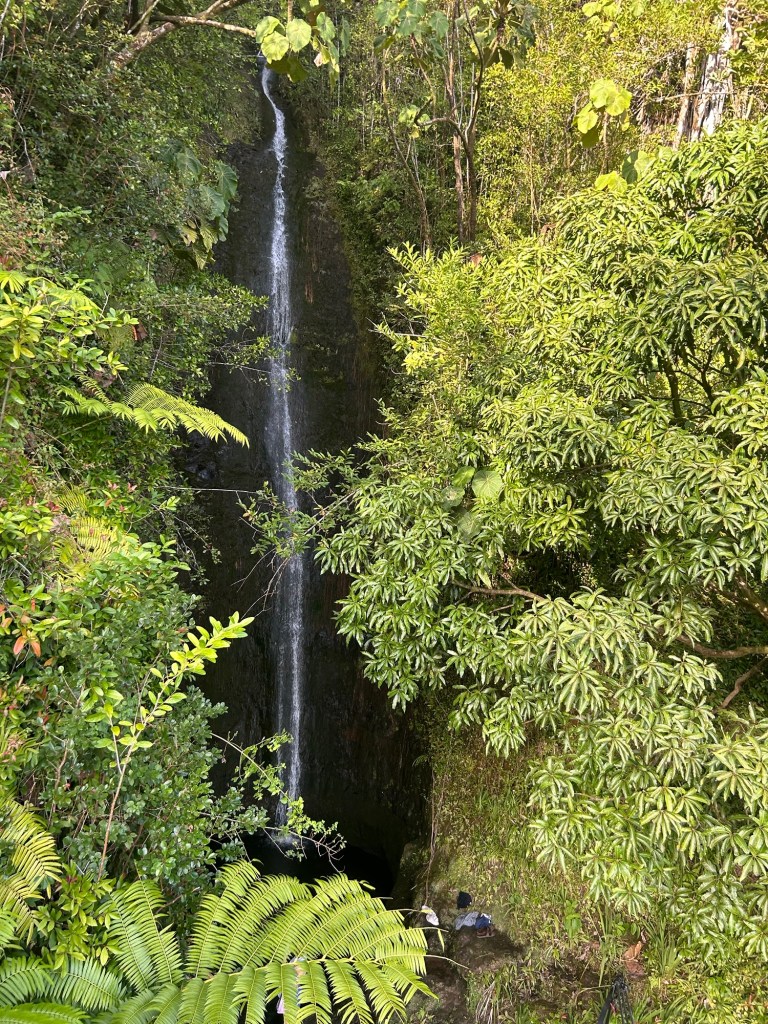
Winter is technically Hawaii’s rainy season—but don’t let that scare you off. The rain tends to come in short, scattered showers that are often followed by iconic Hawaiian rainbows. Most days still have hours of sunshine, and it’s totally possible to have a week of mostly dry, beautiful weather even during the rainy season.
One of my favorite things about this time of year is how the rain transforms the islands. The mountains, especially in central Oahu and along the Koʻolau range, become incredibly lush and green. You’ll notice it immediately. In summer, the peaks of Diamond Head and Koko Head often look dry and even a bit dusty with a burnt-orange hue. But in the winter, they become deep emerald green—vibrant, rich, and alive.
Being in the mountains when there’s a bit of mist in the air, fog hugging the ridgelines, and this electric green all around you? It’s absolutely breathtaking. It’s the kind of beauty you don’t get in the summer, and it adds a different layer to the island experience. Plus, with the frequent rainbows and moody skies, you get some of the most stunning photo ops imaginable.
4. Still Warm (and Still Beach-Perfect)
If you’re wondering whether Hawaii gets cold in the winter—the answer is: not really. Sure, there’s a drop in temperature, but it’s pretty minor. You’ll mostly feel it in the early mornings or evenings when it’s a bit cooler and breezier. Locals may swap out shorts for a light sweater or throw on a pair of pants at night, but for visitors coming from places with actual winter? Hawaii will still feel like paradise.
I’m still wearing a bathing suit every day, going to the beach, and swimming in the ocean. The water remains warm and swimmable year-round. The rain, when it comes, is warm too—and it’s honestly kind of magical to be in a tropical place where it’s raining but still warm enough to be barefoot in a tank top. It’s not the kind of cold and wet that sends you inside. It just adds to the adventure.
5. Winter = Big Wave Season on the North Shore
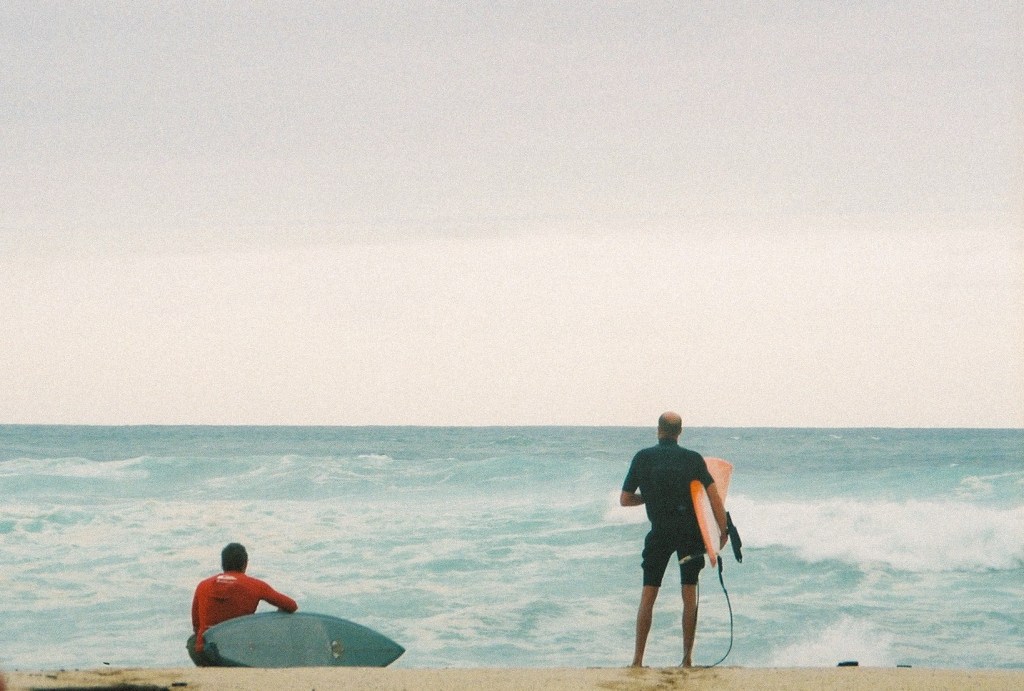
This is the reason I tell people not to overlook Hawaii in the winter.
The North Shore of Oahu comes alive during the winter months with big wave season. It’s world-famous for a reason. From November through February, the North Shore hosts some of the biggest and most iconic surf competitions in the world. Think Vans Triple Crown, Eddie Aikau Invitational (if the waves are big enough), and Pipeline Masters. You’ll see some of the most elite surfers on the planet—Olympians, world champions, and local legends—taking on waves that are sometimes 30+ feet high.
Even if you’re not a surfer, watching these pros carve into monstrous waves is mesmerizing. The energy is unreal. Locals and tourists alike gather on the sand, cheer from the rocks, and soak in the powerful connection between the surfers, the sea, and the land. You’ll also find surf film premieres, parties, and local events happening in town during competition weekends. There’s truly nothing else like the North Shore during this time—it’s a cultural experience as much as a sporting one.
In the summer, this same coastline is nearly flat and calm—perfect for snorkeling or swimming, but it lacks that intense and dynamic energy of winter surf season. If you want to witness a piece of Hawaii’s heart and heritage, winter is the time to do it.
Final Thoughts

Don’t get me wrong—Hawaii is beautiful all year round. But if you’re looking to skip the crowds, save money, and witness a different, greener, and more authentic side of the islands, winter is the perfect time to go. You’ll still get your beach days and sunsets, but you’ll also discover a side of Hawaii that most tourists miss.
Whether it’s the misty mountains, the world-class surf, or the gentle rhythm of a slower season, there’s something incredibly special about Hawaii in the winter. And who knows? You might just fall in love with the islands in a whole new way.
 Livslifeoncam
Leave a comment