

Sometimes we find ourselves in destinations or countries that tend to appear in the news for all the wrong reasons. Whether it’s due to recent political unrest, ongoing or past wars, poverty, safety concerns, or high crime rates, these places often carry a heavy reputation. When you hear the name of a country like this, your first thought usually isn’t something positive. I’ve traveled to several countries that fall into this category. Some were experiencing conflict at the time, others had endured major war in the past, and some are often labeled unsafe or dangerous.
For me, the headlines and stereotypes haven’t been reasons to stay away. Instead, they’ve encouraged me to stay more aware, make thoughtful choices, and move with more intention while I’m there. But beyond the need for caution, there’s something deeper I’ve found in these places. There are powerful moments and unexpected connections that rise to the surface in countries that have known hardship. These experiences have completely reshaped how I view so-called “unsafe” or “unstable” destinations.
In this article, I want to share stories from five different countries I’ve visited that have either gone through war, conflict or high levels of crime or are still experiencing it today. Many of the feelings and insights I’ve taken from these places apply across the board, so I’ll be reflecting on both personal experiences and the larger lessons I’ve learned. Before we begin, I want to be clear that I’m not encouraging anyone to travel to an active war zone or put themselves in immediate danger. My goal is to offer a shift in perspective, especially when it comes to understanding the people who live in these places and continue to find strength and beauty in their day-to-day lives.
Yemen
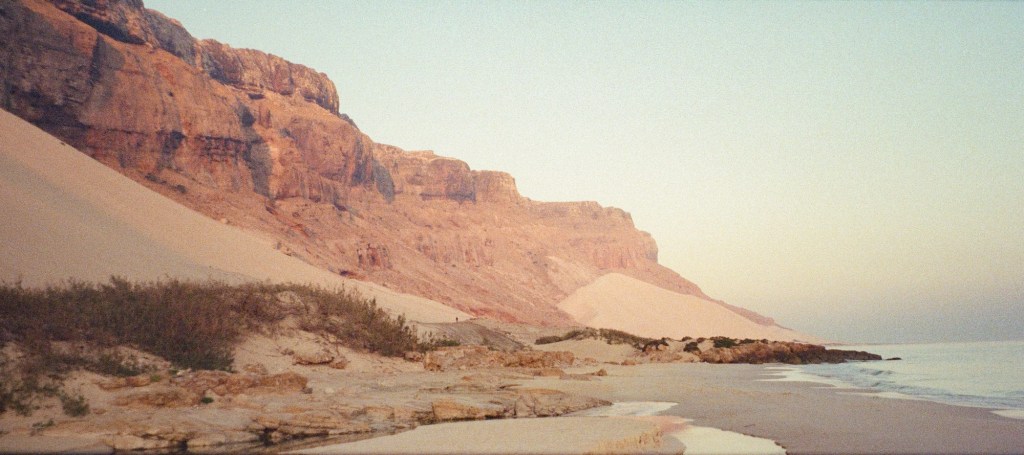
First up is the controversial and high-conflict country of Yemen. While I didn’t travel to the mainland, I visited an island off the coast that is technically part of Yemen. This island is called Socotra. It sits south of mainland Yemen and just east of Somalia. Although Socotra belongs to Yemen, it exists in a very different political and cultural atmosphere than the mainland.
Despite the island’s separation from the mainland’s conflict, Yemen as a whole remains in the news as a place associated with war, terrorism, and instability. Before visiting, I wasn’t sure what to expect. I assumed there would be strong signs of unrest or tension, but instead I found something completely different. Socotra felt untouched, remote, and deeply peaceful. The local people there often prefer not to associate themselves with the conflict happening in the rest of the country. They live their lives apart from the chaos, yet because they carry Yemeni passports and identities, they are still judged by the world through the same lens of conflict.
This disconnect is part of what made the trip so meaningful for me. The people on Socotra welcomed me with open arms, full of respect, warmth, and genuine curiosity. Tourism is still very new there, and because they rarely see visitors, their appreciation for guests is incredibly sincere. I was part of a group tour during my entire visit, and I was accompanied by local guides who knew the culture and the political climate well. Of course, I had to take precautions. There were things I saw that were difficult, like men carrying rifles or the overwhelming poverty that stems from the island’s isolation and indirect connection to the mainland’s turmoil.
But even amid the signs of hardship, what stood out to me the most was the kindness of the people. It was powerful to see how misunderstood they are by the outside world. Despite being stereotyped as part of a dangerous country, the locals of Socotra showed me more hospitality, compassion, and care than I have experienced in many places. I’ve never felt so looked after by strangers, and if I hadn’t gone into this trip with an open heart and mind, I would have missed out on one of the most beautiful and life-changing experiences of my travels.
Colombia
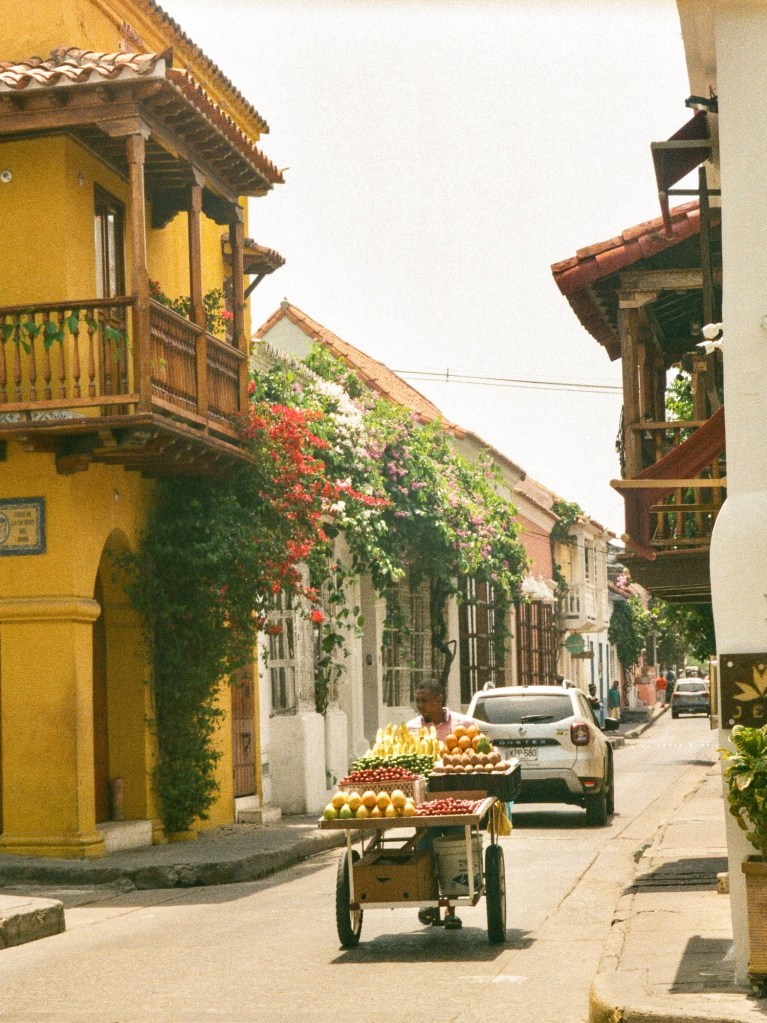
Next up is Colombia, a country that many people warned me not to visit as a solo female traveler. The concerns were mostly about crime and safety. Colombia has long been associated with drug trafficking, corruption, and petty theft, and because I was only 19 years old at the time, I faced a lot of pushback from friends and family. Many people thought it was a reckless or dangerous decision, and their concern came with a lot of disappointment and fear.
When I first arrived, I was definitely on edge. I was hyper-aware of my surroundings, constantly checking to make sure I wasn’t putting myself in a risky situation. But as the days passed, something shifted. I started to fall in love with the culture and the people. I didn’t stop being careful, and I never ignored my gut instincts, but I allowed myself to slowly move past the fear. I pushed those worries a little further into the background and made space for something else, curiosity and connection. I became more open to the rhythm of everyday life in Colombia, the energy of the streets, the warmth of the locals, and the passion that runs through every part of the culture.
Once I let go of the image that Colombia was only a place of crime and danger, I was able to experience the true heart of the country. I dove into the food, the music, the nightlife, the laughter, and the vibrant community. The more I explored, the more I realized how deeply misunderstood this country is. If I had listened to everyone who told me not to go, I never would have had some of the most meaningful and memorable experiences of my life. I never would have met the kind, joyful, and resilient people who left such a strong impression on me.
One of the best ways I’ve come to describe Colombia is that it is completely full of life. Some countries feel slow or still when you arrive, but Colombia lifts you up the moment you step in. There is energy everywhere. It pulses through the cities and the mountains, through the music and the people. It is the kind of place that fills your soul with movement and color. I am so thankful that I trusted myself, that I said yes to the unknown, and most of all, that I traveled with an open mind and an open heart.
Cambodia

Next is Cambodia, a country that experienced a devastating war and genocide in its recent history. Before arriving, I’ll be honest, I didn’t know much about what had happened there. I think that’s one of the most difficult and humbling parts of travel. Sometimes we show up in a place unaware of its past, and it can be a shock to the system when we begin to learn just how deeply the history has shaped its people, its culture, its government, and its way of life.
I visited Cambodia after traveling through several other countries in Southeast Asia. My mindset was light and carefree, like many backpackers who are chasing fun and freedom. But Cambodia brought something very different to the surface. Before arriving in Phnom Penh, I did a bit of research and was encouraged to visit the Genocide Museum and the Killing Fields. That day ended up being one of the most emotionally intense experiences of my life. I won’t go into the details, because the truth is, it was gut-wrenching. I cried through most of it, overwhelmed by the horror of what happened and filled with guilt for not having known more about it beforehand.
That visit changed something in me. It reminded me how privileged I am to be able to travel so freely, and how important it is to truly see and honor the stories behind the places we visit. As travelers, especially backpackers, it’s easy to get caught up in the excitement of cheap food, beautiful landscapes, and fun nights out. But when we step into a country that has suffered so deeply, we have a responsibility to acknowledge its past and to move through it with sensitivity and respect.
The more I learned about the Khmer Rouge regime and the atrocities of the genocide, the more interested I became in understanding how the Cambodian people live with that legacy today. I grew close to a few local guides during my time in the country, and I had some incredible conversations with them. I asked questions about their lives, their families, and how they think their country might have been different if the genocide had never happened. Their willingness to share with me was powerful. And through those conversations, I gained a deep appreciation for how far Cambodia has come.
The Cambodian people are some of the kindest and most resilient I’ve ever met. They are incredibly hardworking, generous, and full of heart. To have experienced so much loss and still move forward with strength and compassion says everything about who they are as a community. Cambodia taught me not just about the darkness of history, but about the light that can emerge from it. It reminded me that behind every conflict is a population of people who are just trying to rebuild, and who deserve to be seen for more than just the hardship their country has endured.
Laos
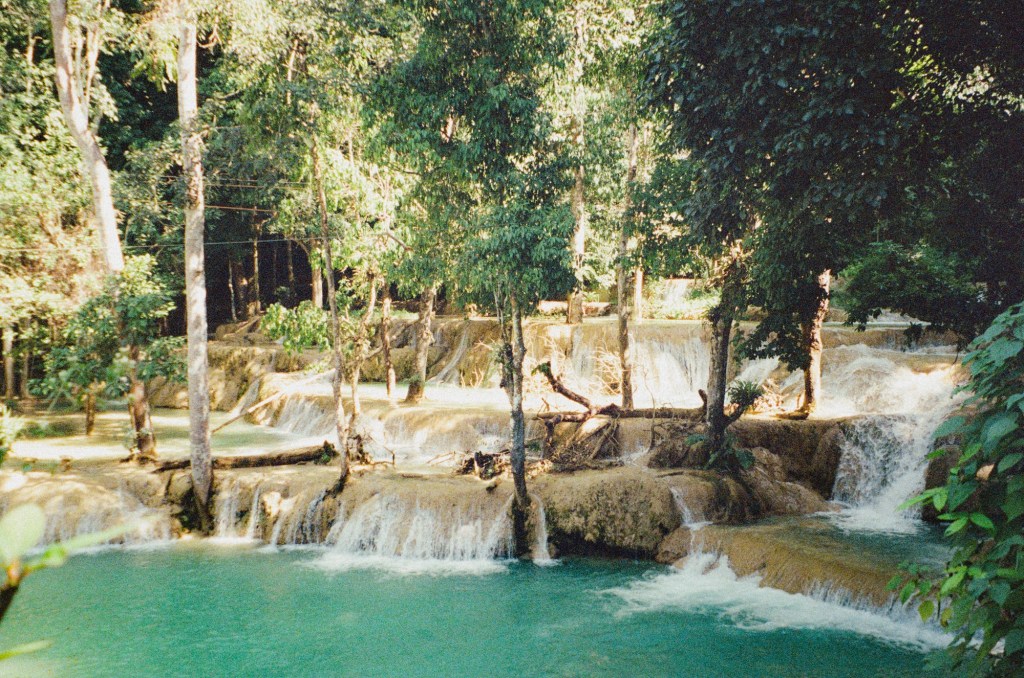
Next is Laos, a country that left me feeling deeply unsettled and heartbroken—especially in connection to my home country, the United States. Out of all the places I’ve traveled to, Laos was the one that most made me question what I had been taught growing up. During my time there, as I visited museums, watched documentaries, and dove into books about the country’s history, I was overcome with a sense of disappointment. Not disappointment in Laos, but in the lack of awareness and education I had received as an American, even after completing a college degree.
I couldn’t believe that I had never learned about what happened there. I had no idea that Laos was the most heavily bombed country per capita in the world, and that it was used as the site of a secret war during the Vietnam War era. I’ve always considered myself someone who actively seeks out knowledge about global cultures and histories, so realizing how little I knew about this was embarrassing. I felt ashamed that the actions of my own country had such a lasting and devastating impact, and yet this history had been left out of the curriculum I grew up with.
I spent nearly a month traveling through Laos, and it quickly became one of my favorite places in the world. The people were warm, gentle, and welcoming. And the more I learned about their past—especially how intertwined it is with American military involvement—the more respect I developed for their resilience. Even today, Laos still suffers from the aftermath of that conflict. There are thousands of unexploded bombs scattered throughout the country, and too many people continue to be injured, killed, or left permanently disabled as a result. Many Laotians still don’t fully understand why they were dragged into such a destructive war. They were never meant to be involved, and yet they paid an unimaginable price.
The conflict has left the country in a fragile economic state. Now, Laos faces new challenges, such as increasing pressure and influence from neighboring powers like China, which continues to invest in ways that are reshaping the landscape and testing the country’s sovereignty. As I traveled and spent time with locals, hearing their stories and learning about the long-term consequences of a war they never asked for, I carried an overwhelming feeling of guilt. It was hard not to think about how differently their lives might look today if my country had chosen a different path.
This experience taught me how important it is to go beyond what we are taught in textbooks. Just because something happened fifty years ago doesn’t mean it no longer matters. For the people in Laos, the war is still present. Its consequences are still unfolding. They are still recovering—economically, emotionally, and physically. Traveling here reminded me that as Americans, we need to do the work to understand our government’s role in global conflicts. We need to educate ourselves, especially before visiting countries that have been directly affected by our history. Laos humbled me, opened my eyes, and challenged me to become a more responsible and informed traveler. It left a lasting imprint that I’ll carry with me forever.
Israel

Lastly, there is Israel—a country that has long been in the global spotlight, often surrounded by controversy and conflict, especially in relation to its neighboring Arab countries. I visited Israel before the most recent war in Gaza began, and at the time, I didn’t fully understand the depth and complexity of the issues unfolding in the region. I knew there were tensions with Gaza and the West Bank, but I hadn’t yet grasped the history or the layers of emotion and politics tied to it all.
While I was there, I took the time to learn. I asked questions, read articles, visited different areas, and listened to people’s stories. And even though the conflict itself is heavy and heartbreaking, I also discovered a deep love and appreciation for the country and its people. Despite the ongoing struggles and the weight of global opinion, I met locals who were full of warmth, energy, and resilience. It was eye-opening to witness how much pride they had in their identity, how strongly they held onto hope, and how fiercely they loved their land and each other.
What stood out to me most was how people continued to live with joy, even in the face of fear and hardship. There is a unique strength in the culture, one that seems rooted in both tradition and survival. The people I met had experienced pain and hate, yet they still chose to live fully and love deeply. That alone taught me a lot about humanity, about resilience, and about the complexity of belonging to a country often reduced to headlines.
One of the most powerful moments of my trip was visiting a town in the north of Israel, known for its diverse religious communities. One day, we spent time in a city that is often referred to as a place of coexistence. We walked through the streets and spoke with people from different backgrounds—Jewish, Muslim, Catholic, and Druze. We listened to their stories and watched them interact, and it was moving to witness how they lived side by side. There was a sense of unity and respect that you simply don’t hear about in the news.
In a time when so much of the world focuses only on division, it was beautiful to see a different side of the story. A side where diversity was embraced, where people respected each other’s faiths, and where coexistence wasn’t just an idea, it was part of daily life. It reminded me how easy it is to misunderstand a place when we only view it through the lens of conflict.
Israel is a complex country, filled with tension, history, and unresolved pain. But it is also filled with beauty, strength, and a people who continue to move forward despite it all. What I saw there challenged my perspective. It reminded me to look beyond headlines, to listen with empathy, and to remember that even in the most divided places, there are individuals choosing love and coexistence every single day.
Final Thoughts
So take these personal experiences and stories as a reminder to travel with both an open mind and an open heart, no matter where you go. Whether you’re visiting a country that’s been in the news for positive reasons or one that has faced conflict, hardship, or controversy, don’t arrive only seeing the stereotypes. Allow yourself to look deeper.
Let your own experience shape your perception. Talk to people. Learn their stories. Be willing to challenge what you thought you knew. Because some of the most meaningful connections and the most powerful lessons come from the places we’re told to fear. And often, it’s in those places where we find the most love, the most humanity, and the greatest reminders of what it really means to be part of a loving community and culture.
 Livslifeoncam
Leave a comment