
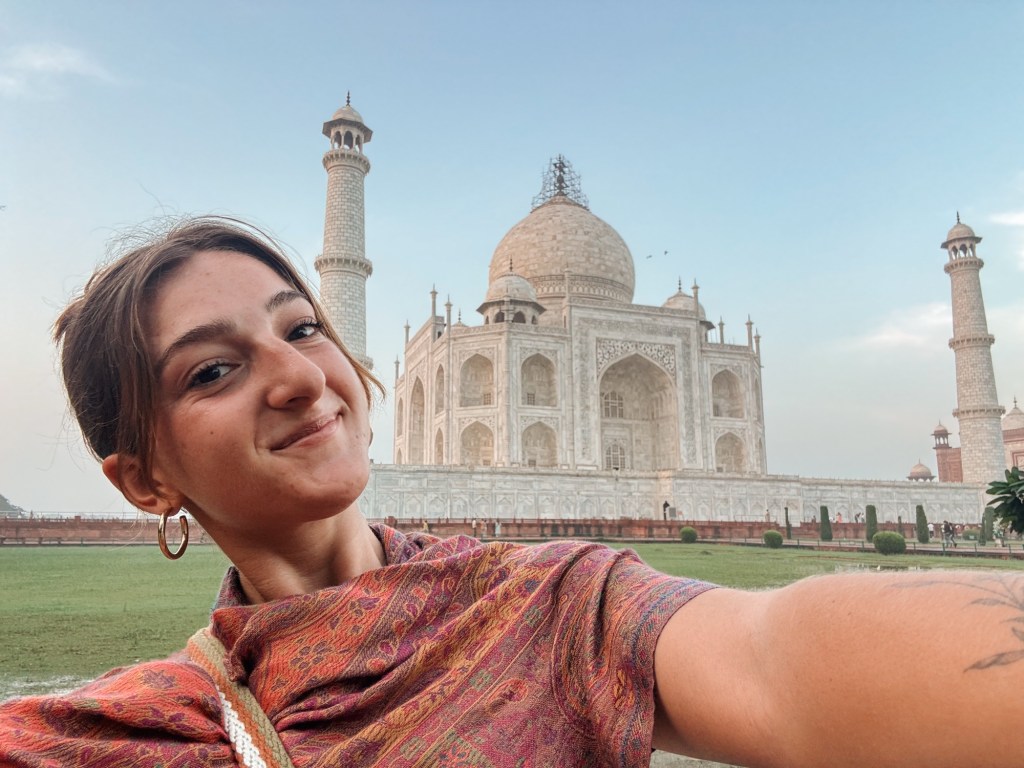
Most people, when they think of backpacking in India, immediately think of the Golden Triangle. The Golden Triangle consists of three iconic cities: New Delhi, Agra, and Jaipur. This is one of the most popular travel circuits in India because it’s packed with history, culture, stunning architecture, and some of the country’s most iconic food. It’s perfect if you want a good taste of India’s landmarks and culture without committing to a super long trip. You can explore the Golden Triangle relatively quickly, and it’s quite manageable for backpackers if you do a little research beforehand. In this article, I’m going to give you a full breakdown of how to backpack the Golden Triangle—where to stay, what to do, and even some options if you want to continue exploring India beyond these three cities. Keep in mind, when I explored the Golden Triangle, I actually spent much longer than “necessary” in each city. I wasn’t on a strict schedule, and I enjoy slowing down my travel a bit. But my recommendations here will focus on how long you really need to see the highlights if you’re trying to do this in a shorter timeframe.
TimeFrame
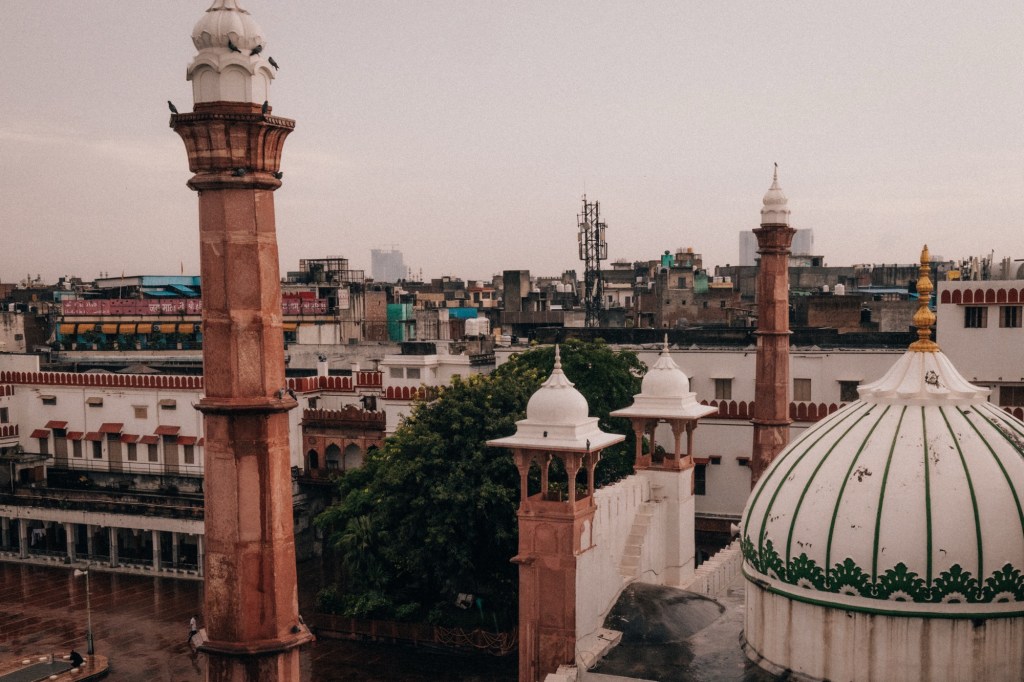
So, let’s talk about how much time you need in each city. In Delhi, I’d recommend about 2 to 3 days, maybe a bit more if you’re just landing and want some time to chill—maybe stay at a nice hotel near the airport or head straight into Old Delhi. This gives you enough time to explore all the historical sites Delhi has to offer and maybe even indulge in a food tour. You can wander through Old Delhi, check out the Red Fort, and explore the spice markets. There are also so many beautiful temples to visit. Delhi is a great place to get an immediate feel for India’s chaotic yet beautiful culture.
Next is Agra. Realistically, one to two days here is enough. The main attraction is, of course, the Taj Mahal, but you can also check out the Agra Fort and a few other sights. The city itself doesn’t have much else to offer, and there are plenty of people constantly trying to sell tours or souvenirs since most visitors come just for the Taj Mahal. That said, it’s still a nice city to visit briefly—you just don’t need to linger here too long. Personally, I didn’t feel entirely comfortable walking around on my own, so I wouldn’t recommend spending more time than necessary.
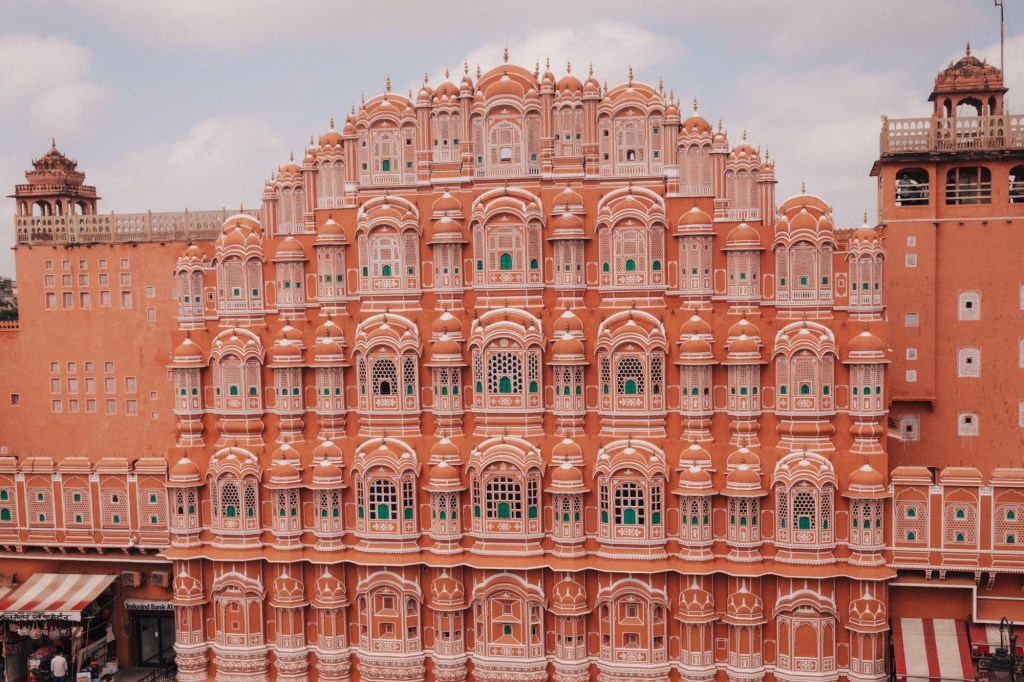
Finally, Jaipur. I’d suggest at least three to four days here. Jaipur has so much to explore and is, in my opinion, the most pleasant city of the three. From forts and palaces to temples and bustling markets, there’s no shortage of things to do. The Pink City is full of color, culture, and hidden gems, and I really enjoyed just wandering around, discovering little corners, and sampling the local food.
Overall, I’d suggest planning at least a week for the Golden Triangle, but ideally, 10 to 12 days is perfect. That way, you can move at a slower pace, soak in the culture, and let the journey unfold a bit more naturally.
Getting Around
Let’s talk about getting around and navigating transportation in the Golden Triangle. Most people fly in and out of New Delhi, as it’s the main international airport in northern India. Flying into Delhi is straightforward. You can easily take a taxi or Uber from the airport to the city center, whether that’s Old Delhi, South Delhi, or Central Delhi, depending on where your accommodation is.
From Delhi to Agra, the best options are either train or bus. Trains are very popular, but the stations can be overwhelming if it’s your first time. If you want something simpler and don’t mind adding a few hours to your travel day, the bus is a safe and easy option. I recommend booking through the RedBus app. It’s reliable and has helpful filters, such as whether the bus is air-conditioned, women-only seating recommendations, and which seats are occupied by men or women. As a solo female traveler, I felt very secure taking the bus, so that’s my top recommendation.

Between Jaipur, Delhi, and Agra, trains are also an option, but for international travelers, booking them can sometimes be tricky. If you choose this route, it’s a good idea to have a local contact or ask the receptionist at your hotel or hostel to help you book so you don’t run into any issues.
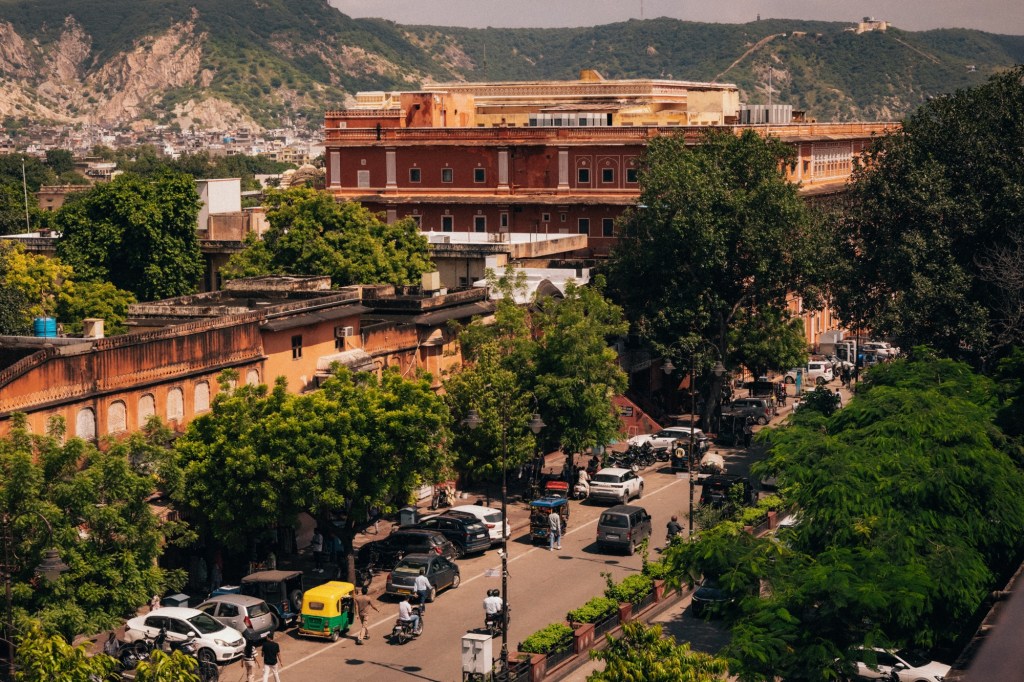
Within the cities, the easiest way to get around is usually by rickshaw or Uber. Rickshaws are everywhere, but always agree on a price before you leave. With Uber, just double-check that it’s the correct ride. You can choose between Uber Rickshaw, Uber Bike, or Uber Car, all of which are convenient and efficient. Keep in mind that traffic can get heavy, so Uber Bikes are usually the fastest way to weave through congestion.
Where to Stay
Now let’s talk about where to stay in each city. I mostly stayed at hostels, but I also checked out a few hotels, which I’ll mention as well. Staying in hostels is great, especially if you’re traveling alone. Walking around these cities by yourself can sometimes feel overwhelming, particularly at night, so having travel buddies can make everything a lot easier and more fun here in India.
In Delhi, I stayed in Southeast Delhi, which is a calmer area and a good introduction to the city if it’s your first stop in India. You still get the sights, sounds, and chaos you expect from Delhi, but the area is more developed and has some wealthier neighborhoods nearby. It’s not as hectic as Old Delhi, making it a nice base if you don’t want to be in the thick of chaos in the mornings and evenings. I stayed at Mustache Hostel Delhi, part of a popular chain across India, and I loved it. The staff were incredibly friendly, they organized social events, and they had food available. It’s a great place for meeting other travelers and having a fun, safe stay.
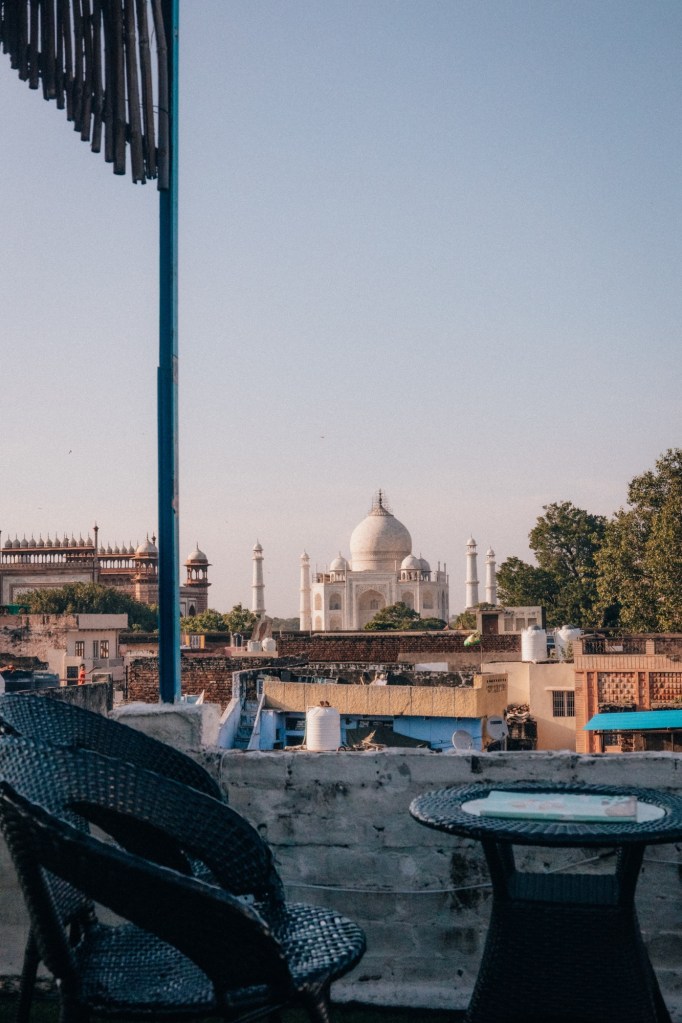
Next is Agra. I highly recommend Joey’s Hostel, which is also part of a well-known chain in India. It’s an excellent choice in Agra, especially because it has one of the best rooftop views of the Taj Mahal. From the rooftop, you can enjoy breakfast, lunch, dinner, or drinks, and they even have a free chai hour. The views are absolutely incredible, and the location is super convenient. It’s about a five-minute walk to the East Gate of the Taj Mahal, which is perfect if you want to catch sunrise. The hostel itself is clean, friendly, and well-run. You can choose between private rooms or dorms, and everything you need is provided for a comfortable stay.
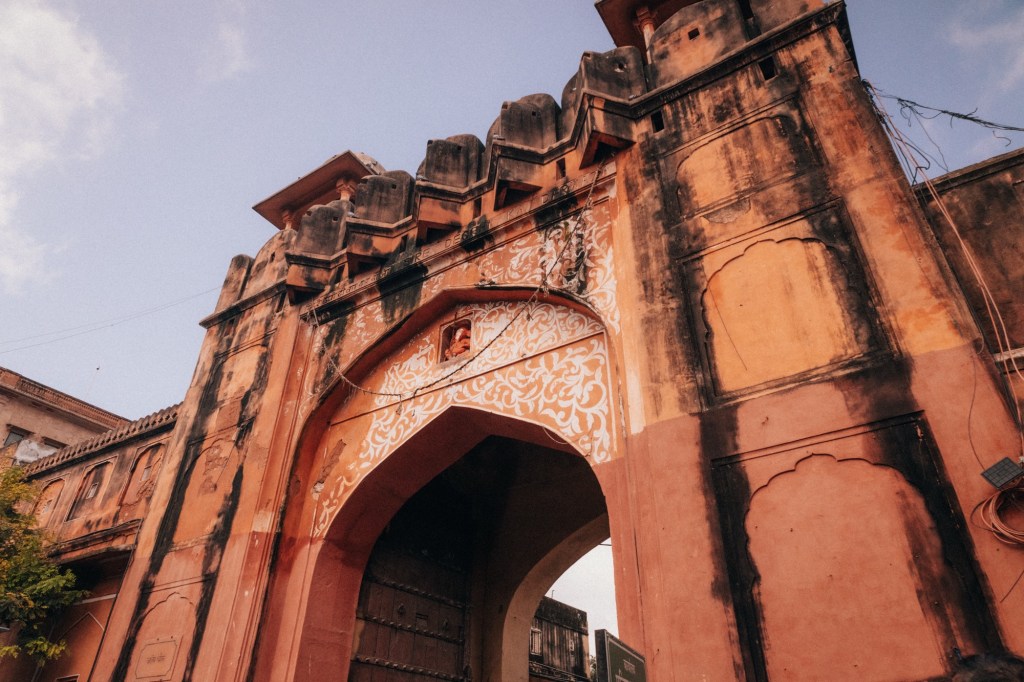
Finally, Jaipur. While I was in Jaipur, I was volunteering and stayed at Chillout Hostel. Chillout Hostel has a unique, relaxing atmosphere and makes a great base for exploring the city. They have a rooftop with a vegetarian restaurant where you can enjoy breakfast and dinner, as well as some beautiful private rooms and dorms. Other reputable options in Jaipur include Mustache Hostel and Zostel, which are reliable chains across India. If you’re looking for something more luxurious, Jaipur is the place to splurge. I had the opportunity to stay at Rajasthan Palace, which was absolutely stunning. The architecture, colors, room, pool, and service were incredible. It’s a perfect way to either end your time in the Golden Triangle or treat yourself to a slightly more relaxed, luxurious experience after a few days of chaotic travel.
Further Exploration

If you’re looking to extend your Golden Triangle trip, there are some amazing cities in Rajasthan not far from Jaipur that make for a great extra one to two-week adventure. You can easily reach them by bus or train. Some of my top recommendations are Udaipur, Pushkar, and Jodhpur.
Udaipur, known as the Lake City, is absolutely beautiful and scenic. The city has countless rooftop bars and cafés where you can take in stunning views of the lakes while relaxing. Pushkar has a spiritual, hippie vibe and is home to one of the oldest and holiest lakes in India, Pushkar Lake. The atmosphere here is so unique that I could have spent weeks just exploring the town and soaking it all in. Lastly, Jodhpur, the Blue City, has a charming desert feel and plenty of historical sites to explore. All three cities can be visited in a loop, and you can return to Jaipur before heading back to Delhi if that’s where you’re flying in and out.
Final Thoughts
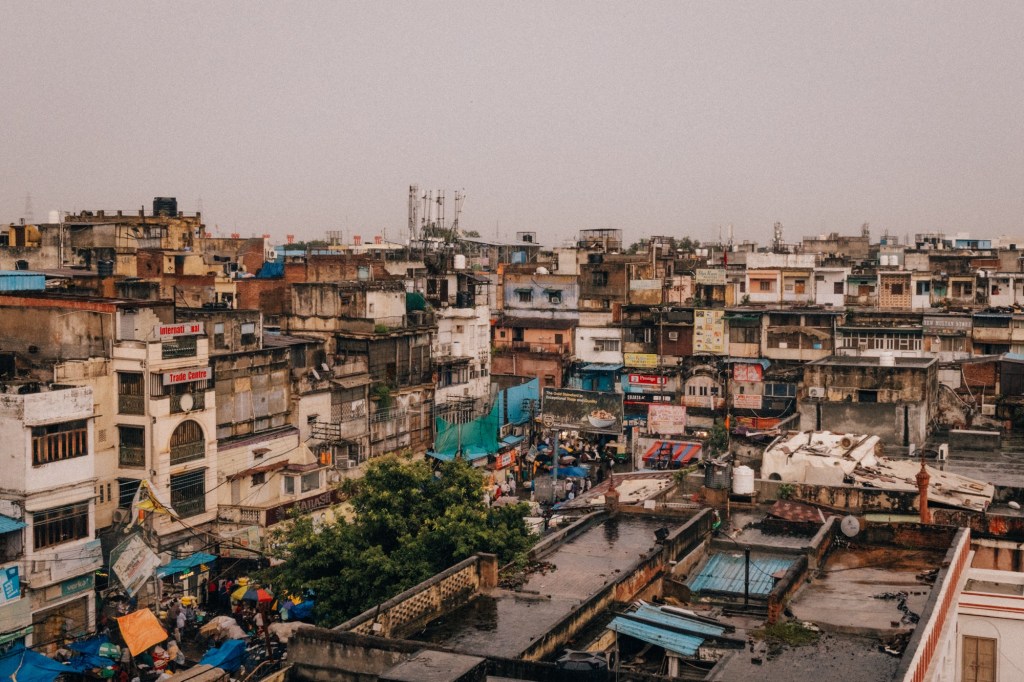
The Golden Triangle is really the classic backpacking itinerary for northern India. Even though it’s well-traveled, it’s packed with history, charm, and so much to see and do. One of the most incredible things about traveling in India is how much the culture changes every 100 kilometers. From the food to the language, dress, and local customs, every place feels different. Experiencing this diversity in such a short stretch is what makes backpacking the Golden Triangle so special and gives you a true taste of India’s richness and variety.
 Livslifeoncam
Leave a comment