
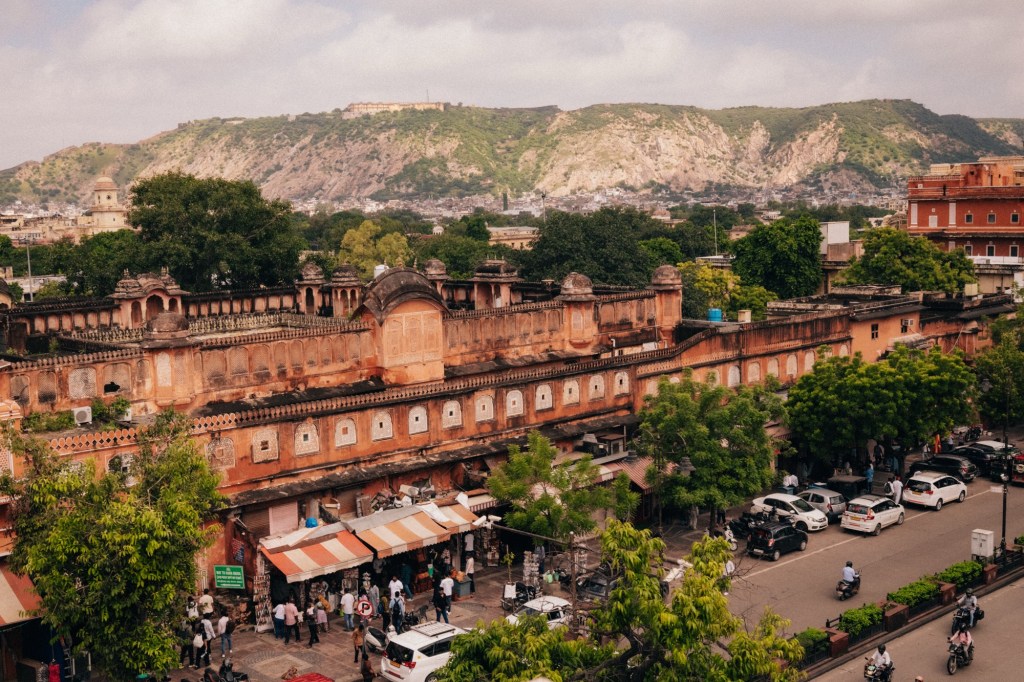
After spending the past month traveling through India, I’ve realized just how much food is woven into the heart of the culture and daily life here. With every meal comes a lesson in history, tradition, and even religion, since so many dietary choices are tied to beliefs and customs. What I once thought of as “Indian food” turned out to be the Westernized version I had grown up seeing in restaurants back home—delicious, yes, but nowhere near as diverse or authentic as what I’ve experienced here. Traveling from region to region, I’ve been amazed by how dramatically the dishes change, not only in flavor but also in the way they’re prepared, the ingredients used, and the meaning behind them. Each spice and combination tells a story, and I’ve found myself appreciating the thought and care that goes into every plate. So, after a month of tasting, observing, and learning, I want to share the things I wish I had known about Indian food before I arrived.
Regional Differences
One of the first things I realized in India is just how huge the regional differences in food really are. I had expected some variation, but the diversity is far greater than just “north versus south.” Each state, and often each region within a state, has its own style of cooking, signature dishes, and flavor profiles. I started my journey in Ladakh, where the food carries a strong Tibetan influence. Here, you’ll find warming soups, freshly steamed momos, and flavors that lean more toward Central and East Asian cuisine. The dishes are much lighter compared to the rich, spice-heavy curries that most people typically associate with Indian food.
The contrast between north and south Indian cuisine is probably the most well-known, but even within those broad categories, the differences are striking. South Indian food is often lighter and considered healthier, relying heavily on rice, lentils, coconuts, and fresh vegetables. If you have a sensitive stomach or prefer to avoid heavy meals, this is definitely the place to lean into. I wish I had known earlier how much easier South Indian dishes would sit with me—they became my go-to once I realized how refreshing and nourishing they felt. On the other hand, North Indian cuisine tends to be richer, with lots of dairy-based curries, hearty wheat breads, and more indulgent flavors.
Then there are the east and west, which bring their own surprises. In eastern India, fish plays a central role, often paired with mustard seeds and a subtle sweetness that balances the dishes. Western India, by contrast, is home to tangy, spicy flavors and plenty of pickled street snacks. And even within a single state, the balance of spices can shift drastically—one area might lean toward bold, fiery flavors, while another keeps things mild and simple. Personally, I noticed that some states’ food agreed with me far more than others, and once I started figuring out what worked for my body, I could really relax and enjoy each meal instead of worrying about how it might affect me.
The Bread Culture in North India
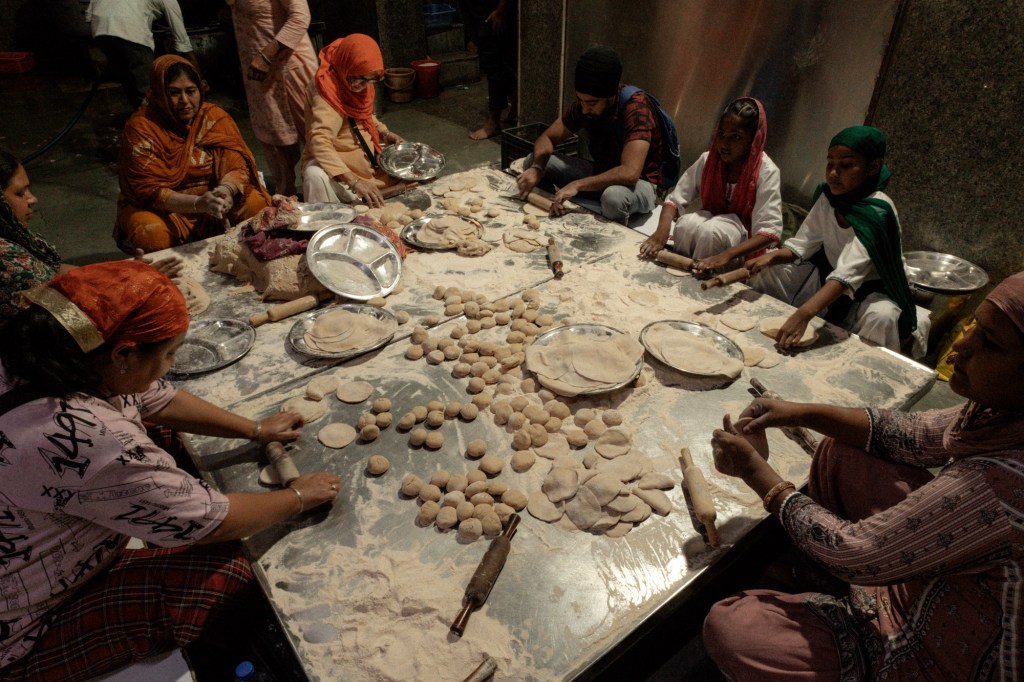
One of the things that surprised me the most in North India was just how much bread is a part of daily life. With almost every single meal—whether it was breakfast, lunch, or dinner—I was served some kind of bread. From pillowy naan and soft rotis to flaky parathas, crispy puris, and the slightly tangy kulcha, bread always seemed to take center stage. I had expected to see rice more often, but instead I found myself constantly reaching for bread as the main accompaniment to most dishes.
At first, it was a bit overwhelming, simply because I wasn’t used to eating so much bread with every meal. Back home, I would usually have bread as an occasional side, not as a staple three times a day. But in North Indian cuisine, bread is the foundation that ties the meal together. Rich curries, creamy dals, and spiced vegetable dishes are all designed to be scooped up with a warm piece of bread, making it not just food, but a way of eating that feels communal and satisfying.
That said, it can feel heavy after a while, especially if you’re not used to consuming wheat in such large amounts. If you ever find yourself craving something lighter, it’s good to know that you can often ask to swap bread for rice. Even though rice isn’t as prominent in the north as it is in the south, it’s still available and can help balance out your meals when you need a break from all the bread.
Dairy in Almost Everything
Another big adjustment for me was just how much dairy is used in Indian food, especially in the north. I usually don’t handle dairy very well, but I’ve noticed that when I travel abroad it sometimes sits a little better with me. In India, however, it was a different story. My body definitely struggled with the sheer amount of it in everyday meals. Dairy isn’t just an occasional ingredient here; it shows up in almost every dish in one form or another.
Ghee, which is clarified butter, is one of the most common cooking fats and is used generously in curries, dals, and even for frying or drizzling over rice. Yogurt appears constantly, whether as a cooling side dish like raita, a marinade for meats, or blended into lassis. Paneer, a type of fresh cheese, is a staple in countless vegetarian dishes and can be found in everything from rich curries to street food snacks. On the sweeter side, condensed milk, cream, and milk solids are often used to create decadent desserts like gulab jamun, rasmalai, or peda.
After a few weeks, I found it challenging to eat out at places that didn’t offer vegan options because dairy was so hard to avoid. Eventually my skin and body started resisting the constant intake, which made me more mindful of what I was ordering. Even drinks weren’t an exception. Masala chai, which I had been so excited to try in India, almost always came with a very generous amount of milk or cream. If you are used to the lighter versions served in the West, be prepared for something much richer here.
Masala Chai and the Sugar Factor
Speaking of masala chai, it’s important to know that many of the versions you get in India, especially from street vendors or even some restaurants, are much sweeter than what you might be used to. I usually drink very light tea, often without milk or sugar, so when I ordered masala chai here, I was often surprised by just how sweet it could be. For someone like me who enjoys a delicate, lightly brewed tea, it can sometimes feel a little overwhelming.
The flavor of masala chai can vary a lot depending on where you get it. One vendor on the same street can make it completely differently from the next, using a range of spices like ginger, cardamom, cinnamon, or cloves in varying amounts. Because of this, the taste can shift from rich and warming to sharp or intensely spiced. If you prefer something less sweet, I highly recommend asking if it can be made with less sugar, without sugar, or even allowing you to add sugar yourself. This small adjustment can make a big difference and help you enjoy the flavors without being overpowered by sweetness.
Street Food Is Often Better Than You Expect
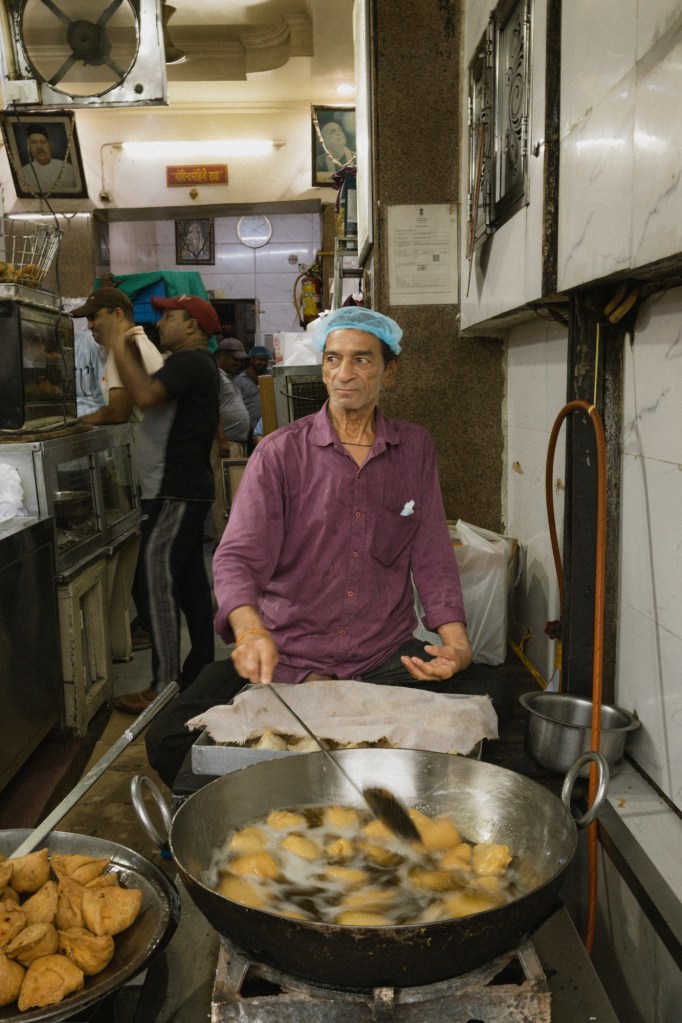
One thing I didn’t realize before coming to India is that street food is often safe, fresh, and delicious, despite what media portrayals might make you think. I had expected to rely mostly on sit-down restaurants, assuming they would be cleaner or higher quality, but I quickly learned that this isn’t always the case. In fact, some of the best meals I had were from street vendors, where the food is cheaper, fresher, and often more authentic than what you get in restaurants.
Of course, it can take a little practice to figure out which street vendors are trustworthy. I always tried to ask locals for recommendations and observe basic hygiene practices, like whether the food was cooked fresh in front of me or kept covered from dust. I also paid attention to the overall setup and the volume of customers, since a busy stall usually signals both popularity and turnover of ingredients. Compared to sit-down restaurants, where I sometimes found the food to be bland or lacking in flavor, street food often had so much more character and authenticity. Once I started paying attention to these details, I felt much more confident trying new dishes and enjoying some of the best food India has to offer.
Navigating Spice Levels in Indian Food
Another important thing to be aware of is just how spicy Indian food can be, and not just in terms of heat. Many dishes use a complex mix of spices that create incredible depth of flavor, but for someone not used to it, the combination can be intense on the stomach and even affect your skin or digestion. I loved trying the bold, vibrant flavors, but I quickly noticed that my body was starting to push back against the sheer number and strength of spices in many dishes.
The good news is that it’s usually possible to adjust the spice level. When ordering at restaurants or street food stalls, you can ask for your food to be mild, and many vendors are happy to accommodate. You can also look for dishes that tend to be naturally less spicy, like certain lentil-based dals or coconut-based curries. Paying attention to your spice tolerance is key, because over time, consistently eating very spicy food can make digestion difficult or uncomfortable. Being mindful of the spice level doesn’t mean missing out on flavor—it just helps you enjoy the dishes without putting unnecessary strain on your body.
Vegetarianism Is the Norm
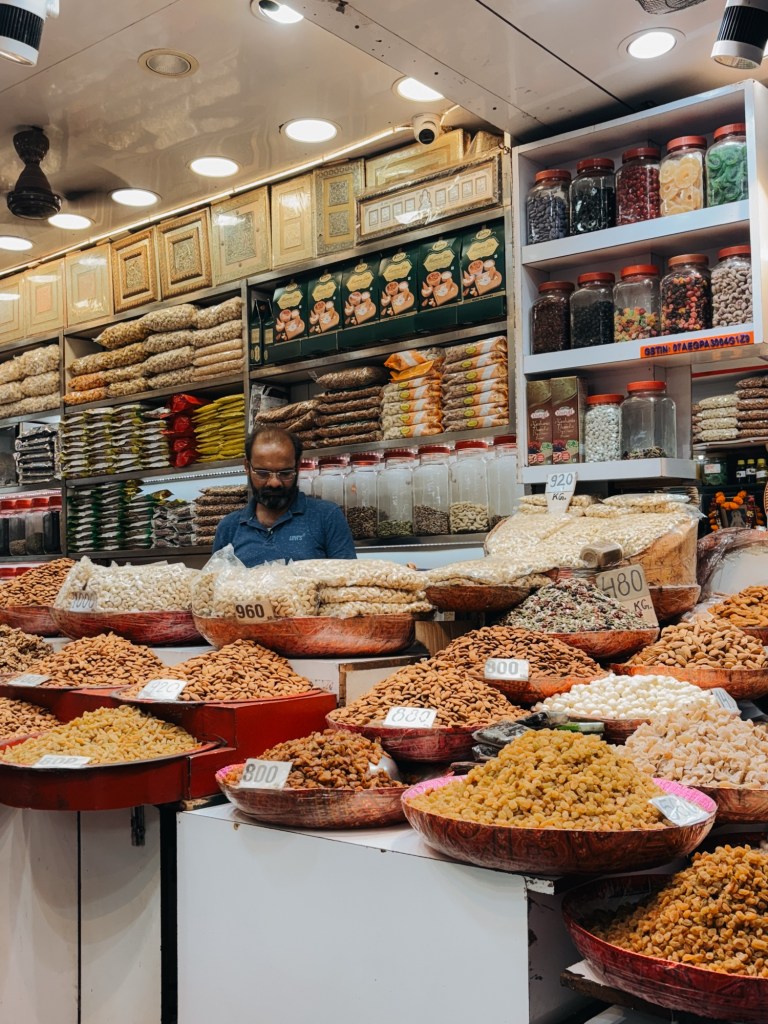
One of the most interesting things I noticed in India is that vegetarian food is more common than anything else. Unlike in many other countries, meat is considered “non-veg,” and vegetarian dishes are everywhere. This was fascinating to me because it completely shifts how you experience a meal. Indian cuisine has an incredible variety of vegetarian dishes, and they are celebrated just as much as meat-based options. Lentils, beans, paneer, vegetables, and even tofu are staples, and you’ll find them featured in curries, street food, snacks, and more.
Non-vegetarian options exist, but they are much more regional. Certain states or regions are known for specific meats, fish, or other animal products, while others focus almost entirely on vegetarian cuisine. For me, as a vegetarian, this meant I had no shortage of delicious options to choose from, and it allowed me to fully explore the richness and creativity of plant-based Indian cooking. The abundance and variety of vegetarian food here completely changed my perspective on how flavorful and satisfying a vegetarian diet can be.
The No Onion and Garlic Culture
Another interesting aspect of Indian cuisine is the practice of avoiding onions and garlic in certain dishes. This is common among specific religious groups, such as Jains or some Brahmin communities, who follow dietary restrictions for spiritual or cultural reasons. Because of this, you may come across menus or dishes that are specifically marked as catering to these traditions.
It’s worth keeping this in mind when ordering, especially if you are expecting certain flavors. Dishes without onion or garlic can taste different from what you might be used to, but they are still flavorful, often relying on other spices, herbs, and ingredients to create depth and complexity. Being aware of this practice can help you better understand the diversity and thoughtfulness behind Indian cooking.
Eating Style and the Hands-On Experience
Another thing that stood out to me in India is the unique way meals are often enjoyed. Meals are typically shared, and it’s very common to eat with your hands. Whether you’re dipping a piece of bread into a curry or scooping up rice, using your hands is considered the proper way to connect with your food. Yes, it can be messy, and your hands might get a little dirty, but this is completely normal and an important part of the culture. It’s believed that eating with your hands helps you feel grounded and connected to the meal, which is why it’s so valued here.
In some settings, people even sit on the floor while eating, which further emphasizes that sense of being present and connected. Meals often include multiple small dishes served in little bowls, which can feel overwhelming at first as you figure out what to eat first or how to combine flavors. My best advice is to ask locals—they are usually happy to guide you and show exactly how the meal is meant to be enjoyed. Once you learn, it becomes not just about the food itself, but about the experience and the connection it creates, making each meal feel much more meaningful.
International Food Options in India
One thing that really surprised me in India is just how much international cuisine is available, especially in big cities and popular backpacker destinations. I wasn’t expecting to see such a wide variety of food from around the world. In these areas, you can find sushi, Italian dishes, Middle Eastern specialties, and a range of other Asian cuisines. This was a welcome discovery, especially if your body needs a break from traditional Indian food or if you have specific dietary restrictions.
While it’s true that the quality of international dishes may not always match what you’d find in their countries of origin, the availability itself was impressive. Being able to take a break and enjoy something familiar can be a relief when you’ve been traveling and eating rich or heavily spiced food for weeks. It also adds an interesting layer to India’s already diverse food culture, showing how global influences blend with local tastes in surprising ways.
Food, Festivals, and Cultural Significance
Lastly, food in India is deeply cultural and plays a central role in festivals, holidays, and celebrations. Many special occasions bring unique dishes, sweets, and treats that are tied specifically to that holiday or festival. Religious practices also influence what is served, how it’s prepared, and even how it is eaten. For example, certain foods may be vegetarian, free from onions and garlic, or made with specific ingredients to honor a tradition.
It’s a reminder that enjoying food in India isn’t just about taste—it’s also about understanding and connecting with the culture, religion, and traditions behind each meal. Being mindful of this adds a deeper layer to your experience and helps you appreciate the thought, history, and meaning that goes into every dish.
 Livslifeoncam
Leave a comment