
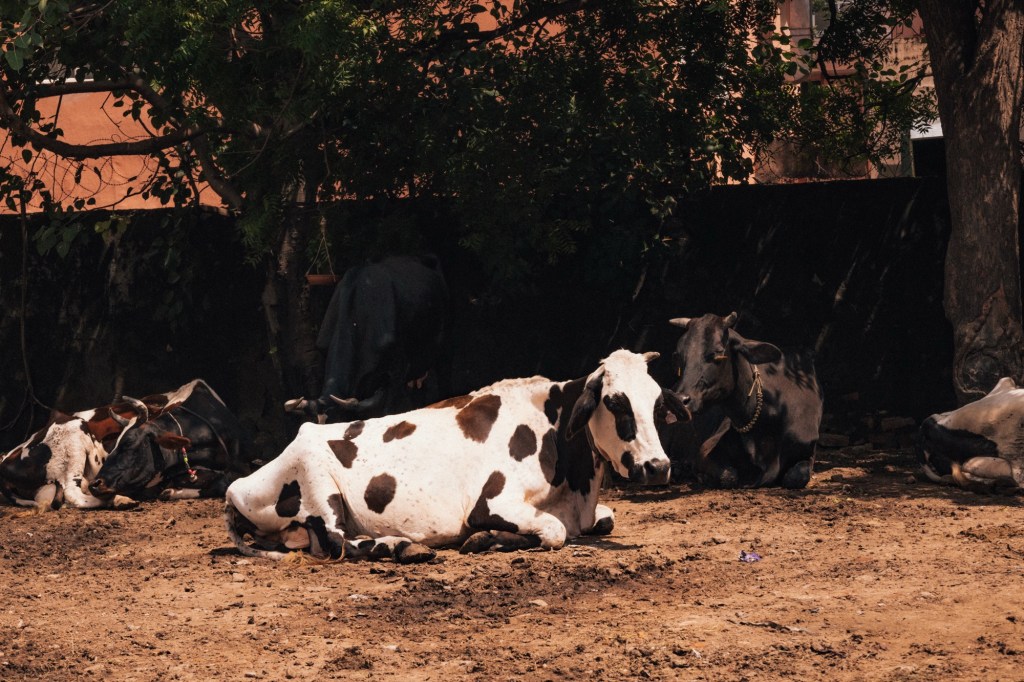
One of the first things you notice when walking through the streets of India is the abundance of animals. Everywhere you turn, life feels shared not just between people but between people and creatures of all kinds. During my time in India, I witnessed something I had not quite expected: the natural, everyday presence of animals woven into the rhythm of daily life. Before I dive into my experiences and observations, I want to be clear that what I am sharing comes from the particular cities and regions I visited. Your own encounters may look different, and that is part of the beauty of travel. It is also important to remember that while India is often portrayed negatively in international media, what you see online does not always reflect the whole truth. My experience was one of fascination, respect, and learning, not just about animals, but about the culture that surrounds them.
With that being said, one of the most striking and beautiful things I saw in India was the organized chaos of it all, the way people, animals, and vehicles coexist in a kind of unspoken harmony. From the buzzing streets of Delhi to the calm mountain air of Leh, I was mesmerized by the flow of movement that somehow made sense, even when at first it seemed impossible. At times I found myself holding my breath in a rickshaw or car, certain that we were about to hit a cow crossing slowly in the middle of the road or a dog weaving through traffic. Yet every time, everything worked out. There is an order in the chaos, one that speaks to a deep respect for life in all its forms. In this article, I want to share not only the different animals I encountered but also the cultural significance they hold and what we as travelers can learn from this coexistence.
Let’s start with why animals are considered so sacred in India. They are deeply connected to religion and spirituality, especially in Hinduism. In Hindu beliefs, animals are seen as more than just creatures of the earth. They are symbols of life, strength, and devotion, or companions of the gods themselves. Lord Krishna is often shown with cows, and Hanuman is the mighty monkey god who represents loyalty and courage. In Buddhism, compassion for all living beings is at the center of everything, and that naturally shapes how animals are treated and respected. Jainism takes this even further with the principle of ahimsa, which means non violence toward all living things. This goes so far that even the smallest insects are seen as worthy of love, care and protection. It is a mindset that makes you stop and think about how every living creature has value.
Outside of religion, animals are also just a huge part of daily life in India. In many other countries, we keep animals separated from us, whether in farms, zoos, or tucked away in the countryside. In India, it feels completely different. Animals are everywhere. You will see them sleeping on sidewalks, lying across cars, wandering through markets, or sharing space in courtyards and temples. Even in traffic, they are right there moving alongside people, bikes, and food stalls. Cows will walk slowly down the street while cars and rickshaws carefully move around them. Dogs walk casually through the chaos of markets like they know exactly where they belong. Nothing feels out of place because animals are simply part of the flow of life here.
What stood out to me most was the way people in India accept and respect animals no matter how crowded or busy a place is. It shows such a deep mindset of care for life in every form, whether big or small, quiet or loud. Animals hold symbolic and spiritual meaning, but even when they disrupt things, people just adapt. A cow blocking traffic or a monkey stealing food is not usually treated as a problem, but more like something to work around. Feeding animals is also really common, and it is often seen as an act of devotion. Giving food to a cow, dog, or monkey is not only kindness but also part of daily spiritual practice for many people.
Animals are also celebrated in a way I had never seen before. Cows, camels, and elephants are honored during festivals, fairs, and parades. They are dressed up in bright colorful fabrics, painted with colorful designs, and treated with so much care and affection. Watching these moments really shows how much animals are loved and respected here. It is not just about religion or culture, it is about the bond between people and animals that has existed for hundreds of years.
Now let’s talk about all the different animals you see around India. And when I say see, I don’t mean a rare tiger sighting or some once-in-a-lifetime encounter with a wild animal. I mean the animals that become part of your everyday life. The ones you notice on the streets, in the markets, walking beside you, and showing up again and again, every single day.
Cows
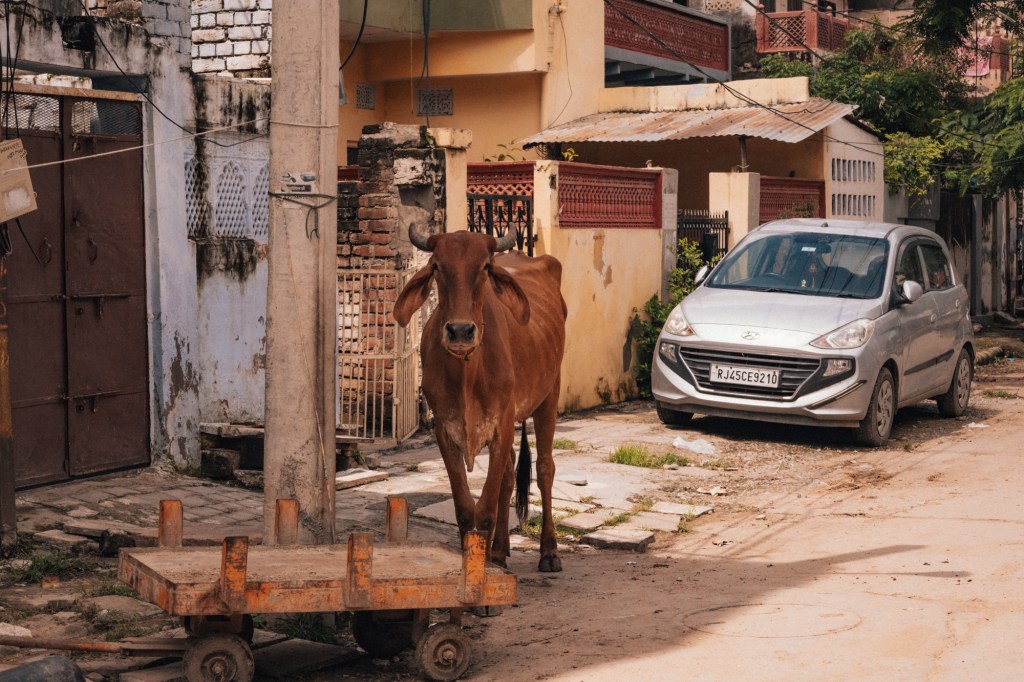
Starting with the cows, probably the most common animal you’ll notice in India and also one of the most meaningful to the people here. In Hinduism, cows are deeply connected to Lord Krishna, a god that many Hindus worship closely. They are seen as a symbol of motherhood and nourishment. Many people will even call them mother, which is why they are treated with such respect, even if they are blocking traffic or eating scraps on the side of the road.
Cows wander everywhere. You’ll see them resting near shops, hanging out by temples, weaving through busy streets, or just lying down in the middle of the road without a care in the world. And the most interesting part is that no one questions it. People stop for them, traffic flows around them, and locals will even take a moment to feed them chapati, fruit, or vegetables as a spiritual offering.
They blend into daily life so naturally that after a while it stops feeling unusual. A cow can be strolling past a shop selling clothes or napping right outside a restaurant, and nobody blinks an eye. They move at their own pace, unbothered and respected by everyone. You’ll see them alone, in small groups, sometimes alongside goats or dogs, always calm and steady. Within your first few minutes of being in India, you’ll almost definitely spot one, and from that point on, they just become part of the rhythm of life here.
Donkeys

Next are the donkeys, which you can find all over India, though I noticed more of them in the northern mountain areas. Sometimes you’ll spot them casually walking through small villages or wandering near nature areas in the city. Other times they are hard at work, often used to carry goods or construction materials, especially in rural regions where vehicles can’t easily reach.
Donkeys are seen as symbols of endurance and hard work. They might not be as large or impressive as cows or horses, and in many ways they are the underdogs of the animal world here, but they play such an important role in everyday life. You’ll see them loaded up with bricks, stones, or supplies, helping locals transport things that would otherwise be impossible to move. In this way, they quietly keep life moving, especially in mountain towns and villages where their strength and patience make them indispensable.
Dogs
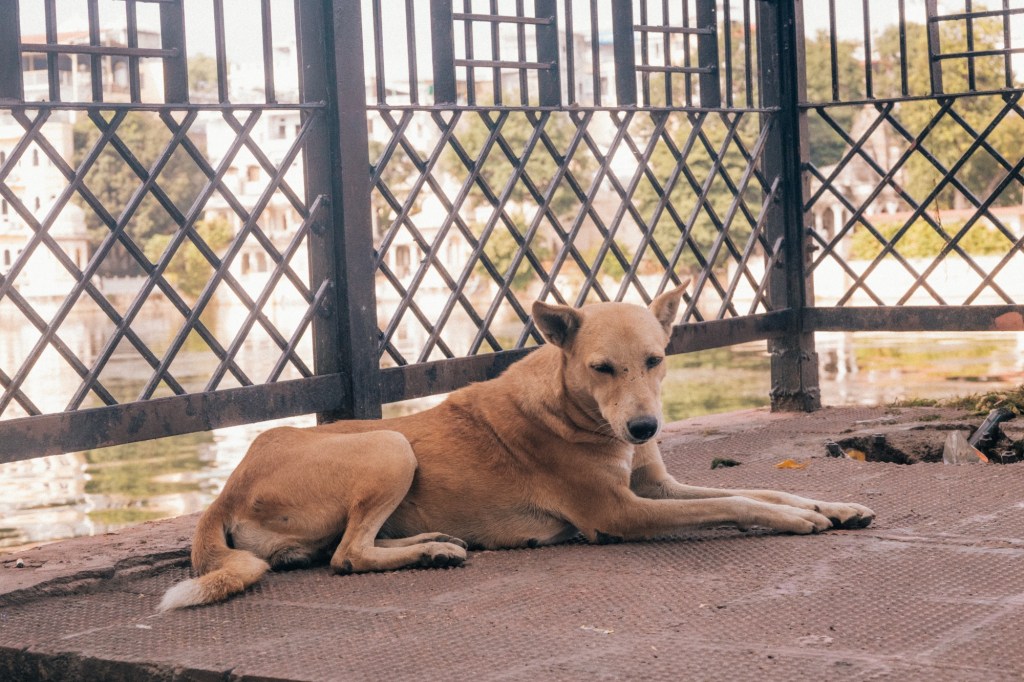
Next are the street dogs, often called strays. But to my surprise, in India they didn’t really feel like strays at all. In many countries, stray dogs are malnourished, sick, and often unsafe to be around. Here it felt different. The dogs are cared for and watched over by locals, and many people leave food and water out for them. Over time, the dogs seem to know which homes or shops will look after them, and they become part of a neighborhood or village.
You’ll see them lounging outside temples, curled up on top of cars or rickshaws, and often just peacefully hanging around or playing with other dogs. In the mountains, they were fluffy and beautiful, with thick coats to handle the cold. In the warmer, more crowded cities, their fur was thinner and lighter, but they still looked strong and healthy.
What stood out most to me was the respect shown toward them. People give them space on the streets, treat them kindly near temples, and let them exist in places you might not expect dogs to be. I was honestly relieved and happy to see this. I had worried they would be neglected or treated badly, but my experience in India showed me the opposite. The street dogs here feel loved, cared for, and very much part of daily life.
Cats
Next are the cats, which are much less common than dogs or cows in India. But when you do spot them, they seem healthy, calm, and quietly going about their lives. They don’t dominate the streets the way dogs do, but they’re there, blending in almost unnoticed until you catch one curled up in the corner of a shop, perched on a wall, or slipping through a narrow alley.
In some regions of India, cats are even thought to bring good fortune. They live peacefully alongside the other animals, moving with that same graceful independence cats are known for everywhere in the world. You may not see them as often, but when you do, it feels like a little surprise in the middle of the busy streets.
Monkeys
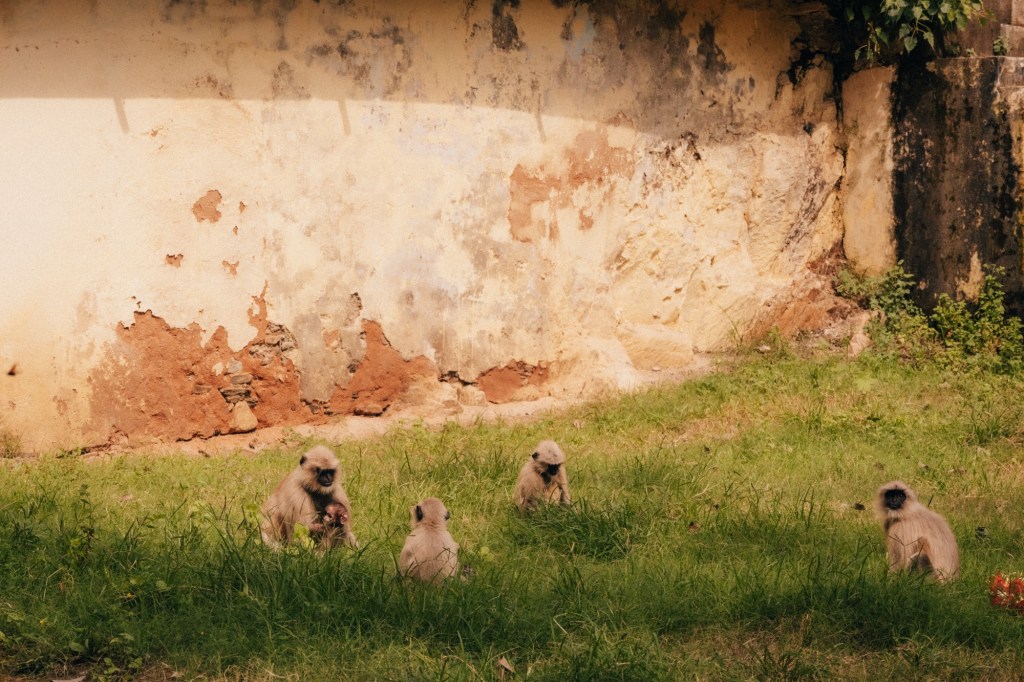
Next are the monkeys. They are closely tied to the Hindu god Hanuman, also known as the monkey god. Hanuman represents strength and loyalty, so monkeys hold a lot of cultural and spiritual meaning in India. You’ll often see them around temples, in forests, and in cities like Jaipur, Udaipur, Rishikesh, and Varanasi.
Monkeys are clever, sneaky, and super playful. They are well known for stealing food, water bottles, sunglasses, and pretty much anything they can grab. They are hilarious to watch because most of the time they are up to something they shouldn’t be doing. You’ll see them climbing over buildings, sneaking into shops, or chasing each other around while people try to shoo them away.
They are funny and fun to be around, but you do need to be a little careful. They are quick, curious, and not afraid of people, so if you leave something out in the open, chances are a monkey will try to take it. Still, having them around brings so much character to the streets and temples. They make everyday life in India feel lively and unpredictable in the best way.
Camels
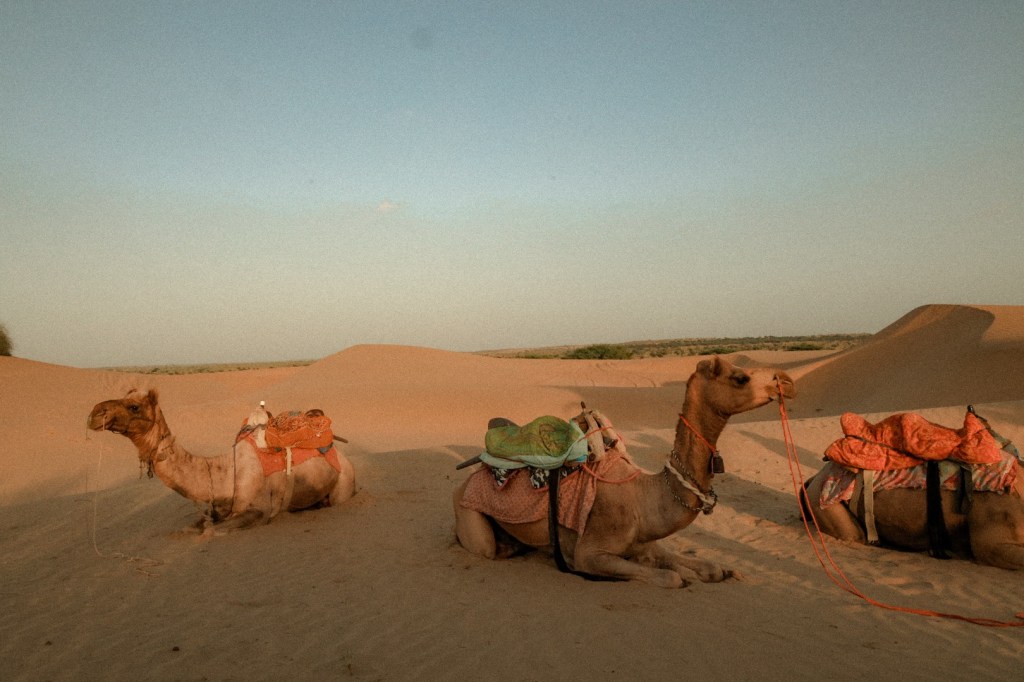
Next are the camels, often called the ships of the desert. They are most common in Rajasthan, especially around the golden sands of Jaisalmer. Camels have been used here for centuries to transport goods and materials across the harsh desert climate, since they can survive long stretches without food or water.
In the desert villages, camels are still a big part of daily life. They help with carrying supplies, farming work, and moving people between remote areas. At the same time, they are also a huge part of tourism. Many visitors come to Rajasthan to experience a camel ride into the dunes at sunset or to camp overnight in the desert.
During festivals and holidays, you’ll often see camels decorated in the most beautiful way, with bright fabrics, painted patterns, and colorful ornaments. They become living artwork, showing off the culture and traditions of the desert communities. Camels are slow and steady, but they are strong, resilient, and deeply connected to life in this part of India.
Buffalo
Next are the big and powerful buffalo. They play an important role in India, especially in rural areas. Buffalo are used for milk, for farming work, and sometimes to pull heavy carts and loads because of their incredible strength. Buffalo milk is richer and creamier than cow’s milk, and it is often used to make curd, paneer, and ghee, which are staples in Indian cooking.
Out in the countryside you’ll see buffalo wandering along the roads, cooling off in rivers or muddy ponds, or simply resting in the shade of a village. They move at a slower pace and seem calm, but when they are working they show just how strong and reliable they are. In many villages they are a sign of wealth and livelihood, providing food and labor for the families who care for them.
Yak
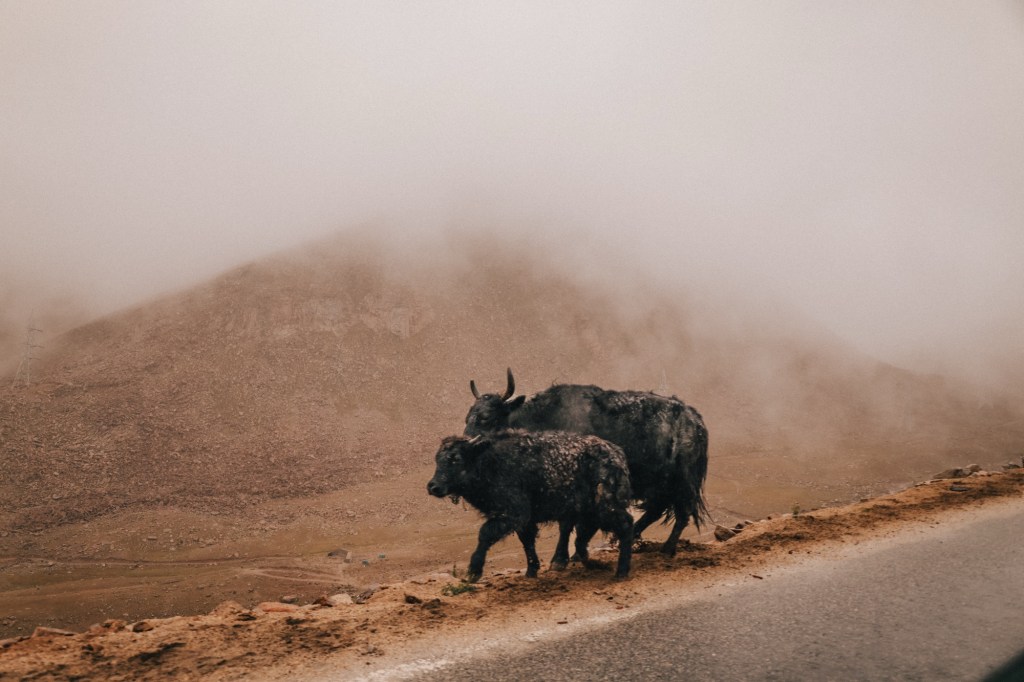
Lastly are the yaks, mostly found in the Himalayan regions of India. They have super thick fur, which helps them survive in the cold and high-altitude conditions of the mountains. Yaks are used to carry goods in these areas and also provide warm wool for clothing, as well as milk for the locals. You’ll mostly find them in the rural, nature-filled parts of the Himalayas, grazing on the hills or resting in the cold air.
India is full of life, full of color, full of people, and full of animals. I’ve learned so much about the respect and spiritual significance of so many animals here, and I’ve seen firsthand how they contribute to daily life and the society around them. From the cows wandering calmly through busy streets to the yaks carrying goods in the Himalayas, animals are an essential and beautiful part of life in India.
 Livslifeoncam
Leave a comment