

India is one of those countries that always seems to get a bad reputation in the media. People love to criticize its culture, its environment, and even its people. Over the years, so many stereotypes have been repeated that they’ve turned into misconceptions that a lot of people just accept as fact without ever questioning them. The truth is, most of these ideas are completely off base. After spending time in India myself and experiencing it firsthand, I’ve come to appreciate just how rich and beautiful the culture really is, how warm and kind the people are, and how much history is woven into everyday life. That is why I want to break down the most common misconceptions about India and share what the reality actually looks like.
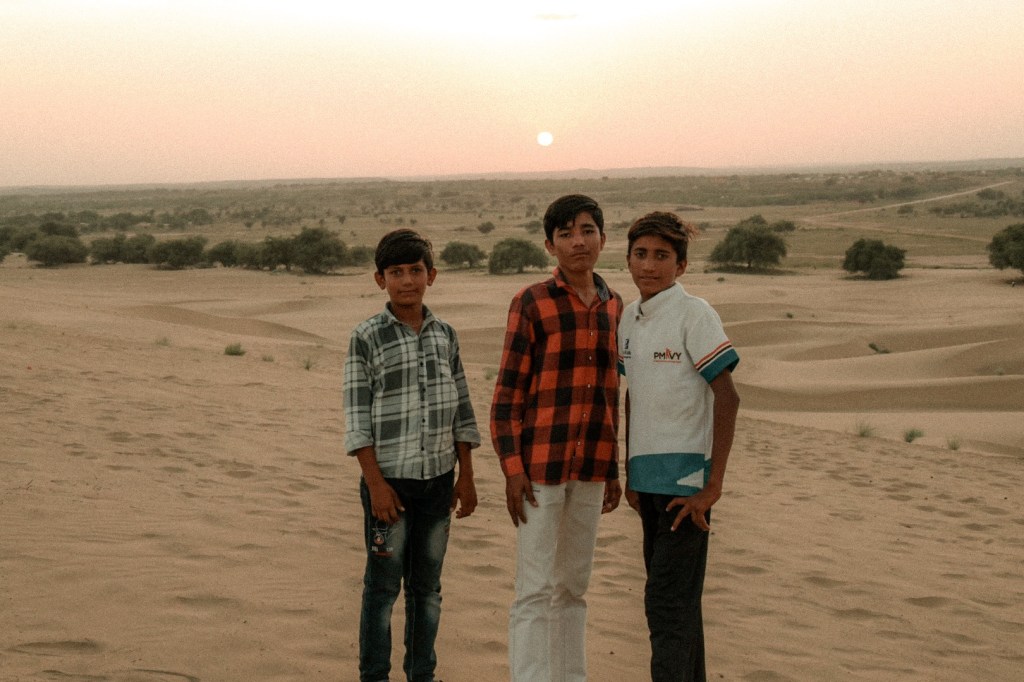
Misconception: The People Are Not Nice
In reality, the majority of locals are some of the most welcoming and hospitable people you will ever meet. Strangers will go out of their way to help you, show you around, invite you for chai, or offer advice when you need it. I have been welcomed into countless homes for home-cooked meals and endless cups of chai, and I have even been invited to visit different cities by people I barely knew who quickly became friends. Everywhere I have traveled in India, I have felt loved, safe, and embraced. The warmth of the people is honestly one of the main reasons I keep wanting to come back.
Misconception: India Is Unsafe
A lot of people assume that traveling in India is unsafe, but that is not the reality. Just like in any major city around the world, there are certain areas where it is wise to be cautious and aware of your surroundings. When you consider how many millions of travelers visit India every year, the number of serious problems is relatively small. Solo travelers, women, families, and groups from all over the world come here for many different reasons, and the vast majority of them have safe and positive experiences.
The truth is that safety in India is no different from anywhere else. Wherever you travel, it is important to use common sense, take basic precautions, learn cultural norms, and know which areas to avoid. These practices are not unique to India and they apply everywhere. With awareness and respect, India can be just as safe, if not safer, than many other popular destinations.
Misconception: India Is All in Poverty
Another common stereotype is that India is a country defined entirely by poverty. While it is true that some areas struggle with poverty, this is far from the whole picture. India has an incredibly diverse economy and a large, thriving middle class. In major cities you will find modern infrastructure, luxury shopping malls, international businesses, and professionals such as doctors, lawyers, and entrepreneurs. Expensive cars, high-rise apartments, and luxury homes exist side by side with more modest living conditions.
The reality is that India is a country of contrasts, and you experience both sides wherever you go. Instead of being a place of only poverty, it is a nation of resilience, growth, and opportunity. Focusing only on one side of the story erases the progress and success that is also a huge part of India today.
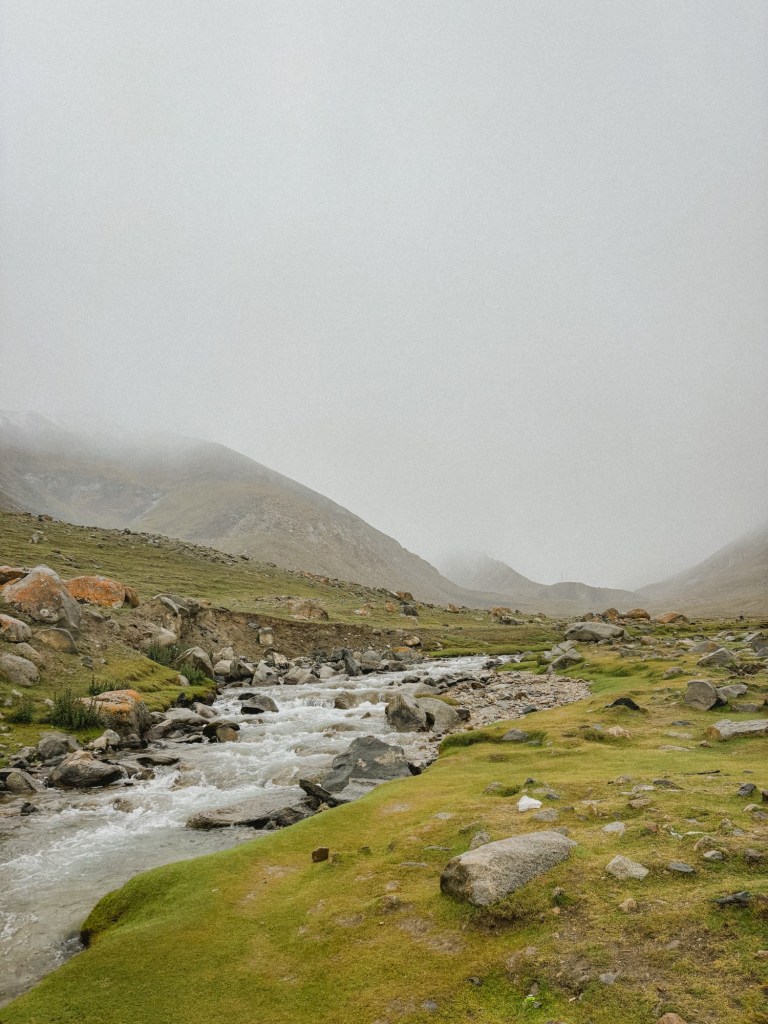
Misconception: India Smells Bad and Is Dirty Everywhere
It is true that some cities in India have strong smells and areas that can feel dirty, but this is largely connected to the country’s ongoing waste management challenges. That being said, it is not fair to say that all of India looks or smells this way. The level of cleanliness varies greatly depending on where you are. Some neighborhoods and towns are very well maintained, while others struggle more. Step outside the busiest cities and you will find stunning natural landscapes that are completely untouched. From the mountains to the beaches to the wide open countryside, there are countless places filled with fresh air, clean surroundings, and incredible beauty. While the dirtiness and smells do exist in certain places, they are not everywhere, and they certainly do not define the entire country.
Misconception: India Is Just Big Cities and Temples
Some people think that India is only made up of bustling cities and ancient temples, but the reality is far more diverse. India is home to hundreds of different kinds of cities, towns, and villages, each with its own unique atmosphere. Every 100 kilometers you travel, the culture shifts, the people change, the languages sound different, and the landscapes transform. From snow-capped mountains to lush forests, from deserts to tropical beaches, every region has something completely new to discover.
The variety in India is truly fascinating. No two places feel the same, and exploring beyond the typical tourist spots reveals just how rich and layered the country really is. It is this diversity that makes traveling through India such an unforgettable experience.
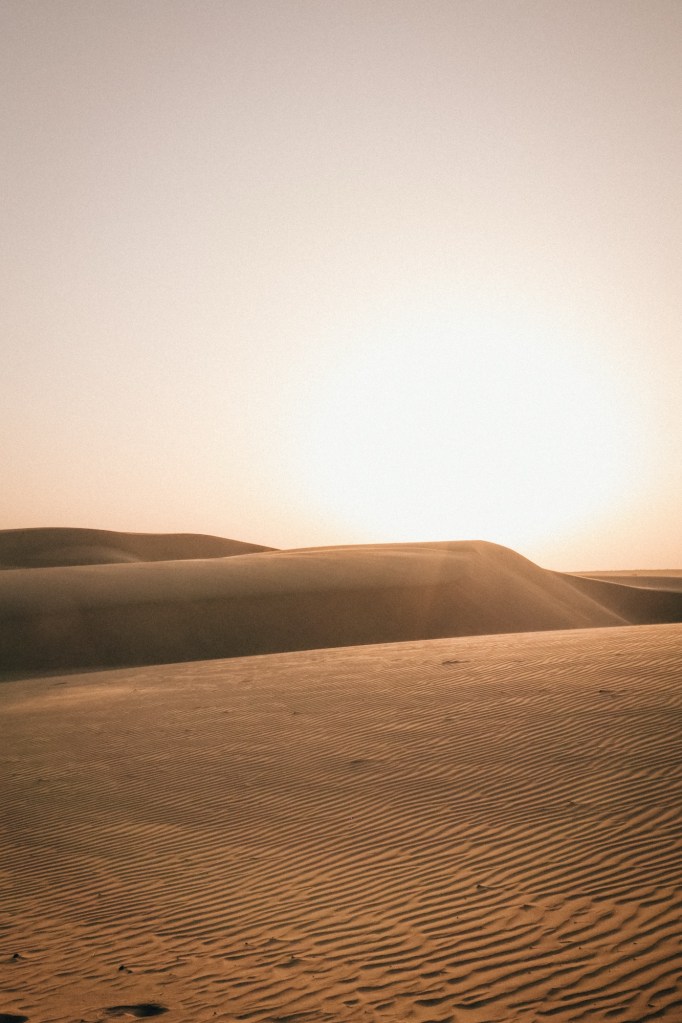
Misconception: All of India Is the Same
Another common misconception is that all of India feels the same, but nothing could be further from the truth. The country is incredibly diverse, offering experiences that are completely different depending on where you go. From the towering peaks of the Himalayas to the golden sands of Jaisalmer, from the bustling streets of Delhi and Mumbai to the serene coastline of Kerala, there is something for everyone.
Whether you love relaxing on a beach, exploring mountains, diving into city life, or discovering quiet villages, India has it all. Each region has its own traditions, landscapes, flavors, and energy. Traveling across India feels like visiting multiple countries in one, and that variety is part of what makes the journey so unforgettable.
Misconception: India Is a Fully Conservative Country
It is true that some parts of India are quite conservative. In certain regions, women dress modestly, and many traditions and cultural practices are more traditional and reserved. Respect for family, religion, and customs plays a big role in daily life in these areas.
At the same time, there are plenty of parts of India that are much more open-minded and laid back. Cities and regions with more exposure to different cultures, religions, and global influences have a relaxed, free-spirited energy. People in these areas often embrace diversity, celebrate creativity, and have a more modern, less conservative approach to life. India cannot be defined as fully conservative because it is a country of contrasts, where traditional values and progressive lifestyles coexist side by side.
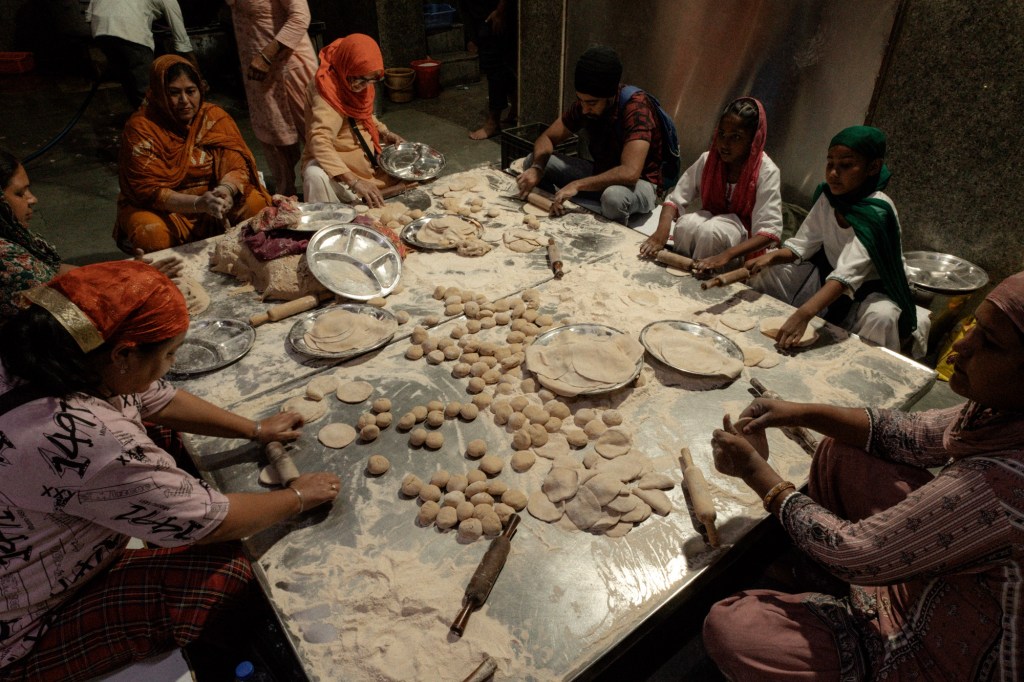
Misconception: Indian Street Food Is Unsafe
Street food in India often gets a bad reputation, but it is not automatically unsafe. Just like anywhere else in the world, it is important to pay attention to hygiene, how the food is prepared, and the freshness of the ingredients. Risks exist with street food in every country, but India has simply become more notorious for it.
The truth is that Indian street food can be some of the most flavorful and authentic food you will ever try. From hot samosas to spicy chaat to sweet jalebis, the variety is endless. The key is to be mindful and look for signs of quality, like vendors who cook food fresh in front of you or stalls that have a steady flow of local customers. With a little awareness, you can enjoy incredible street food in India without missing out on one of the most memorable parts of traveling here.
Misconception: India Is All Hot and Dry
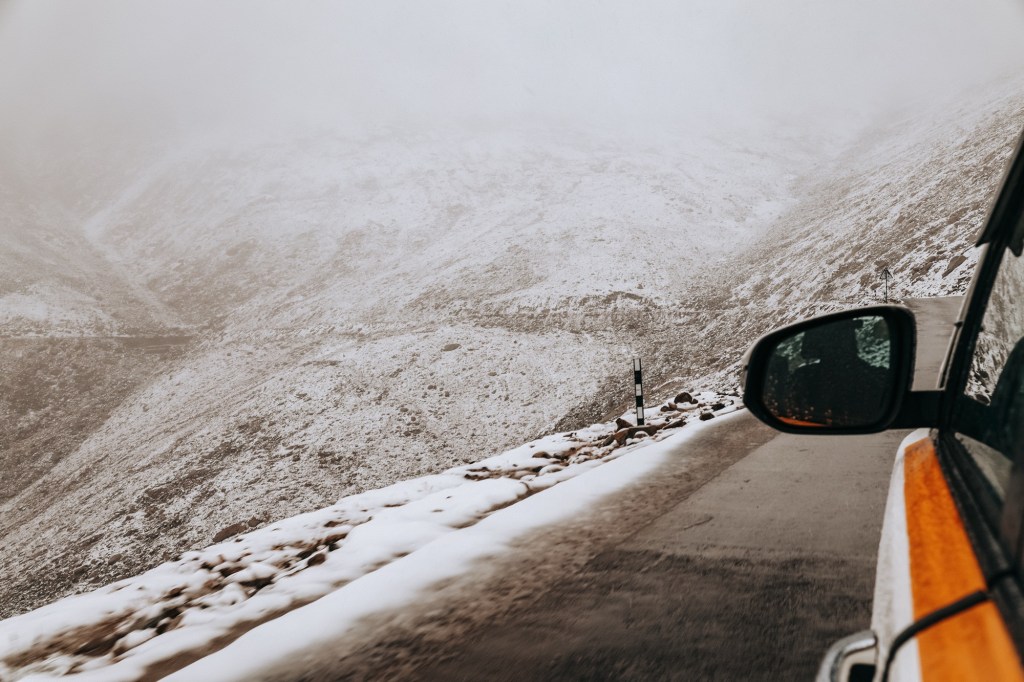
Many people picture India as nothing but hot, dry weather, but that is far from the truth. In just two months of traveling through India, I personally experienced snow in the mountains, dry desert heat, humid and sticky city air, and cool breezy nights in mountain villages. And that was only while visiting four states.
The country’s size and geography create an incredible variety of climates and environments. You can find tropical beaches, high-altitude snow-covered peaks, lush green forests, arid deserts, and everything in between. On top of that, the seasons bring even more change, so India feels different depending on the time of year you visit. It is not just one type of climate, but a country where you can experience almost every kind of weather in a single trip.
Misconception: Indians All Look the Same
One of the biggest misconceptions I have heard is that Indians all look the same, but traveling through the country shows just how untrue that is. After spending time in the Himalayas, Delhi, and Rajasthan, I saw firsthand how much people’s appearances can differ depending on the region.
India is incredibly diverse, and this is reflected in its people. Skin tones, hair textures, clothing styles, facial features, and even mannerisms vary widely from place to place. In the north, you might see people with lighter complexions and distinct traditional attire, while in the south, the features, tones, and styles are completely different. Every region has its own unique identity, and this diversity is part of what makes India so fascinating to experience.
Misconception: India Is Cheap Everywhere
Many travelers assume that India is cheap across the board, but the reality is more complex. Travel costs in India vary greatly depending on where you are and the kind of experience you want. In some cities you can find hostels for as little as a dollar a night, while in popular destinations like Goa those same hostels might cost more than twenty dollars. Luxury hotels can range from twenty-five dollars a night in one city to over a thousand dollars a night in another.
Restaurants and activities follow the same pattern. You can eat a filling local meal for just a couple of dollars, or you can dine at high-end international restaurants that cost just as much as in New York or London. The truth is that India offers both extremes and everything in between. This range reflects the country’s unique mix of poverty and wealth, tradition and modernity, simplicity and luxury. Travelers can choose the type of India they want to experience based on their own budget.
Misconception: India Is Overcrowded in Every City
It is true that India is one of the most populated countries in the world, and many of its major cities are dense, chaotic, and full of energy. Walking through places like Delhi or Mumbai, it can feel like the streets never slow down. But that does not mean every city or every corner of India is overcrowded.
There are towns and cities that move at a slower pace, where the streets are calmer and life feels more relaxed. Beyond the cities, you can find endless spaces in nature that are the complete opposite of crowded. From quiet mountain villages to stretches of coastline and peaceful national parks, there are countless spots where the only company you have is nature itself. Sometimes all it takes is stepping off the main tourist path to discover how tranquil India can really be.
 Livslifeoncam
Leave a comment