

Traveling in India is one of the most rewarding experiences you can have. The country is bursting with culture, history, flavors, and unforgettable moments waiting around every corner. But at the same time, India can be overwhelming, chaotic, and even frustrating if you’re not prepared. That’s part of what makes it such an adventure — you never really know what to expect. If you’re planning a trip to India, or if you’re feeling a little nervous about how to handle the intensity of traveling there, I’ve got you covered. These are some of the most important tips and pieces of advice I’ve learned that will help make your journey smoother, safer, and a whole lot more enjoyable. India isn’t always the easiest place to travel through, but if you go in prepared, it just might become one of your favorite destinations.
Practical Essentials
Get an Indian eSIM or local number
One of the first things you should do when you arrive in India is set yourself up with a local number. A lot of bookings, from trains to ride-hailing apps to even certain visa-related information, require an Indian number. Without it, simple tasks like booking transportation can quickly turn into a headache. If an eSIM does not work for you, at least have a trusted local contact who can help when needed. Having an Indian number makes life on the road much smoother and will save you a lot of stress.
Always carry cash
India is still very much a cash-first country. Locals often use QR scan payments linked to their Indian bank accounts, but foreigners cannot access this system. Small shops, markets, and rickshaws rarely accept cards, and even in cities card machines often “don’t work.” Make sure you have a debit or credit card that works at ATMs so you can withdraw rupees along the way. Try to keep smaller bills on you too, since vendors do not always have change for larger notes.

Download the right apps
A few apps will make your life in India much easier. Uber, and sometimes Ola, is the safest and most reliable way to get a car or bike ride in big cities, and it saves you from the hassle of haggling with rickshaw drivers. Zomato and Swiggy are delivery apps that can bring you anything from a hot meal to a phone charger straight to your hostel door. They are especially helpful if you are tired, unsure where to eat, or just do not want to leave your accommodation. RedBus is a must-have for booking buses. You can check schedules, buy tickets, find your boarding point, and even track your bus in real time. It is much more convenient than trying to figure things out at the bus station.
Health & Safety
Pack probiotics and basic meds
Indian food is absolutely delicious, but it can also be heavy and made with spices, oils, and ingredients that your stomach might not be used to. The change in water and diet can sometimes cause problems, so it is smart to travel prepared. Probiotics are great for keeping your digestion balanced, and things like charcoal pills or Imodium can be lifesavers if you get an upset stomach. It is always better to have these on hand rather than scrambling to find a pharmacy when you are not feeling well.
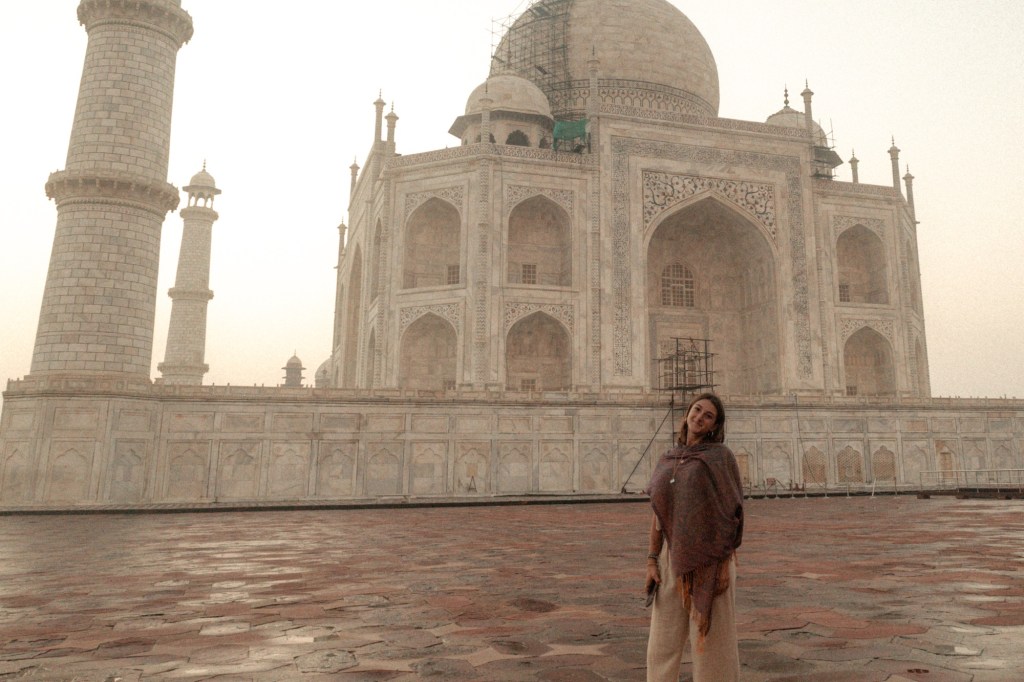
Carry a scarf or mask
A scarf is one of the most useful things you can carry with you in India. It can cover your shoulders from the sun, double as a head covering if you are visiting a temple or religious site, and most importantly, protect your face. When riding in rickshaws or on the back of a motorbike, the dust and dirt from the streets get everywhere, and it can be rough on your skin. Covering your face with a scarf or mask helps a lot and will make you feel much more comfortable.
Stick to bottled or filtered water
Water in India can be unsafe to drink if it is not filtered, and even ice can sometimes be made from unfiltered tap water. Always check that bottled water is sealed before you buy it, and when eating out, ask if the ice is made from filtered water. A reusable bottle with a built-in filter is also a great investment for longer trips. Staying careful with your water is one of the easiest ways to avoid getting sick.
Bring sanitizer and tissues
Hygiene can be hit or miss in India, so carrying your own supplies makes a big difference. Hand sanitizer or wet wipes are super helpful after touching surfaces, handling money, or eating street food. Tissues are another must-have, since many public bathrooms will not have toilet paper. Keeping both of these with you at all times will save you in more situations than you think.
Cultural Awareness
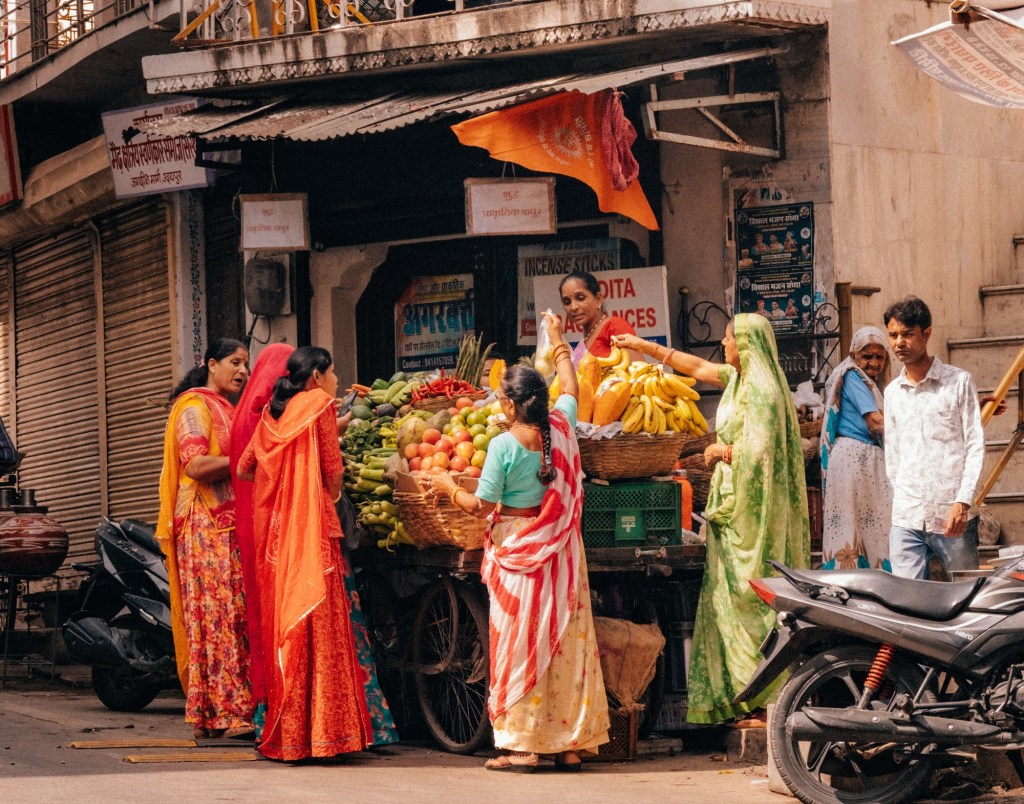
Dress modestly as a woman
The expectations for women’s clothing vary across India, but overall, modest dress is the norm. Even in the heat, local women and men tend to keep themselves more covered than what you might be used to. Wearing very revealing clothes can not only be seen as disrespectful in certain areas but will also make you stand out more in a crowd. Packing loose, breathable clothing that covers your shoulders and knees is the best way to stay comfortable and respectful while blending in a little more.
Respect local customs around food and religion
India is deeply rooted in culture and religion, and many customs are woven into daily life. You may be asked to remove your shoes before entering a home, temple, or certain shops. In holy cities, you might notice that the town is strictly vegetarian, so eating meat or eggs would not be acceptable. Covering your shoulders and knees when visiting religious sites is another important way to show respect. Following the lead of locals is the simplest way to honor these traditions and avoid offending anyone.
Be prepared for staring
If you are a foreigner, especially a woman, you will likely notice people staring at you in the streets. At first, this can feel uncomfortable, but most of the time it is simple curiosity. Locals may be fascinated by where you are from and might want to start a conversation. The staring is rarely harmful, but it helps to carry yourself with confidence and stay grounded. If it ever feels overwhelming, sunglasses, a scarf, or simply ignoring the attention can help you feel more at ease.
Transportation & Accommodation
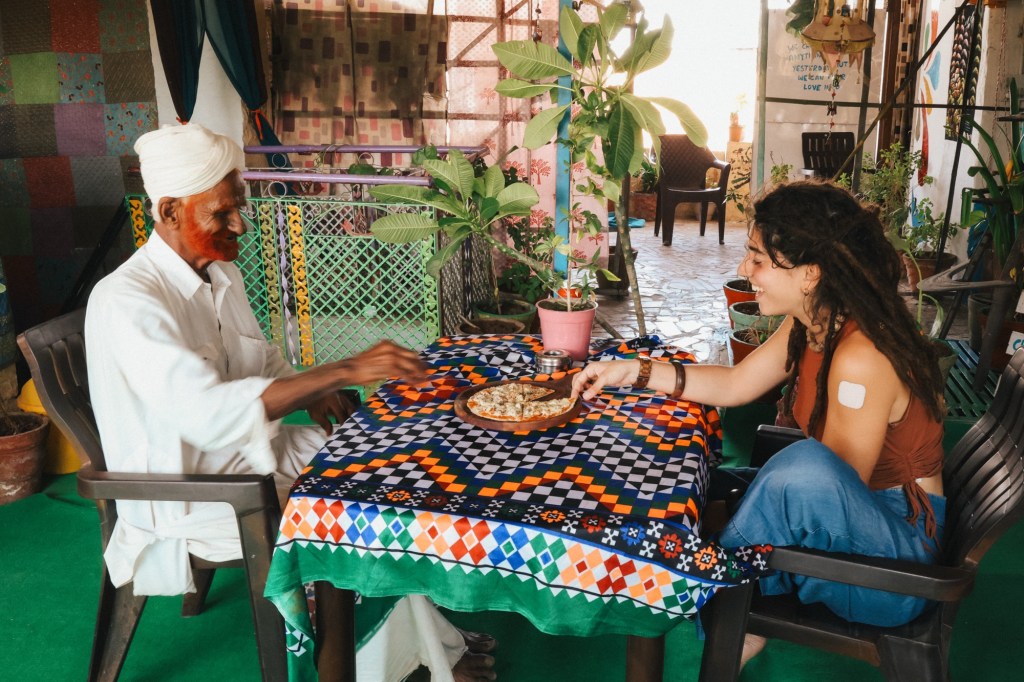
Stay in hostels
Hostels in India are so much fun and often really unique. Unlike in many other countries, you will meet a lot of domestic travelers exploring their own country, which is such an amazing experience. Talking to locals in a hostel setting gives you a whole new perspective on India, and you will learn so much from their stories. It is also a great way to build connections and friendships across the country while traveling on a budget.
Choose buses over trains as a woman
During my time in India, I almost always traveled by bus instead of train, and it felt like the safer and more comfortable option. Buses often allow you to see which seats are recommended for women, and you can always check where female passengers are seated before booking. This makes the experience much more relaxed, especially if you are traveling solo.
Take advantage of overnight buses
India is a huge country, and distances between cities can be long. Overnight buses are one of the best ways to travel, since you cover a lot of ground while you sleep and do not waste a day stuck in transit. They are also super affordable and save you the cost of one night’s accommodation. Most overnight buses come with sleeper pods, blankets, pillows, and even water, making the journey surprisingly pleasant. I took many overnight buses during my trip and had great experiences with them.
Book trains early
If you want to experience train travel in India, make sure you book a few days in advance because tickets often sell out quickly. The booking system can be confusing for foreigners, so do not hesitate to ask a hostel receptionist or a local friend to help you. Trains can be an incredible way to see the country, but a little preparation goes a long way.
Use ride-hailing apps in cities
In most Indian cities you can use Uber to book a car, bike, or even a rickshaw. This is a much safer and easier option than haggling with drivers on the street, many of whom may overcharge or try to take you to different places. In cities like Delhi where traffic is wild, I highly recommend using Uber bikes. They weave through traffic much faster than cars, saving you a lot of time and frustration.
Money & Shopping
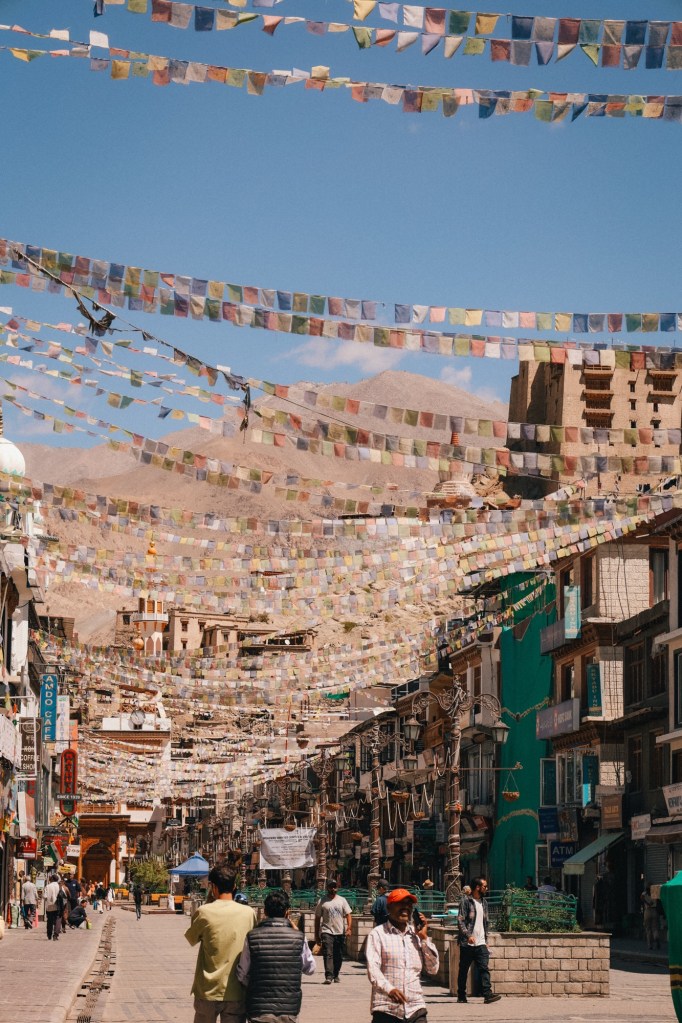
Get ready to haggle
Shopping in India almost always involves bargaining, especially in markets and with street vendors. Prices are often inflated for foreigners, but even locals have to haggle to get fair prices. At first it can feel uncomfortable, but once you practice and recognize the real value of items, it becomes much easier. Haggling is expected, so do not be afraid to stand your ground with confidence.
Keep small bills handy
Since foreigners cannot use the QR payment systems that locals rely on, cash is the main way you will pay for things. Many vendors and rickshaw drivers do not carry much change, so if you hand them a large bill, you might be forced to overpay. Always try to break down your larger notes at bigger shops or ATMs and keep a stash of smaller bills for everyday purchases.
Extra Travel Tips
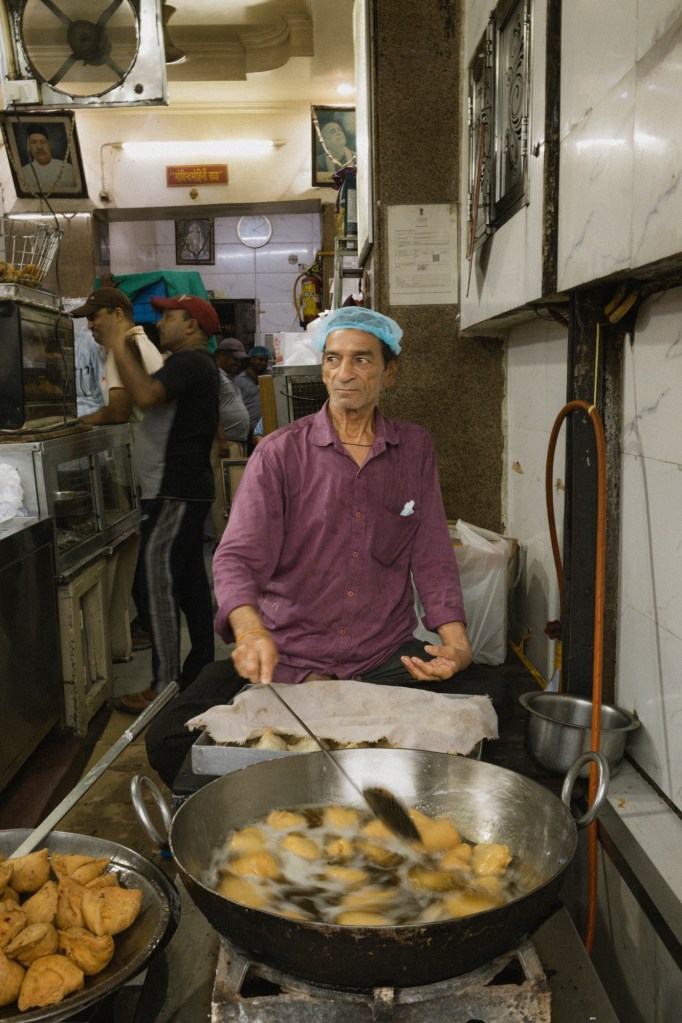
Eat where locals eat
Street food in India is famous, and trying it is an absolute must. But it can also make you sick if you choose the wrong stall. A good rule is to eat where the locals are eating, since high turnover usually means fresher food. Take a quick look at how the food is being prepared and how clean the setup looks. When in doubt, trust the busy stalls — if locals are lining up, it is usually safe and delicious.
Learn a few Hindi words
Even though English is widely spoken, especially in larger cities, learning a few simple Hindi words can go a long way. Greetings like hello, thank you, how much, or how are you show respect and effort. In regions where Hindi is not the local language, people will still usually understand it. Locals really appreciate when foreigners make the effort to connect in their language.
Keep copies of your passport and visa
Hotels, hostels, and tours in India have strict check-in requirements for foreigners. You will almost always need to show your passport, visa, and sometimes fill out a registration form with details about your travels. Keeping both digital and paper copies makes the process much easier and keeps you covered if anything gets lost.
Use lockers in hostels
If your hostel provides lockers, make use of them. While I personally never had any bad experiences, I have heard stories of theft in both hotels and hostels. Keeping your valuables locked up gives you peace of mind and prevents unnecessary stress. Carry your most important documents and money with you, and secure everything else.
Plan around festivals
India is home to some of the most colorful and chaotic festivals in the world. Holi, Diwali, Navratri, and countless regional celebrations can transform entire cities. These festivals can either make your trip unforgettable or completely overwhelm you, depending on your preferences. Plan your travels accordingly, either to be in the middle of the celebrations or to avoid the crowds if that is not your vibe.
 Livslifeoncam
Leave a comment