
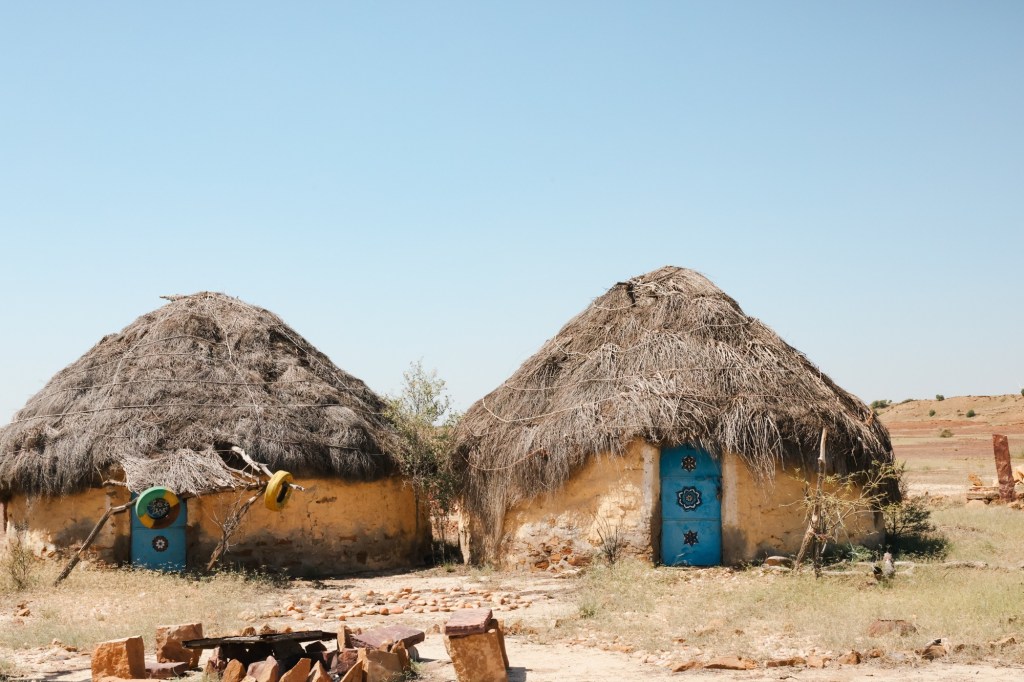
India feels more like a continent than a single country because of its incredible diversity and endless things to see and experience. Traveling through India is like stepping into a new world at every turn, with different cultures, landscapes, flavors, and people around every corner. Locals even joke that everything changes every hundred kilometers and honestly, it is almost frighteningly true. From languages and accents to scenery, food, traditions, religion, and cultural practices, the shifts are so drastic that you sometimes feel like you are crossing borders into entirely different countries. This diversity comes from India’s vast geography, its immense population, and its rich, ancient history. The influences of older dynasties, empires, colonization, and trade routes have all left their mark, shaping the country’s culture in fascinating ways. I spent just two months in India, traveling through three states, and even within these states, I was constantly surprised by the contrasts in culture, traditions, and daily life. It was mind-blowing to realize how varied one country can be. Many people, especially in the West, hold the stereotype that all Indians are the same or that India looks the same everywhere. That could not be further from the truth. India is full of experiences and discoveries beyond the narrow perspective often portrayed online or in social media. This constant diversity is what makes India so unique and endlessly exciting to explore because you can truly learn and experience so much within just one country.
Landscapes
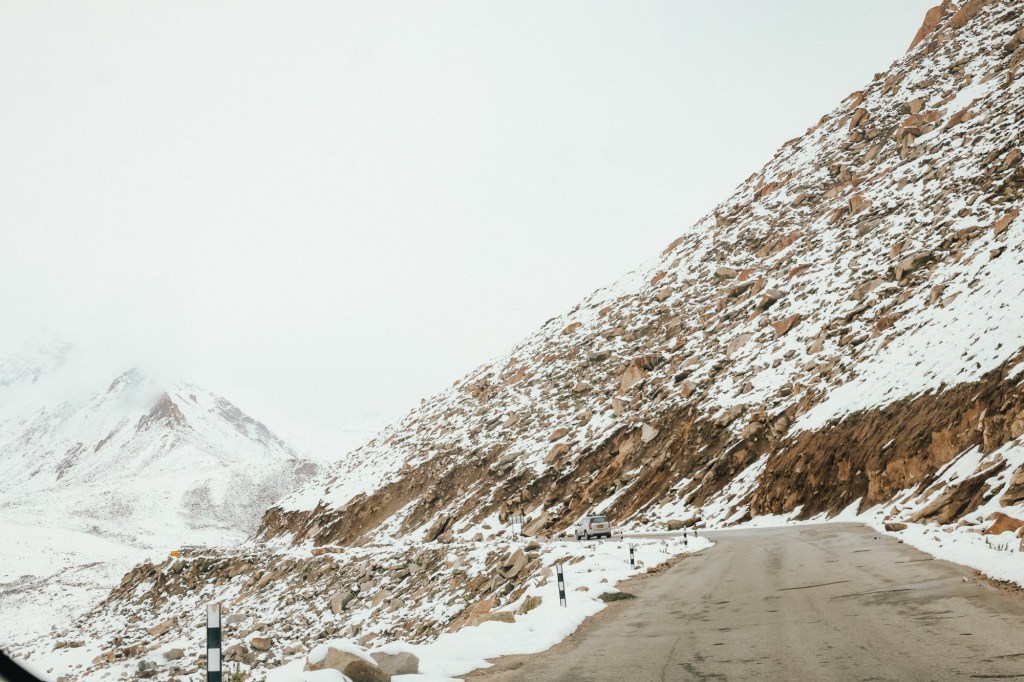
Let’s start with the incredible diversity of landscapes across India. In just two months, I experienced everything from freezing cold mountains to the heart of the desert, sometimes surrounded by lakes and rivers, other times by dry, dusty cities, or even the snow-capped peaks of the Himalayas. You’ll also find lush jungles, terraced hills, tropical beaches, and so much more. In the north, the Himalayas dominate states like Himachal Pradesh, Uttarakhand, Jammu and Kashmir, and Ladakh, where snow-covered mountains, monasteries, dense forests, and deep valleys create breathtaking scenery. In the west, Rajasthan is home to the Thar Desert, with its golden sand dunes, camels, historic forts, and a rich cultural heritage. The south offers a completely different vibe in places like Kerala, where you’ll find palm-lined beaches, vibrant temple towns, tea plantations, and a lively local culture. In the east, states like Meghalaya are covered in green hills, while mangrove forests stretch along coastal regions.
The diversity is not just environmental. You can move from a densely populated city with high urbanization and Western influence to a small village just 100 kilometers away that feels untouched, with far fewer people and a completely different pace of life. The landscape shapes daily life in countless ways, influencing culture, traditions, and routines. It determines the types of jobs people do, the clothes they wear, and even the way communities interact, which adds another layer to India’s incredible diversity.
Language Diversity
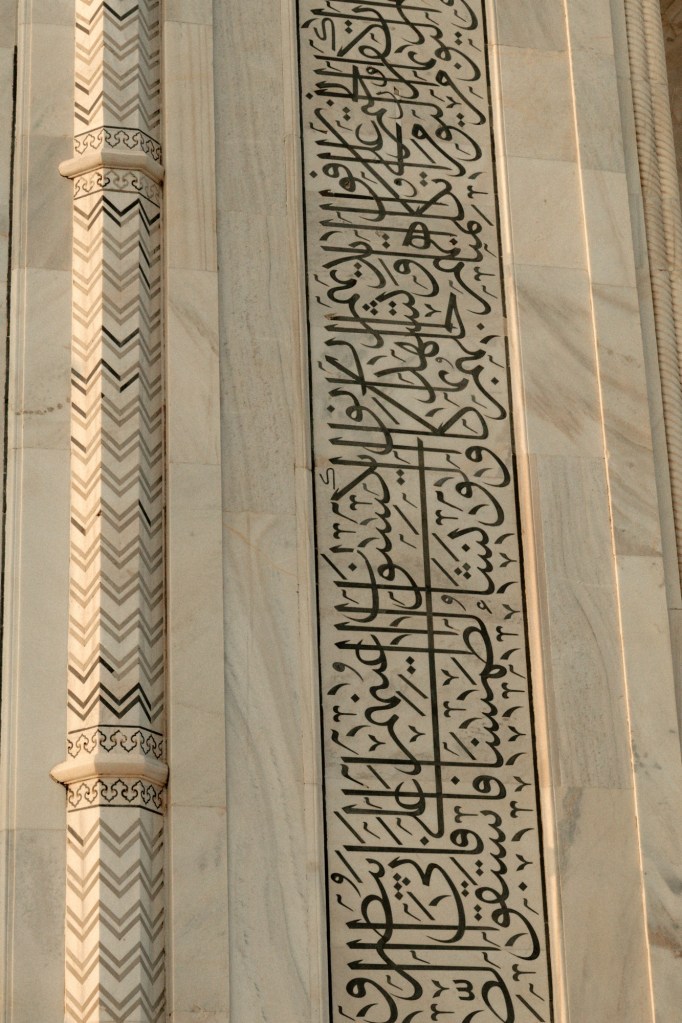
Next is India’s incredible language diversity. The government recognizes 22 official languages, but across the country, there are nearly 2,000 different languages and dialects. Hindi is the most widely spoken, alongside English, but the reality is that in many regions, people often communicate in English because they don’t understand each other’s native languages. In the north, Hindi dominates, while in the south you’ll encounter Tamil, Telugu, Malayalam, and Kannada. In the east, Bengali, Odia, and Assamese are common, and in the west, Gujarati and Marathi prevail. There are also completely different language families, like Kashmiri or Manipuri, which are unique in structure and pronunciation. Even neighboring cities or districts speaking the same language can have distinct scripts, accents, and vocabulary, making them almost like different languages within a region.
This is why English often becomes a unifying language, especially in larger cities where people come from all over the country. Hindi and English are the most commonly understood, but I met many Indians who didn’t speak Hindi at all, relying on English to communicate with someone from a different region. As a traveler, you can learn universal words like Namaste, but it’s nearly impossible to pick up a single language to use throughout the country because it changes constantly as you move around. This immense language diversity adds to the feeling that you’re visiting multiple countries in one, and it’s rare to experience such a range of languages anywhere else in the world.
Food Variations
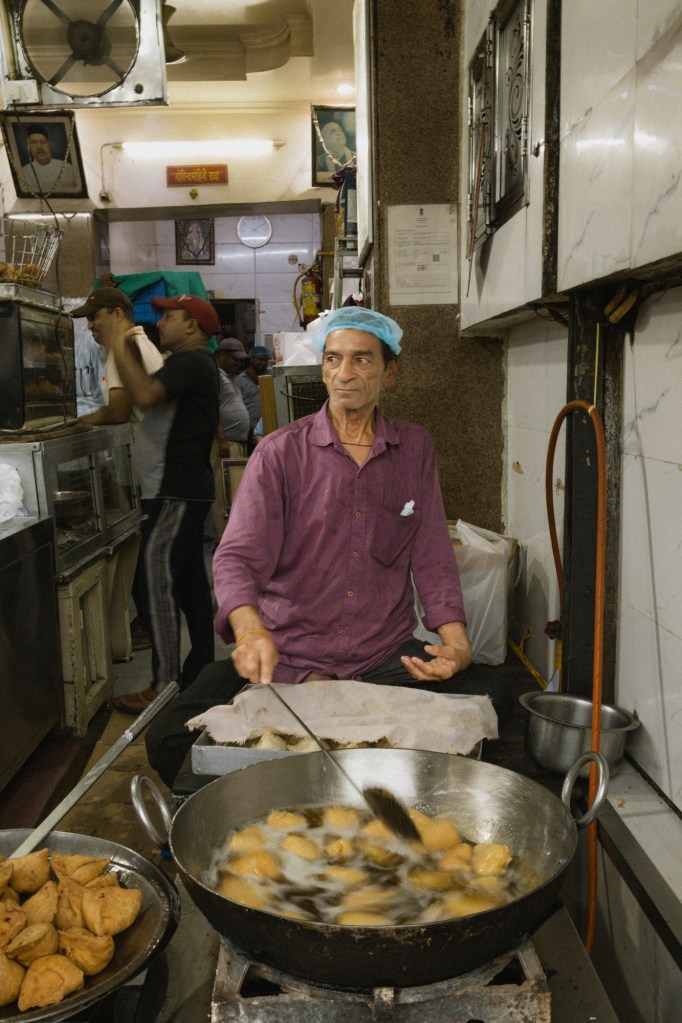
Next is food, which is probably one of the most diverse aspects of India. The variety of flavors, cooking styles, staple ingredients, and regional specialties really highlights the country’s incredible diversity. In North India, you will often find what many Westerners recognize as classic Indian food, with rich curries, creamy gravies, tandoori dishes, naan, and lots of dairy like paneer. This style of cuisine is especially popular in places like Rajasthan, Delhi, and Punjab. In the Himalayan regions, the food reflects Tibetan influences, with dishes like momos, hearty soups, and a wide variety of teas that warm you up in the cold climate. South India is quite different, with rice-based meals, dosa, coconut chutneys, seafood, and dishes often cooked in coconut oil to make them lighter. West and East India each have their own distinctive cuisines, with unique spice blends, fragrances, and regional versions of rice and lentil dishes. Street food changes dramatically from region to region as well. It could be samosas, pani puri, momos, or even a traditional banana leaf meal depending on where you are.
The climate plays a huge role in shaping the cuisine, with colder regions favoring warming spices and dairy, and coastal or warmer areas relying more on coconuts and seafood. This shows how deeply daily life, environment, and culture influence what people eat, and why food in India can feel completely different every few hundred kilometers. Experiencing India through its food is one of the best ways to understand the country, and I highly recommend trying dishes from multiple regions to really get a taste of its diversity.
Religious Diversity
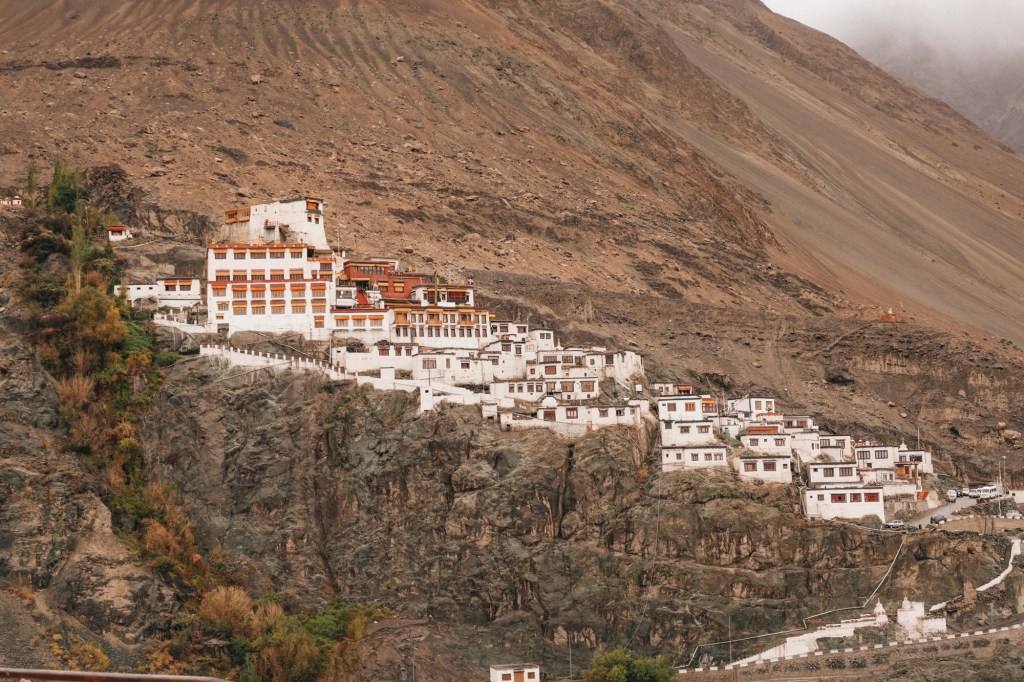
Next, let’s talk about the incredible religious diversity within India. It is the birthplace of several major religions and is home to countless deeply spiritual communities. You will find Hindu, Buddhist, Jain, Sikh, Muslim, Christian, and many smaller religious communities throughout the country. Each region has its own distinct spiritual landscape and atmosphere. The north is known for golden gurdwaras, ancient Hindu temples, and numerous Buddhist monasteries, especially in the mountains near Tibet. The south is full of grand, colorful temples with intricate carvings and rich ritual music. The west has impressive Jain temples made of marble, Islamic architecture in Gujarat, and historic churches in places like Goa. The east features Hindu temples, Buddhist influences, and even Catholic heritage in certain areas.
Across India, you will find cities where every religion is represented as well as cities dominated by one major faith. It is beautiful to explore this diversity, visit different religious buildings, and even participate in some of the rituals and practices, gaining a deeper understanding of the beliefs in each community. Another remarkable aspect of India’s religious diversity is its festivals. Many festivals overlap, creating vibrant, joyful, and highly celebrated events such as Diwali, Eid, Holi, Pongal, and Durga Puja. It is also inspiring to see that despite the wide variety of religions, coexistence is deeply ingrained in daily life. People rarely judge based on faith and are generally welcoming as long as you are kind and respectful.
Cultural Diversity
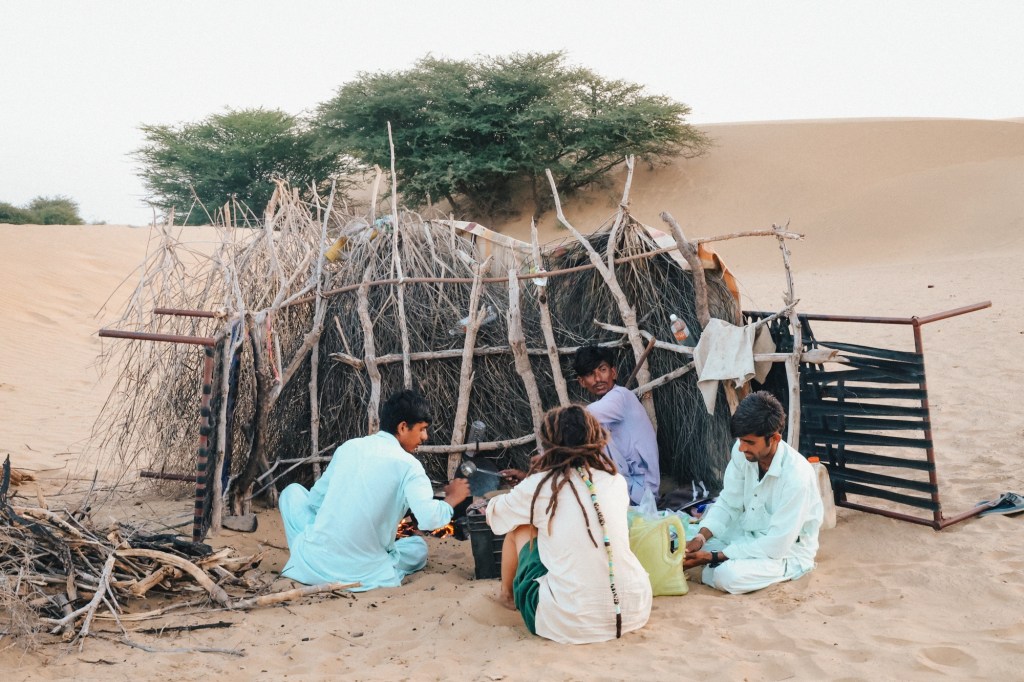
Next is the overall cultural diversity, which includes clothing, music, dance, and traditions. These often shift alongside language, food, and religion. Clothing is a big part of this diversity. Everywhere you go, you will see bright colors and beautiful outfits, but the style changes depending on the region. In Rajasthan, for example, you will see vibrant sarees and turbans. In Punjab, you will notice traditional salwar kameez, while in the Himalayas, people wear heavier woolen clothing and traditional Tibetan outfits suited for the cold.
Art and music vary widely as well. Bollywood is popular everywhere, but each region has its own traditional music that people are deeply passionate about. Punjabi music is famous, but every state has its own unique style that reflects local culture and history. Architecture also changes dramatically based on the empires that ruled the area, the natural resources available, and influences from colonialism and trade. In some places you will see grand marble temples, while in others there are bamboo huts or colorful local structures.
Within each region, people celebrate in different ways through dance, festivals, and rituals, creating unique ways of welcoming guests and honoring traditions. Despite all these differences, one thing remains consistent throughout the country: a genuine warmth and friendliness. No matter where you are in India, people are welcoming and eager to share their culture with visitors.
Conclusion
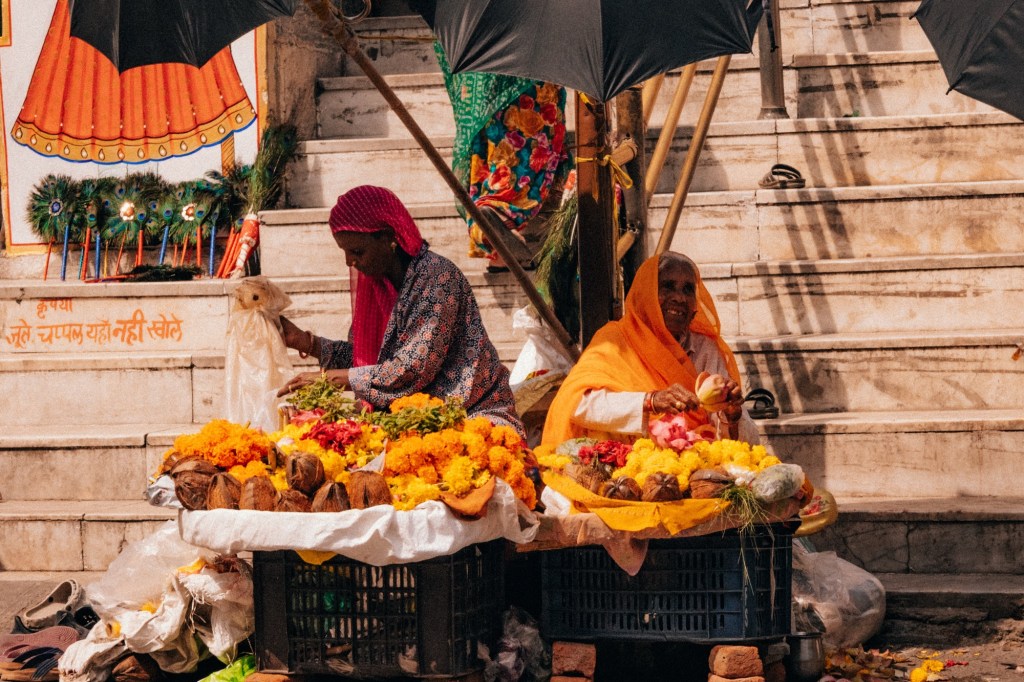
Despite being one nation, each Indian state really feels like its own country, and this is why it is so important to approach India with an open mind and the willingness to explore multiple regions. While there are shared values such as hospitality, respect for elders, community, and spirituality, each area also offers its own unique customs, traditions, and ways of life. The true charm of India lies in its diversity. Its cultures blend together to form a vibrant and welcoming country where you could spend years exploring and still discover something new at every turn. No matter where you go, there is always a different experience, a new flavor to taste, a new tradition to witness, or a fresh perspective to gain. This endless variety is what makes India one of the most fascinating and rewarding countries in the world to travel.
 Livslifeoncam
Leave a comment