
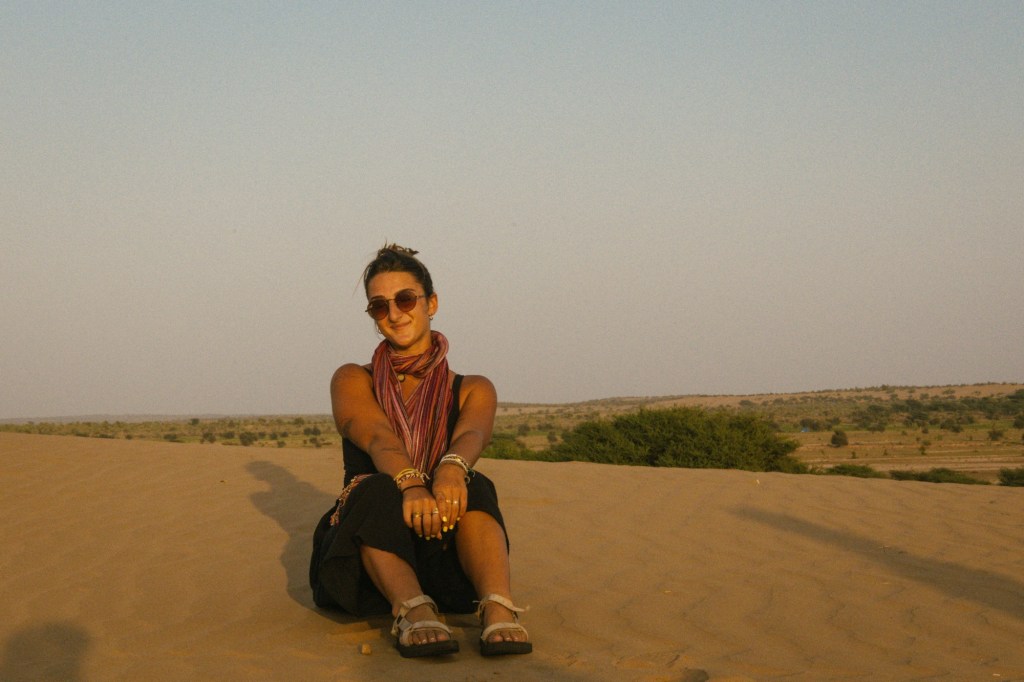
Before traveling to India, I was honestly nervous about going alone, especially as a woman. I’ve now traveled to dozens of countries solo, and most of the time I’ve never run into any major issues, just a few minor or unexpected situations that are part of any trip. But India always stood out in my mind as different, a place where people warned me I shouldn’t go alone.
I was told it could be unsafe, uncomfortable, or simply not worth the risk as a female traveler. For a long time, I let those opinions and stereotypes hold me back from experiencing the country for myself. But eventually I decided to push past that fear and go anyway.
After my trip, I want to share the realities of traveling to India as a solo female. I’ll go over what the experience is actually like, what challenges you might encounter, and how to navigate them. I’ll also share tips for improving your experience, avoiding uncomfortable situations, and preparing yourself for the true reality of exploring this incredible country on your own.
Now, before I dive in, I want to make it clear that every solo traveler’s experience in India is completely different. The people you meet, the places you go, your personality, and even the energy you bring all shape your experience. My time there was mostly pleasant, with only a few uncomfortable moments, but yours could be better or worse. I’m not here to say that nothing bad will ever happen because that would be unrealistic. At the same time, there is a very real chance that nothing bad will happen, because India is full of kind, generous, and wonderful people who do not fit the stereotypes many of us hear about.
So as you read this, keep an open mind, especially if you are a solo female planning to travel there. My goal is not to exaggerate the dangers or diminish them, but to share a realistic perspective from someone who experienced it first hand. Hundreds of women travel solo to India each year, often having deeply spiritual or transformative experiences. Solo travel there is becoming increasingly popular, and for good reason.
India is a country full of life, color, and culture. During my time there, I experienced breathtaking landscapes, vibrant cities, and met so many incredible people. I immersed myself in rich cultural traditions, participated in spiritual and religious ceremonies, explored chaotic markets and calm temples, and experienced the full spectrum of life the country has to offer. The contrast can be overwhelming at first, from chaotic to calm, beautiful to messy, and good to challenging, but when you let yourself sink into it, India becomes a place of joy, love, and self-discovery.
With that said, let us dive into some of the realities of solo female travel in India, along with practical tips to help you make the most of your journey and stay safe while exploring this incredible country.
Realities
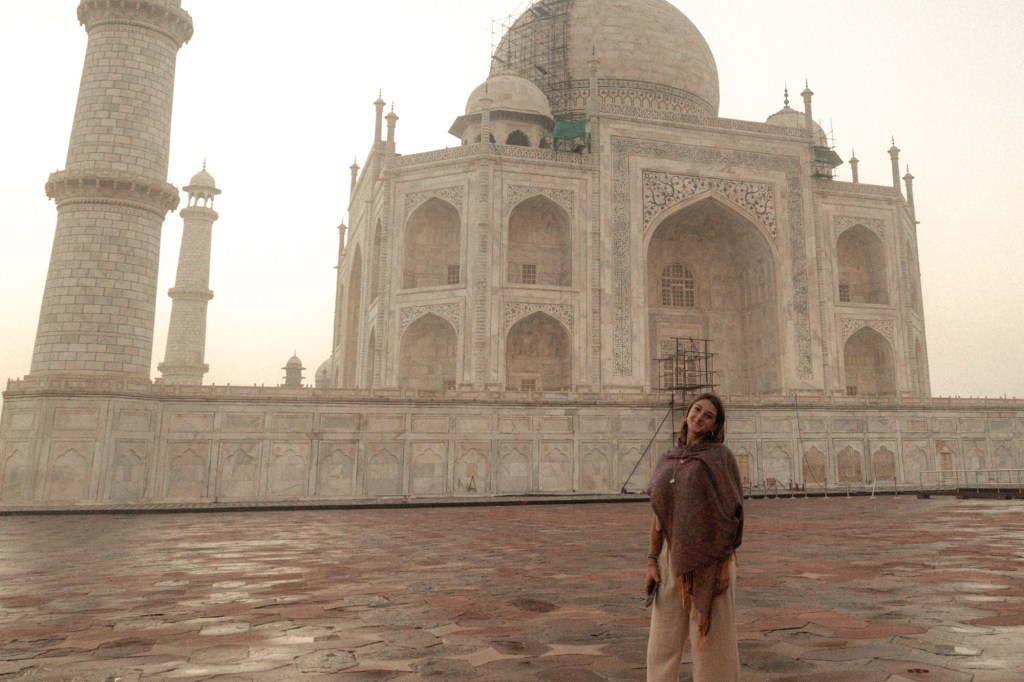
One of the most obvious experiences for solo female travelers in conservative cultures is the staring. As a white solo female, I noticed it immediately in India. Over time, it became normal and less bothersome, but if you are not used to it, it can feel jarring. Whether walking down the street, entering a restaurant, or checking into accommodations, people may look you up and down. Most of the time, this comes from curiosity rather than bad intentions, but it can feel uncomfortable.
There are instances where stares may have less innocent intentions, so being aware of your surroundings is important. One way I handle it is by asserting confidence. Brief eye contact or a firm look back often communicates that you are confident and will not tolerate unwanted attention. You do not need to engage in anger or frustration, but projecting confidence can change how these situations feel. Over time, you adapt and move through the streets of India with confidence, setting boundaries without needing to confront anyone directly.
Another reality of solo traveling in India, especially if you have a social media presence, is the attention you may get from people asking for your number or accounts. Often, when people ask what I do, they immediately want my Instagram or WhatsApp. I usually decline or just show my Instagram and remove anyone who becomes obsessive.
While in India, I had people follow me both from viral videos and in-person encounters. Most interactions were harmless, but some became obsessive with creepy messages or comments. This kind of attention is common, and it is completely okay to say no. Protecting your personal space online and being careful about who you add can prevent uncomfortable or obsessive interactions and help you feel safer while traveling.
Another mostly harmless reality is being asked for photos by locals. Families or individuals often want a picture with a foreigner, treating you like a celebrity. Most of the time, it is just curiosity and completely harmless.
Sometimes it can go too far, with people getting too close or trying to touch you. The key is to stay confident and assert your boundaries. You can always say no, and if someone takes a photo without permission, politely but firmly say, “Please do not take a photo of me.”
Dressing in a way that makes you feel comfortable and less like a target can also help. The right clothing can make it less likely strangers will approach you and help you avoid uncomfortable situations.
Along with being photographed and stared at, you may experience catcalling or people trying to engage you in conversation. They often ask where you are from, if you have a boyfriend, or whether you are married or single. In these situations, it is important to respond in a way that makes you feel safe. Sometimes bending the truth can help.
For example, I often say I am traveling with my boyfriend, who is back at the hotel. You could also say you are with a father, uncle, or another family member. Small stories like these set boundaries and make others think twice. Other strategies include wearing a fake wedding ring or having a male friend pretend to be your partner for extra support.
Most of the time, it is easy to exit these conversations. If someone asks personal questions or invites you somewhere and you do not feel safe, simply say you need to go and walk away. The most important thing is to trust your instincts, prioritize your comfort, and set boundaries. Being prepared with strategies like these makes traveling in India more enjoyable while still allowing you to experience the culture.
My biggest tip for avoiding a lot of uncomfortable situations in India is how you dress. India is generally a modest country, and many people, especially women, dress conservatively. Covering your legs, shoulders, and sometimes even your head can make a huge difference in the attention you receive.
The more you cover, the less likely you are to draw unwanted attention. Of course, how you choose to dress is completely up to you and depends on how you want to be perceived and the amount of attention you are willing to handle. Covering your face or head with a scarf, wearing long sleeves, and keeping your legs covered with pants or a long skirt can make navigating the streets much easier. It might not always be the most comfortable, especially in the heat, but it can help prevent uncomfortable or unsafe situations.
It is also important to understand the norms and culture of the specific city you are visiting. Some cities are more open and progressive, while others are more conservative and religious. Taking the time to observe and adapt to the vibe of each place can make your experience safer and more enjoyable. Dressing appropriately shows respect for local customs and often allows you to move through the city with more confidence and ease.
Always use registered taxi apps like Uber while traveling in India. Street taxis and tuk-tuks are not always the safest option, and when you are alone, you do not have much protection in these vehicles. Using an app like Uber adds an extra layer of security and peace of mind.
Uber helps prevent being overcharged or scammed and reduces the risk of ending up in an uncomfortable or unsafe situation with a driver you do not know. Whenever possible, avoid hailing a ride off the street and rely on a trusted application on your phone. It is a simple step that can make your travels smoother and safer.
At night, I strongly advise either walking with other people or avoiding walking alone altogether. Make sure you understand the atmosphere of the city you are in and ask people you trust about which areas are safe and which to avoid. Doing a little research ahead of time can help you steer clear of potentially unsafe situations and allow you to enjoy the city without unnecessary risk. Knowledge and preparation are key to staying safe while exploring at night.
When it comes to accommodation, especially if you are staying in hostels or dorms, always read reviews carefully and choose reliable guest houses, hostels, or hotels. Even if the room has a lock on the door, it is important to trust the owner and staff. They should feel like they have your best interests in mind. If something feels off, do not hesitate to leave. You should never feel obligated to stay somewhere just because you booked it. Trust your instincts and make sure you feel completely comfortable where you are sleeping.
In terms of dorms, I strongly recommend booking female-only rooms in India. In many other countries, I have stayed in mixed dorms without issue, and I did stay in a few mixed dorms in India, but the advice to stay in female-only rooms is well worth following. It provides an extra sense of security and comfort, allowing you to relax and not worry as much about your safety or privacy while traveling.
It’s important to realize that while there can be bad experiences, there are also many amazing individuals in India, especially women. The Indian women who take the time to talk to you are incredible companions. They are aware of the stereotypes and safety concerns and genuinely want to help you have a positive experience.
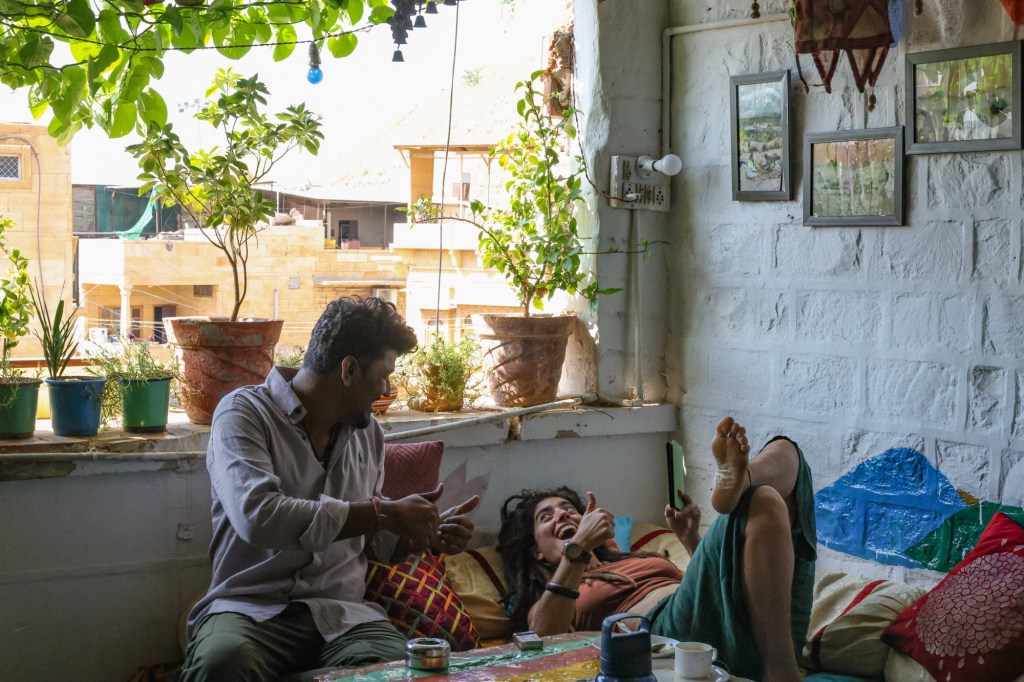
Building friendships with locals and connecting with women and others you trust is invaluable. I made many wonderful friends in India, and people often go out of their way to help, whether it’s connecting you to trusted friends, recommending a place to stay, suggesting tours, or assisting with transportation.
Of course, always trust your instincts. Walk away from a conversation if something feels unsafe, but when someone shows good energy and respect, take advantage of that friendship. Indians are incredibly welcoming, and you may be invited into homes for a meal or tea. Most invitations come from kind and genuine people. Balancing caution with openness allows you to make the most of your time in India while staying safe.
A huge part of the reality of solo female travel in India is understanding your own limitations and practicing patience. Often, we want to visit as many places and experience as much as possible, but we don’t always realize that we might not have the patience, strength, or confidence for everything. Before traveling to India, I strongly recommend reflecting on your own patience, resilience, and confidence. Choose routes and destinations that match your comfort level and your experience traveling alone.
Some regions of India are easier to navigate than others in terms of chaos, calmness, attitudes toward women, and cultural or religious norms. It is important to recognize how much you can handle, how well you can navigate uncomfortable situations, and how much you trust your instincts. If you have never traveled in a country where women may attract unwanted attention, it may help to start somewhere that gives you a gentler introduction to the culture. This allows you to become more comfortable with staring, catcalling, and people approaching you, which can be overwhelming if you are not used to it.
Sticking to well-traveled paths, tourist areas, and established buses or trains is also helpful. The more isolated or off-the-beaten-path you go, the higher the chance of encountering situations that are unsafe.
Ultimately, traveling solo in India is about testing your patience, going with the flow, and learning to be confident and fearless. This does not mean ignoring the potential risks, but rather recognizing when something is off and knowing how to handle it. It is about trusting yourself, moving through challenging moments, and not letting them overshadow the incredible experiences and culture the country has to offer. Solo travel in India can be transformative, teaching resilience, confidence, and a deeper understanding of both yourself and the world around you.
There are so many ways to travel through India, as it is such a large country with endless experiences, people to meet, and places to explore. Ultimately, it is up to you to choose a path and experiences that align with your character, patience, and tolerance.
Reading this may make you feel more confident about traveling to India, or it may feel intimidating. I could focus on the bad experiences I had, but I choose not to. I choose to focus on the incredible experiences, because the good far outweighs the bad. For every negative encounter, I met ten kind and generous people. For every uncomfortable situation, I had ten life-changing, eye-opening experiences. Dwelling on the bad only reinforces stereotypes and diminishes the richness of the country.
By sharing practical advice and the realities of solo female travel, I hope to give a more balanced perspective. Despite challenges and cultural differences, India has become one of my favorite countries in the world. I have had difficult moments here, but they will never change my admiration for the country’s culture, beauty, and the kindness of so many people. Traveling through India has been fun, transformative, and unforgettable.
That said, this experience is highly personal. Some people can handle more, some move past challenges faster than others. It is important to know yourself before traveling here. You need strength, resilience, and an open mind. Traveling through India requires being able to face situations that don’t always go as planned and moving forward without letting them define your experience.
I am not justifying the negative experiences I encountered, but rather acknowledging that bad things happen everywhere in the world. The key is realizing that even in a place where challenges exist, you can have amazing, life-changing experiences. In the end, it is up to you which moments you choose to remember—the good or the bad. For me, the incredible, transformative experiences will always outweigh anything else.
 Livslifeoncam
Leave a comment