

One of the most incredible parts of traveling is getting to fully experience the food and drink culture of a country. No matter how “authentic” a restaurant in your hometown claims to be, it can never truly replicate the experience of eating in the country itself. The ingredients are not the same, the atmosphere feels different, the climate and cooking methods vary, and the chefs are local experts who have grown up with these flavors. You can get close to the real thing at home, but that authenticity can only go so far. Food culture is not just about what is on your plate it is about how it is enjoyed, the traditions around it, and the lifestyle that surrounds it. In Spain, the food and drink culture goes far beyond the dishes themselves. There is a deeply rooted way of living that revolves around how meals are shared, why certain foods are eaten, and when. The combination of lifestyle, climate, and tradition creates an experience that is completely unique and unlike anywhere else. In this article, I want to share the key aspects of Spanish food culture and why Spain and the Mediterranean diet in general is considered one of the healthiest in the world both physically and socially. For years, the Mediterranean diet has been celebrated for its health benefits, but the reasons go far beyond just eating fresh vegetables and olive oil. Traveling through Spain, you get to see these reasons in action and experience firsthand how food truly shapes daily life.
First and most importantly is the availability and use of fresh ingredients throughout Spain and the wider Mediterranean region. The food is built on a foundation of fresh and healthy ingredients, with staples like vegetables, fruits, legumes, fish, nuts, and olive oil being the core of most meals. Locally sourcing products whenever possible is a key part of the culture, and people take full advantage of the ingredients that grow around them. There is a strong focus on balance and moderation, not just in what is eaten but also in lifestyle choices. Whether it is enjoying sweets or wine, the approach is always about balance rather than restriction, creating a sustainable and enjoyable way of eating.
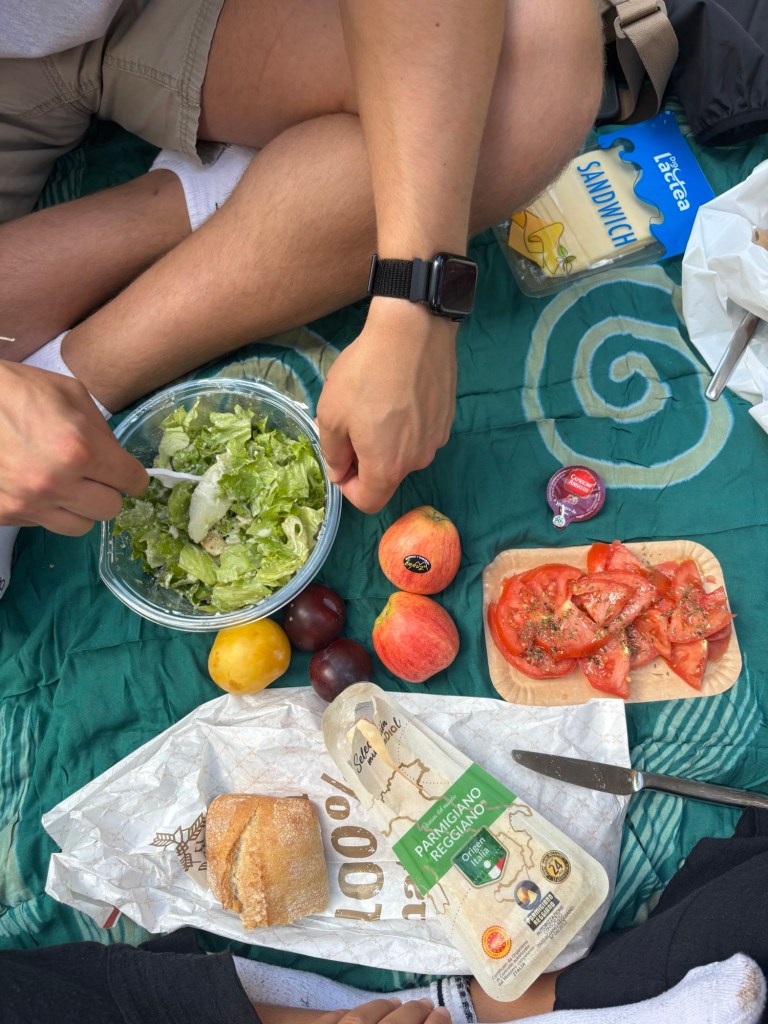
The ingredients themselves are minimally processed and emphasize simplicity and natural flavors. Farm to table is a huge focus, with local produce coming straight from farms rather than relying on ultra-processed or preserved items that lack the freshness and nutrients of natural ingredients. Spanish markets are full of seasonal and local products all year round, and people take pride in using what is fresh, high quality, and in season. Quality is never sacrificed for cost, which is a major reason the Mediterranean diet is so healthy. Farm to table is not just a concept in Spain, it is ingrained in the culture whether in restaurants or home kitchens, and it shapes the way people cook, eat, and connect with their food every day.
One of the most prominent features of the Mediterranean diet, and something you notice everywhere in Spain, is the abundant use of olive oil. Olive oil is the primary source of fat in the country, and it has long been celebrated for its health benefits, especially when it is high quality, as it is in the Mediterranean. It is rich in antioxidants and monounsaturated fats, both of which are beneficial to the body and support overall health. The key, as with much of the Mediterranean lifestyle, is moderation. Olive oil is used generously to enhance flavor and nutrition, but always as part of a balanced diet rather than in excess. Its presence in nearly every dish, from simple salads to cooked meals, is a perfect example of how Spain combines taste and wellness naturally.
Next is the culture of tapas. Tapas are a variety of small dishes rather than one large portion of a single item, and this approach encourages many healthy habits in Spanish food culture. The small plates naturally invite sharing, which makes meals a social event. Sharing food and drinks is a central part of life in Spain and throughout the Mediterranean, and there is a strong focus on the joy and connection that comes from eating together. Meals are meant to be slow and relaxed, not rushed, and tapas fit perfectly into this lifestyle. Eating small dishes encourages mindfulness and allows you to enjoy each bite, appreciating the flavors and textures of the food. Tapas also make it easy to enjoy variety and balance in your diet. Instead of one heavy plate, you can have multiple small dishes that include vegetables, proteins, carbohydrates, and healthy fats, giving your body a little bit of everything it needs. It is a simple yet brilliant way to combine nutrition, taste, and social connection.
Next is the eating schedule. Spaniards follow a very different routine compared to many other countries. Breakfast is usually light, followed by a late lunch and then a very late dinner, often going out to eat and drink much later than you might expect. Because of this, streets and restaurants are lively well into the evening, sometimes even around eleven or twelve. There is a strong culture of long, relaxed meals in the afternoon, often followed by a siesta to aid digestion and encourage rest. Meals are not just about eating, they are social events that bring people together. Sharing food, taking the time to enjoy it, and connecting with friends and family are central to daily life. This approach not only promotes healthier digestion but also fosters a sense of community and balance that is woven into the lifestyle.
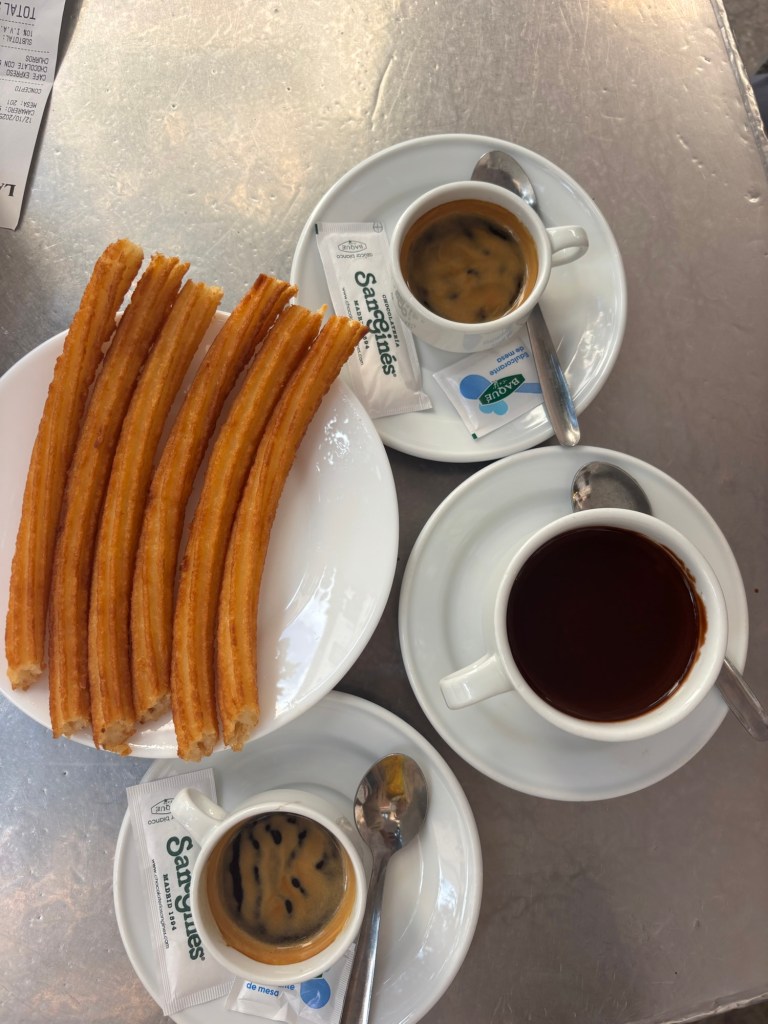
This brings us to the pairing of drinks. In Spain, wine is enjoyed with food as a complementary part of the meal rather than for the purpose of intoxication. There is a strong pride in local, high-quality wine, often produced nearby, which is carefully paired with regional dishes. The combination of fresh food and local wine works together to create a balanced and healthy lifestyle.
Even their staple dishes that are not tapas are thoughtfully curated. The ingredients are selected to work together, creating meals that are nutrient dense and flavorful. Traditional dishes may sometimes be very simple, using just a few ingredients, but the key is in the quality of each ingredient and how they come together. A dish becomes more than just food when it is prepared with care and paired with complementary flavors.
There is also a general connection and respect for food in Spain. People tend to favor simplicity and natural flavors, letting ingredients like olive oil enhance the taste rather than masking it with so many heavy spices or additives. Cooking methods like grilling and slow cooking are commonly used to preserve nutrients and maximize flavor.
At the end of the day, the Spanish lifestyle is remarkably healthy. Whether it is walking to the market or a restaurant, enjoying balanced and high-quality meals, or taking the time to socialize and eat slowly, Spaniards live intentionally when it comes to their health and diet. Studies and data have long shown that this lifestyle and diet are among the healthiest in the world, but actually seeing it in practice and experiencing it firsthand puts it all into perspective. The combination of fresh ingredients, mindful eating, social connection, and daily movement creates a way of life that is as nourishing for the body as it is for the mind.
 Livslifeoncam
Leave a comment