
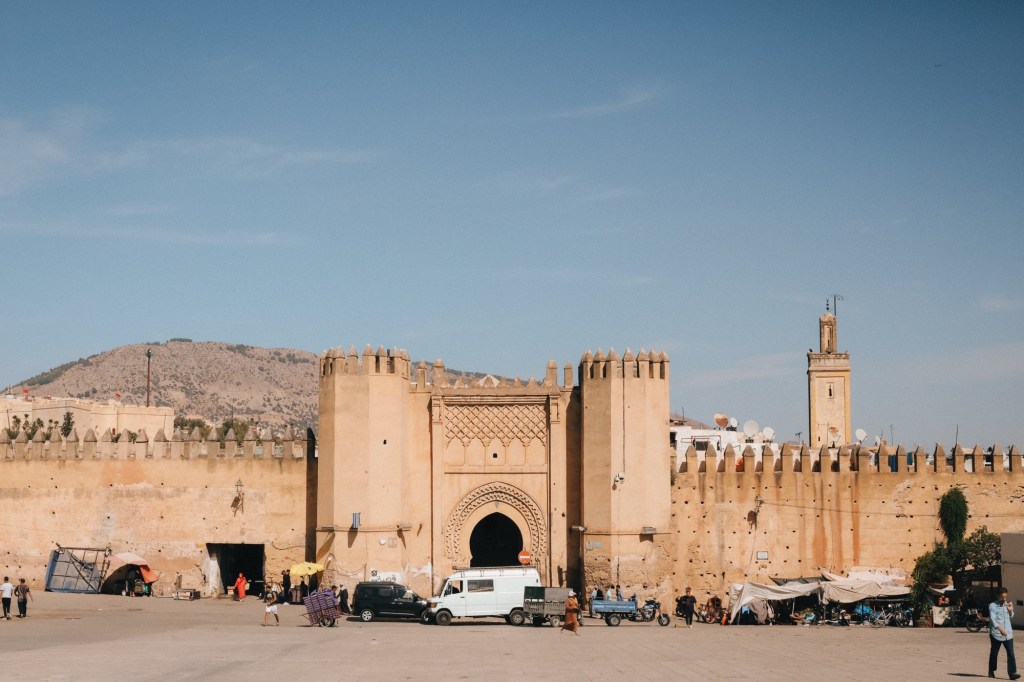
There are very few cities I’ve ever visited that truly feel like they’ve been frozen in time in the best way possible. When you walk through the streets and see the way of life and the traditions that have continued for hundreds of years, it feels as though you’ve stepped into another era that the city still proudly lives in today. It’s something really special and that was my immediate impression of one particular city I visited in Morocco.
Fez, located in the north, is one of the most unique cities when it comes to keeping traditions alive. It holds onto its authenticity, charm, and deep sense of history in a way that feels almost untouched by modernity. Exploring Fez felt like diving straight into the heart of Morocco’s cultural identity. I found myself constantly learning about why things are done the way they are and how the people have chosen to preserve their customs rather than adapt to the technological and infrastructural changes that have shaped much of the modern world.
What stood out to me the most was how beautiful it was to speak with the locals, experience their way of life, and see how every corner, alleyway, and individual person embodied these deep-rooted traditions. It’s something you don’t often find in cities anymore, and that’s what makes Fez so unforgettable.
If you’re heading to Morocco, I highly suggest visiting Fez. It’s a super cool city that offers something completely different from anywhere else in the country. I want to share a few of the reasons why this city makes you feel like you’re stepping straight into the past, and how it continues to preserve its traditions, old ways of life, and daily habits. Fez truly feels like a place that hasn’t moved on from its roots, and that’s exactly what makes it so special.
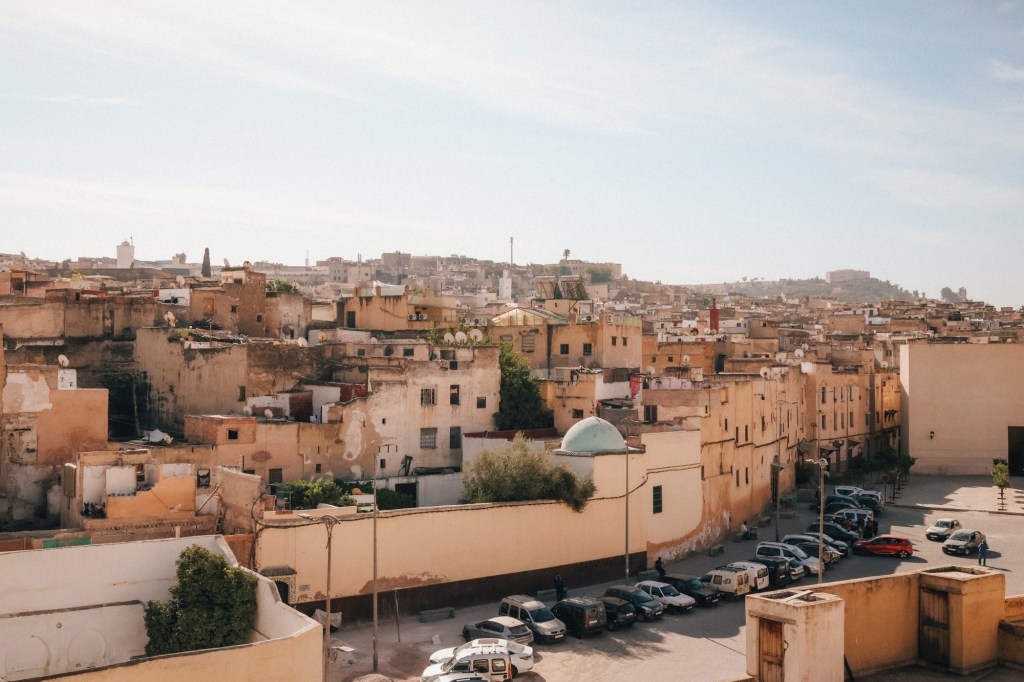
Let’s start off with the first thing you’re going to notice as soon as you begin walking around and exploring everything the city has to offer: the Medina. The Medina, known as the old city or historical center, is one of the largest and most fascinating in all of Morocco. It’s made up of over nine thousand narrow alleyways, many of which are far too small for cars to pass through. Some paths lead to dead ends, others connect through to different areas, and some are even closed off during certain times of the day.
Getting around the Medina can feel like stepping back in time because modern tools like Google Maps are basically useless here. No app on your phone will save you from getting lost. You really just have to rely on your instincts, ask locals for help, or use mental markers to remember your way. It’s part of the adventure and one of the most authentic experiences you can have in Fez.
These tiny passageways were originally designed to provide shade and keep people cool under the hot Moroccan sun. As you wander through them, you’ll notice how alive the Medina still is today. Every corner is buzzing with market stalls, small shops, cafés, and restaurants. Walking through, you can really feel the purpose behind its design, understand why it was built this way, and appreciate how it continues to thrive after all these years.
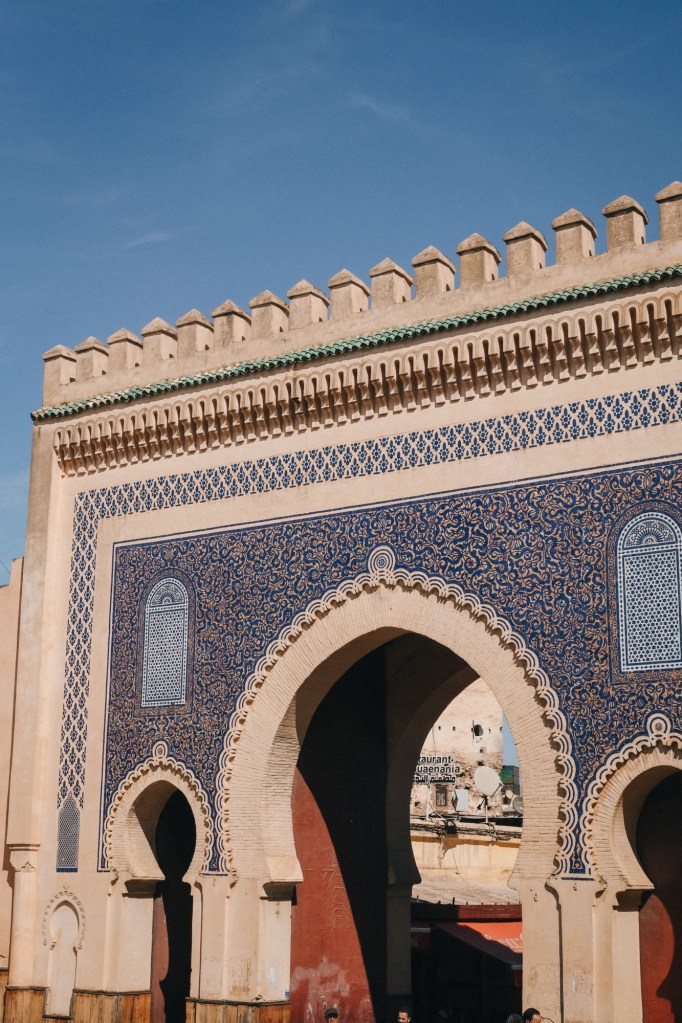
Next up, when it comes to tradition and the old way of life in Fez, is education. Many people don’t realize that the oldest running university in the entire world is actually located right here. It’s called Al Quaraouiyine University, and it was founded by a woman named Fatima al-Fihri. To this day, the university is still active, continuing its centuries-old legacy of learning and faith.
Non-Muslims aren’t allowed to enter the university itself, but you can visit some of the nearby madrasas and mausoleums that once served as schools. Walking through these spaces gives you a real sense of how education used to look centuries ago, how it was built, how it was taught, and how that traditional style of learning is still preserved in some ways today.
During my time wandering through the Medina, I met several students who were currently studying at the university. It was amazing to talk with them and hear how proud they were to be part of such a historic institution. They spoke about how traditional the university remains and how lucky they feel to study somewhere with such a deep connection to Morocco’s cultural and educational roots.

Next up, when it comes to traditions and old ways, let’s talk about the tanneries. The tanneries are where workers use large stone vats built into the ground to clean, color, and dry animal hides before they’re turned into leather goods sold throughout the city and the rest of Morocco. The country is famous for its leather, but Fez is especially known for it, as its tanneries are some of the oldest and largest still operating in the world, all using the same traditional methods that have been passed down for generations.
Visiting the tanneries is such a fascinating experience. It’s something you rarely get to see anywhere else, and it really makes you realize how much hard work, effort, and skill go into producing a single piece of leather. Each hide goes through several days of soaking, drying, dyeing, and finishing before it becomes something as simple as a wallet, bag, or belt.
You can watch the entire process from above and see the workers standing surrounded by rows of natural dyes in vibrant earthy colors. The strong smells, the heat, and the conditions they work in are intense, yet they continue this work with so much pride and precision. It makes you truly appreciate the craftsmanship, authenticity, and uniqueness behind every leather product you see in the souks of Fez.
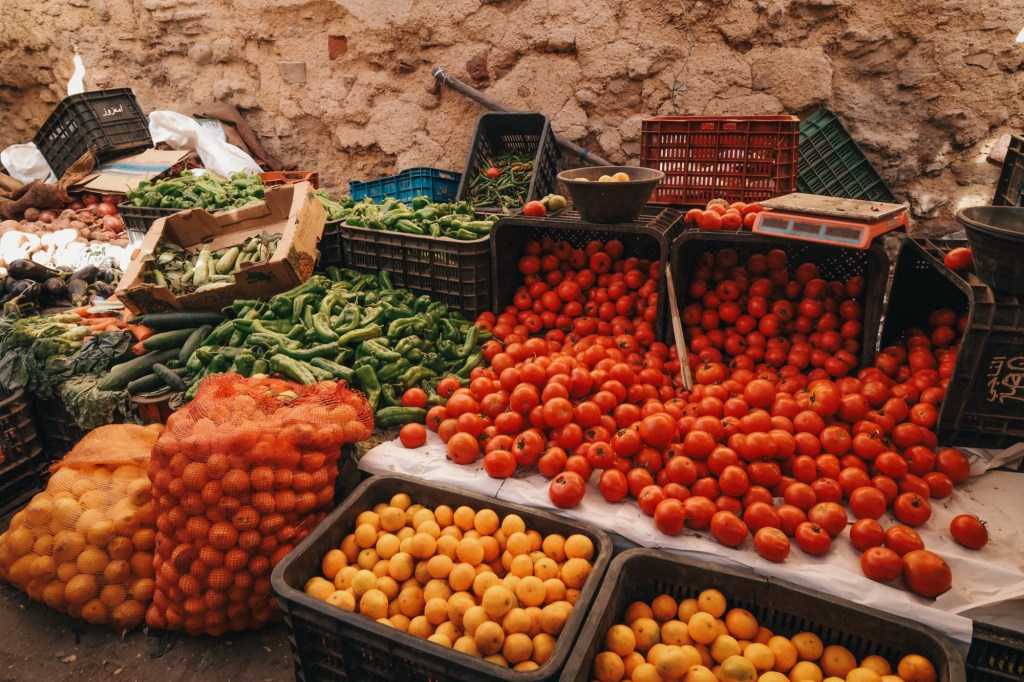
Which brings me to my next point, the markets and all the incredible artists and craftsmen who fill them. The artisans in Fez create their work using some of the most traditional practices that still exist today. Whether it is crafting shoes, shaping leather goods, painting, weaving clothes, or molding ceramics and pottery, you will see people hand-making everything right in front of you. No machines, no shortcuts, just patience, precision, and generations of skill passed down through families.
Walking through the markets, you will often see the shop owners sitting beside their stalls, working on their next creation while greeting customers. It is amazing to watch them carefully shape, carve, or paint each piece by hand, and it gives you such a deep appreciation for the effort that goes into every single item you see. It is art in motion, and it makes you want to stop, talk to them, and support their craft.
The ceramics and pottery in Fez are especially stunning, with unique patterns and color combinations that reflect Moroccan culture so beautifully. The carpets are also works of art, vibrant, intricate, and unlike anything mass-produced. I highly recommend doing a bit of shopping here, and if your backpack is too full, most places can help you ship your treasures home. Whether it is a handmade bowl, a painted tile, or a colorful carpet, each piece tells a story of the craftsman who put time and energy into it.

I had the pleasure of talking with so many different locals in Fez, and one of the most beautiful things I noticed is how many of the jobs and careers here stay within families. Whether it is working with leather, pottery, education, or other trades, sons often follow in their fathers’ footsteps and continue the same work. Many of them work directly in the tanneries or in shops, keeping their craft alive through generations.
There are also traditional pharmacies and beauty shops where families produce natural products like argan oil, soaps, and other handmade health and beauty items. Often, the sisters and mothers are working alongside the men, contributing to every step of the production process. It is really amazing to see how these skills and traditions have stayed within families for centuries and how the methods and habits used to create these products have hardly changed at all.
The city feels incredibly unique, full of life, color, and creativity wherever you go. It is rare to have the chance to see a product made from start to finish and truly appreciate all the work and care that goes into it. Even if some of these items might seem inexpensive to visitors, you can see the immense time, effort, and materials that go into making them. It makes you value the craftsmanship even more and recognize the real worth of the people and the work behind every piece.

Lastly, I think this city is a perfect example of how keeping our old traditions and methods can be a truly good thing. It reminds us that not everything needs to be technologically advanced or mass-produced, and that there is value in preserving uniqueness and originality, especially in crafts and handmade products. Fez shows that hard work, creativity, and dedication are just as important as the large number of products we create. Sometimes less really is more, and quality over quantity will always matter. This city holds those values in every corner, every workshop, and every piece of art, making it a place that feels timeless, unique, and incredibly authentic.
 Livslifeoncam
Leave a comment