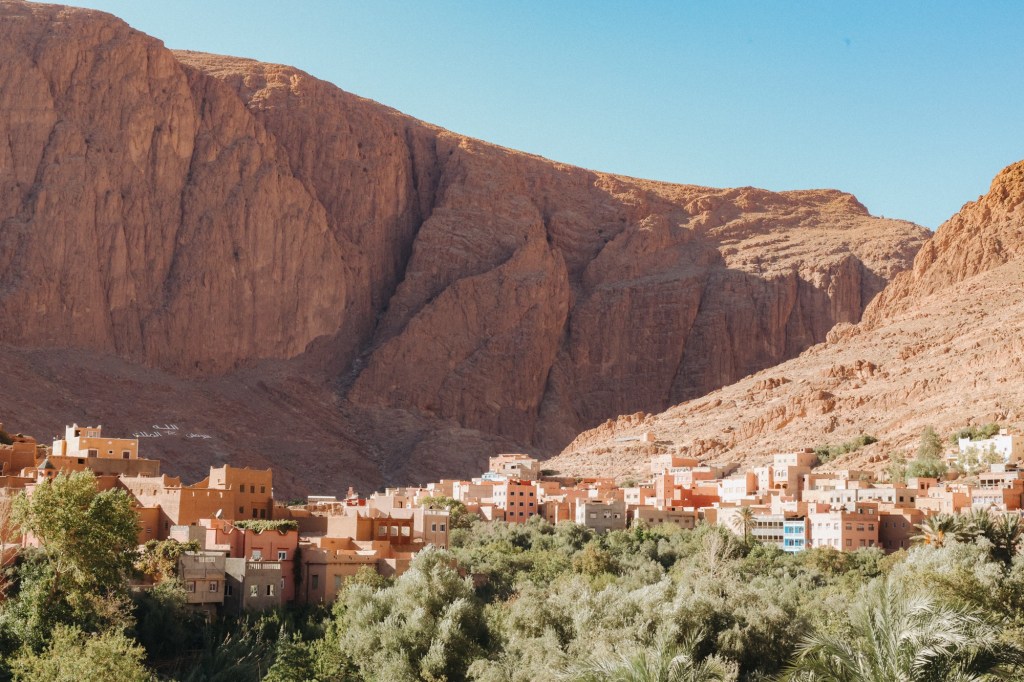
I came to Morocco expecting a magical, authentic, and cultural experience right away, and instead, I kind of felt like I had stepped into a live Instagram story full of tourist trapped vibes and staged experiences. In some of Morocco’s popular destinations, like the Merzouga Desert, I felt so overwhelmed by outside influence and commercialization that I was completely taken aback. I wasn’t expecting this, and I haven’t heard many travelers talk about this side of Morocco.
There were moments where I felt the rich culture, the beautiful people, and the incredible experiences Morocco has to offer, but they were often overpowered by the sheer amount of European and North American tourists and influence. Whether it was navigating the crazy markets in the Medina or on an overnight desert experience, I felt like so much of what I was experiencing was designed for the perfect Instagram post or TikTok video. Everything felt overly guided and staged, and I just wasn’t expecting that.

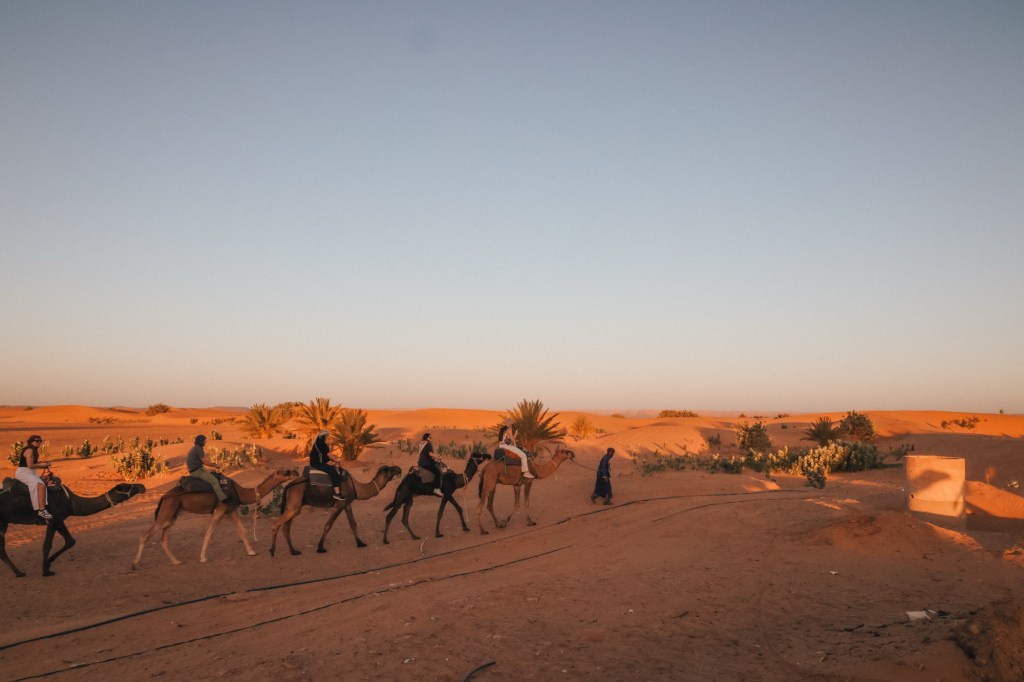
I’ll never forget my experience on the Merzouga Desert tour from Fes to Marrakech for three days. I was excited for it to be over. Every day, we would drive for hours along some of the most beautiful roads, passing quaint desert villages, only to stop for maybe two minutes just for Instagram photos before moving on. The guides offered no historical context or cultural insight about the places we were seeing. Instead, the focus was always on the perfect angle for a photo or taking pictures of us in front of villages or viewpoints. I was looking for depth, cultural, historical, and religious insights about the people and the place, but instead, it felt like tourist trap after tourist trap. Even our meals seemed more about monetizing the experience than giving a genuine cultural exchange.
Even exploring the cities on my own, without a tour, I noticed that locals had become so accustomed to tourists that the culture felt diluted, especially in a city like Marrakech, which has become extremely popular with Europeans and Americans. The atmosphere felt fake, overwhelming, and staged. Some sites I visited were disturbing because everything seemed designed for what tourists could photograph and post online rather than for genuine cultural engagement. I often had to assert myself to avoid being scammed, showing sellers that I was well-traveled and aware of their tactics. Meanwhile, I watched countless Europeans and Americans overpay for things they had no idea were overpriced, and it all felt painfully staged.
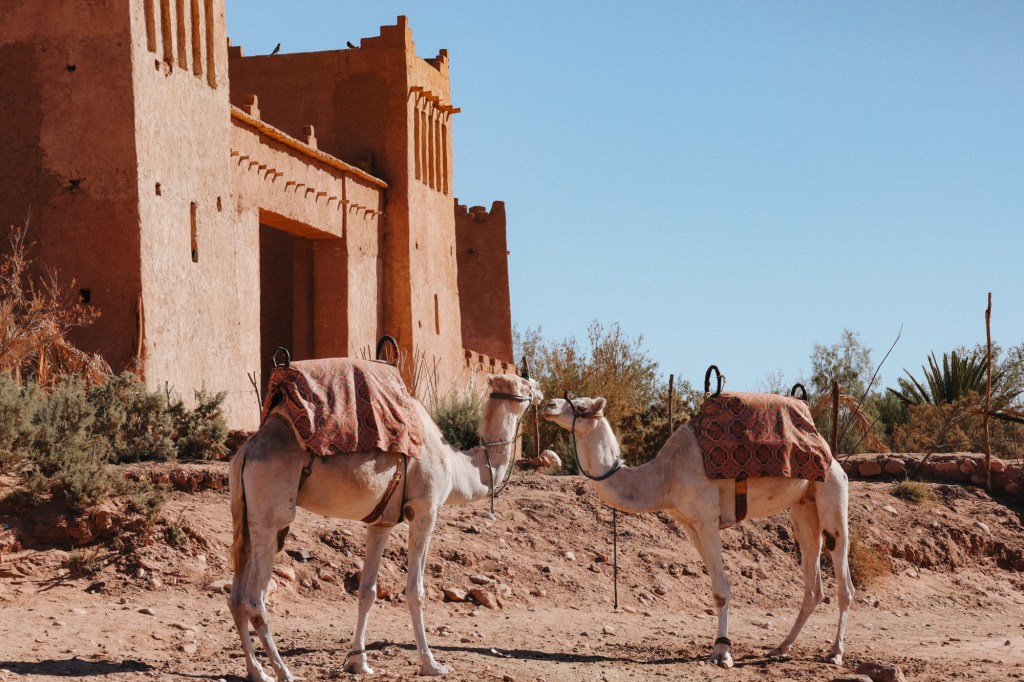
This is not to say that every part of Morocco felt like this. I spent nearly seven weeks in the country and did find areas where I had some of the most incredible, immersive cultural experiences, but only because I deliberately went further off the beaten path and really sought authenticity. For the most part, however, it was difficult to find, because the cities have become so touristy. I also think my expectations for this country were extremely high, which is part of the reason it felt this way, and that has a lot to do with social media. In the past few years, Morocco has absolutely boomed online, especially among Americans studying abroad. Every American I know has taken a weekend trip to Marrakech or the Sahara Desert and claimed it was life-changing. Morocco has been given immense hype over the past few years, and I, myself, was expecting an incredible destination and experience.
To preface, I have traveled to nearly forty countries, including places that are extremely off the beaten path, so I was expecting a true cultural experience, not a Europeanized version or something similar to heavily traveled parts of Asia. My perspective may be different because of my prior travel experience, but I also spoke with many others who felt the same: it really just felt like Instagram had taken over. What I mean by this is that so many experiences and sights seemed created for social media, and the country felt overrun with curated tourism. It was clear that locals were extremely familiar with tourism and knew how to maximize it, which in a way felt a little bit wrong.
I had hoped to truly immerse myself in the local language, culture, traditional dress, and cuisine. Instead, I saw people walking around in clothing that was extremely European and inappropriate for the modest, Arabic-influenced culture. I also noticed that because of tourism, many locals speak multiple languages, and in some cities I rarely heard Arabic, which felt sad to me. On top of that, there was a lot of European influence in the food. You could easily find whatever kind of food you wanted. I had expected to be overwhelmed by local cuisine, but while local food was available, it was just as easy to find Western and European options.
Now this is a really interesting topic, because as much as I find it frustrating to visit places where tourism has diluted the culture and taken over, I am also a tourist myself, and I am a part of that issue. I understand how beneficial tourism can be to a country, its economy, and the people whose livelihoods depend on it. With that being said, it also takes away from what the country became well known for in the first place, and it can take away from the local way of life. There were many moments in major tourist areas where I felt that locals had altered their culture to better align with the expectations and behavior of tourists. I found that deeply sad, especially in a country that is African, Muslim, and traditionally more modest and conservative. It felt as though some cultural shifts were happening due to the heavy presence of progressive and European influence within the country.
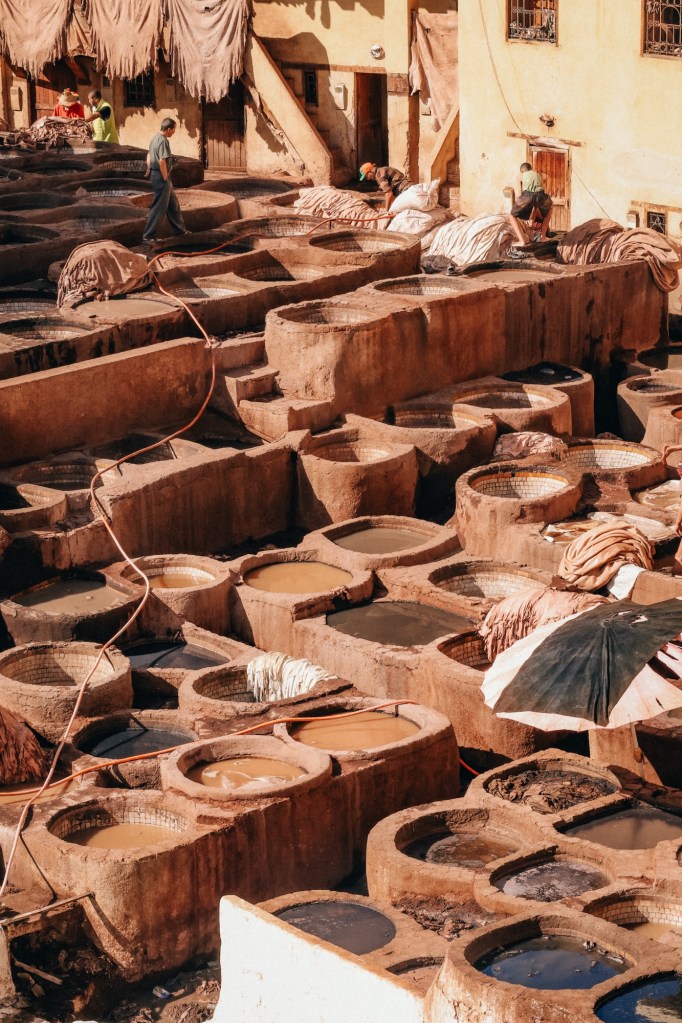
Morocco is centrally located and extremely accessible from Europe, and even from North America. It is very easy to reach, which understandably makes it a major tourism hotspot. I was still taken aback by the immediate impact tourism had on the culture from the moment I arrived. Like I mentioned before, I did find off the beaten path places, incredible experiences, and locals who allowed me to truly immerse myself in authentic culture. However, it was not as easy to find as I initially expected, and I was disappointed by more cities and experiences than I thought I would be, especially considering the immense hype surrounding Morocco on social media.
Regardless, Morocco is a naturally stunning country with some of the most incredible landscapes and diverse environments I have ever seen. The culture, when not diluted by tourism, is absolutely beautiful, and the warmth and kindness of the locals is incredibly present when you take the time to immerse yourself. The food, history, and art are amazing, and I deeply admire the culture. There is so much to appreciate. I just wish it had felt a bit more genuine and authentic in some places. Overall, Morocco is still an incredible destination with so much to see and experience. It is simply worth noting that tourism has diluted parts of it quite a bit. Seeking out smaller towns, less visited areas, and finding ways to experience the country more locally, or even without tours, can make a huge difference. Doing so allows you to enjoy the landscapes and experiences without feeling like you are part of a curated Instagram story. Morocco has a beautiful soul, and that soul is still very much there. You just have to dig a little deeper past the Instagram posts and TikToks to find it.
 Livslifeoncam
Leave a comment