
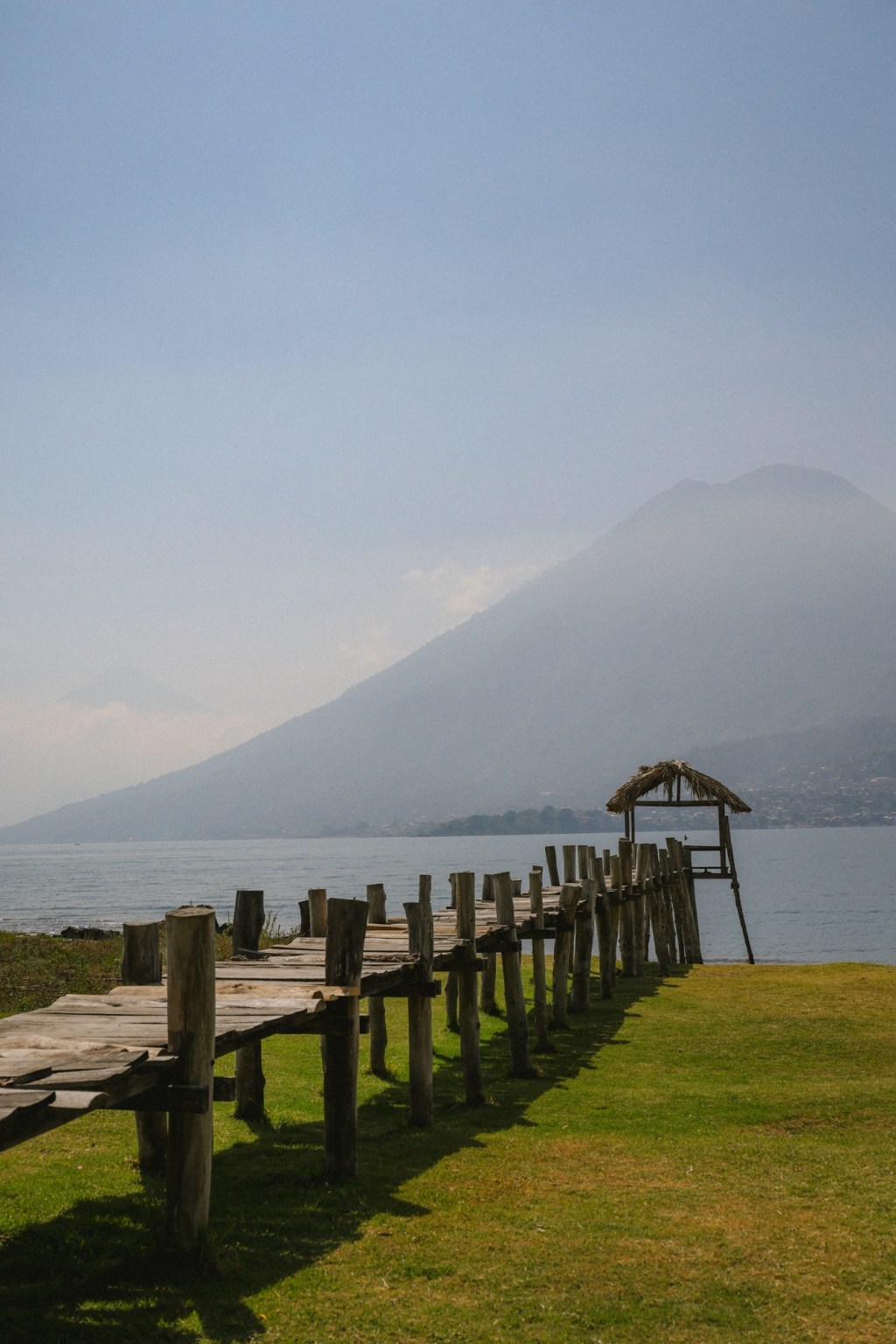
If you’ve ever looked into Guatemala, you’ve probably come across Lake Atitlán. It’s one of the most talked about destinations in the country and is often compared to places like Lake Como. It shows up everywhere online and looks like this perfect, peaceful escape.
I recently spent over two and a half weeks exploring the lake, moving between different towns and really trying to understand what it’s like beyond the highlight videos.
Before going, my expectations were very high. People talk about this place like it’s the best part of Guatemala. Amazing vibes, super relaxing, so much to do, so much to see. Naturally, I went into it expecting all of that.
And to be clear, the lake is beautiful. It really is.
It’s located about two to three hours from Antigua and is surrounded by massive volcanoes like Volcán Atitlán, Volcán Tolimán, and Volcán San Pedro. Everywhere you look, there are dramatic views and layered landscapes. It’s one of those places that feels special just being there.
But there are also some important realities that people don’t really talk about, and they can completely shape your experience.
Why accommodation matters so much
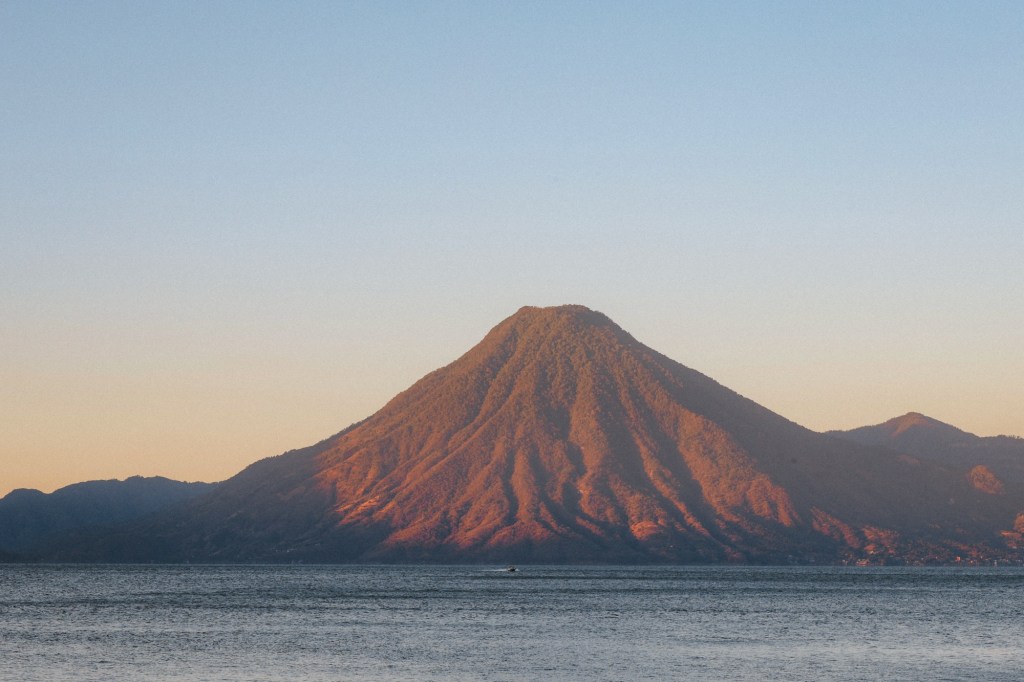
The lake is big and deep, one of the deepest in Central America, and it’s surrounded by a lot of different towns and villages. Each one has a completely different feel.
Because of that, where you stay is not just about convenience. It actually defines your experience. Your views, your day to day, your surroundings, and how relaxed you actually feel all come down to your accommodation and location.
Before getting into the towns, there’s one thing that’s really important to understand.
The reality of the lake itself
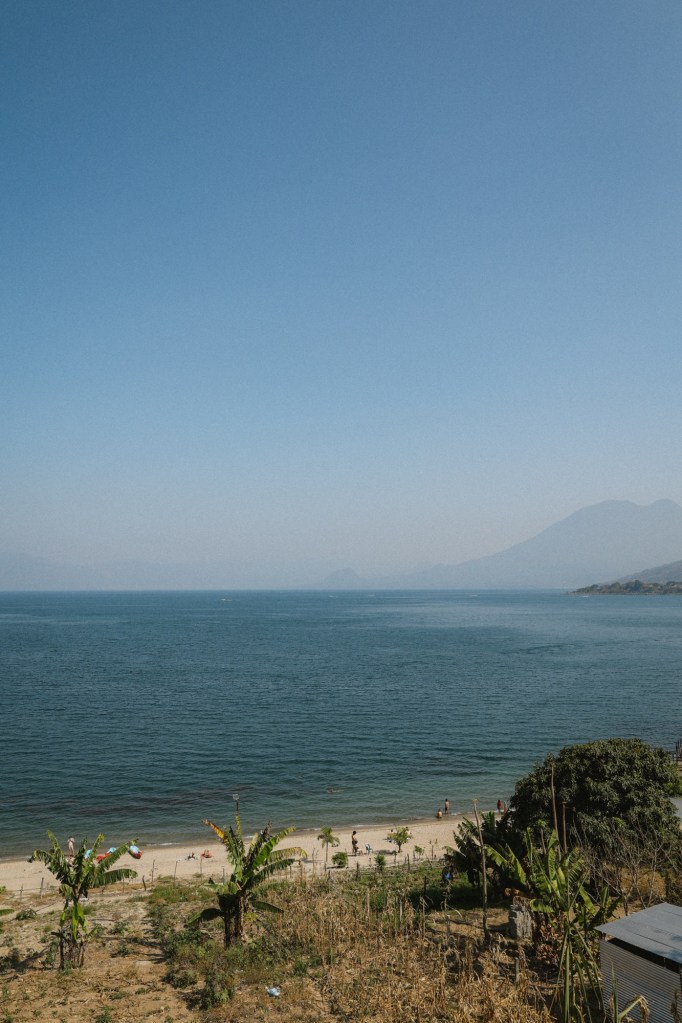
There are very few proper places to relax right by the water.
There isn’t really a beach culture here. I saw one of the only decent beach-like areas between San Pablo and San Juan, but overall, access to clean and comfortable waterfront space is limited.
More importantly, I would not recommend swimming in the lake.
You don’t really see locals swimming, and there’s a reason for that. Infrastructure around the lake is limited, and you can visibly see trash buildup and sewage runoff, especially near larger towns. Some areas look cleaner, like near the nature reserve in San Marcos, but overall it’s not something I personally felt comfortable getting into.
I also met multiple people who got sick after swimming, including parasites, which is something to seriously consider.
This matters because a lot of people imagine their time at the lake as laying by the water, swimming, and relaxing. In reality, that’s not really what this destination offers.
And that’s exactly why your accommodation becomes so important. If you don’t have a comfortable place to relax, enjoy the views, and spend time outside, it can be surprisingly hard to fully enjoy the lake.
Getting around the lake
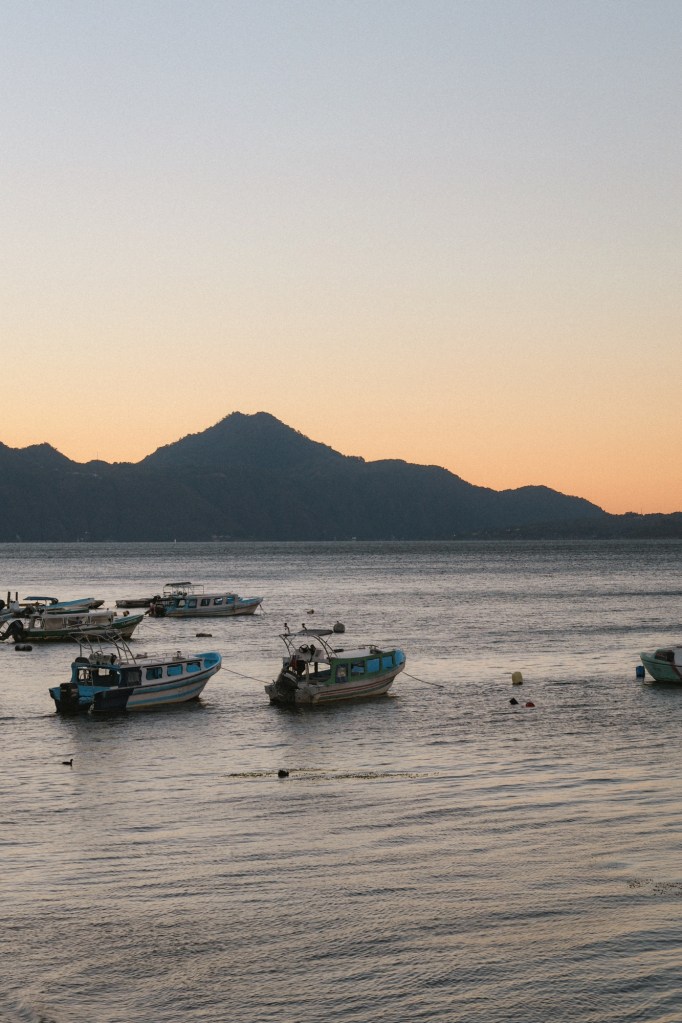
Another thing that plays a big role in where you should stay is how you’re actually going to get around.
The main way to travel between towns is by lanchas, which are small public boats that run across the lake. They’re essentially water taxis, and they connect most of the major towns, but they only leave from certain docks. So depending on where you stay, it might be very easy to access them or it might take extra effort to even reach one.
On land, you have tuk tuks, which are everywhere, but they operate within specific towns or zones. They don’t just take you freely around the entire lake. In many cases, you’ll have to switch tuk tuks between areas because drivers stick to their designated routes. So even short distances can turn into a bit of a process if you’re not staying somewhere well positioned.
All of this makes your location even more important, especially if you plan on exploring different towns.
Where I stayed and how it shaped my experience
I split my time between a few different areas.
I stayed in Panajachel, which is the main hub and where most people arrive. It’s well connected by road, and from there you can easily catch lanchas to almost anywhere on the lake.
I also stayed on the opposite side, between San Juan and San Pablo, in a secluded Airbnb, and this completely changed my experience.
It was honestly one of the best places I stayed the entire time.
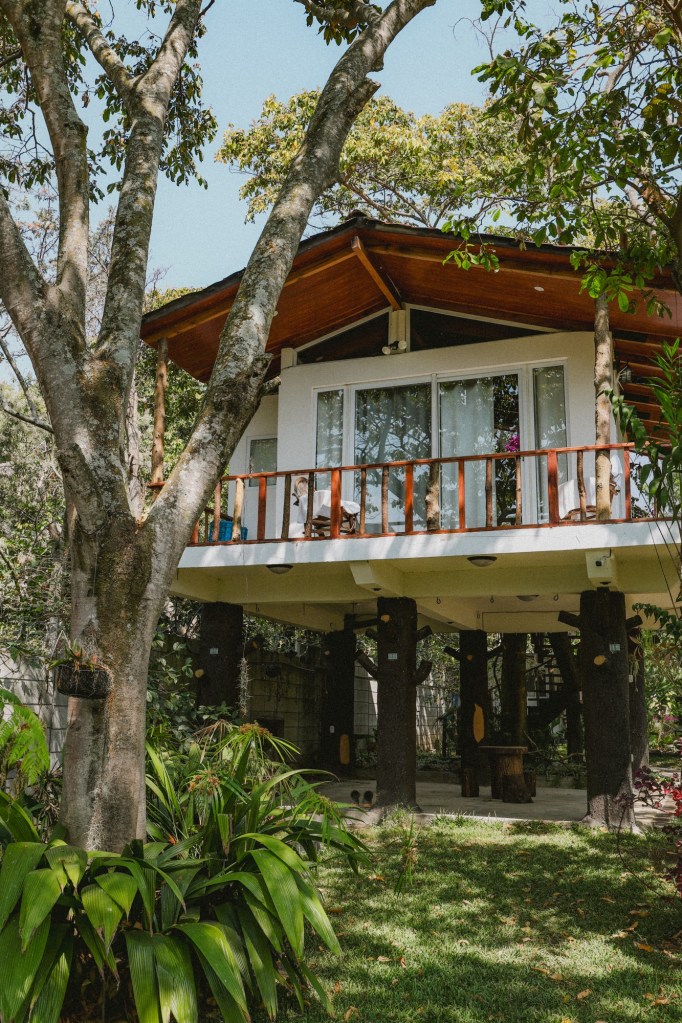
The property felt like its own little world. It was set in the middle of farmland with so much greenery everywhere. There were banana trees, coffee plants, papayas, and all kinds of crops growing around us. Right in the middle of it all was a treehouse, which made it feel even more surreal.
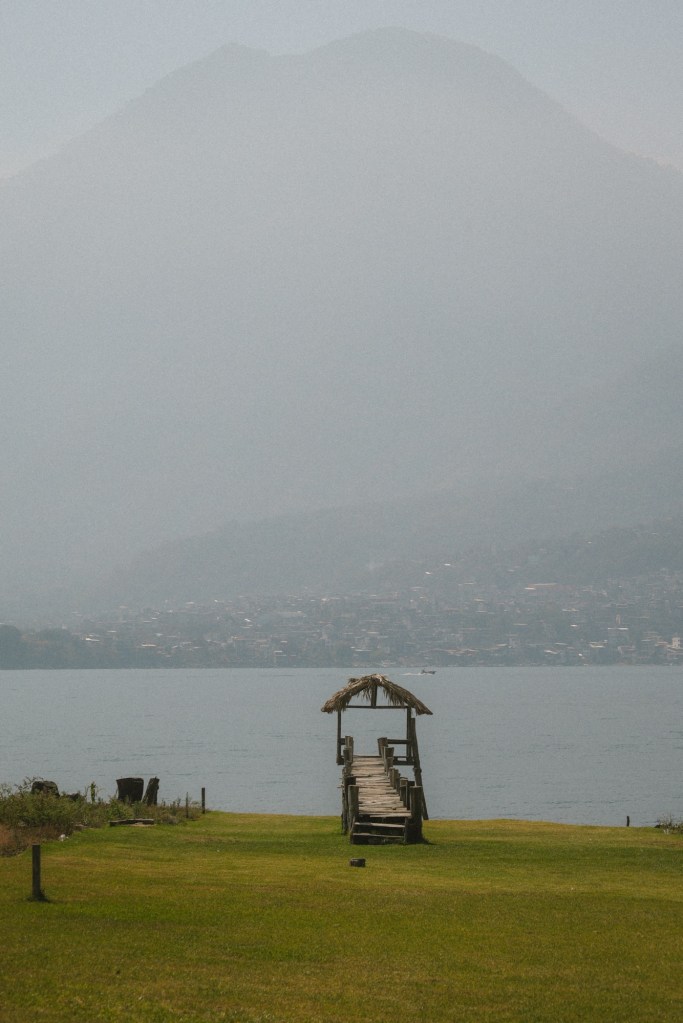
We had so much space. There were hammocks set up to relax in, open areas to lay out in the sun, and a huge outdoor space where we could just exist without feeling crowded or surrounded by people. We could make a fire at night, sit out for hours, and just enjoy how quiet everything was.
There was also a private dock right on the water, which made a huge difference. Even though I didn’t want to swim, being able to sit by the lake, take in the views, and have that space to ourselves completely changed how the lake felt.
The balcony had unreal views of the volcanoes and the water, especially in the mornings and at sunset. It was one of those places where you actually want to spend time at your accommodation instead of constantly leaving.
At the same time, it wasn’t completely isolated. We were close enough to call tuk tuks or get to nearby towns like San Juan or San Pedro, where we could then catch lanchas to explore the rest of the lake. That balance of being peaceful but still connected made all the difference.
If I hadn’t stayed there, I honestly think I would have had a very different opinion of that side of the lake.
The different towns and their real vibes
On the far side of the lake, the main towns people visit are San Pedro, San Juan, and San Marcos, but there are also other popular spots worth knowing.
San Pedro is the most lively town on the lake. It has the most restaurants, bars, and nightlife, and there’s a huge range of food options compared to other villages. You can find everything from local Guatemalan food to more international options, which is not the case in most other towns where you’re mainly limited to local spots. It’s also a big hub for Spanish schools, so there’s always a mix of travelers and longer term visitors.
San Juan is known for its colorful streets, murals, and cultural experiences. One of the highlights there was visiting a local honey farm, which was actually really interesting. Learning about the process and seeing how everything works made it feel like more than just a quick stop. It’s also known for coffee and chocolate experiences, which are worth doing if you’re already there. That being said, the main aesthetic area is quite small, and you can see most of it in a day.
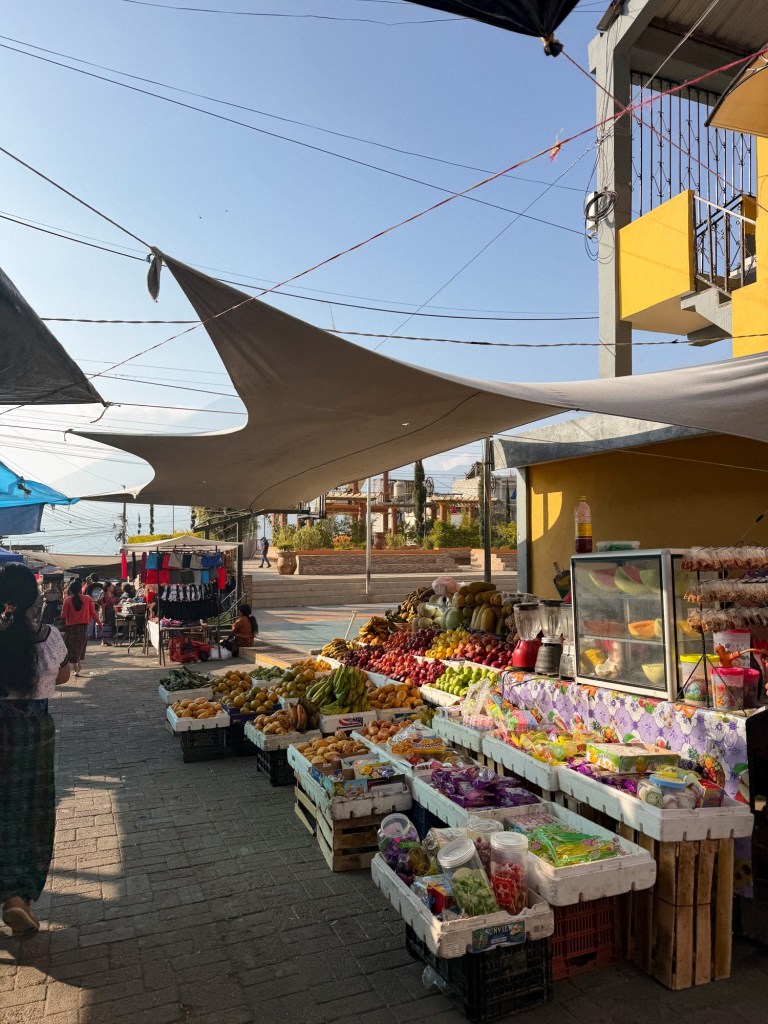
San Pablo feels much more local and less touched by tourism. There isn’t much in terms of attractions, but the Sunday market there was one of the best experiences I had on the lake. There was an abundance of fresh food everywhere, produce, local goods, and everything felt very real and unfiltered. We bought a fresh honeycomb there and it was unreal, easily one of the best things we tried. It felt like a genuine look into daily life rather than something made for visitors.
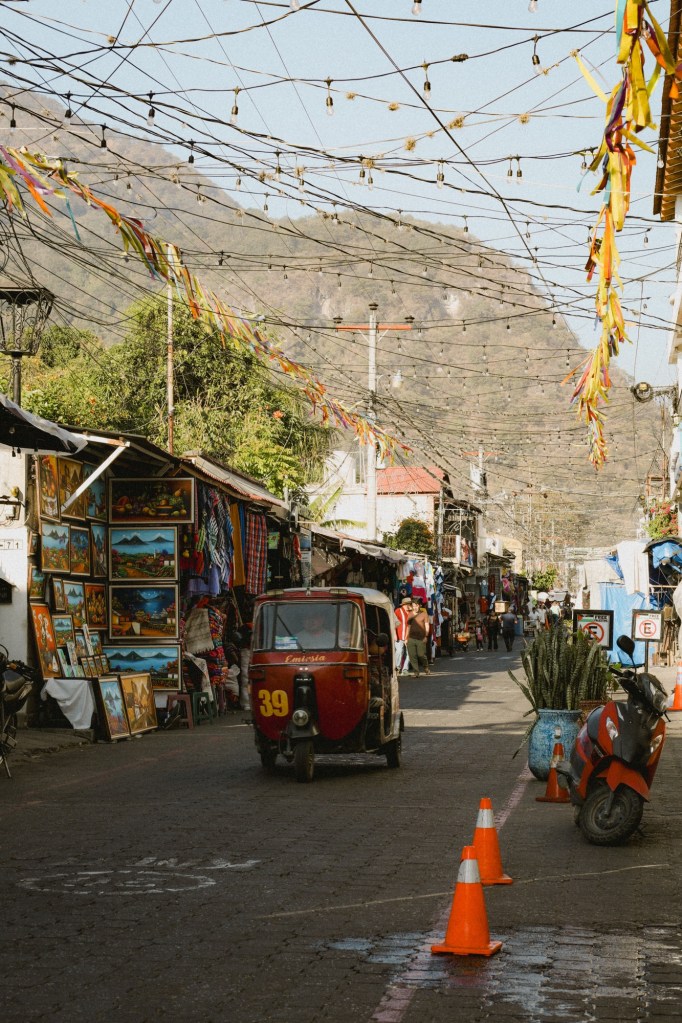
San Marcos is very different from the rest. It’s centered around yoga, spirituality, and retreats. There are a lot of expats and long term foreigners, and in many places you’ll see more visitors than locals. It has a very specific energy, and while some people love it, it can feel disconnected if you’re looking for something more local.
Santiago is another town worth mentioning. It’s more traditional, less touristy, and known for its markets and local culture. It’s not as relaxed or aesthetic as some of the other towns, but it offers a very different perspective of life around the lake.
Santa Cruz is known for having some of the most beautiful and secluded accommodations. Many of them are only accessible by boat, which can be amazing if you’re looking to fully disconnect, but it also means you’re relying on lanchas every time you want to leave.
Panajachel, where most people start, is the most developed and easiest to navigate. It has a lot of restaurants, shops, and access to transportation, but it’s not the most charming place to stay compared to other areas.
What people don’t tell you
A lot of the towns look amazing in photos, but in reality, it’s often just one or two streets that are colorful and aesthetic. Outside of that, many areas feel a bit chaotic, underdeveloped, and not as clean as you might expect.
There’s also a lot of construction happening in different places, which takes away from that peaceful atmosphere people talk about.
Because of that, if you base yourself right in the middle of a town without a great place to relax, it can feel underwhelming.
How to actually enjoy your time at the lake
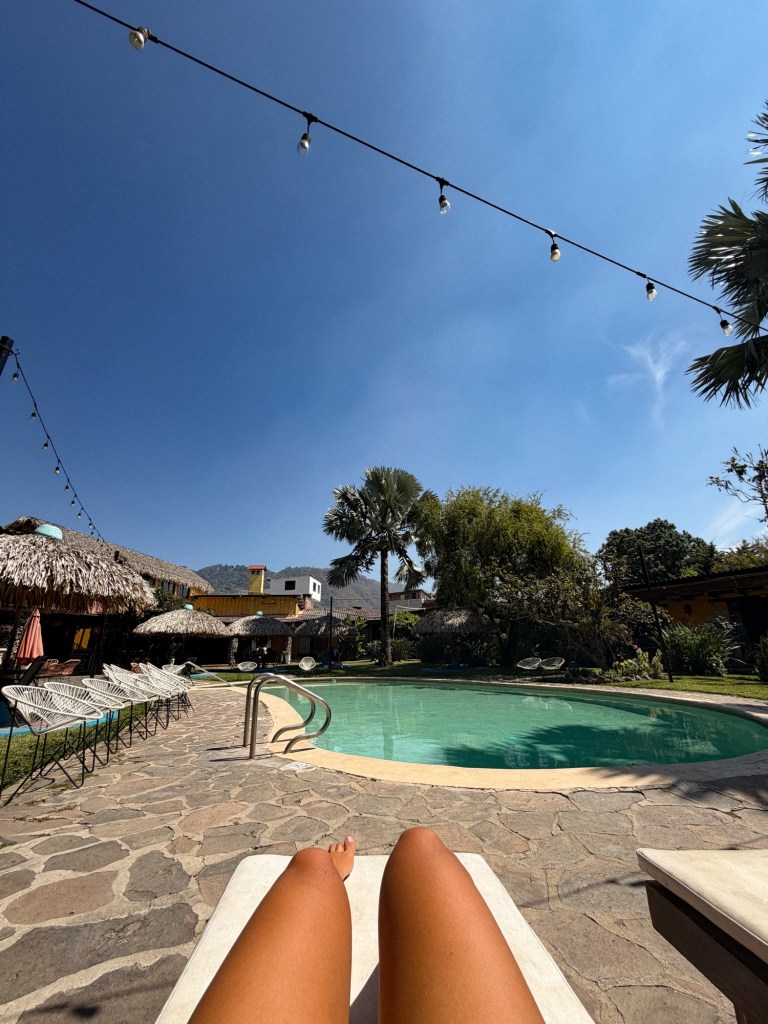
The best decision I made was choosing a place that matched how I wanted my days to feel. Instead of moving accommodations constantly, it made a huge difference to have one solid base that was comfortable, had outdoor space, and somewhere I actually wanted to spend time. Since the lake itself isn’t really somewhere you’ll be swimming or laying out all day, having a place with good views, space to relax, and a clean environment changes everything. From there, it’s easy enough to explore other towns during the day using lanchas, then come back to a space that actually feels calm and enjoyable. It also saves you from the hassle of constantly packing, moving, and figuring out new locations, which can take away from the experience more than you expect.
Final thoughts
Lake Atitlán is undeniably beautiful. The landscapes, the volcanoes, and the culture are all very special. There’s great food, unique experiences, and plenty to explore.
But it’s not the kind of destination where everything just works no matter where you stay.
If you want to actually relax and enjoy it, you need to be intentional about your accommodation. Think about what your days will look like, how you want to spend your time, and what kind of environment you want to be in.
Because at this lake, more than most places, where you stay can completely shape how you experience it.
 Livslifeoncam
Leave a comment