
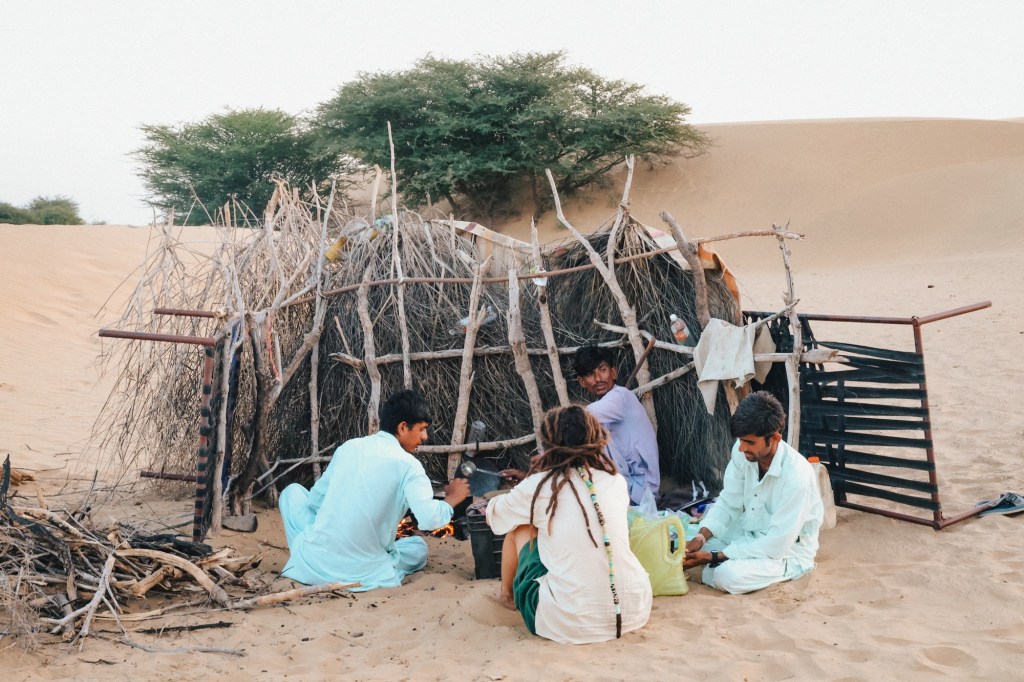
Ever heard the saying “quality over quantity”? It applies to so much more than you might think, including travel.
When traveling, I’ve come across two very different types of people. Some focus on how many places they can see, how quickly they can move, and how many destinations they can check off their bucket list. Then on the other side, you have travelers who focus on how deep their experiences go. How much they can truly immerse themselves, learn, and grow in a place without caring how many countries or cities they can say they’ve visited.
For me, I’ve learned to focus on quality, but that didn’t happen right away.
When I first started solo traveling, my mind was everywhere. I had and still have endless lists of places I wanted to see and experiences I wanted to have. I was so curious about the world and how different each destination could be. Because of that, I felt this constant urge to see everything.
But in trying to see everything, I didn’t realize I was taking away from the depth of my experiences. I was moving too fast, trying to fit too much in, and not giving myself the time to actually connect with the places I was visiting.
It wasn’t until I started traveling long term, living more on the road than just passing through, that my perspective began to shift.
I learned that slowing down completely changes your experience. Staying in one place longer allows you to see beyond the surface. You move past the highlights and into the real, everyday life of a destination. You notice more, you understand more, and you connect more deeply, not just with the place, but with the people.
Because of that, the places I’ve stayed the longest are always the ones I feel the most connected to. They’re the ones I remember the most vividly and the ones I appreciate on a completely different level.
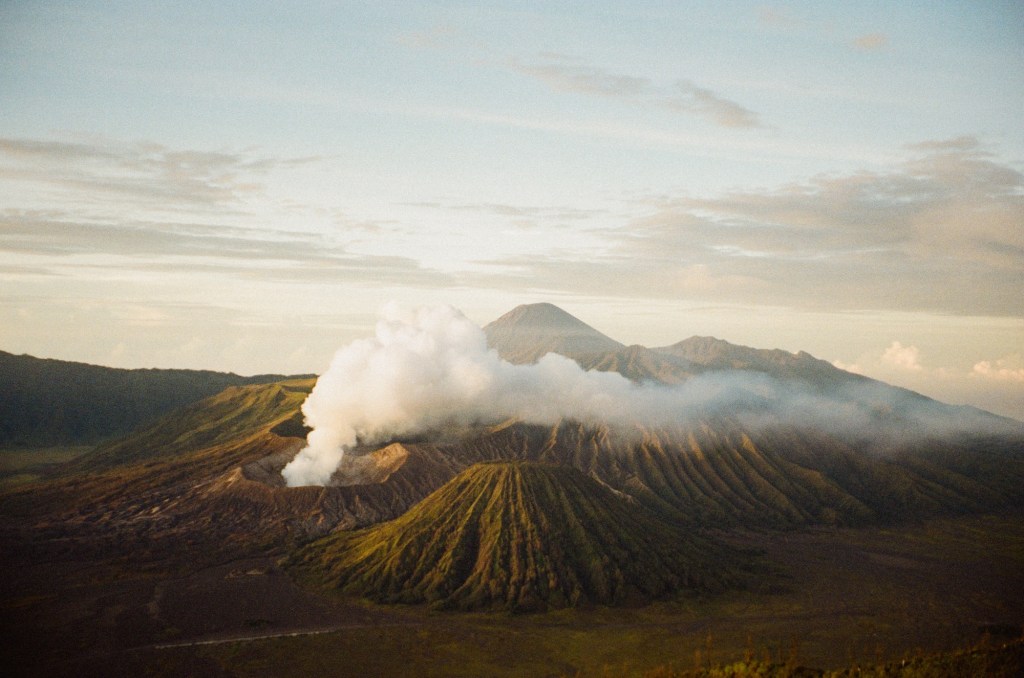
Let’s take Indonesia as an example.
Indonesia is incredibly popular, but only certain parts of it. The average traveler will go to Bali, spend about a week there, maybe take a short trip to Nusa Penida or the Gili Islands, and then leave feeling like they’ve experienced Indonesia.
But in reality, they’ve only experienced a very small and very curated part of it.
Bali, while beautiful, is not a reflection of the country as a whole. It has a different religion, a different culture, and a very different way of life compared to many other Indonesian islands. It is also heavily influenced by tourism, filled with digital nomads, and shaped around comfort and accessibility for foreigners.
So while someone might leave feeling satisfied that they have done Indonesia, what they have actually experienced is just one version of it.
My experience was completely different.
When I chose to prioritize quality over quantity in Indonesia, I spent over three months there. I spent more than a month traveling through Java, an island that offers a much deeper look into the country’s culture and everyday life.
I didn’t follow a strict plan or try to check off a list. I let my experiences unfold naturally. I met locals who invited me into parts of their lives that I never would have found on my own. I explored places that were not advertised or crowded. At one point, I even lived with a local family in rural Java, teaching English and sharing daily life with them.
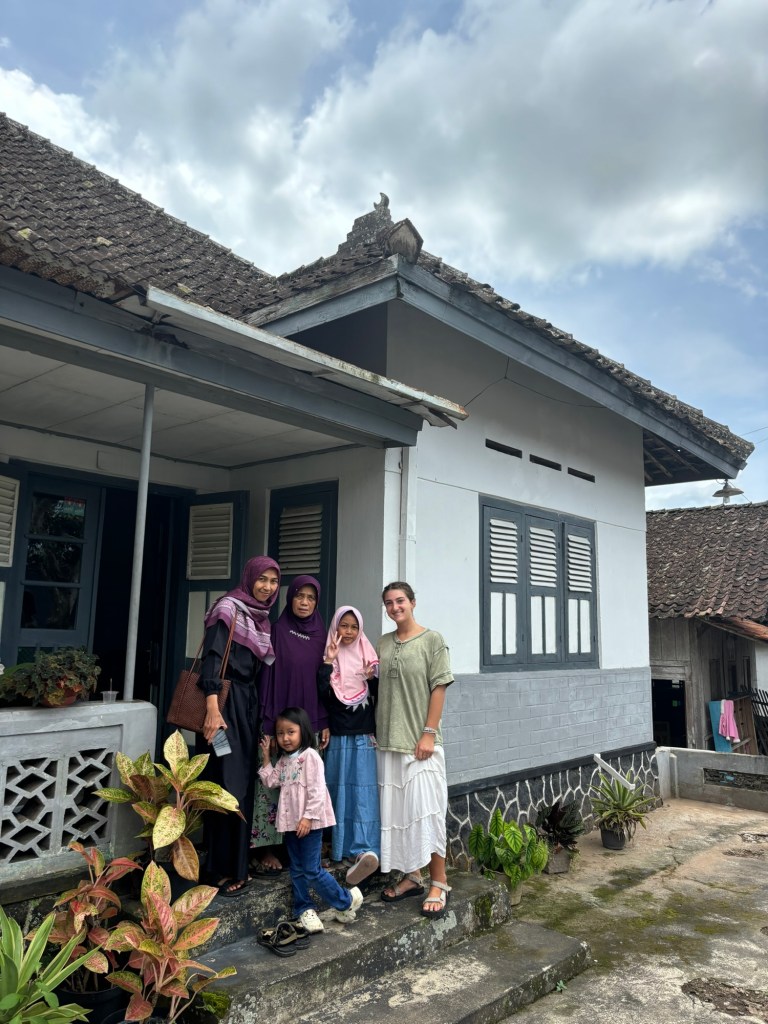
I learned bits of Bahasa, experienced traditions firsthand, and was there during Eid at the end of Ramadan. There were no bucket list moments or must see attractions, just real life shared with real people.
And that is what made it so meaningful.
After Java, I continued through Lombok, the Komodo Islands, and Flores. Each place was completely different. Different landscapes, different cultures, even different languages, but there were also threads that connected them. Spending that amount of time in the country allowed me to understand those contrasts and connections in a way that a quick trip never could.
I saw a version of Indonesia that felt raw, genuine, and deeply human. When I eventually made it to Bali, it actually became my least favorite part. Not because it is not beautiful, but because it lacked the depth I had experienced elsewhere. It felt curated and somewhat disconnected from the authenticity I had come to love in the rest of the country.
This idea applies far beyond Indonesia.
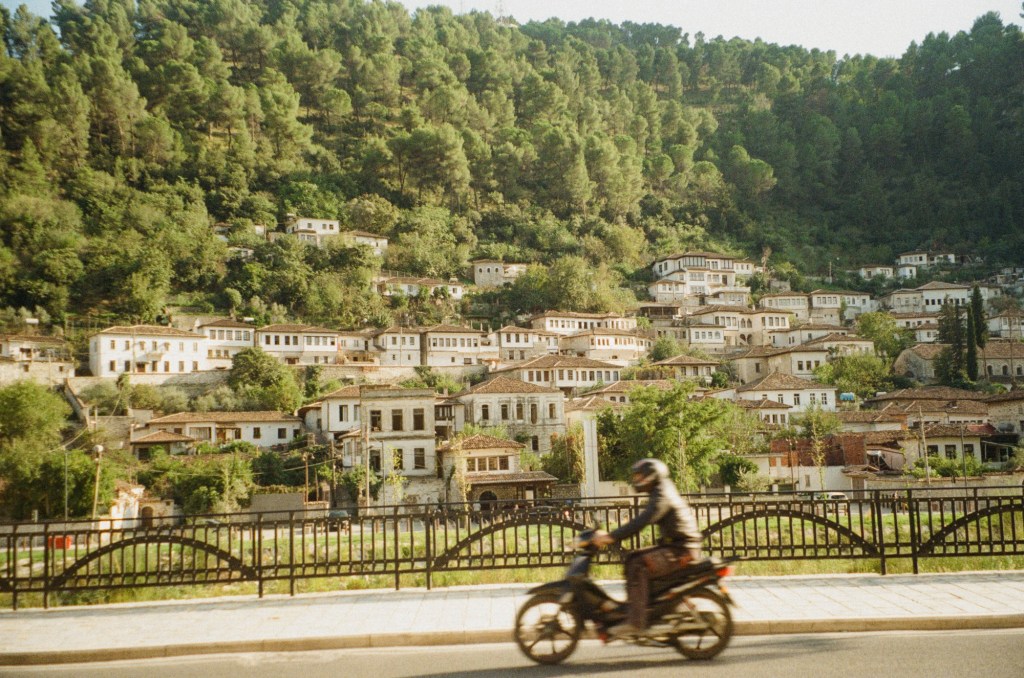
You see it all the time in places like Europe, where travel is so accessible that people move quickly from one country to the next. It has become incredibly common to spend two days in a country, visit one city, and then move on, feeling like you have experienced it.
Take France for example. Someone spends 48 hours in Paris and leaves saying they understand French culture, French people, and life in France. But in reality, they have a 48 hour understanding of one city in a large and diverse country.
It is the same as going to New York City for a couple of days and saying you understand the culture and life of the United States. In reality, you experienced one version of it.
You did not experience southern hospitality. You did not experience the raw nature of the west coast. You did not experience the culture of the midwest, the tribal communities in Alaska, or the warmth and uniqueness of life in Hawaii. You experienced one city, often through a tourist lens, for a short period of time.
And that is exactly what is happening across Europe.
A weekend in Rome does not define Italy or allow you to truly understand it. A few days in Santorini does not show you real life in Greece. A quick trip to London does not represent England. A few days in Barcelona is not Spain. A weekend in Berlin does not capture Germany.
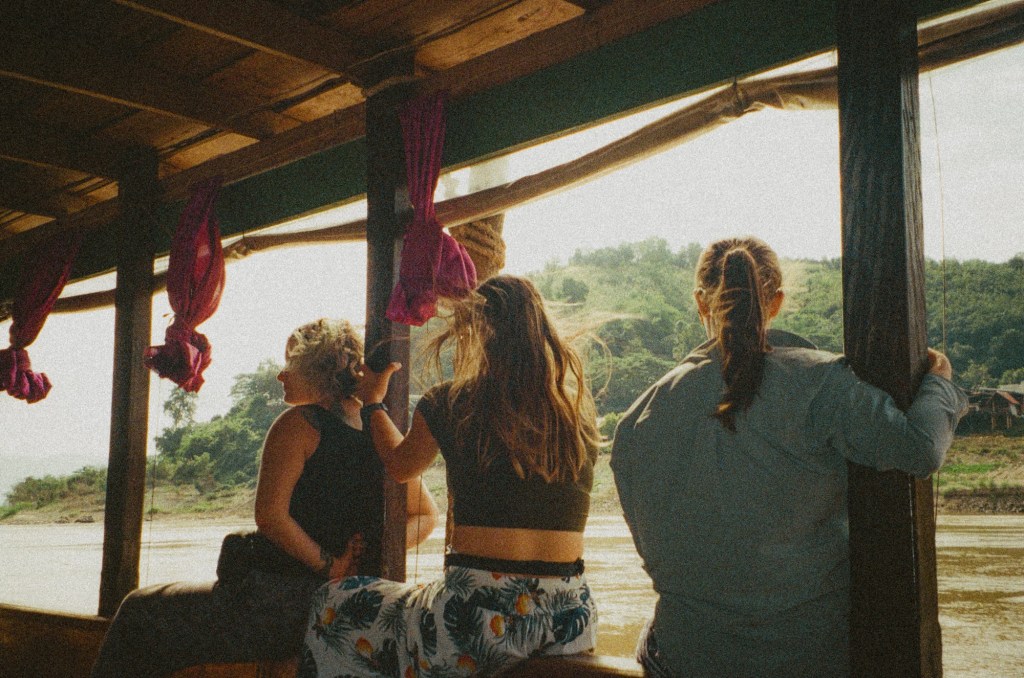
These are just small, curated snapshots of much bigger, more complex countries.
What is even more common is that travel in Europe tends to revolve around the same types of places. Big international cities or highly curated vacation destinations. Places like Hvar in Croatia, Santorini in Greece, or the Amalfi Coast in Italy. These destinations are beautiful, but they are designed around tourism. They are polished, often crowded, and shaped by what visitors expect to see.
Because of that, so many travelers end up having similar experiences. They move between major cities and famous hotspots, rarely stepping outside of those spaces.
What gets missed are the smaller cities, the rural towns, and the natural landscapes that often hold a deeper sense of culture and everyday life. The places where people are not catering to tourism, where traditions feel less curated, and where you can see a more authentic version of how people actually live.
That is where so much of the depth is.
But because travel has become so easy, especially in regions like Europe where you can move quickly between countries, this fast paced style of travel has become the norm.
People are traveling more than ever, but often experiencing less.
And that is the difference between quantity and quality.
One experience is about being able to say you have been somewhere, ticking it off a list, and moving on. The other is about taking the time to truly understand a place, to connect with it, and to let it change you.
I see it all the time in my travels. People rushing through countries, trying to see everything in a short amount of time, or only visiting one or two cities and feeling like they have experienced the entire place. But this fast paced, checklist style of travel does not offer the same depth.
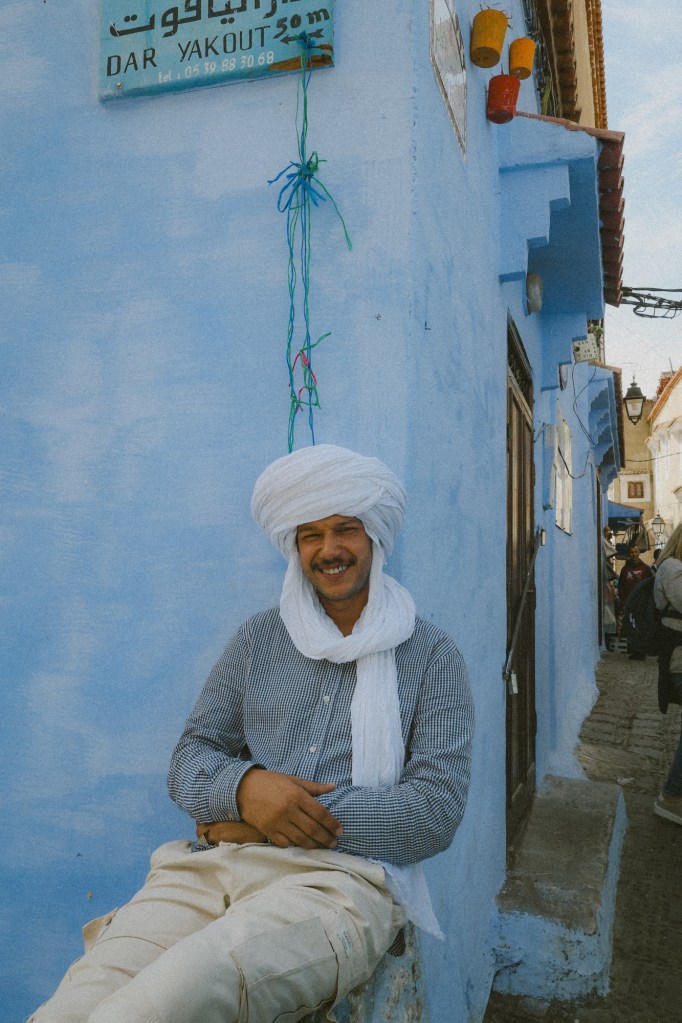
When you slow down, everything changes.
You start to notice the small things. Conversations become more meaningful. Experiences feel less transactional and more personal. You are no longer just observing a place, you are actually part of it, even if only for a little while.
And over time, that completely shifts how you view travel.
The longer I travel, the slower I go. The more I prioritize quality, the less interest I have in rushing somewhere just to say I have been there. I have seen firsthand how much more fulfilling it is to truly experience a place rather than just pass through it.
Travel is not just about where you go, it is about how you experience it.
So the next time you are planning a trip, ask yourself what your intention is.
Are you trying to check something off a list, or are you trying to truly experience it?
 Livslifeoncam
Leave a comment