
After landing in San Salvador, in the small but beautiful country of El Salvador, I headed straight to the beach. I went right to El Tunco, exploring the surf town, walking along the black sand beaches, soaking up the sun, and enjoying the laid back vibe that pulls so many people in.
But after about a week there, I started to feel like I didn’t really know where I was.
I was in El Salvador, but I didn’t feel like I understood El Salvador.
The coastline was beautiful, relaxing, and easy to fall into, but it didn’t give me a real sense of the culture or the history of the country. It felt like I was experiencing one version of it, a version that could almost exist anywhere.
Before coming to El Salvador, I knew a bit about its complex past. I had heard what the news had to say, I had seen the headlines, and I had built an understanding from the outside looking in. But I didn’t know what it actually felt like on the ground, for the people who live here, who grew up here, who experienced it firsthand.
So after my time in El Tunco, I decided to leave the beach and head inland to Santa Ana.
I went to Santa Ana for something bigger than just travel. I went there to understand. To immerse myself a little deeper. To talk to locals, hear real stories, and learn about both the past and present of the country from the people who have lived it.
And trust me, Santa Ana gave me exactly that.
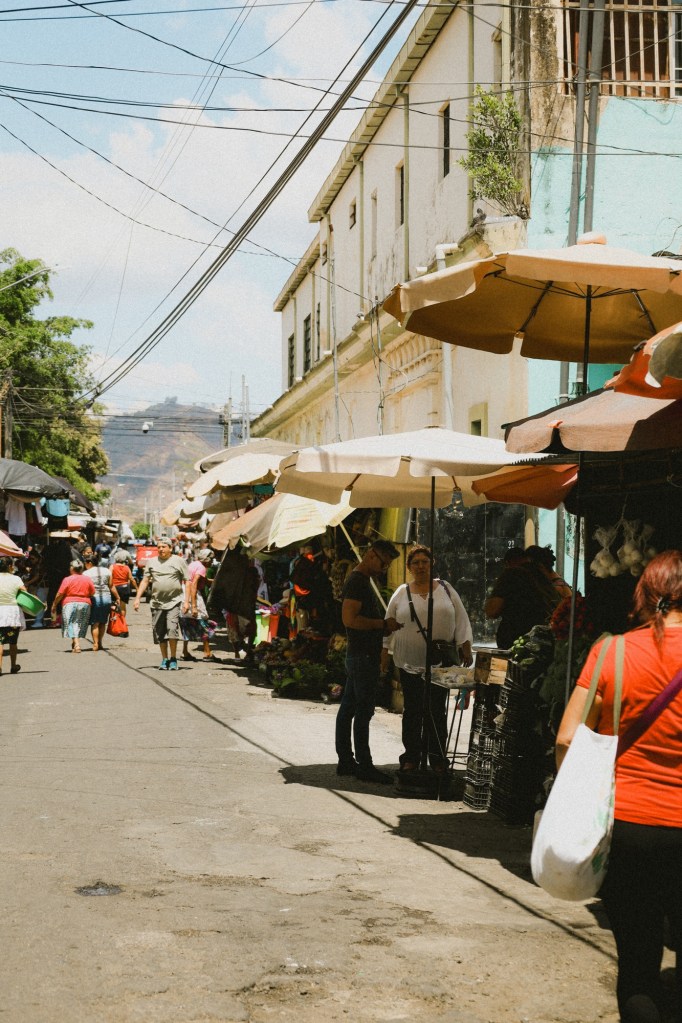
Santa Ana is located about two hours from El Tunco, and about an hour from San Salvador. It is considered a big city for the country, but on a global scale it still feels small, manageable, and easy to explore. It has this charm to it that makes you feel comfortable almost instantly.
I stayed at a hostel right in the center of the city called Urban Nest Hostel. It was the perfect base for a week, within walking distance to everything I wanted to see and experience. The city itself is beautiful, filled with colonial architecture, colorful buildings, and small details that make you slow down and take it all in.
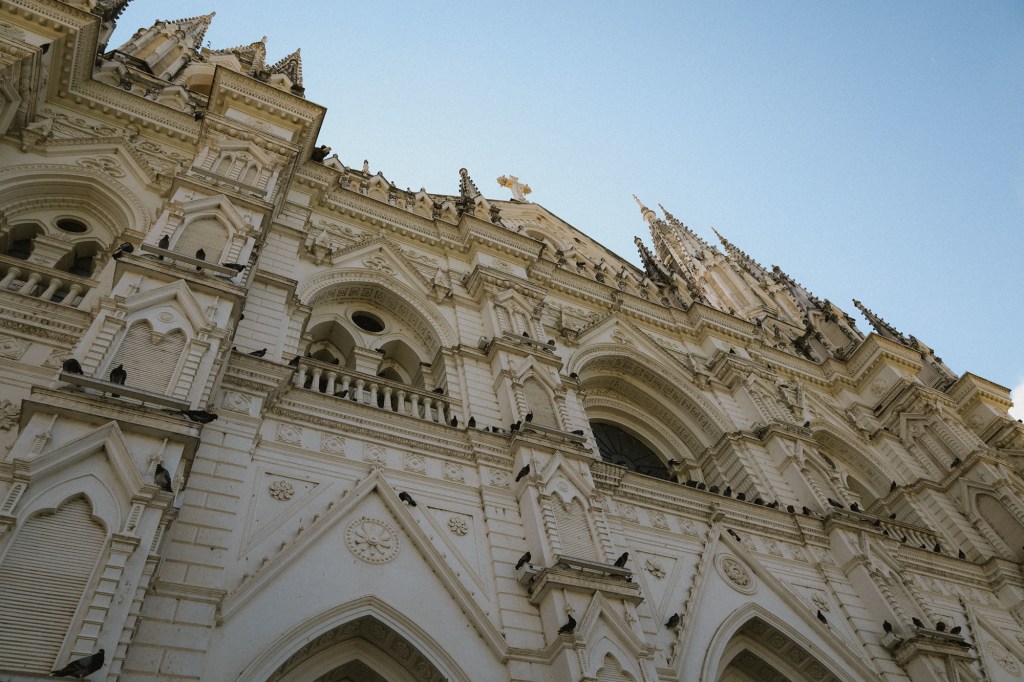
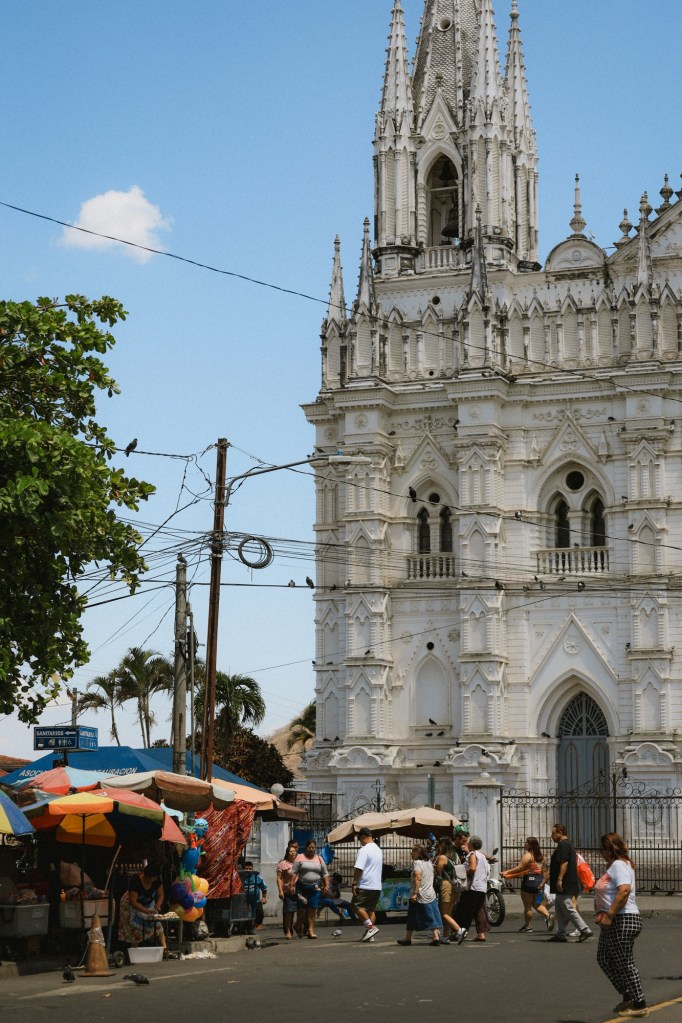
At the heart of Santa Ana is the Catedral de Nuestra Señora de Santa Ana and Parque Libertad, and this is where the city really comes to life. Locals gather here throughout the day, sitting on benches, catching up with friends, eating street food, or simply enjoying being outside. There is such a natural energy to this space, something that feels both lively and calm at the same time. It became one of my favorite places to just sit, observe, and feel a part of the rhythm of the city.
But even with all of that, I still felt like there was more I wanted to understand. Walking around on my own could only take me so far. I was seeing the city, but I wasn’t fully hearing it.
That is when I took a friend’s recommendation and signed up for a free walking tour with a local named Hector. And this ended up being one of the most impactful experiences I have had while traveling.
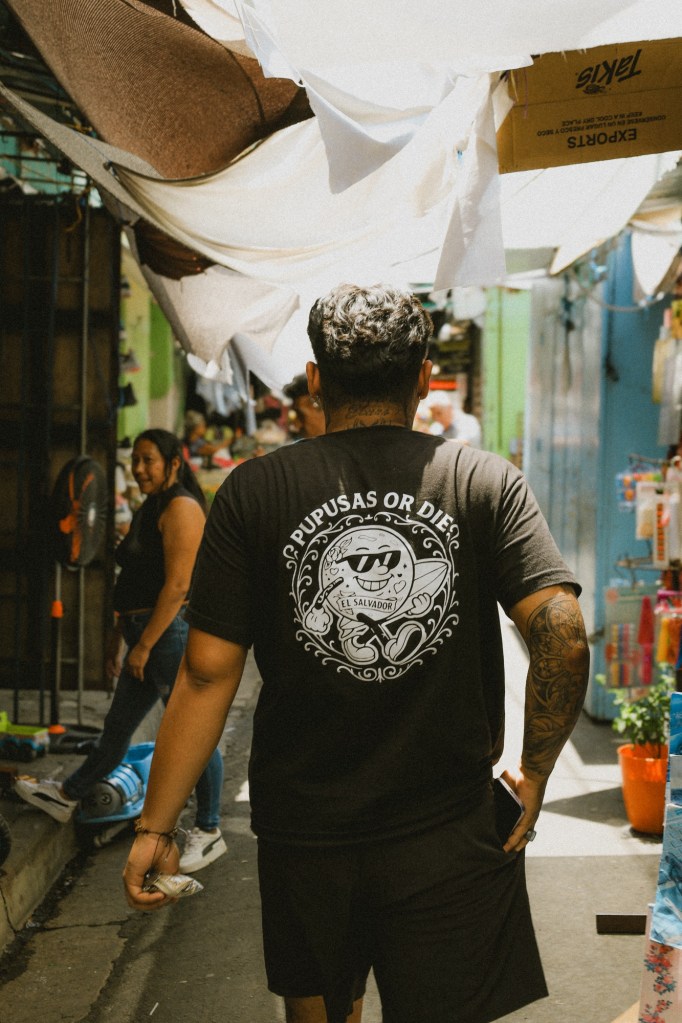
Hector is 21 years old and grew up in Santa Ana. He has a story that is not only intense to listen to, but also incredibly important. It offers a perspective that you simply cannot get from reading articles or watching the news.
He began running these walking tours after returning to El Salvador. At one point, he had to leave the country and go to Guatemala out of fear for his safety and his family’s safety after refusing to join a gang as a young boy. Years later, he came back, saw how much the country had changed, and decided to start sharing his story and his country with visitors. And the way he does it is different.
This is not a typical walking tour where you are told dates and architectural facts. Instead, Hector tells stories. Real stories. His stories. His experiences. His perspective. He is proud of his country, but he is also honest. Unfiltered. And one of the things that stood out to me most was how openly he spoke about what life used to look like when gangs had control.
He explained the rules and the norms that people had to live by. Things like not being able to cross certain streets because they belonged to a different gang, or how something as simple as where you lived could determine your safety. There were unspoken boundaries everywhere, and crossing them could have serious consequences.
He also spoke about the loss. About how many people in his generation, people now in their early twenties, lost friends, family members, classmates. He shared that there is a noticeable gap in this age group across the country. Fewer people, fewer familiar faces, fewer stories that got to continue. And hearing that, not as a statistic but from someone who lived it, made it hit in a completely different way.
It is one thing to hear about violence in a country. It is another thing entirely to realize how deeply it shaped an entire generation.
At one point, he took us to a small local coffee shop to try Salvadoran coffee, and that is where the conversation really opened up even more. We asked about politics, about safety, about what life was like before and what it is like now. We asked about his personal experiences, his opinions, and his hopes for the future.
And while it is not my place to retell his personal stories in detail, I can say this. There were things he shared that you will never hear on the news. The kind of details that only come from lived experience. The kind that make everything feel more real, more human, and honestly, more complex than any headline could ever explain.
He also spoke about the present. About how the country feels safer now, how daily life has changed, but also about the trade offs. The strict laws, the loss of certain freedoms, and the complicated feelings people have about it all. It is not black and white, and he made that very clear.
I left that conversation feeling both deeply grateful for my own life and incredibly moved by his.But the experience didn’t end there.
Hector then led us through a full food tour around the city, and this was just as special in a completely different way. You could tell how connected he is to his community. Everywhere we went, he knew people, he was greeted with smiles, and there was this sense of familiarity and warmth that followed him.
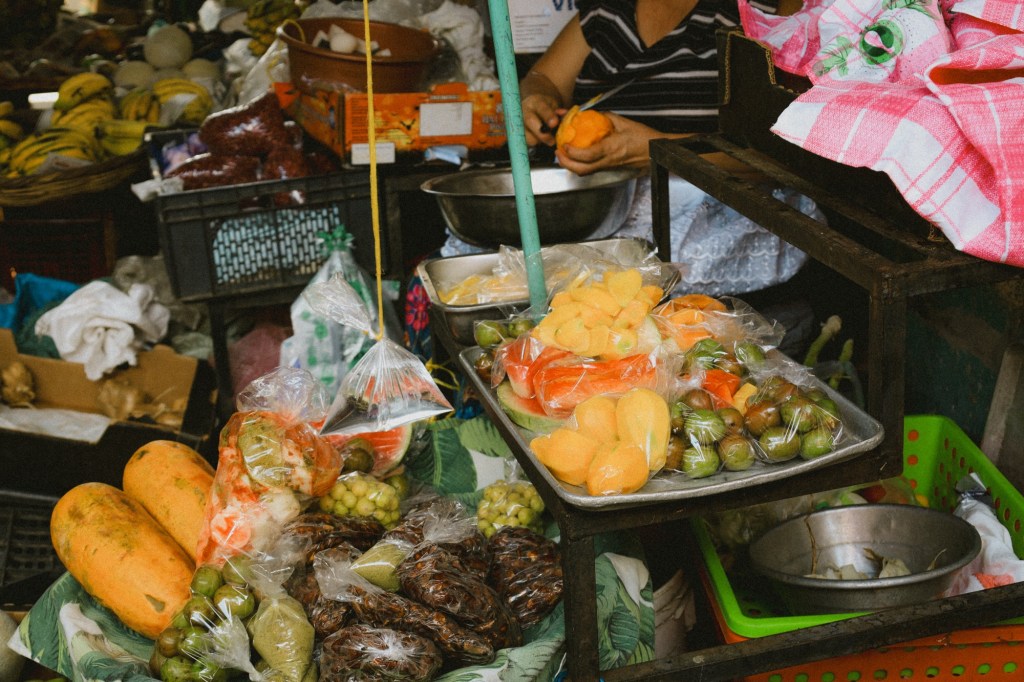
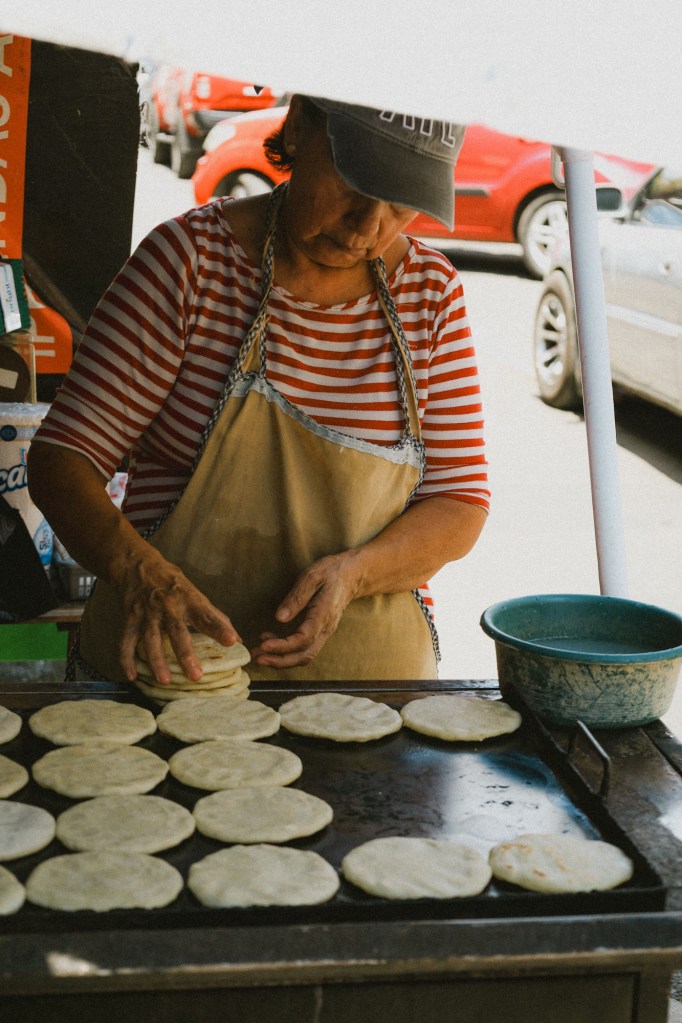
We walked through the local markets, trying different traditional dishes, fresh fruits, and drinks. He showed us how locals eat fruit with toasted pumpkin seed powder and spicy sauce, something I never would have tried on my own. We drank juices and horchata out of plastic bags, just like the locals do. He explained each dish, how it is made, and where to find the best and safest spots to eat.
The entire time, he had this genuine excitement about sharing his culture. It never felt like a job to him. It felt like something he truly cared about.
By the end of the tour, I was full in every sense. Full from the food, full from the conversations, and full from the experience itself.
What stood out to me the most was that Hector was not just doing this to make money. He was doing it to connect. To share. To build relationships. At the end, he even invited anyone who wanted to stay out for a beer and more food, just to keep the conversation going.
He is studying at university, rebuilding his life in this new version of El Salvador, and trying to do something meaningful at the same time. And I left that day with so much respect for him.
For me, this was the moment where everything clicked. This is what I was looking for when I came to El Salvador. Not just a place to relax, but a place to understand.
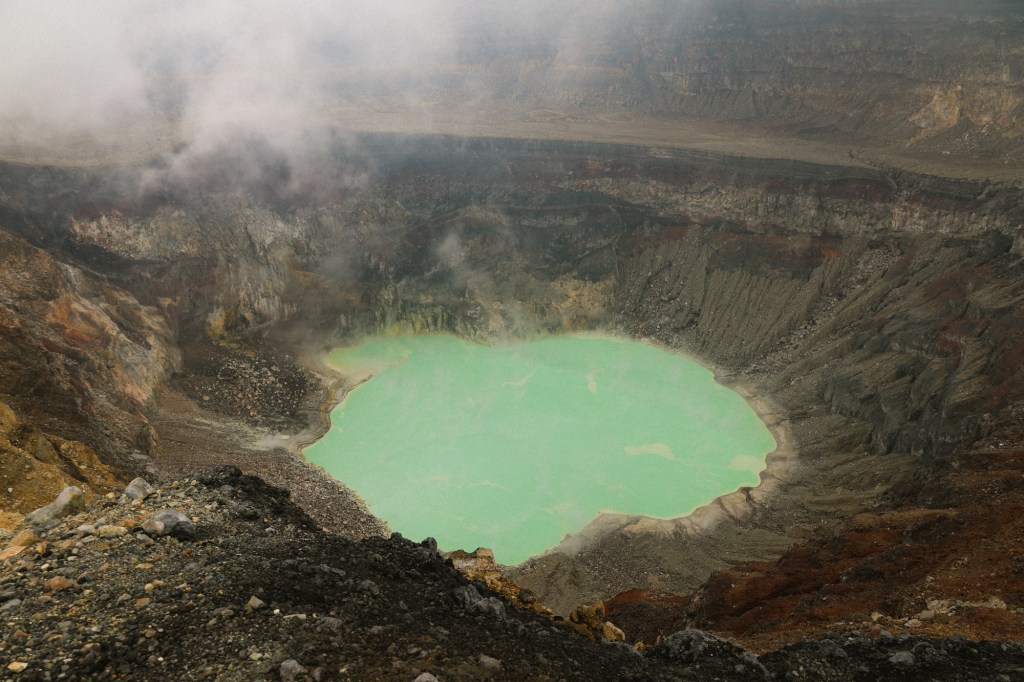
Outside of the walking tour, Santa Ana also offers so much in terms of adventure. One of the highlights for me was hiking the Santa Ana volcano. The hike itself is relatively easy, about an hour up from the trailhead with steady switchbacks the whole way. And at the top, you are rewarded with the most unreal view of a bright green crater lake sitting inside the volcano.
Getting there was part of the experience too. I took local chicken buses to the trailhead, which added another layer to the day. Riding local transport, figuring it out as you go, and experiencing the country the way locals do gives you a completely different appreciation for the place. It is simple, a little chaotic, but so worth it.
There are also other day trips you can do from Santa Ana. Lake Coatepeque is a popular spot if you want a more relaxed day by the water. And for those looking for more adventure, the seven waterfalls hike is another option not too far from the city.
You can easily continue exploring from here as well, heading deeper into the country or on to another destination.
But no matter what you do, I really encourage you to spend time in Santa Ana.
Walk through the markets. Sit in Parque Libertad. Take in the Catedral de Nuestra Señora de Santa Ana. Take the walking tour. Ask questions. Be curious. Take a break from the beach and step into a different side of El Salvador.
Because this city offers something more than just a place to visit.It offers perspective. And I truly don’t think you will be disappointed.
 Livslifeoncam
Leave a comment