
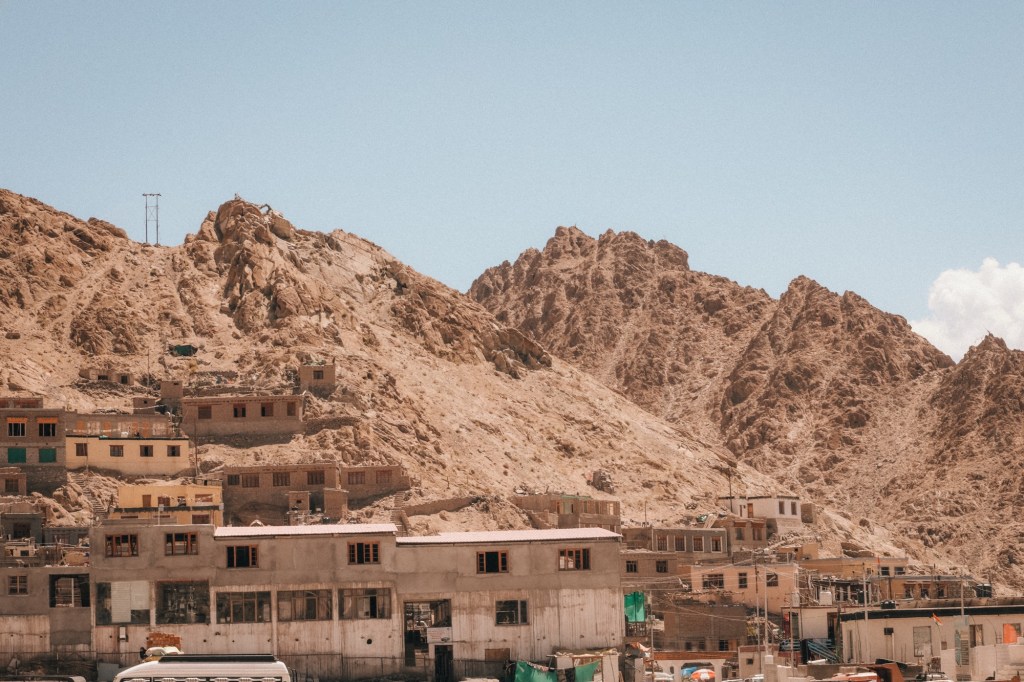
When most people imagine India, they probably aren’t picturing a charming Himalayan town tucked away between towering peaks in the far north. You might not expect to find a city that feels small enough to recognize familiar faces after just a few days, yet lively enough to keep you engaged. A place that radiates peace, surrounded by timeless villages, monasteries, and breathtaking landscapes. Welcome to Ladakh, a union territory in northern India that shares borders with Pakistan and China, and home to one of the country’s most captivating state capitals: Leh. This mountain city deserves a spot on your travel list for countless reasons. And if you’re still not convinced, keep reading. I’ll share everything that makes Leh so special, plus all the practical information you’ll want to know before your visit.
City of Leh
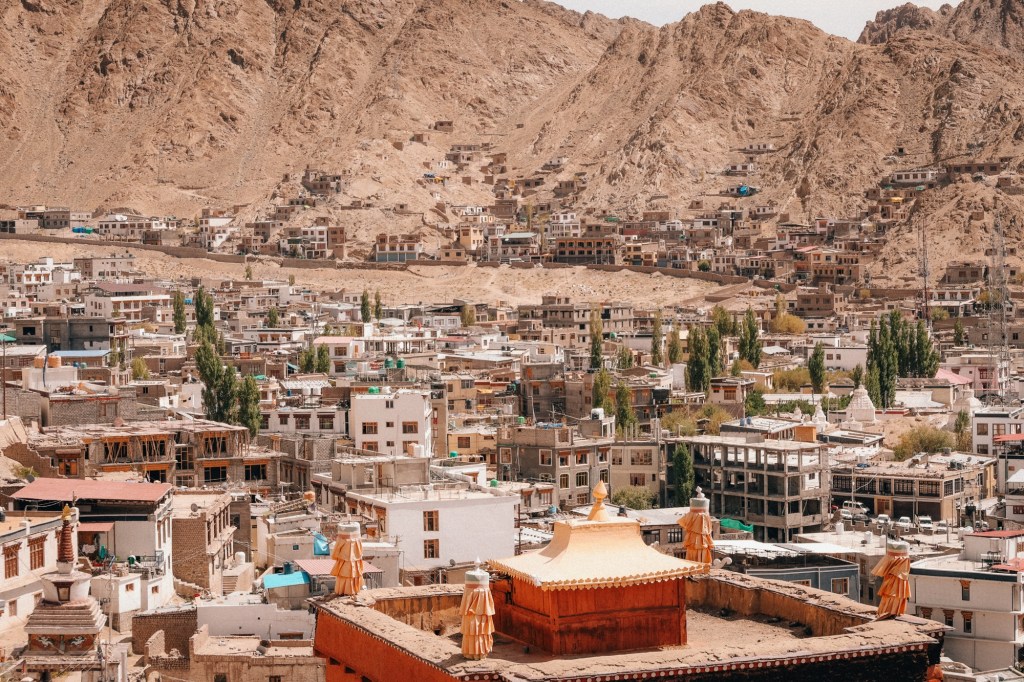
Let’s talk about the city of Leh and its culture. Because Ladakh is so close to the borders of China and Pakistan, its cultural and religious makeup is quite different from most of India. Many of the locals are Tibetan, whose families came from the autonomous region of Tibet many years ago and brought their traditions with them. As a result, Buddhism is the dominant religion here, followed by Islam, with Hinduism and other faiths making up the minority.
Walking around the city, you’ll notice the Tibetan influence right away. Prayer flags hang everywhere, restaurants serve Tibetan dishes like momos and thukpa, and the markets are full of jewelry, clothing, and handicrafts with a unique Himalayan and Tibetan style. Even the people look different from what many imagine when they think of India. The locals resemble Central Asians or Tibetans more than South Indians.
You’ll also notice the mix of people who pass through Leh. Along with the Indian and Tibetan locals, there are many Kashmiri merchants, a big community of Israeli tourists, and smaller numbers of travelers from Europe and North America. It gives the city a unique and fascinating blend of cultures. Buddhist and Tibetan symbols are found all over, painted on houses, carved into fences, or decorating shops.
And all of this sits against the most incredible backdrop. Leh is surrounded on all sides by mountains. Some of them dry, barren, and rugged, others snowcapped and glowing in the distance. It truly feels like a magical place.
The Vibe
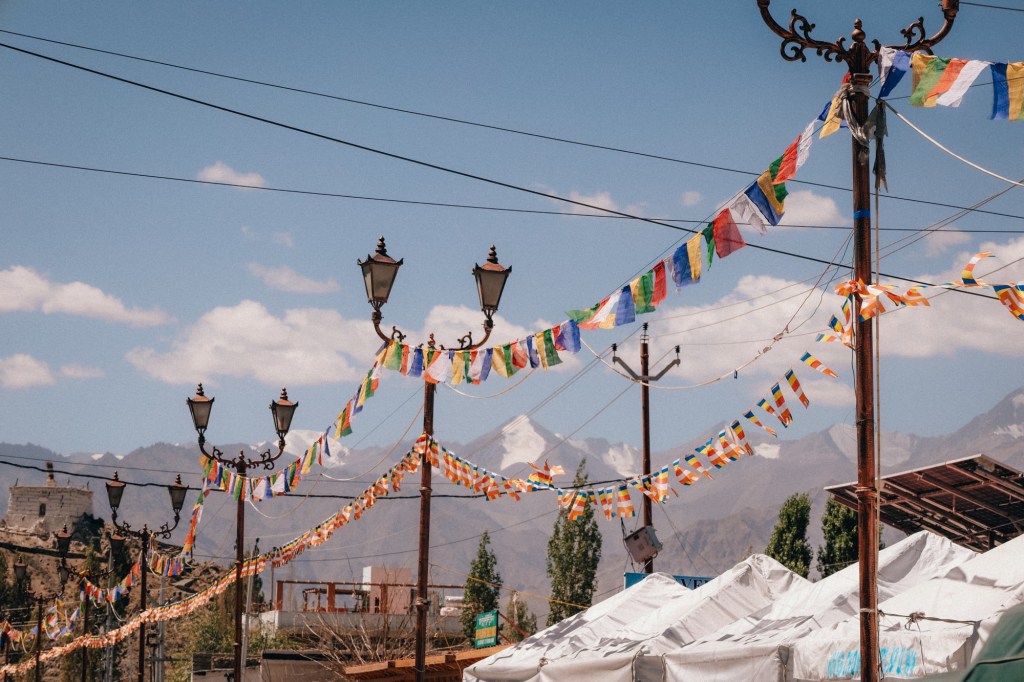
The vibe of Leh is laid back and relaxed, especially when compared to many other cities in India. There’s a peaceful, almost spiritual atmosphere here, which is one of the reasons it has become so popular with backpackers and adventure travelers in recent years. As more high mountain passes have opened and backpacking culture has spread, Leh has grown into a hub for those looking to experience both tradition and adventure.
What makes it so special is the balance between Ladakhi traditional life and modern backpacking culture. The main bazaar is the heart of the city, filled with shops, stalls, and the constant backdrop of prayer flags fluttering in the mountain breeze. From almost anywhere, you can catch a view of the surrounding peaks, making even a simple walk feel unforgettable. Rooftop cafés and restaurants are everywhere, perfect spots to slow down, sip tea, and take in the Himalayas at your own pace.
The people of Leh add to this atmosphere in a big way. Locals are known for being incredibly friendly and helpful, carrying the warm and welcoming energy rooted in their Buddhist traditions. Combined with the safety and calm of the city, this makes Leh not only enjoyable to visit, but a place where you’ll feel comfortable lingering.
Altitude
One of the most important things to understand before traveling to Ladakh is the altitude. The city of Leh sits at around 3,500 meters (11,500 feet), which is extremely high and requires time and planning to adjust to.
There are a few ways to reach Leh. You can fly in from cities like Delhi or Srinagar, or you can make the journey overland via the Manali–Leh Highway or the Srinagar–Leh Highway. Keep in mind, though, that these road routes are highly seasonal. Heavy rains and snowfall often trigger landslides, so road conditions depend heavily on the time of year. Flying is the quickest and most common option, but no matter how you arrive, you’ll need to take time to acclimatize.
At such a high elevation, the air is thinner and harder to breathe. If you push yourself too soon, you risk altitude sickness, which can range from mild symptoms like headaches and nausea to much more serious health concerns. That’s why it’s recommended to spend at least a day or two resting before attempting any strenuous activities. Drink plenty of water, eat nourishing foods, and most importantly, listen to your body.
Many travelers feel lightheaded or unwell upon landing in Leh, even before doing anything active. Having basic medicines on hand can help, but prevention is key. Avoid alcohol, smoking, heavy exercise, or anything that strains your body until you’ve adjusted. Once you’re acclimatized, you’ll be ready to enjoy the many adventures Leh and Ladakh have to offer, many of which take you to even higher altitudes than the city itself.
What to Do in Leh?
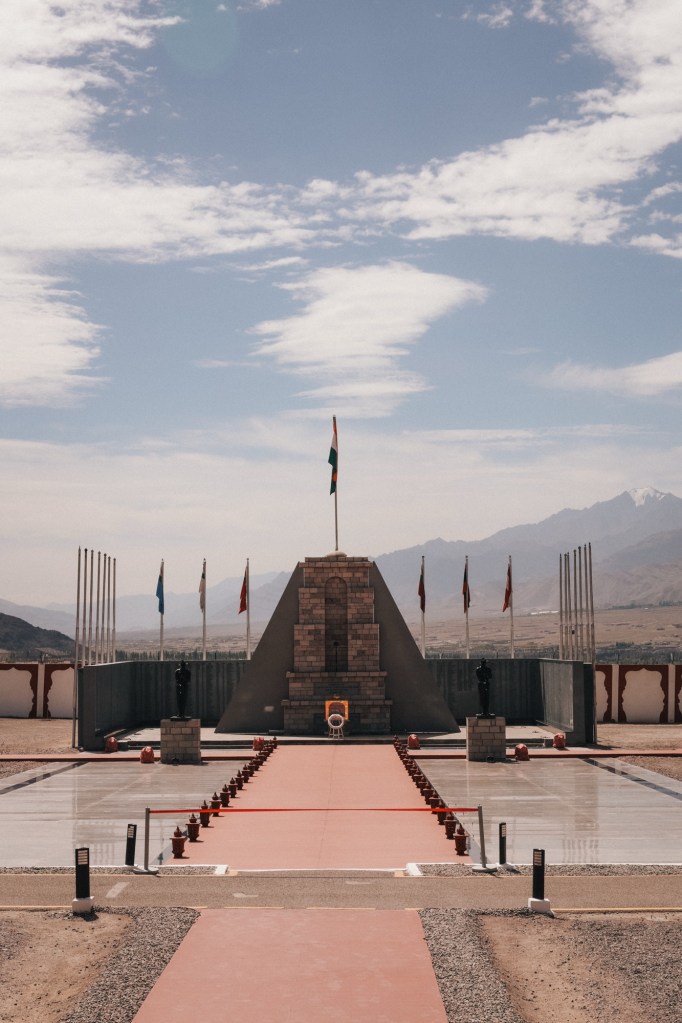
Within the city of Leh and the nearby surrounding areas, there are plenty of things to do before you head out on bigger adventures further into Ladakh. So, let’s start with what to do in Leh:
Leh Palace – Leh Palace is a historic landmark that overlooks the entire town. It’s nine stories tall, and learning about the history behind it, how it was built, and later restored is fascinating. You can explore inside, walk through the galleries, and get plenty of information about the palace. Plus, it gives you an amazing view of the whole city.
Shanti Stupa – Shanti Stupa is a beautiful white-domed stupa that offers panoramic views of Leh and the surrounding mountains. It’s absolutely stunning and especially worth visiting around sunrise or sunset because of the view. You can either drive up or hike from the town, both are great options.
The Army Museum – Located just outside the airport, this museum is full of information, stories, and artifacts from the Indian Army in the region. Because Ladakh borders both Pakistan and China, the area has long been disputed, and the museum helps you understand why there’s such a big military presence here. You’ll also learn about the soldiers who serve on the famous Siachen Glacier, one of the most extreme places on earth to fight and survive.
Monasteries – Around Leh, there are several iconic monasteries worth visiting. If you’re interested in the culture and religion of the region, they’re a must. A few that are easily accessible by a short drive from Leh are Hemis, Spituk, and Thiksey. Each one is beautiful and offers a special experience of walking through peaceful courtyards and colorful prayer halls.
Local Markets – The markets in Leh are definitely worth checking out, even if you only buy something small. You’ll find gorgeous pashminas and Kashmiri scarves, handmade jewelry, art, and unique handicrafts. Tibetan refugee markets are scattered around the city too, with some of the kindest shop owners and beautiful items for sale. Even if you don’t purchase anything, exploring the markets is a fun way to learn more about the culture.
Tours and Adventure – In town, you’ll find lots of companies offering trekking, river rafting, mountain biking, and motorbike rentals or tours. Renting a motorbike is one of the most popular options since cars can’t be rented by non-locals. Many travelers load their bags on a bike and head off for days of exploring, while others join organized tours.
Trying Local Food – Food in Leh is different from traditional Indian food. Of course, you can find Indian, Israeli, Korean, Thai, pizza, and more, but what really stands out here is Ladakhi and Tibetan food. Be sure to try momos (dumplings), thukpa (a noodle soup), Ladakhi bread, and even Tibetan butter tea. The flavors here are very different from the rest of India, with more of an Asian influence.
Nearby Adventures
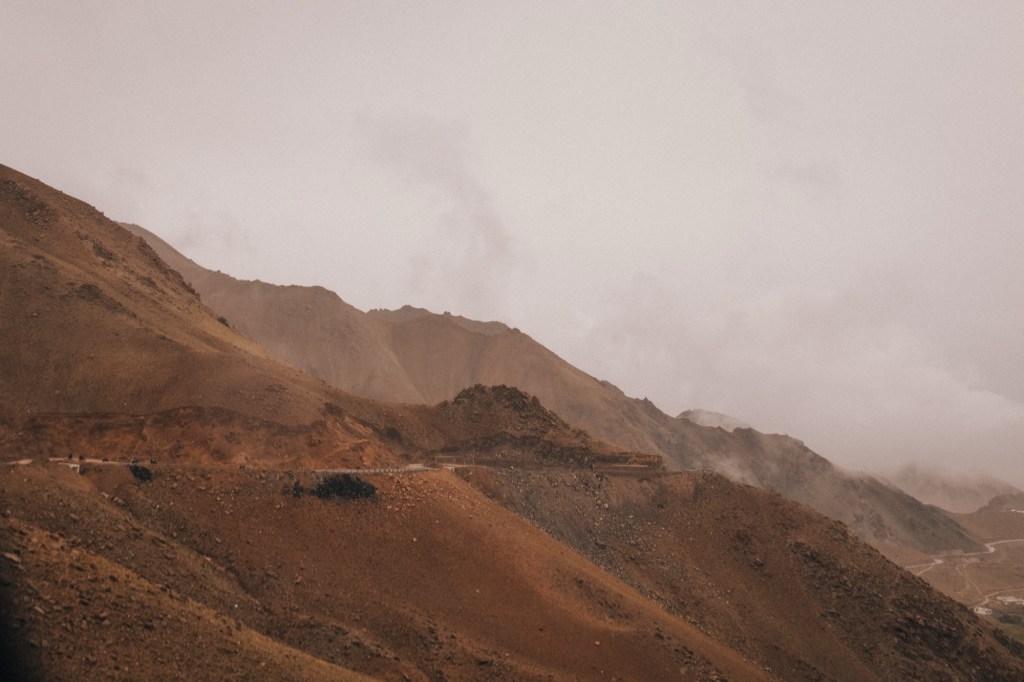
Leh is a great base and starting point to really explore everything that Ladakh has to offer. Whether you are renting a bike to explore, or going with a tour, it’s well worth venturing outside of the city to see what Leh is really known for, the land of high passes. Leh is literally called the land of high passes, and it’s home to the highest motorable road in the world. This pass, known as Umling La, sits even higher than Mount Everest Base Camp at over 19,000 feet. This is exactly why it’s so important to acclimatize in Leh first before climbing to higher elevations. So, let’s talk about what to do while you’re in Ladakh.
Nubra Valley – Nubra Valley is located deep inside the mountains at about 12,000 feet. It’s known for its sand dunes, double-humped camels, and the famous Diskit Monastery. There are plenty of hotels, guesthouses, and camps in Nubra Valley where you can stay. To reach it from Leh, the most accessible way is by crossing Khardung La Pass. This pass used to be considered the highest in the world, but now it’s a few hundred feet below Umling La. Be prepared, it’s extremely cold at the top, and depending on the weather and time of year, you may even experience snow.
Pangong Lake – Pangong Lake is a stunning turquoise lake fed by nearby glaciers. It sits at very high altitude and is a popular place to camp overnight, watch the stars, and experience the stillness of the high mountains. Just be aware that the conditions here are tough, it has very little vegetation and the climate can be hard to adjust to. Stay hydrated, take rest when needed, and prepare for the cold.
Other Lakes and Passes Nearby – There are plenty of other beautiful spots to see around Leh, from lakes to mountain passes. Plan a route that works for the number of days you want to spend outside the city, and make sure to arrange accommodation and bike rentals in advance. Also keep in mind that there are many checkpoints in Ladakh, and you’ll need proper permits to enter certain areas. These rules are taken very seriously because of the international borders and high military presence in the region, so make sure you plan ahead.
When to Visit
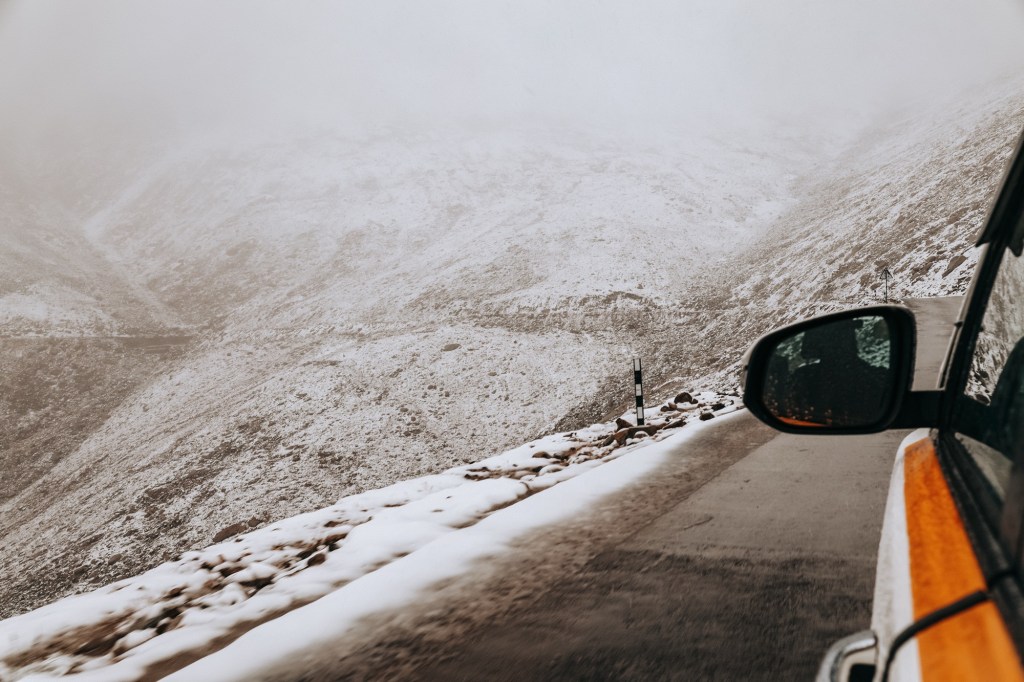
The best time to visit Leh is during the summer months, from May to September. This is when the roads are open, festivals take place, and the weather is manageable. Daytime temperatures usually range from 65–75°F, but the high altitude and strong UV rays can make it feel much hotter, so sunscreen and a hat are a must. Nights, on the other hand, can drop as low as 45°F, so layers are essential, especially if you plan to explore the high passes nearby where it gets even colder. Winter travel here is extremely difficult. Heavy snowfall, road closures, and harsh temperatures mean fewer tourists, limited activities, and more challenges overall.
Travel Tips
Respecting local culture is very important. Dress modestly, especially when visiting monasteries or stupas, and always be mindful of your impact on the environment. Leh is part of a fragile desert ecosystem where water is scarce. Avoid long showers, don’t leave taps running, and try to limit your plastic use. Remember, the drinking water here comes directly from the glaciers, any pollution has a direct effect on the resources the community relies on.
Cash is another essential. If you don’t have access to India’s QR scan payment system, make sure to carry enough rupees or a card you can use at local ATMs. Keep in mind, though, that ATMs are not always reliable, and card payments or Apple Pay are rarely accepted. Carrying extra cash will save you a lot of stress.
Connectivity is another challenge. Internet access across Leh and Ladakh is limited and often spotty. To connect at all, you’ll need to purchase a local SIM card, as eSIMs from international companies won’t work in this union territory. Some cafes, hostels, and guesthouses offer WiFi (usually via Airtel), but it’s not always reliable, weather and terrain often interfere with the signal. If you’re a digital nomad or rely heavily on staying online, be prepared for interruptions, especially when traveling beyond Leh to places like Nubra Valley, Hanle, or Pangong.
Final Thoughts
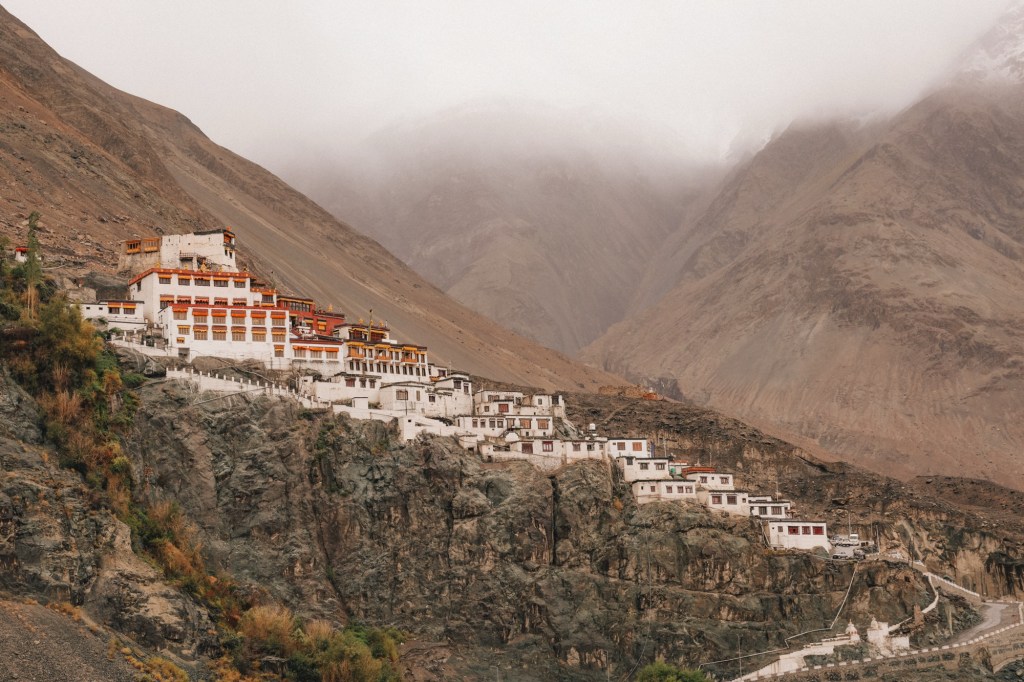
If you’re looking for a unique experience in India, especially if you love the mountains, Leh should be at the top of your list. It’s not only a gateway to the Himalayas but also a chance to experience Tibetan culture, Buddhism, and a slower, more spiritual way of life. The peaceful vibe here is a refreshing contrast to much of the rest of India, making it both a cultural and adventurous destination. Leh is a charming, welcoming city and the perfect base for a true Himalayan adventure, I highly recommend adding it to your India itinerary.


Leave a comment