
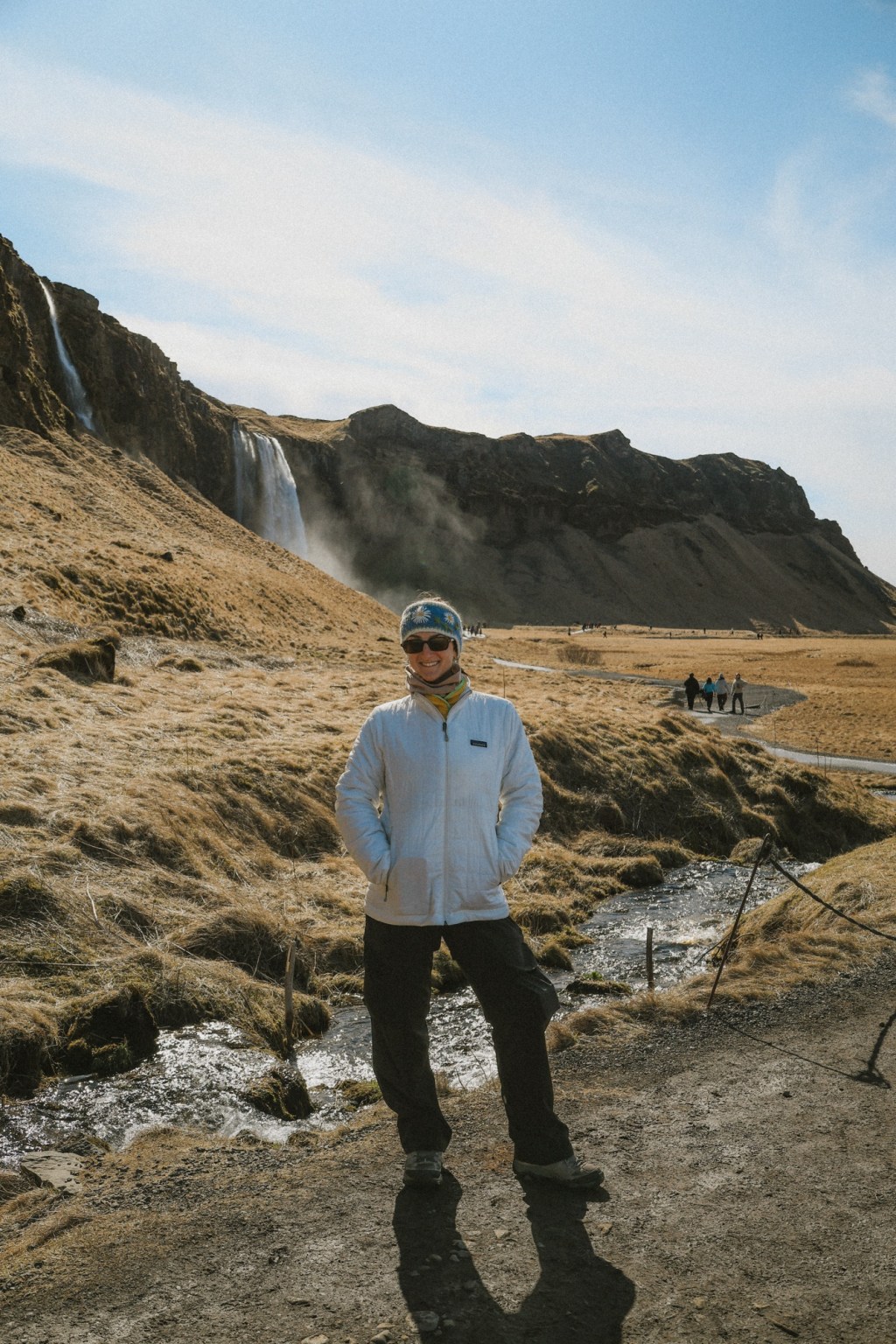
Iceland is a country that deserves so much attention. Its dramatic landscapes, its beautiful rituals and traditions, and its open roads filled with insane adventures make it truly one of a kind. But sometimes we do not have all the time in the world to explore a country to its fullest potential.
Icelandair has a wonderful extended layover program, and for East Coasters in the US, this is so worth it if you are heading to mainland Europe and want to explore Iceland along the way. This is exactly what we did, and why we only had 3 full days in Iceland. Honestly, it worked out perfectly. Between flight prices, the gradual time zone shift, and the ability to fit two trips into one, it could not have been better.
So instead of a quick two hour stopover, we turned it into a three day adventure. Here is exactly how I would recommend spending three days in Iceland.
Day 1
Arrive early into Keflavík International Airport, which is about 45 minutes from Reykjavík. Right at the airport, you should definitely rent a car. Iceland is best explored this way. I honestly cannot imagine doing this trip any other way, and the rental process is very straightforward right on arrival.
Once you are settled, head into Reykjavík. Grab breakfast and coffee at one of the cozy bakeries or cafés around the city and take a moment to ease into the pace of Iceland. It feels quiet, open, and almost unreal compared to where you just came from.
Start your exploring on foot.
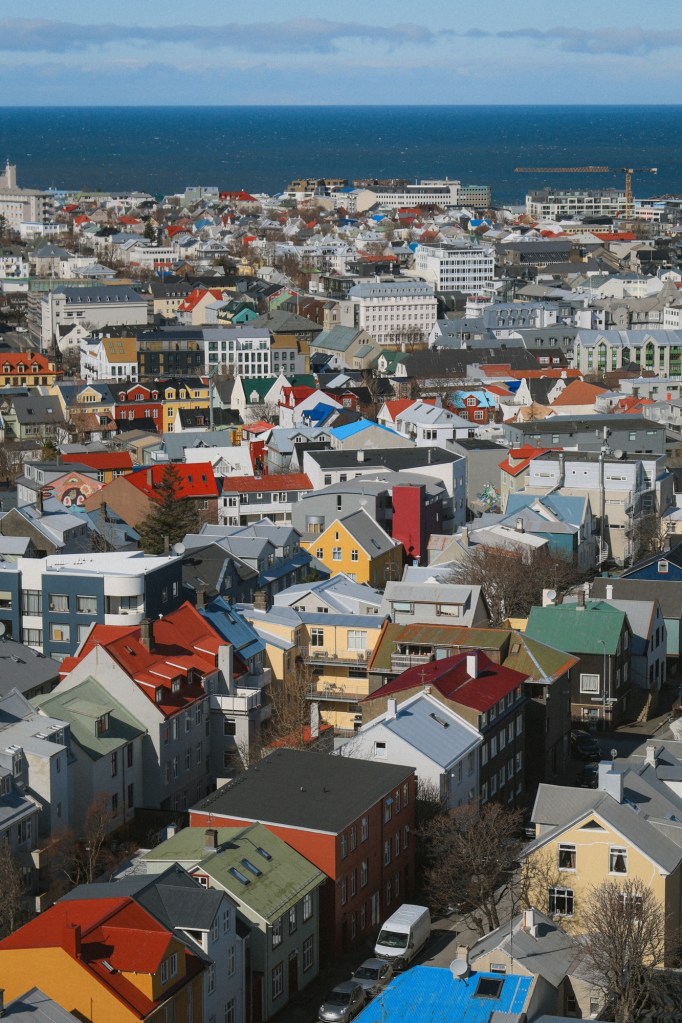
Your first stop is Hallgrímskirkja. This iconic church dominates the skyline with its dramatic, almost volcanic-inspired design. The inside is simple but beautiful, and you can take an elevator to the top of the tower for panoramic views. From up there, you see the colorful rooftops of Reykjavík spread out below you, with mountains in the distance and snow covering the horizon depending on the season. It is the kind of view that immediately makes you realize where you are.
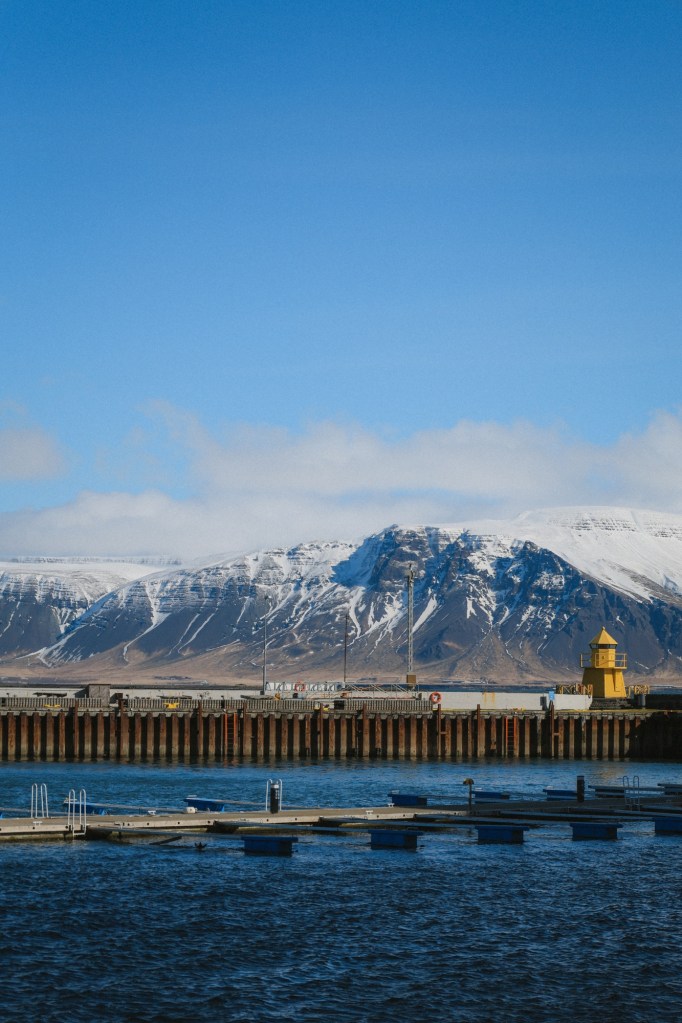
After that, walk down toward the waterfront. This area is calm and scenic, with boats in the harbor, open water stretching out, and mountains rising in the background. On clear days it feels almost endless, and on winter days everything takes on this quiet, frozen stillness that is just as impressive.
Next, head to Rainbow Road on Skólavörðustígur. This is one of the most vibrant parts of the city. The street is lined with cafés, small shops, bars, and local stores. It is a great place to wander slowly, grab another coffee, and maybe pick up Icelandic wool if you need extra layers. The quality is incredible, and you will likely end up using it sooner than you think.
In the afternoon, take your car out for a short drive to one of the nearby hikes or waterfalls. There are so many options within an hour of Reykjavík that it is easy to tailor depending on your energy level. Even a short drive feels scenic, with open landscapes, lava fields, and mountains constantly in view.
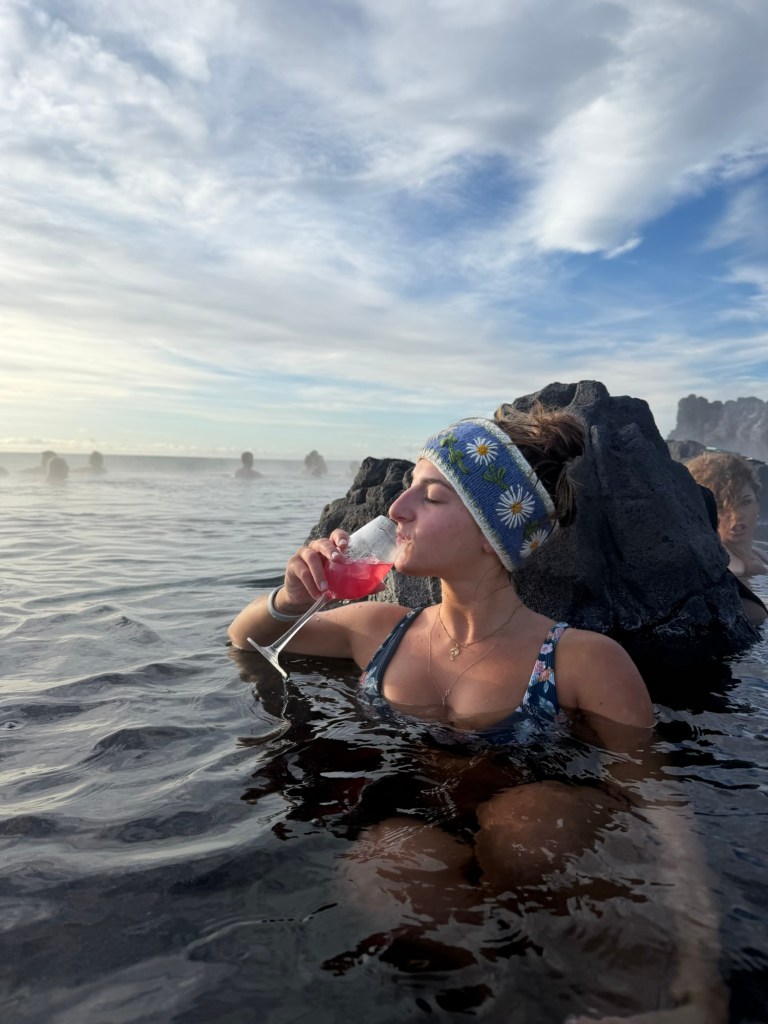
To end the day, head to Sky Lagoon. This was one of my favorite experiences in Iceland. The lagoon is set right on the edge of the ocean, and the warm geothermal water contrasts perfectly with the cold air and sea breeze. You move through a seven step ritual that includes cold plunging, a sauna with ocean views, steam rooms, and relaxation pools. It is not just about relaxing, it feels like a full experience rooted in Icelandic bathing culture that goes back centuries.
Another option is the Blue Lagoon, which is more famous and slightly different in atmosphere, but equally memorable.
Stay overnight in Reykjavík, but only for night one and night three. You will want to be out exploring on night two.
Day 2
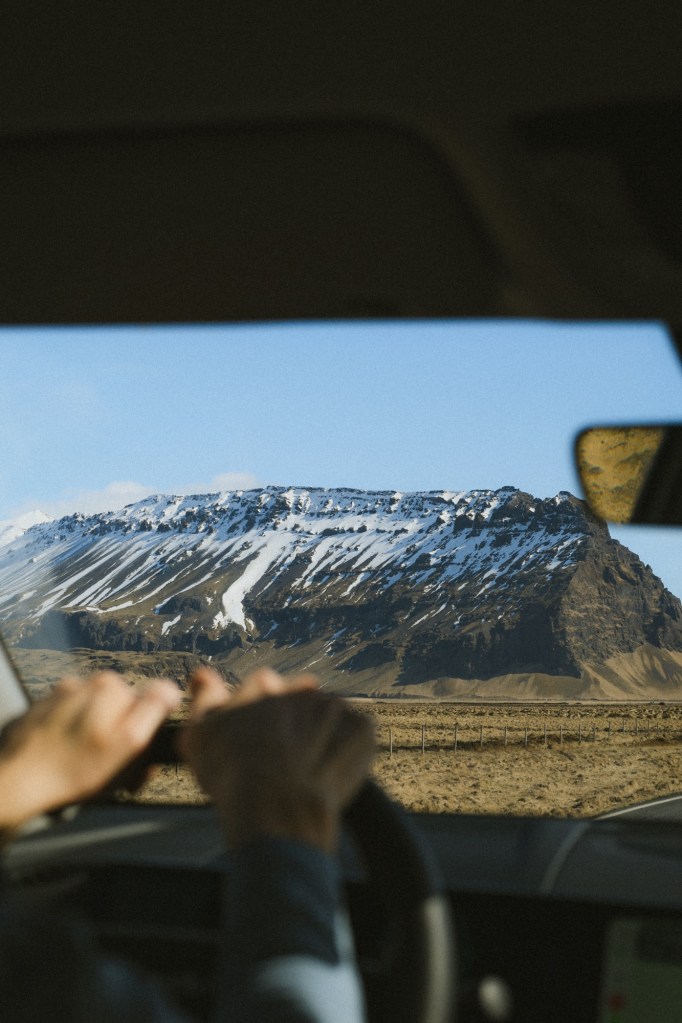
Day two is the most adventurous day of the trip and involves a lot of driving, but every stop feels like its own highlight. Start your morning in Reykjavík with a coffee and pastry, then pack your things and hit the road early.
Your first stop is Hveragerði, a geothermal town that feels almost otherworldly. Steam rises from the ground in random places, and the entire area sits on active geothermal energy. Here, you can see how locals use that energy in daily life. We saw bread baked using underground heat, learned how greenhouses grow produce like bananas in volcanic soil, and even boiled eggs directly in geothermal ground. It is one of those places that feels like science and daily life blending together in the most natural way.
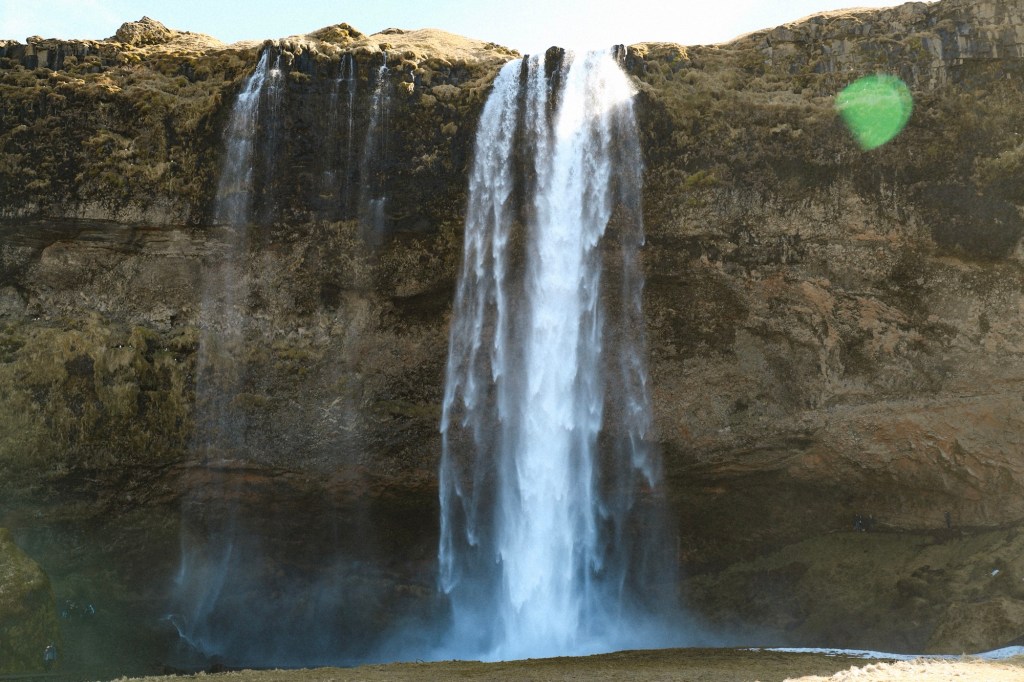
From there, continue toward the south coast and stop at Seljalandsfoss and Gljúfrabúi. The drive itself is incredible, with wide open landscapes, Icelandic horses grazing in fields, and endless views in every direction.
Seljalandsfoss is one of the most famous waterfalls in Iceland, and for good reason. You can actually walk behind the waterfall, which gives you a completely different perspective as water crashes down in front of you while you stand in a small cave-like space. Just a short walk away is Gljúfrabúi, a hidden waterfall tucked inside a narrow canyon. You have to step through a small opening in the rock to see it, which makes it feel like a secret spot almost hidden from the main trail.
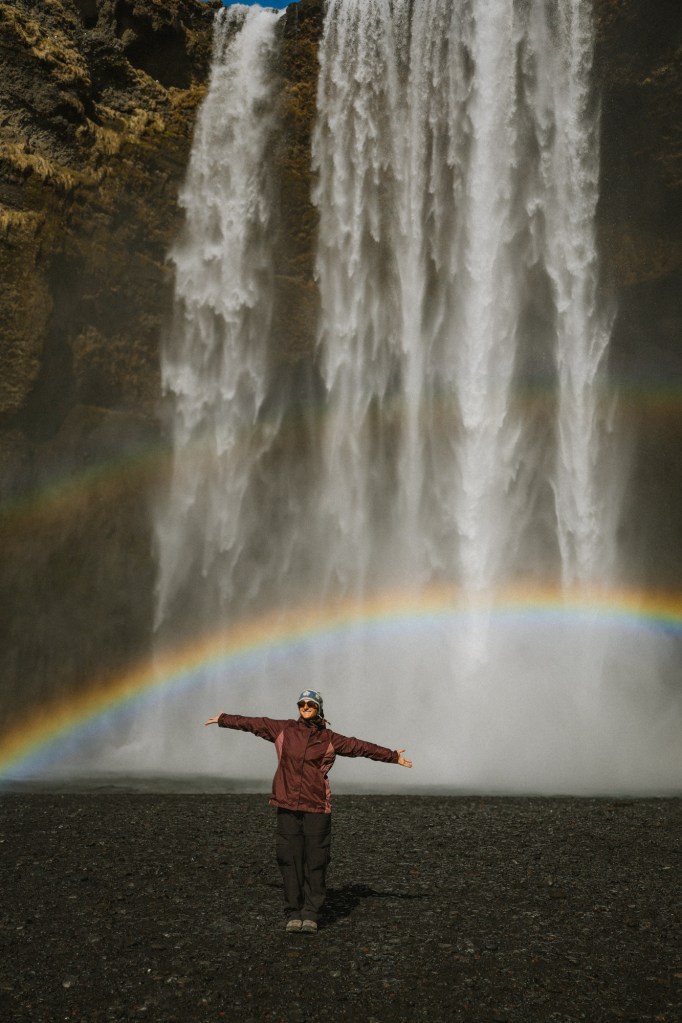
Next up is Skógafoss. This waterfall is massive, powerful, and almost overwhelming when you first see it. The water drops with incredible force, and if the sun is out, you will often see rainbows forming in the mist. You can stand right at the base for a full immersive view, or climb the staircase to the top where the landscape opens up into rivers, cliffs, and rolling green terrain. The contrast between the two viewpoints makes it even more impressive.
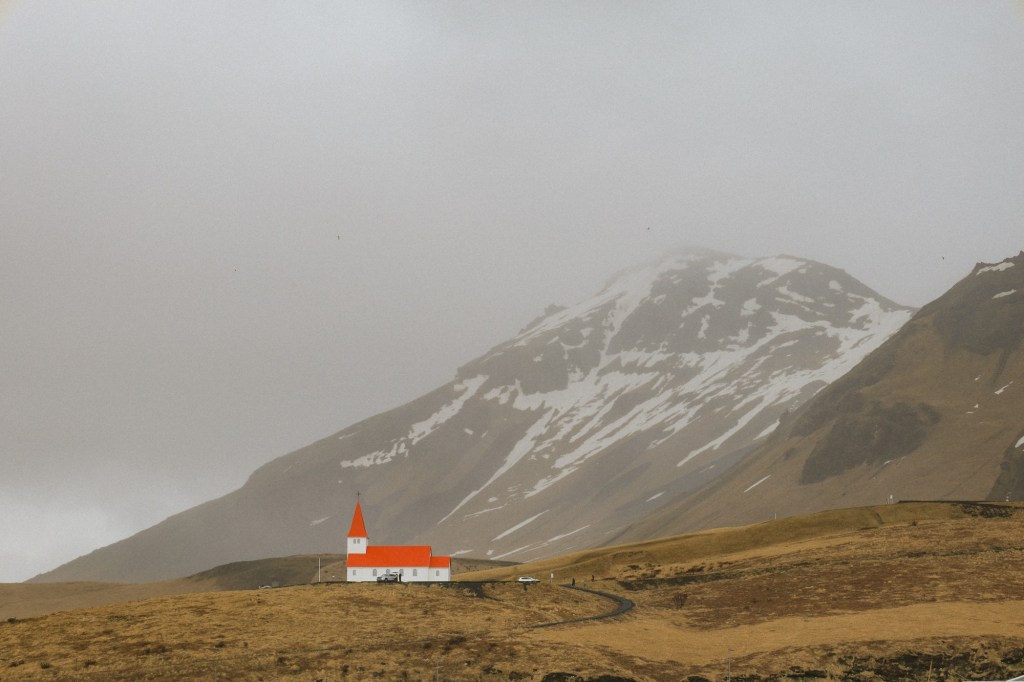
From there, continue toward the town of Vík í Mýrdal, which is where I recommend staying for the night. It is a small coastal town surrounded by dramatic scenery. We stayed at Black Sand Suites, which was simple, cozy, and perfectly located for the next day’s adventure.
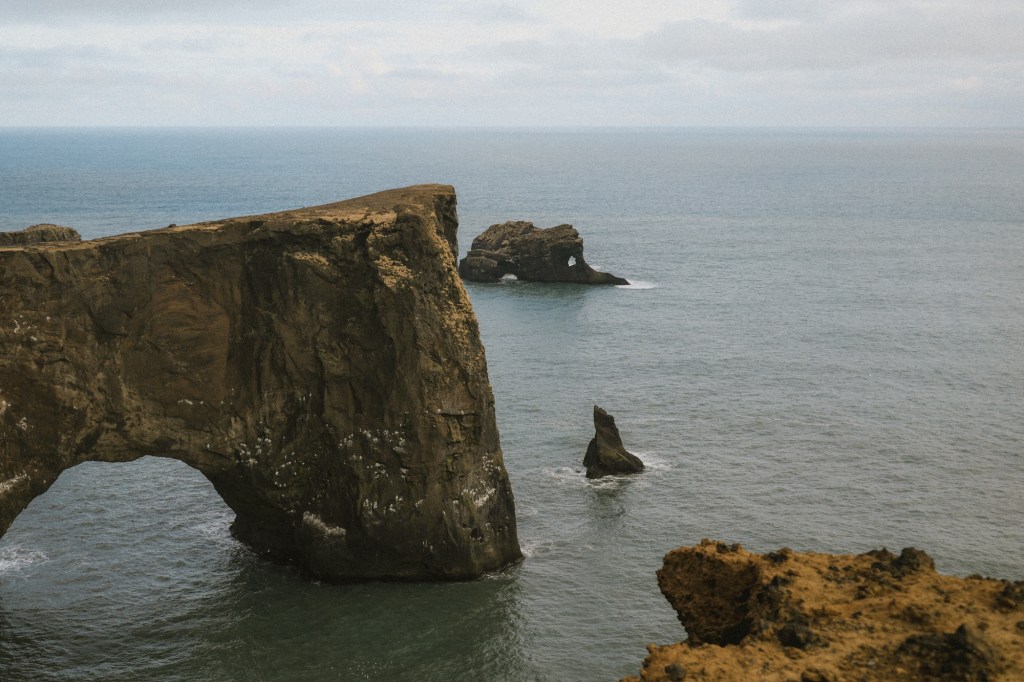
In the afternoon, head to Dyrhólaey. This viewpoint sits on a peninsula overlooking the black sand coastline and massive rock formations rising from the ocean. The views stretch in every direction, and depending on the season, this is also one of the best places to spot puffins. You can walk along the cliffs, take in the wind and ocean views, or just sit and watch the waves crash below.
After that, head down to Reynisfjara Beach. This is one of the most famous black sand beaches in the world. The contrast between the dark volcanic sand, the crashing waves, and the basalt columns is surreal. The ocean here is powerful and unpredictable, so it is more about observing and walking slowly than swimming or going too close.
End the day in Vík with dinner, and if you are lucky and it is the right season, keep an eye out for the Northern Lights before heading to bed.
Day 3
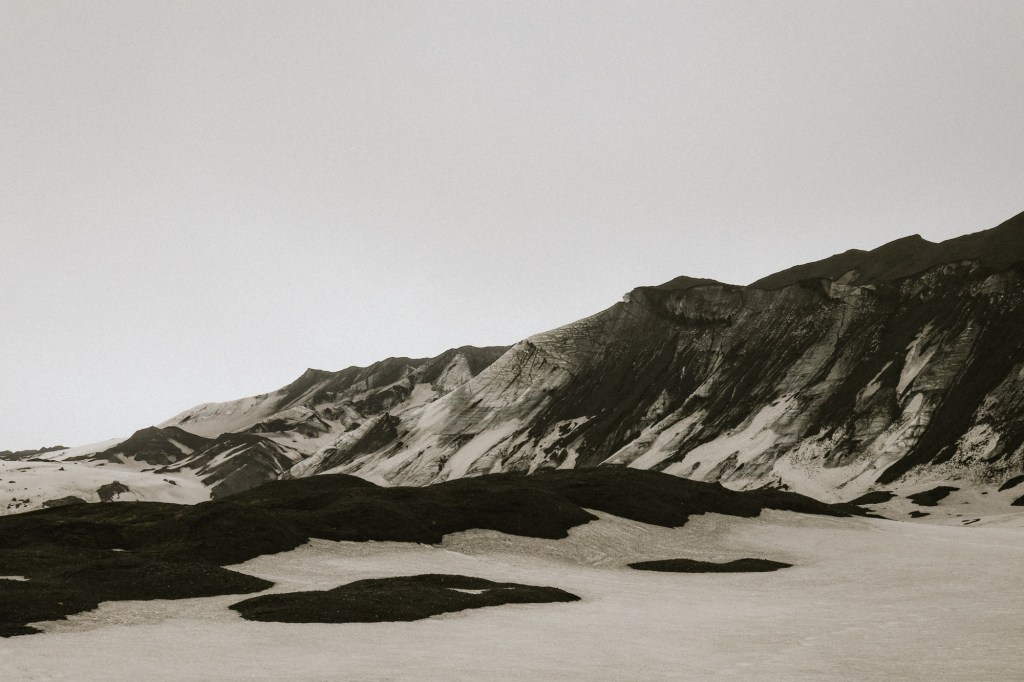
Start your morning with coffee and breakfast in Vík, then head out for the one guided experience of the trip, the Kalta Ice Cave Tour.
This tour takes you deep into Iceland’s glacier landscape with a specialized guide and vehicle built for extreme terrain. The drive itself is part of the experience, as you travel across lava fields and frozen landscapes with no real roads, just open, rugged terrain stretching in every direction.
Once you arrive at the glacier area, you are given gear like helmets and crampons before heading into the ice cave. Inside, the world changes completely. The walls are made of deep blue ice mixed with black volcanic ash, creating layers that look almost unreal. You walk through narrow passages and open chambers while learning how the caves form, shift, and eventually disappear over time as the glacier changes. It is one of the most unique environments you can experience in Iceland.
After the tour, grab lunch and begin the drive back toward Reykjavík. On the way, you will pass through parts of the Golden Circle.
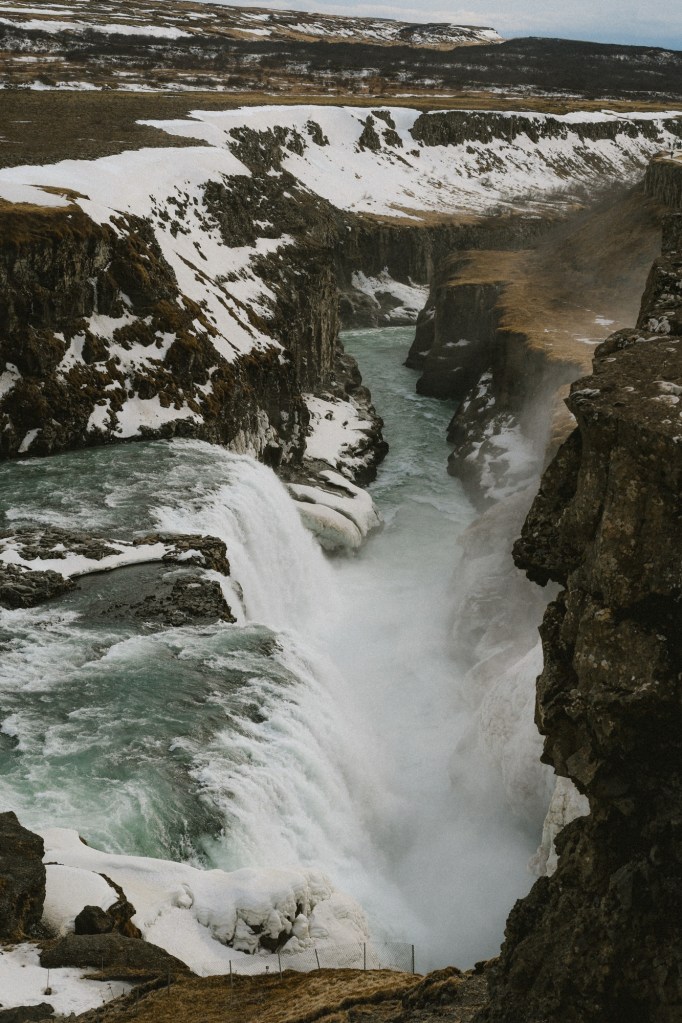
Stop at Geysir, where geothermal activity shoots boiling water into the air every few minutes. It is simple but mesmerizing to watch, especially as you wait for each eruption. Then continue to Gullfoss, one of the most powerful waterfalls in Iceland. The water crashes down in two dramatic tiers, and there are multiple viewpoints that let you experience it from different angles, each one more impressive than the last.
From there, continue the drive back to Reykjavík. The landscape constantly shifts between lava fields, mountains, and open plains, and it genuinely feels like you are driving through another planet.
Once back in the city, check into your accommodation, grab a final dinner, and enjoy your last night in Iceland with a drink or a slow walk through the city.
Tips
- Use parking apps since almost every stop requires paid parking
- Check road conditions daily since weather changes quickly
- Bring multiple layers since conditions shift constantly
- Be careful opening car doors in strong wind
- Plan your trip based on season for Northern Lights or puffins
- Book ice cave tours and lagoon visits ahead of time
- Expect Iceland to be expensive for food, parking, and accommodation
- Start your days early to avoid crowds
Iceland is truly a dream destination for adventure lovers, photographers, and anyone looking to experience something completely out of this world. There is so much more than what fits into a three day itinerary, but if this is all the time you have, this is exactly how I would do it again.


Leave a comment