
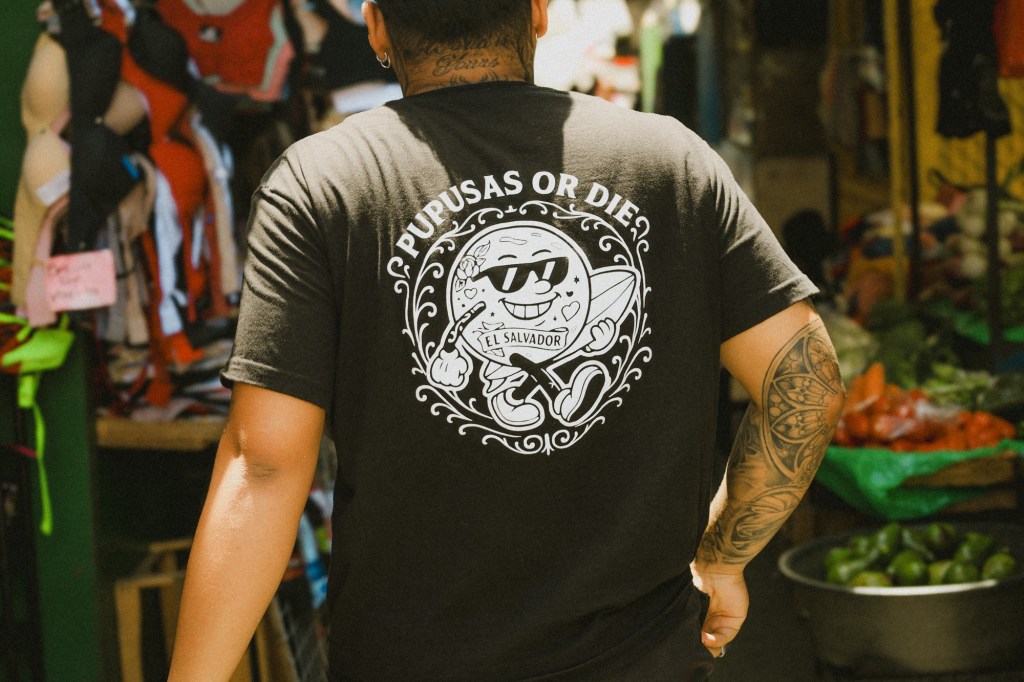
You can imagine the reaction on most people’s faces when I tell them I’m going to spend a month in El Salvador. A country that was once labeled the murder capital of the world. A place people still associate with gangs, crime, and danger. For many, the image that comes to mind is one shaped by headlines about violence or maximum security prisons, not one of beauty, culture, or warmth.
But what most people don’t know is what El Salvador is now, and what it is actively trying to become.
As recently as 2015, El Salvador held the title of the murder capital of the world. There were hundreds of murders a week, gangs held significant power, and everyday life for many people was filled with uncertainty. But in 2019, with the election of President Nayib Bukele, the country began moving in a very different direction. Through strict security measures, including the implementation of a state of emergency, the country has undergone a dramatic transformation.
Today, El Salvador is considered one of the safest countries in the Americas. Yes, safer than places many people would assume are far more secure. Now, I’m not here to debate whether the methods used to achieve this shift are right or wrong. There are ongoing conversations around human rights, freedom, and the balance between security and democracy. Those are important discussions. But what I can speak on is what I experienced firsthand, and that is a level of safety that felt consistent, visible, and real.
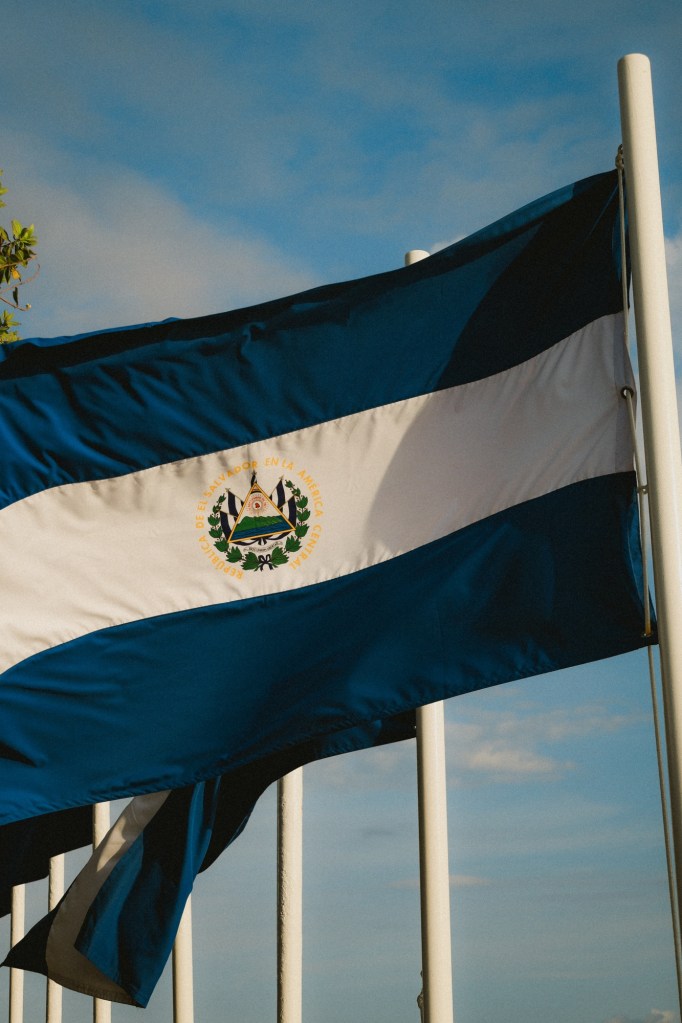
And alongside that safety, I found a country that is vibrant, welcoming, and deeply misunderstood.
I landed at the international airport just outside of San Salvador and immediately noticed how easy everything felt. The airport itself is not directly in the city, but it is also not along the coast. It sits somewhere in between, making it incredibly convenient whether you are heading inland or toward the beach. That small detail ended up shaping my first impression in a big way.
Arriving here felt calm. There was no chaos, no overwhelming rush that you often feel stepping into a major international airport. Instead, everything felt manageable, smooth, and surprisingly relaxed. It set the tone for the rest of my time in the country.
During my stay, I chose to explore El Salvador a little differently. Instead of constantly moving from place to place, I based myself in two main areas and took the time to really settle in. I wanted to experience daily life, not just pass through it. I wanted to understand the country beyond a surface level.
The first place I spent time in was the city of Santa Ana.
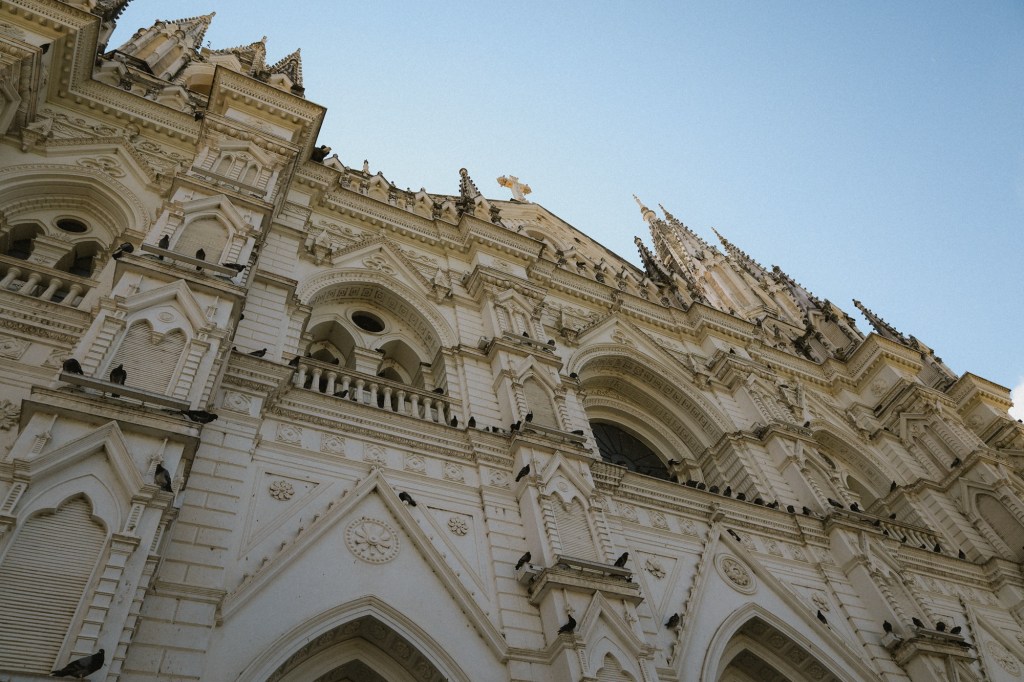
Santa Ana is full of charm. It has beautiful colonial architecture, a slower pace compared to bigger cities, and a feeling of authenticity that is hard to find in more developed tourist destinations. Walking through the streets, exploring local markets, and trying fresh food from vendors became part of my daily rhythm. It felt real, unfiltered, and deeply connected to local life.
One of the most impactful experiences I had there was a walking and food tour with a local guide named Hector. What stood out about Hector was his honesty. He didn’t try to sugarcoat anything or present a polished version of his country’s past. Instead, he shared raw, real insights into life in El Salvador, both then and now.He took us through the city, introducing us to local vendors, dishes, fruits, and drinks, but the most meaningful part of the experience came when we sat down at one of his favorite coffee shops. He opened the floor for conversation, and nothing was off limits.
We talked about the political climate, the ongoing changes in the country, and the different perspectives across generations. He shared his personal story of leaving El Salvador for Guatemala to escape gang violence, and what it was like to eventually return. He spoke about the realities of living under gang control, the fear, the unspoken rules, and the constant pressure people faced in their everyday lives.
It was one of those moments that completely shifts your perspective. Hearing these stories directly from someone who lived through it gave me a level of understanding I never could have gained on my own. It added depth to everything I was seeing around me and made me appreciate just how much the country has been through.
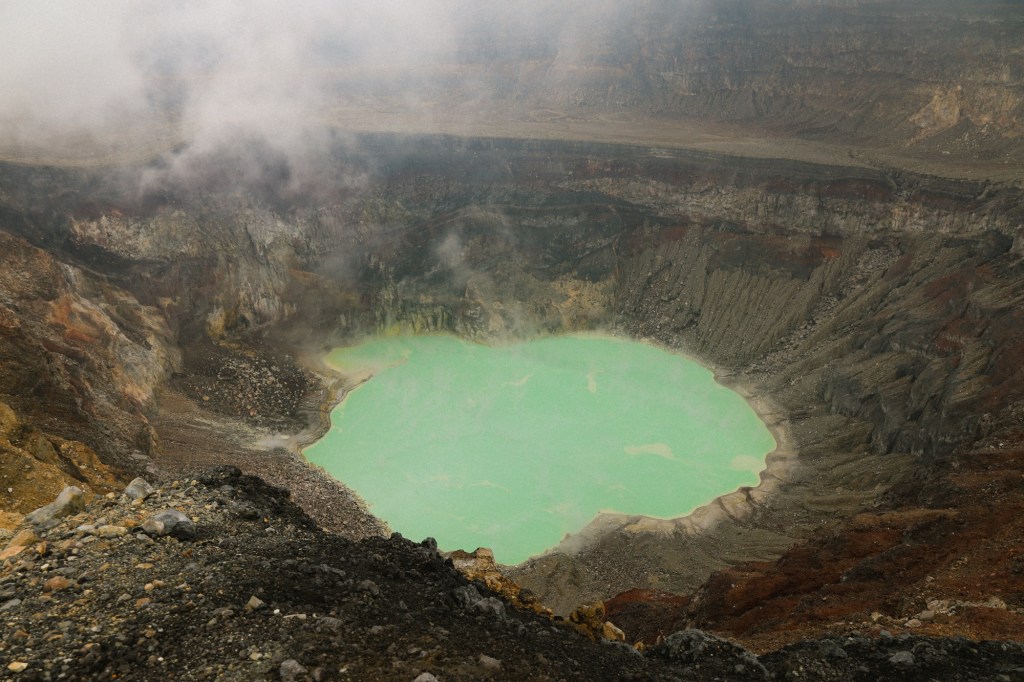
Beyond that experience, Santa Ana is also an incredible base for adventure. From the city, you can explore places like the Santa Ana Volcano or the nearby waterfalls. I hiked the volcano myself, and the entire experience was surprisingly easy to navigate. Local buses made getting there simple and affordable, and the hike itself was very manageable. At the top, the views were unreal, one of those moments that makes you stop and just take it all in.
From the mountains, I made my way to the coast.
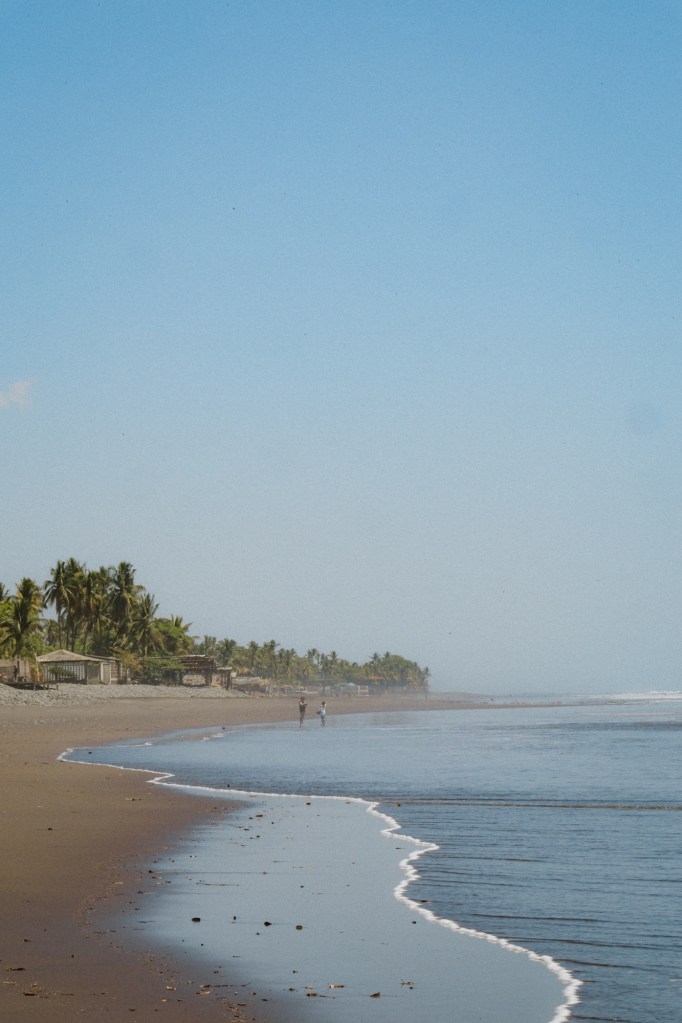
The coastline of El Salvador is stunning. Black sand beaches lined with palm trees, consistent waves rolling in, and a laid back atmosphere that makes it easy to slow down. I spent time in both El Tunco and El Zonte, and while they are close to each other, they offer completely different vibes.
El Tunco has more energy. There is a bit of nightlife, more people, and a social atmosphere that draws in surfers and travelers alike. El Zonte, on the other hand, feels quieter and more grounded. It is smaller, slower, and perfect if you are looking to relax and disconnect a bit.
What I found especially interesting about the coast is how clearly you can see the country evolving. The government has recognized the potential of this area and is actively investing in its development. With world class surf breaks and natural beauty, it is easy to understand why.
At the same time, it has not yet reached peak tourism. You are able to experience these places while they still feel raw and authentic, while also witnessing the early stages of what they might become. There is something really unique about being in that in between phase. You appreciate it for what it is now, while also seeing where it is headed.
Of course, with that comes complexity. El Salvador is in a period of transition. It is no longer what it once was, but it is still in the process of becoming something new. People have different opinions about that transformation, and those perspectives matter. But one thing that felt consistent across the board was a shared sense of relief and pride in the safety the country now has.
And that sense of safety is only part of the story.
What stood out to me the most during my time in El Salvador was the people.
There is a genuine warmth here that is hard to put into words. People are not just tolerant of tourists, they are welcoming. They are curious, open, and eager to share their country with you. I lost count of how many times locals went out of their way to help me, whether it was giving directions, starting a conversation, or simply offering a smile as I passed by.
There is an openness that makes you feel comfortable. And that is something different from safety. You can be somewhere that is technically safe but still feel on edge. Here, I felt both safe and at ease.
Whether I was out on a morning run, walking through a market, or heading to the beach alone, there was never a moment where I felt uneasy. Instead, there was a constant sense of friendliness and connection. People wave, they acknowledge you, they make you feel seen.
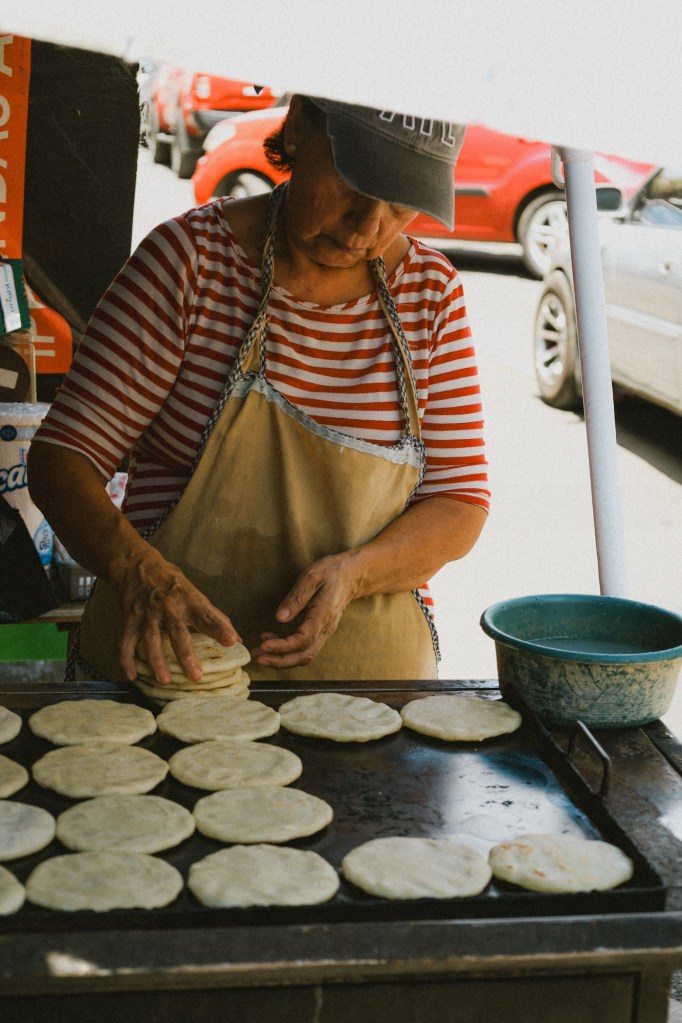
That human connection is what stayed with me the most.
As tourism continues to grow, I hope that dynamic remains. Because it is something special. But it is also a two way street. As travelers, we play a role in that experience too. Respecting the culture, the people, and the place itself is just as important as the welcome we receive.
El Salvador is changing. It is growing, evolving, and redefining itself in the eyes of the world. For so long, it has been misunderstood, its identity shaped by its past rather than its people.
My time here showed me something different. It showed me resilience, transformation, and the power of a country to rewrite its story.
If you are looking for a destination that feels a little more raw, a little less discovered, but still incredibly beautiful and full of life, El Salvador is worth your time. Give it a chance to show you what it has become.


Leave a Reply