
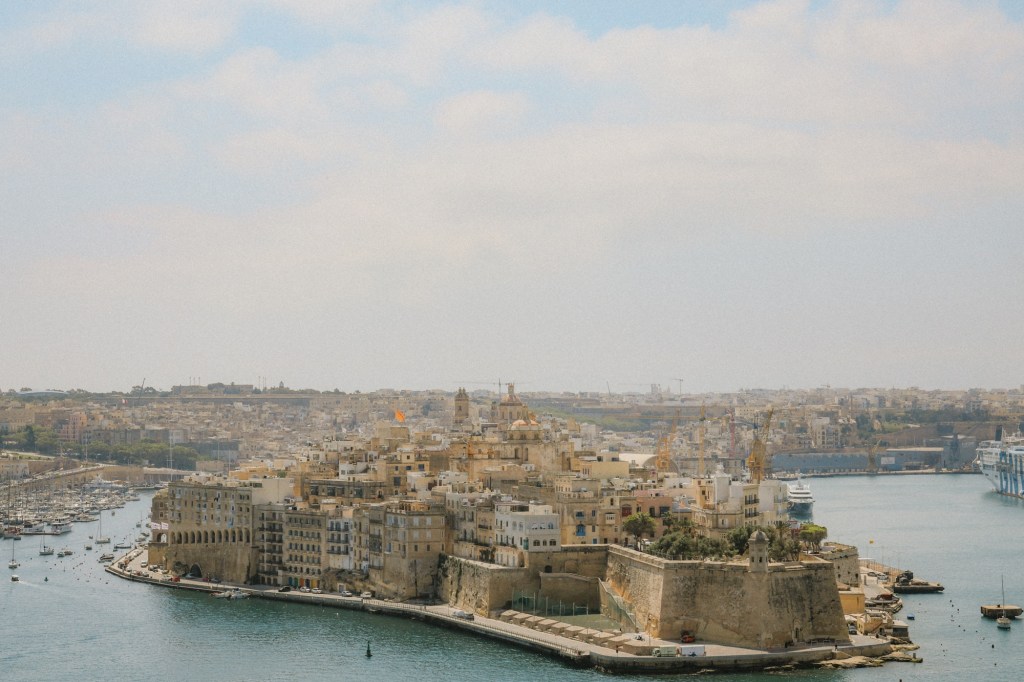
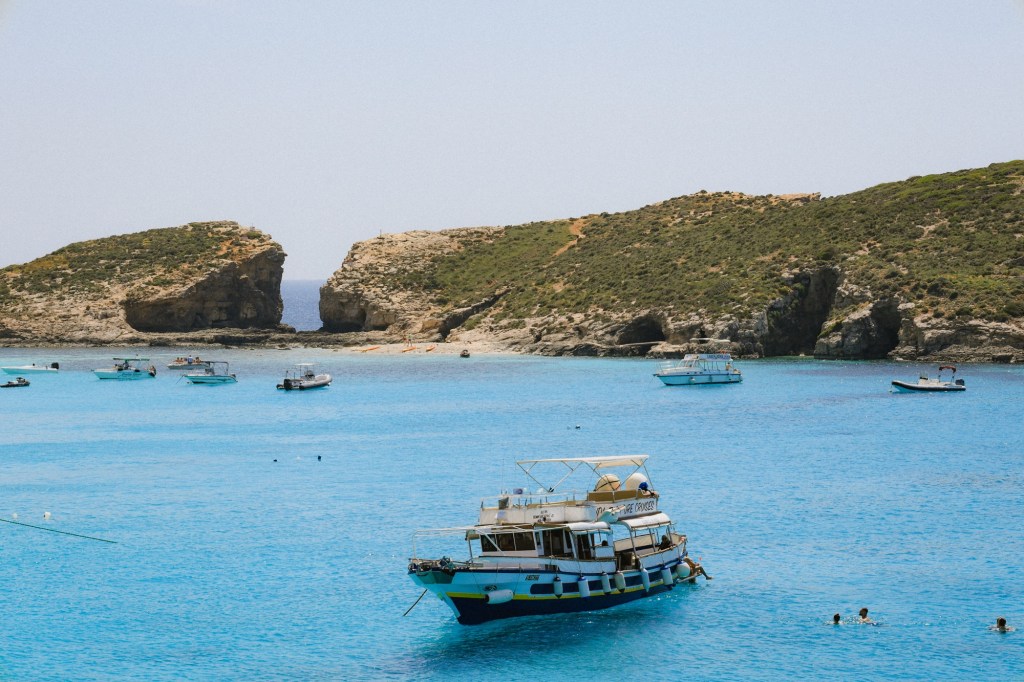
Malta is one of Europe’s most unique countries, and for reasons you might not expect. The country is undeniably beautiful. Full of stunning architecture, some of the bluest water I have ever seen, hundreds of impressive churches, and so many quaint medieval cities. Walking around and exploring the country, I kept finding myself mentally blending together three countries that ultimately pieced together the vibe of the place. I explained to friends and family back home that the country felt like the perfect mix of Italy, Greece, and Morocco. It felt like the country had such a blend of these three cultures in terms of vibe, architecture, and everyday life.
Now before diving into the history of the country and exploring more of the reasons behind the culture here, I did not realize how accurate this description actually was. There is a big reason why this country feels like such a blend of cultures and what makes it so unique. The religion, the daily life, the architecture, the food, and the overall atmosphere is all a hybrid and blend of so many different places, and here is why.
Geography
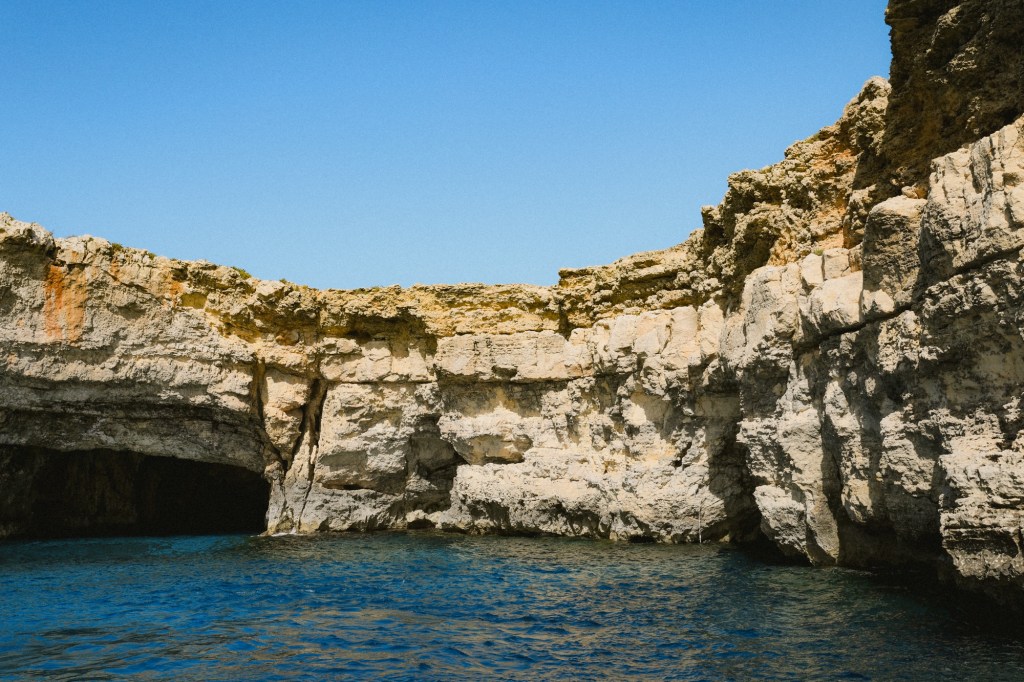
If you have never heard much about Malta or really learned about it, let us start with where this small island country is located. The island is positioned right in the center of the Mediterranean Sea. It sits just south of Italy, specifically Sicily, and just north of North Africa, including Libya and Tunisia.
This location made the country an incredibly important naval base and a major hub for trade. It is a truly strategic spot in terms of geography, sitting right between two major parts of the world in the middle of the sea. Whoever had control of Malta throughout history essentially had influence over key maritime routes. The power occupying Malta could influence trade, military movement, and broader regional control. So instead of this island being a floating piece of nothing in the Mediterranean, it was constantly occupied by different powers who used its geographical position in very strategic ways.
Major Powers and Influences
Because of that location, Malta has been shaped by a long list of rulers and influences. Let us set a timeline to understand the major powers and occupations throughout history, because this is really where the cultural mix starts to make sense.
Phoenicians
Starting around 800 BC, it was occupied and populated by the Phoenicians. These settlers came from the region of modern day Lebanon. They introduced some of the earliest known trade routes and used the island as a strategic maritime post for commerce across the Mediterranean. They made use of the natural harbors on the island and laid early foundations for local culture, language, and religious influence. They also helped establish early settlements that would later evolve into important historic cities like Mdina and Rabat.
Roman Empire
After that, around 200 BC, came the rule of the Roman Empire. The Romans ruled Malta for almost 750 years. Malta was part of the province of Sicily and was considered a prosperous and valuable territory. The island was filled with Roman baths, villas, and continued use of its harbors for both trade and military operations. During this time, Roman religious practices and Latin language began to take hold. The Latin influence became deeply rooted, and Malta became integrated into a much larger political system that connected it to the broader Roman world.
Byzantine Empire
Once the Western Roman Empire fell, Malta was incorporated into the Byzantine Empire for nearly 350 years. Once again, its strategic location made it valuable for naval control and trade routes within what was known as the Byzantine theme of Sicily. The island was also used for exile and punishment of political rebels and officials. However, this period did not last forever, and control shifted again.
Arab Rule
After this, came one of the most transformative periods in Malta’s history, the Arab rule. This is one of the most influential and significant phases for the makeup of Malta today. It reshaped the island in terms of culture, language, and architecture. A form of Arabic was spoken, new crops and agricultural systems were introduced, and daily life changed significantly. Religion also shifted, with Islam becoming more prominent while Christianity became a minority as many residents converted. All of this left a deep cultural imprint that still exists underneath later European layers.
More European Occupations
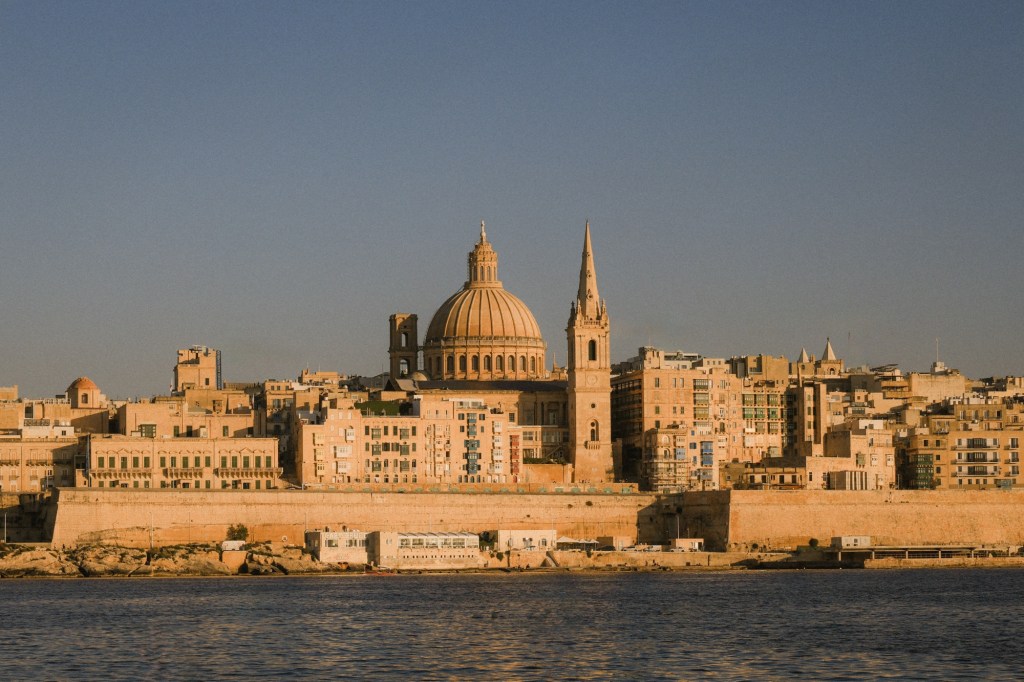
Following Arab rule, there were a series of shorter medieval European occupations. The Normans brought Malta into the Kingdom of Sicily and reestablished Christianity as the dominant religion. Then came the Swabians, the Angevins, and the Aragonese and Spanish. Most of these periods were relatively short, but each added another layer of European influence. Over time, these rulers slowly blended the Arab foundation with European systems of culture and governance. Between the 1500s and 1700s, the Knights of Saint John built the city of Valletta (present day capital) which helped solidify a strong Catholic identity and left behind much of the architecture and churches that still define Malta today.
British Empire
After these smaller and more fragmented ruling periods, the British Empire took control of Malta in the 1800s and ruled until the 1960s. Malta once again became a key naval base, this time for the United Kingdom. English became an official language, and British systems of education, law, and infrastructure were introduced. This is why today you still see elements that feel distinctly British. Driving on the left side of the road, red telephone booths scattered across the island, and other small details all remain part of the landscape.
Indepence
Following British rule, Malta gained independence from the United Kingdom in 1964, while still remaining within the Commonwealth and recognizing Queen Elizabeth as head of state. In 1974, Malta officially became a republic with a Maltese president as head of state. However, it was not until 1979 that Malta was fully independent, when British military forces finally left the island. That moment marked the end of centuries of external control. In 2004, Malta joined the European Union and adopted the Euro as its official currency.
Malta Today
So what does all of this mean for the cultural makeup and experience of visiting Malta today? Well it means there are both visible and more subtle layers that exist throughout the country, shaped by its long and complex history as a strategic location in the Mediterranean.
Maltese Language
Most importantly is the Maltese language. The language is incredibly unique. It is the only Semitic language in the world written in the Latin alphabet. This comes directly from its Arabic roots during Arab rule, later layered with Italian and Sicilian vocabulary due to its connection with Sicily and proximity to Italy. Then, during British rule, English became an official language and further influenced vocabulary and usage. This combination ultimately created the modern Maltese language as it exists today. Malta now has two official languages, Maltese and English. In addition, Italian is not official but is widely understood by a large portion of the population.
Cultural makeup of Malta Today
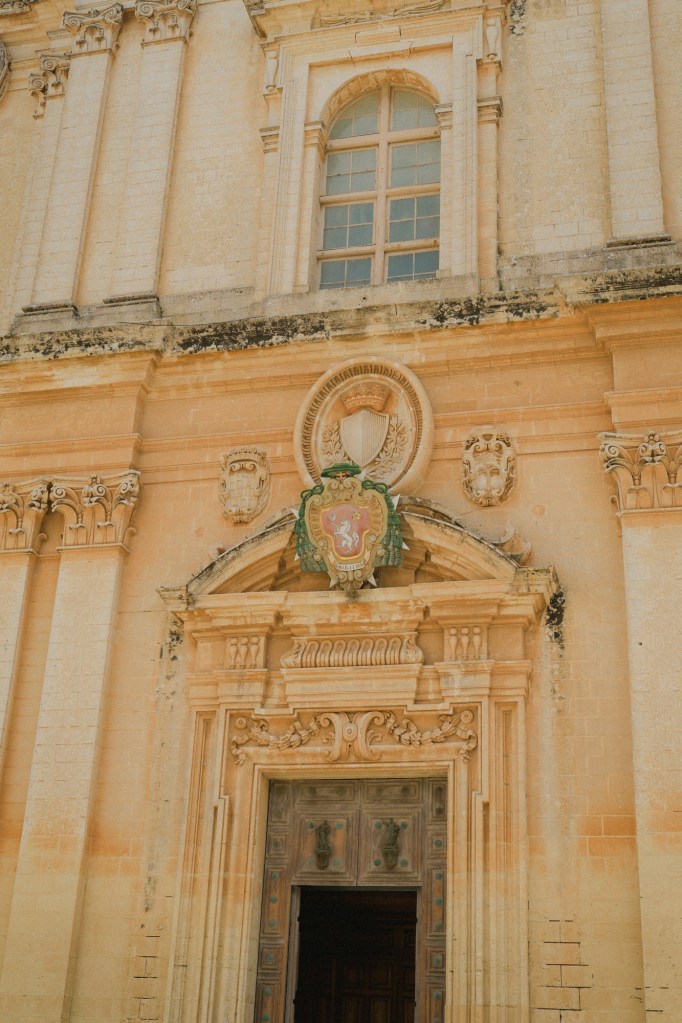
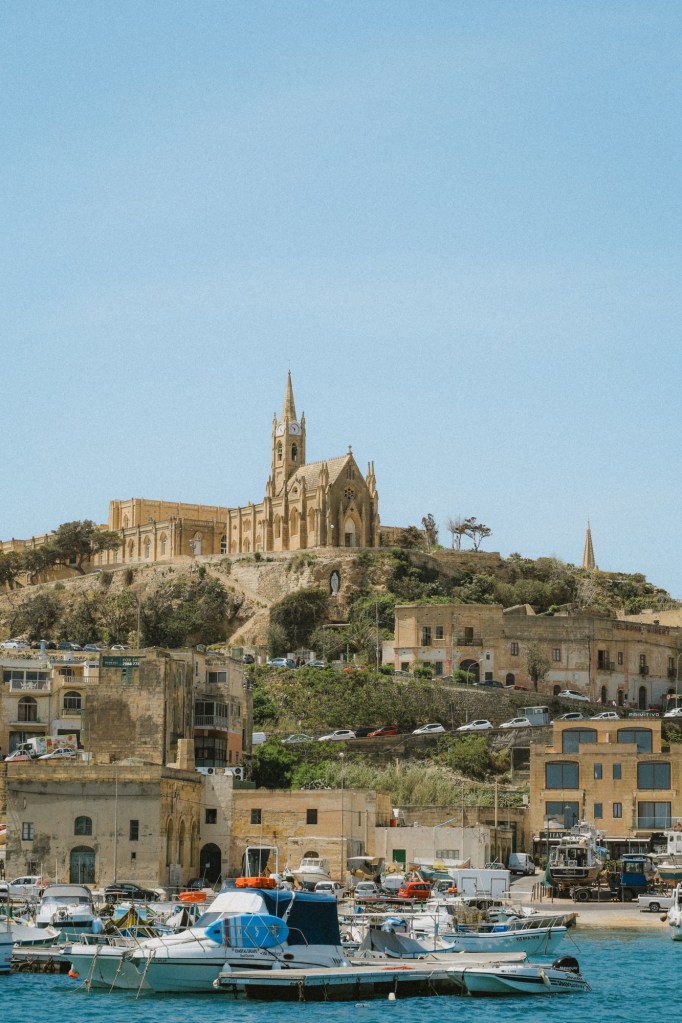
Now let us talk about the culture on the island. In terms of religion, after the Arab influence and the introduction of Islam, later European powers reestablished strong Roman Catholic traditions. Today, over 80 percent of the country identifies as Catholic. There is a small Muslim minority as well as other religious identities mostly represented by foreign residents. Around the island, you still see hundreds of Roman Catholic churches, and the architecture very clearly reflects long standing European influence.
In terms of food, there is a clear blend of Italian, Arab, and British influence. You will find a strong presence of Italian cuisine, using fresh ingredients, olive oil, and traditional cooking practices. At the same time, there are influences from Arab culinary traditions in spices, techniques, and flavor profiles. British influence can also be seen in certain dishes and food habits that remain part of daily life.
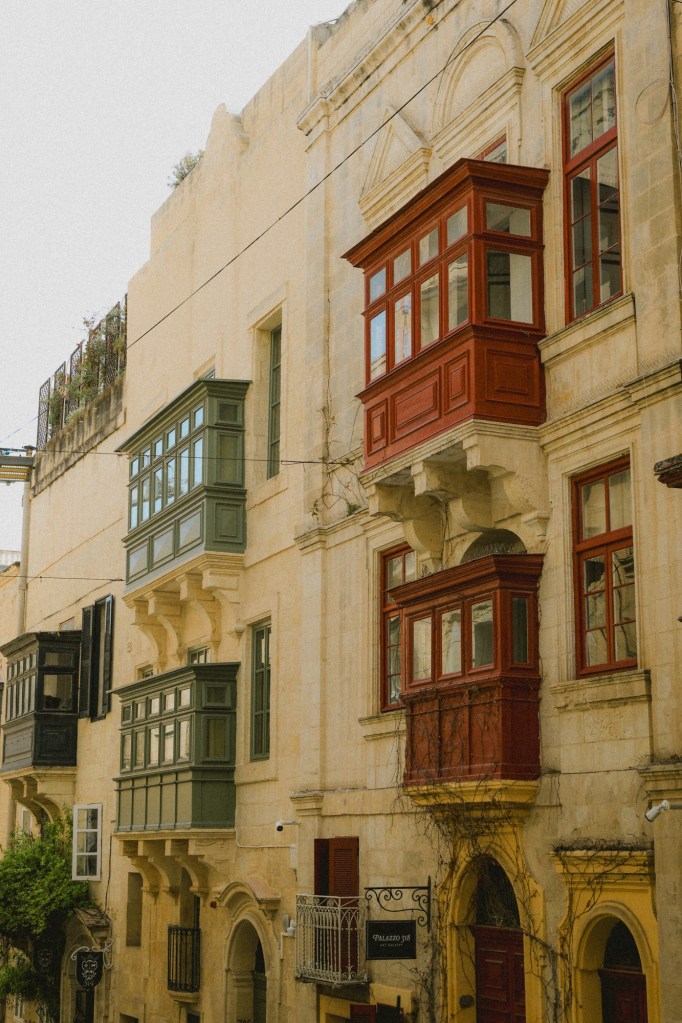
Festivals and traditions across the island also reflect this mix of cultures, as does the architecture. You will find areas that resemble traditional European towns, but also architecture that feels very similar to places in North Africa, particularly Morocco, with sandstone colors, narrow alleyways, and the distinct atmosphere of Mdina, the old capital.
Throughout the country, you also see diversity between places like Mdina and Rabat compared to the capital city of Valletta. Each area carries different layers and remnants of the empires that once controlled Malta, while still embracing its modern independence and current identity. Malta is a place where history did not just pass through, but actively shaped what the country is today. The influences constantly changed, layered, and built into the nation we see now.
Final Thoughts
The small island country was never an isolated place in the middle of the sea. Instead, it was continuously occupied, strategically used, and ultimately transformed into a place that feels like a blend of so many different worlds at once.
Exploring this country made me more curious about history than I usually am when traveling. Walking through different cities, I kept finding myself asking questions. Why is there a red telephone booth here? Why does the language sound Arabic but use Latin letters? Why does the architecture feel like three different cultures combined into one place?
The history has not just shaped Malta politically or economically. It has created one of the most unique cultural identities in the entire region.


Leave a Reply